
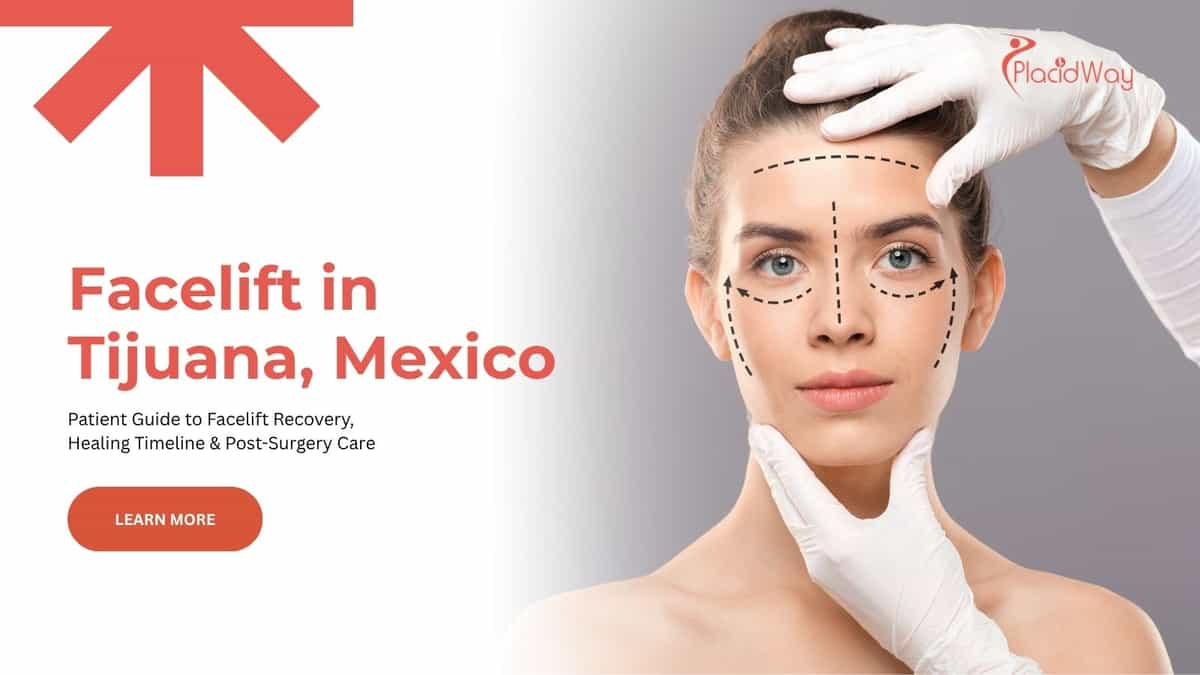
Many patients seeking facial rejuvenation are discovering that border cities offer significant savings without compromising medical quality, leading them to research facelift procedures abroad. Understanding the true cost of a facelift in Tijuana Mexico and knowing exactly which local medical licenses to verify can help you make a confident healthcare decision. You must look for facilities certified by the General Health Council and surgeons accredited by the Mexican Council of Plastic Esthetic and Reconstructive Surgery to ensure your safety. This resource provides a factual look at patient eligibility, credential verification, and realistic surgical outcomes to guide your medical journey.
- Estimated Cost: Typically ranges from $4,500 to $7,000 USD depending on the specific technique, facility, and surgeon expertise.
- Safety Overview: Tijuana features a robust private healthcare sector, but you must verify that your surgeon holds recognized board certification.
- Required Certifications: Always look for surgeons certified by CMCPER and clinics licensed by COFEPRIS.
- Ideal Candidate: Healthy adults with noticeable facial sagging, deep creases, or loss of skin elasticity who maintain realistic expectations.
- Recovery Time: Most patients return to non-strenuous activities within 10 to 14 days, with full tissue healing taking several months.
- Primary Motivation: Patients primarily travel to Tijuana to access highly trained plastic surgeons at a fraction of US prices while remaining close to the American border.
Why North American Patients Travel for a Facelift in Tijuana Mexico
Many individuals from the United States and Canada cross the border specifically for aesthetic procedures because of the proximity and established healthcare infrastructure. Tijuana has developed into a major hub for cross-border medical care, offering modern private hospitals tailored to international visitors.
Choosing a medical destination requires understanding the primary motivations driving this decision. Patients often weigh financial considerations against the quality of medical talent available just across the border.
- Significant Financial Relief: Cosmetic procedures often cost 50 to 70 percent less than similar surgeries in American or Canadian metropolitan areas.
- Geographic Proximity: Located immediately south of San Diego, Tijuana is easily accessible via a short drive or a quick domestic flight to Southern California.
- Access to Specialists: Many Mexican plastic surgeons complete advanced fellowships internationally and maintain active memberships in global medical societies.
- All-Inclusive Medical Packages: Clinics frequently provide comprehensive care packages that include ground transportation, hotel accommodations, and dedicated patient coordinators.
- Shorter Wait Times: Private clinics in Mexico generally offer faster scheduling for elective procedures compared to the public or private systems in Canada.
- Bilingual Healthcare Staff: Top-tier medical facilities employ fluent English-speaking nurses and doctors to ensure clear communication throughout the process.
Recent data indicates a steady climb in patients seeking restorative cosmetic procedures in border cities. Understanding these trends helps contextualize the growing trust in regional private healthcare.
Projected Cross-Border Patient Volume Growth for Cosmetic Procedures in Tijuana (2024-2026)
Understanding the Facelift Procedure and Biological Process
A facelift, medically known as a rhytidectomy, is a surgical procedure designed to reduce visible signs of aging in the lower face and neck. As you age, your skin naturally loses elasticity, and the underlying connective tissues begin to weaken.
During the surgery, your doctor will carefully lift and tighten the underlying facial muscles and tissues. They then redrape the skin over the newly contoured structure and remove any excess skin before closing the incisions.
Types of Facelift Surgeries Available in Tijuana Mexico
Different anatomical concerns require specific surgical techniques to achieve a natural and harmonious result. Your surgeon will recommend a customized approach based on your skin laxity, muscle condition, and personal aesthetic goals.
Understanding these distinct approaches can help you ask better questions during your medical consultation. Below is a breakdown of the primary techniques utilized by specialized clinics.
| Procedure Type | Clinical Focus | Typical Incision Location | Ideal Patient Profile |
|---|---|---|---|
| Mini Facelift | Targets mild jowling and lower face laxity with shorter surgical time. | Short incisions around the earlobes. | Younger patients with early signs of aging and minimal excess neck skin. |
| Standard Facelift | Addresses moderate to severe aging in the mid-face, jowls, and neck. | Begins in the hairline, continues around the ear, and ends in the lower scalp. | Patients seeking comprehensive rejuvenation of the lower two-thirds of the face. |
| Deep Plane Facelift | Releases and lifts the deeper muscle layer (SMAS) as a single unit with the skin. | Similar to a standard lift, but the internal surgical dissection goes much deeper. | Patients requiring significant structural repositioning for the most natural-looking, long-lasting results. |
| Neck Lift | Specifically targets loose neck skin, muscle banding, and excess fat under the chin. | Around the earlobes and potentially a small incision under the chin. | Individuals whose primary concern is a "turkey neck" or loss of jawline definition. |
Ideal Candidates for Facial Rejuvenation Procedures
Not every patient is medically suited for a complex surgical lifting procedure. Your overall health significantly impacts how safely you can undergo anesthesia and how efficiently your body will heal.
Surgeons carefully evaluate your medical history, current medications, and psychological readiness before approving you for treatment. Review the following criteria to see if you align with the standard patient profile.
- You have good cardiovascular health and no unmanaged chronic medical conditions.
- You do not smoke, or you are willing to strictly stop smoking and nicotine use weeks before and after surgery to prevent tissue necrosis.
- You possess noticeable facial sagging, deep marionette lines, or jowling that cannot be corrected by non-surgical fillers.
- You retain some degree of natural skin elasticity and strong underlying bone structure.
- You maintain realistic expectations regarding the surgical outcomes and understand the limitations of cosmetic medicine.
Patient Demographics for Tijuana Medical Tourism
Recent cross-border healthcare data from 2024 to 2026 reveals clear demographic trends regarding who travels for facial aesthetic surgery. Medical registries indicate that proximity and specialized care highly influence these patient decisions.
The data highlights that middle-aged adults form the largest demographic seeking surgical facial rejuvenation abroad. This aligns with the natural biological timeline when facial tissue laxity becomes most apparent.
Age Distribution of International Facelift Patients in Mexico (2024-2026 Data)
Average Cost of a Facelift in Tijuana Mexico Compared to the US
Understanding the financial commitment is crucial when planning your medical travel. Prices can vary significantly based on the complexity of the procedure, the facility's amenities, and the specific surgeon's level of expertise.
The following estimates provide a general comparison between border clinics and North American averages. Keep in mind that initial quotes may not include necessary preoperative tests or prescription medications.
| Treatment Location | Estimated Starting Cost (USD) | Estimated High-End Cost (USD) |
|---|---|---|
| Tijuana, Mexico | $4,500 | $7,000 |
| United States | $12,000 | $25,000+ |
| Canada | $10,000 | $20,000+ |
When requesting an itemized written quote from a clinic, you must clarify exactly what the package includes. Hidden fees can quickly inflate your travel budget if you do not ask the right questions in advance.
How to Choose a Safe Plastic Surgery Clinic in Tijuana Mexico
Your safety depends heavily on selecting a properly licensed and regulated healthcare facility. Mexico has specific federal and national regulatory bodies that govern medical practices and hospital hygiene.
You should prioritize clinics that operate like full-scale surgical centers with proper emergency protocols. Look for documented evidence of national licensing before paying any surgical deposits.
- COFEPRIS: The clinic must possess a valid operating license from the Federal Commission for the Protection against Sanitary Risk. This ensures they meet federal hygiene and safety standards.
- CSG Accreditation: Hospitals certified by the Consejo de Salubridad General (General Health Council) have passed rigorous evaluations similar to international hospital standards.
- Emergency Infrastructure: Confirm the facility has on-site emergency capabilities or immediate transfer protocols to an Intensive Care Unit (ICU) if surgical complications arise.
Evaluating Plastic Surgeon Credentials in Tijuana Mexico
Choosing a highly trained specialist is the most critical step in your medical journey. Any licensed doctor in Mexico can legally perform certain procedures, but only board-certified plastic surgeons have the specialized surgical training required for complex facial reconstructions.
You must verify your doctor's exact medical titles and registry numbers. Do not rely solely on social media portfolios or before-and-after photos without checking their legal standing with national medical councils.
Preparing for Your Tijuana Facelift Journey
Proper preoperative preparation helps minimize surgical risks and promotes smoother healing. Your medical team will provide specific guidelines that you must follow in the weeks leading up to your travel date.
Thorough preparation also alleviates travel anxiety, allowing you to focus entirely on your health and recovery upon arriving in Mexico.
| Timeline | Required Patient Action |
|---|---|
| 4 Weeks Before | Undergo comprehensive blood tests and a cardiac evaluation (EKG) as requested by your surgeon. Cease all nicotine products. |
| 2 Weeks Before | Stop taking aspirin, anti-inflammatory drugs, and herbal supplements that can increase surgical bleeding. Finalize your border travel plans. |
| 1 Week Before | Pack comfortable clothing that buttons or zips in the front to avoid pulling garments over your head. Arrange for a companion to travel with you. |
| Night Before | Fast strictly from food and water as directed by your anesthesiologist. Rest in your local hotel or clinic recovery room. |
The Facelift Recovery Process and Healing Timeline
Healing from a surgical lift requires patience and strict adherence to your medical aftercare plan. Swelling and bruising are entirely normal biological responses to surgical trauma.
Your timeline may vary depending on the extent of the procedure and your individual physiology. Understanding the standard healing phases will help you recognize normal symptoms versus potential complications.
| Timeframe | Biological Process | Patient Sensation | Activity Level | Action Required |
|---|---|---|---|---|
| Days 1 to 3 | Acute inflammation and initial tissue sealing. | Tightness, mild to moderate discomfort, numbness. | Strict bed rest with head elevated. | Take prescribed medications; apply cold compresses as directed. |
| Days 4 to 7 | Fluid drainage decreases; bruising typically peaks. | Itching at incisions, localized swelling. | Light walking indoors to promote circulation. | Attend follow-up for drain or suture removal if required. |
| Weeks 2 to 3 | Major swelling subsides; tissues begin adapting to new position. | Occasional nerve twinges, resolving tightness. | Return to non-strenuous work and social activities. | Protect incisions from direct sun exposure; gentle skincare. |
| Months 3 to 6 | Deep tissue healing and scar maturation complete. | Normal sensation returns gradually. | Full resumption of all normal activities and heavy exercise. | Maintain daily sun protection to prevent scar hyperpigmentation. |
Potential Risks and How Tijuana Clinics Manage Them
All surgical procedures carry inherent risks that you must evaluate objectively. While severe complications are uncommon with board-certified professionals, you must understand what can happen and how it is treated.
Reputable clinics mitigate these risks through rigorous preoperative screening and meticulous surgical techniques. Discuss these potential issues directly with your chosen surgeon.
| Potential Risk | Clinical Explanation | Prevention and Management Strategy |
|---|---|---|
| Hematoma | A collection of blood under the skin causing pressure and swelling. | Surgeons control blood pressure meticulously during surgery and may place temporary drains to expel excess fluid. |
| Infection | Bacterial entry through surgical incisions. | Performed in sterile, COFEPRIS-approved operating rooms. Prophylactic antibiotics are administered. |
| Nerve Injury | Temporary or permanent damage to facial nerve branches causing weakness. | Deep anatomical knowledge and precise surgical dissection minimize trauma. Most mild weakness resolves spontaneously over months. |
| Poor Wound Healing | Delayed closure or skin necrosis, most common in smokers. | Strict enforcement of nicotine cessation weeks before surgery. Careful handling of tissue tension during the skin redraping phase. |
Traveling to Tijuana for Cosmetic Surgery
Tijuana borders San Diego, making it highly accessible for North American patients via the San Ysidro port of entry. Many patients choose to fly into San Diego International Airport, which is less than 30 minutes from the border.
Top-tier clinics often simplify the logistics by offering dedicated medical shuttle services. They frequently pick you up directly from the airport, escort you through the border, and deliver you to the hospital.
Frequently Asked Questions About Facial Rejuvenation in Mexico
Is it safe to get a facelift in Tijuana Mexico?
It can be safe if you select a clinic licensed by COFEPRIS and a surgeon board-certified by the CMCPER. Patient safety depends entirely on verifying medical credentials and ensuring the facility maintains strict hygiene and emergency protocols.
How long do I need to stay in Mexico after surgery?
Most surgeons require international patients to remain in Tijuana for 7 to 10 days post-surgery. This timeframe allows the medical team to monitor your initial healing, remove sutures or drains, and ensure you are stable enough to travel safely.
Will I be awake during a facelift procedure?
Most extensive facial lifting procedures are performed under general anesthesia, meaning you will be completely asleep. Some less invasive mini-lifts may be performed using local anesthesia combined with deep intravenous sedation, depending on your doctor's recommendation.
How long do facelift results typically last?
While a surgical lift cannot stop aging, results typically last 7 to 15 years depending on the surgical technique utilized, your genetic skin quality, and lifestyle factors like sun protection and avoiding smoking.
What happens if I experience complications after returning home?
Reputable border clinics establish detailed aftercare protocols, including remote video consultations. However, if a severe medical emergency occurs once you are home, you must seek immediate care at your local emergency room or primary care physician.
Do Mexican plastic surgeons speak English?
Yes, in top-tier facilities catering to international medical tourists, the lead surgeons and nursing staff generally speak fluent English to ensure clear communication regarding medical risks, instructions, and patient expectations.
Does a facelift also fix droopy eyelids?
No, a standard lift primarily addresses the mid-face, jowls, and neck. If you have significant eyelid drooping or under-eye bags, your surgeon may recommend combining the procedure with a blepharoplasty (eyelid surgery) for comprehensive results.
Can I finance my plastic surgery in Mexico?
Many specialized clinics in Tijuana partner with third-party medical financing companies based in the United States and Canada. You can typically apply for these specialized loans online before traveling.
Are the surgical implants and materials used in Mexico safe?
Licensed clinics use medical materials, sutures, and anesthesia drugs approved by federal regulators. High-quality hospitals often import FDA-approved or equivalent premium medical supplies directly for their procedures.
How do I verify a Mexican plastic surgeon's credentials?
You can verify their board certification directly on the official CMCPER website by searching their name or medical registration number. A transparent clinic will readily provide you with this documentation upon request.
PlacidWay can help you compare certified providers, understand all-inclusive treatment costs, and request detailed information directly from top-rated clinics in Tijuana.
Request Free InformationDisclaimer: This information is for educational purposes only and does not replace professional medical advice. Always consult a qualified healthcare provider before making medical decisions.
References
- Facelift Surgery Guide – American Society of Plastic Surgeons (ASPS)
- Official Directory of Certified Plastic Surgeons – Consejo Mexicano de Cirugía Plástica, Estética y Reconstructiva (CMCPER)
- Rhytidectomy Procedure Information – International Society of Aesthetic Plastic Surgery (ISAPS)
- Federal Guidelines for Sanitary Medical Facilities – Federal Commission for the Protection against Sanitary Risk (COFEPRIS)
- Travel Health Guidelines for Mexico – Centers for Disease Control and Prevention (CDC)
- Accredited Healthcare Facilities Registry – Consejo de Salubridad General (CSG)























Share this listing