
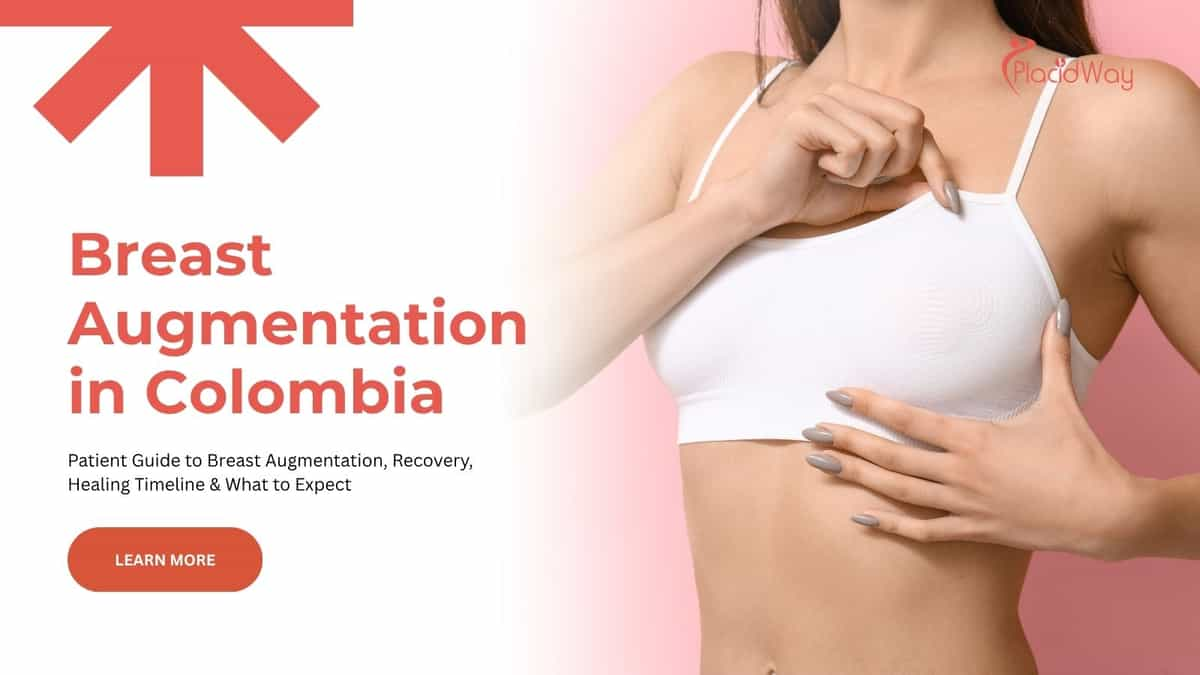
Many patients seeking quality cosmetic procedures travel across the globe to find experienced surgeons and transparent medical care. Deciding to undergo breast augmentation in Colombia involves understanding your procedure options and thoroughly reviewing surgeon credentials before booking your trip. This guide helps you navigate the entire journey by explaining estimated costs and identifying which local medical licenses you must verify to ensure a safe and successful experience.
Quick Summary of Your Treatment Journey
- Estimated treatment costs range from $3500 to $5500 USD depending on the implant type and facility.
- Patients must verify that clinics hold licenses from the Ministry of Health and Social Protection.
- Surgeons should be board certified and registered with the Sociedad Colombiana de Cirugía Plástica Estética y Reconstructiva.
- The ideal candidate is in good general health with realistic expectations regarding breast shape and volume.
- Most patients require one to two weeks of initial recovery before safely flying back to their home country.
- Always request a transparent written quote to avoid hidden fees related to anesthesia or surgical garments.
Understanding the Breast Augmentation Procedure
Breast augmentation is a surgical procedure designed to increase the size and enhance the shape of your breasts. Surgeons place implants either under the breast tissue or beneath the chest muscle to achieve your desired aesthetic outcome. This procedure addresses volume loss from weight changes or pregnancy and provides structural balance to your body.
During your initial consultation your doctor will evaluate your natural anatomy and discuss realistic volume goals. Medical professionals use specific measurements to ensure the chosen implants fit safely within your existing tissue. Understanding the biological limitations of your skin elasticity helps you make an informed decision about implant size.
Potential Benefits
- Restores lost breast volume
- Improves body proportion
- Offers customizable shapes
- Provides long lasting results
Surgical Considerations
- Requires general anesthesia
- Involves a structured recovery
- Implants may require future replacement
- Leaves a permanent discreet scar
Primary Reasons International Patients Choose This Destination
Patients travel from North America and Europe to access experienced cosmetic surgeons operating in highly regulated medical environments. The national healthcare ecosystem prioritizes specialized surgical training and modern clinical facilities. You can receive personalized care from bilingual medical teams dedicated to international patient safety.
The combination of comprehensive surgical packages and attentive post operative care attracts thousands of medical tourists annually. Clinics often integrate transportation coordination and recovery accommodations directly into your treatment plan. This streamlined approach minimizes travel stress while maintaining strict clinical standards.
Recent Patient Demographics and Travel Trends
Current healthcare travel data indicates that women between the ages of eighteen and thirty four represent the largest segment seeking cosmetic enhancements abroad. These patients actively research global safety standards and specific surgeon credentials before finalizing their travel plans. Detailed online reviews and accessible digital consultations have made global medical evaluation much easier for prospective patients.
Another significant demographic includes women in their late thirties and forties seeking structural restoration after pregnancy. This group often prioritizes specialized clinics that offer comprehensive recovery programs and overnight medical supervision. The focus remains heavily on achieving natural looking outcomes while adhering to strict safety protocols.
Comparing the Estimated Cost of Treatment
The total investment for your procedure relies heavily on your geographical location and the specific medical devices used. International patients often discover that treatment abroad provides comprehensive surgical care at a lower financial threshold compared to their domestic markets. These favorable economics stem from differences in operational costs rather than a reduction in clinical quality.
You must evaluate whether the quoted price represents a surgical fee alone or a fully inclusive package. Many reputable clinics offer transparent pricing that covers the surgical facility medical staff and necessary postoperative garments. Always request a written estimate to properly compare your international options against domestic healthcare providers.
| Country | Estimated Minimum Cost USD | Estimated Maximum Cost USD |
|---|---|---|
| United States | $6500 | $12000 |
| Canada | $7000 | $10500 |
| United Kingdom | $6000 | $9500 |
| Colombia | $3500 | $5500 |
Itemized Cost Breakdown and Hidden Fees
Understanding exactly what your payment covers prevents unexpected financial stress during your medical journey. A standard comprehensive surgical quote should clearly identify the costs associated with the primary surgeon the anesthesiologist and the use of the operating room. Ensure the estimate explicitly states which specific brand and type of medical device the clinic will implant.
Some initial quotes omit essential services necessary for a safe recovery. You must verify if preoperative blood tests electrocardiograms and prescription medications fall under the quoted package. Clarifying these details in advance allows you to budget accurately for your entire stay.
Warning About Advertised Prices
Extremely low promotional prices often exclude the cost of the implants anesthesia fees or overnight hospital stays. Always ask your prospective clinic to provide an itemized list of all included and excluded services before paying any deposit.
Government Licenses and Quality Credentials
Selecting a secure medical facility begins by verifying its legal operational status within the local healthcare system. The Ministry of Health and Social Protection regulates all clinical environments ensuring they meet national sanitation and emergency response standards. Licensed facilities undergo regular inspections by regional health departments known as the Secretaría Seccional de Salud.
In addition to facility licensing the medical devices themselves must hold approval from the national regulatory authority. The National Food and Drug Surveillance Institute evaluates and approves all implants used within the country similar to the FDA process. Confirming these credentials guarantees your surgery takes place in a monitored and regulated environment.
| Regulatory Body | Role in Patient Safety |
|---|---|
| Ministry of Health | Establishes national healthcare standards and clinical protocols |
| Regional Health Departments | Conducts direct inspections and enforces facility compliance |
| INVIMA | Regulates and approves the safety of medical implants and medications |
Selecting a Qualified and Board Certified Surgeon
The expertise of your primary physician heavily influences the safety and aesthetic outcome of your procedure. You should seek a specialist recognized by the national medical council who has completed verified residency training in plastic and reconstructive surgery. Board certification demonstrates that the doctor has passed rigorous examinations specific to their field.
The most prominent professional organization to look for is the Sociedad Colombiana de Cirugía Plástica Estética y Reconstructiva. Membership in this society indicates that the surgeon upholds ethical standards and engages in continuous medical education. Reviewing their past clinical outcomes and patient communication style further ensures they align with your health goals.
Doctor Vetting Checklist
- Verify active medical license with the national medical council.
- Confirm membership in the recognized national plastic surgery society.
- Ask about their specific annual case volume for this procedure.
- Request details on their emergency complication management protocol.
- Review their policy regarding potential revision surgeries.
Types of Implants Approved for Use
Your surgeon will help you choose between different filler materials based on your anatomical needs and aesthetic goals. Silicone gel devices remain the most common choice due to their natural texture and close resemblance to human tissue. Modern cohesive gel variations maintain their shape effectively even if the outer shell becomes compromised over time.
Saline alternatives feature a silicone shell filled with sterile saltwater which the surgeon expands during the operation. This option allows for smaller surgical incisions and provides immediate visual confirmation if the shell deflates safely absorbing the fluid into the body. Your doctor will explain how your natural breast tissue thickness impacts the performance of each type.
| Implant Type | Clinical Characteristics | Patient Sensation |
|---|---|---|
| Cohesive Silicone Gel | Maintains internal structure if ruptured requires larger incisions | Closely mimics natural breast tissue |
| Standard Saline | Filled during surgery allows for smaller incisions harmless if ruptured | May feel slightly firmer than natural tissue |
Surgical Incisions and Placement Options
Surgeons utilize different incision locations to minimize visible scarring while ensuring precise device placement. The inframammary approach located in the crease beneath the breast remains highly popular as it provides excellent visibility during surgery. The periareolar approach places the incision along the edge of the areola allowing the scar to blend with the natural skin transition.
Once the surgeon creates the entry point they must decide whether to place the device subglandularly or submuscularly. Placing it behind the chest muscle provides more soft tissue coverage which reduces the risk of visible rippling in thinner patients. Discussing these specific anatomical strategies with your doctor ensures a customized surgical plan.
Clinical Insight
Your doctor may recommend submuscular placement if you have limited natural breast tissue. This technique often involves a slightly longer recovery period as the chest muscle adapts to the new volume but it typically results in a smoother aesthetic contour.
Preparing for Your Procedure Abroad
Successful surgical outcomes require dedicated preparation starting several weeks before your departure date. Your clinical team will request a comprehensive medical history including any current medications that could increase bleeding risks. You will likely need to pause certain supplements and anti inflammatory medications well before your scheduled operation.
Planning your physical environment for recovery is just as crucial as medical preparation. Secure comfortable accommodations near the clinic and arrange for a responsible adult or professional medical service to assist you during the first forty eight hours. Organizing these logistics in advance significantly reduces preoperative anxiety.
Preoperative Planning Timeline
- Four Weeks Prior: Complete medical evaluations blood tests and pause restricted medications.
- Two Weeks Prior: Finalize flight itineraries secure local accommodations and arrange airport transfers.
- One Week Prior: Hydrate adequately avoid alcohol and gather necessary post surgical garments.
- One Day Prior: Fast from food and water as directed by your anesthesiologist.
The Surgery Day Process
Arriving at the clinic on time allows the nursing staff to complete vital sign checks and prepare you for the operating room comfortably. Your surgeon will conduct a final preoperative marking session drawing clinical guidelines directly on your skin to map out the procedure. This is your final opportunity to ask any immediate questions before the anesthesia takes effect.
Once inside the surgical suite the anesthesiologist administers medication to ensure you remain completely unconscious and pain free. The surgical team follows strict sterilization protocols maintaining a highly controlled environment throughout the one to two hour operation. After the procedure you will transition to a dedicated recovery room where nurses monitor your initial awakening.
Step by Step Clinical Flow
- Patient registration and final consent document review.
- Preoperative consultation and surgical site marking.
- Administration of general anesthesia by a certified specialist.
- Execution of the surgical plan and implant placement.
- Transfer to the postoperative recovery area for vital sign monitoring.
Structured Recovery Timeline and Expectations
Your body initiates the healing process immediately following the operation resulting in temporary swelling tightness and mild discomfort. During the first few days you must wear a specialized medical support garment to stabilize the devices and minimize fluid retention. Your surgeon will prescribe pain management medications to ensure you remain comfortable during this acute healing phase.
As the weeks progress the initial tightness subsides and the implants gradually settle into their final natural position. You must limit strenuous physical activities specifically avoiding heavy lifting or rigorous upper body exercises. Following your doctors precise activity guidelines prevents wound separation and ensures optimal long term aesthetic results.
| Timeframe | Biological Process | Patient Sensation | Activity Level | Action Required |
|---|---|---|---|---|
| Days 1 to 3 | Acute tissue healing and initial swelling | Tightness soreness and fatigue | Strict bed rest with light walking | Take prescribed medications and wear support garment |
| Weeks 1 to 2 | Reduction of major swelling and incision closure | Decreasing discomfort mild itching | Return to light desk work avoid lifting | Attend follow up clinic visits for incision checks |
| Weeks 3 to 4 | Implants begin settling into position | Noticeable softening of the tissue | Moderate daily activity light cardio | Continue wearing approved supportive bras |
| Weeks 6 to 8 | Deep tissue stabilization completes | Near normal sensation restored | Gradual return to all normal exercises | Clearance from surgeon for unrestricted activity |
Recognizing and Managing Potential Surgical Risks
Every invasive medical procedure carries inherent biological risks that patients must carefully weigh against the potential aesthetic benefits. General surgical complications include the possibility of localized infection poor wound healing or adverse reactions to anesthesia. Selecting an accredited facility with strict sterilization protocols minimizes these environmental risks significantly.
Procedure specific complications may involve capsular contracture where the body forms unusually hard scar tissue tightly around the device. In some instances patients may experience temporary or permanent changes in nipple sensation. Discussing your personal medical history with your doctor helps identify any unique risk factors before you commit to surgery.
Emergency Warning Signs
You must contact your clinical team immediately if you experience sudden severe chest pain shortness of breath uncontrolled bleeding or an unexpected high fever during your recovery period.
Protecting Your Investment with Long Term Aftercare
Achieving a safe outcome extends far beyond the initial recovery weeks requiring your commitment to lifelong breast health. You should schedule routine clinical examinations to monitor the integrity of the implants and the health of the surrounding tissue. Although modern devices demonstrate high durability they are not lifetime devices and may require future exchange.
International patients must establish a clear plan for long term follow up care with a local physician in their home country. Many global clinics now offer digital consultations allowing your original surgeon to monitor your progress virtually. Adhering to regular mammogram schedules and self examinations remains vital for your ongoing well being.
Important Health Takeaway
Diagnostic imaging protocols may change after surgery. Always inform your radiologist about your specific implant type and placement so they can utilize specialized techniques during routine breast cancer screenings.
Essential Visa and Travel Logistics
Planning an international medical trip requires careful attention to immigration entry laws and general travel health guidelines. Many foreign nationals can enter the country without a complex visa application utilizing a standard tourist entry permit for their clinical stay. You must ensure your passport holds validity for at least six months beyond your planned departure date.
Flying shortly after major surgery introduces biological risks such as deep vein thrombosis due to changes in cabin pressure and prolonged immobility. Surgeons typically mandate that patients remain in the destination country for ten to fourteen days post operation. Securing travel medical insurance that specifically covers complications from elective surgery provides essential peace of mind.
| Travel Requirement | Patient Guideline |
|---|---|
| Passport Validity | Must be valid for minimum six months past entry date |
| Flight Timeline | Avoid flying for minimum 10 to 14 days post surgery |
| Medical Records | Carry printed physical copies of all clinical clearances |
| Insurance | Verify policy covers elective cross border medical complications |
Frequently Asked Questions
Am I an ideal candidate for this procedure?
The ideal candidate is an adult in strong physical health who maintains realistic expectations about surgical outcomes. Your doctor will evaluate your medical history skin elasticity and personal goals to determine if this operation aligns with your body structure safely.
How long should I plan to stay abroad for my surgery?
Doctors typically recommend planning a stay of twelve to fourteen days. This timeline allows your medical team to remove sutures monitor your initial acute healing phase and clear you for safe air travel without increasing the risk of blood clots.
Will the implants feel like natural breast tissue?
Modern cohesive silicone gel devices closely replicate the weight and texture of natural tissue. The physical sensation also depends heavily on how much natural breast tissue you currently have covering the device and whether it sits below the muscle.
What happens if I experience a complication after returning home?
Reputable clinics provide detailed discharge summaries and digital follow up protocols. You should establish a relationship with a local primary care doctor before traveling who can assist with any minor wound care or immediate evaluations upon your return.
Do I need to replace my implants after ten years?
Modern devices do not strictly expire at the ten year mark but the risk of shell rupture or capsular contracture increases over time. Your doctor may recommend MRI screenings a few years after placement to verify the structural integrity of the device.
How soon can I return to heavy lifting and the gym?
Most patients receive clearance for light cardiovascular exercise around four weeks post surgery. You must strictly avoid heavy upper body lifting and intense chest exercises for at least six to eight weeks depending on your surgeons specific clinical assessment.
What is the most painful part of the recovery process?
Patients typically report that the first forty eight hours involve the highest level of tightness and muscle soreness particularly if the device sits below the chest muscle. Prescribed pain relievers effectively manage this acute discomfort during the initial resting phase.
Can this surgery affect future breastfeeding capability?
Many women successfully breastfeed after the procedure. However incisions made around the areola carry a slightly higher risk of disrupting milk ducts or nerves compared to incisions placed in the lower breast crease.
Are there financing options available for international medical care?
While some specialized medical tourism agencies offer payment plans most international clinics require direct payment via credit card or wire transfer before surgery. You should verify exact payment schedules and acceptable currency formats directly with your chosen provider.
How do I verify if my chosen clinic is actually licensed?
You can request the clinics health registration number and verify it through the official portal of the Ministry of Health and Social Protection. Additionally confirm that your primary surgeon holds active membership in the national plastic surgery society.
Take the Next Step in Your Medical Journey
PlacidWay can help you compare vetted providers understand exact treatment costs ask the right clinical questions and review all available options to ensure you make a confident healthcare decision.
Important Educational Notice
Disclaimer: This information is for educational purposes only and does not replace professional medical advice. Always consult a qualified healthcare provider before making medical decisions.
References
- ISAPS Global Survey Preliminary Results – International Society of Aesthetic Plastic Surgery
- Breast Augmentation Safety and Risks – American Society of Plastic Surgeons
- Special Registry of Health Service Providers – Ministry of Health and Social Protection Colombia
- Safe Surgery Recommendations for Patients – Sociedad Colombiana de Cirugía Plástica
- Medical Device Safety and Surveillance – INVIMA National Food and Drug Surveillance Institute
- Clinical Outcomes and Complications in Breast Augmentation 2024 Update – PubMed National Library of Medicine




















Share this listing