


Loose skin around your jawline or neck may make you look more tired than you feel, but the price of surgery close to home can be difficult to justify. When you ask how much facelift surgery costs in Tijuana, Mexico, current PlacidWay marketplace estimates generally begin near $3,500 for limited procedures and can reach about $12,000 for a deep-plane facelift. The safer comparison is not price alone: verify a current COFEPRIS surgical-facility license, your surgeon’s specialist cédula and current plastic-surgery board certification before paying a deposit.

Quick Summary
- Estimated cost: about $3,500–$6,500 for a mini facelift, $5,000–$8,600 for many standard facelift packages, and around $12,000 for some deep-plane procedures.
- What it treats: sagging cheeks, jowls, loose lower-face skin, and neck laxity when a neck lift is included.
- Typical recovery: visible bruising and swelling often improve over two to three weeks, while residual swelling and scars continue maturing for several months.
- Facility check: ask for the current COFEPRIS license authorizing surgical procedures and confirm where emergency care, laboratory, pharmacy, blood services, and ambulance support are provided.
- Surgeon check: verify the physician and specialty cédulas through Mexico’s Dirección General de Profesiones and confirm current certification through the Mexican plastic-surgery specialty board.
- Travel caution: do not treat recovery as a vacation, and arrange written aftercare and emergency plans before crossing the border.
- Important limitation: a facelift does not erase sun damage, pigmentation, or every fine line, and it cannot stop future aging.
What can facelift surgery in Tijuana improve?
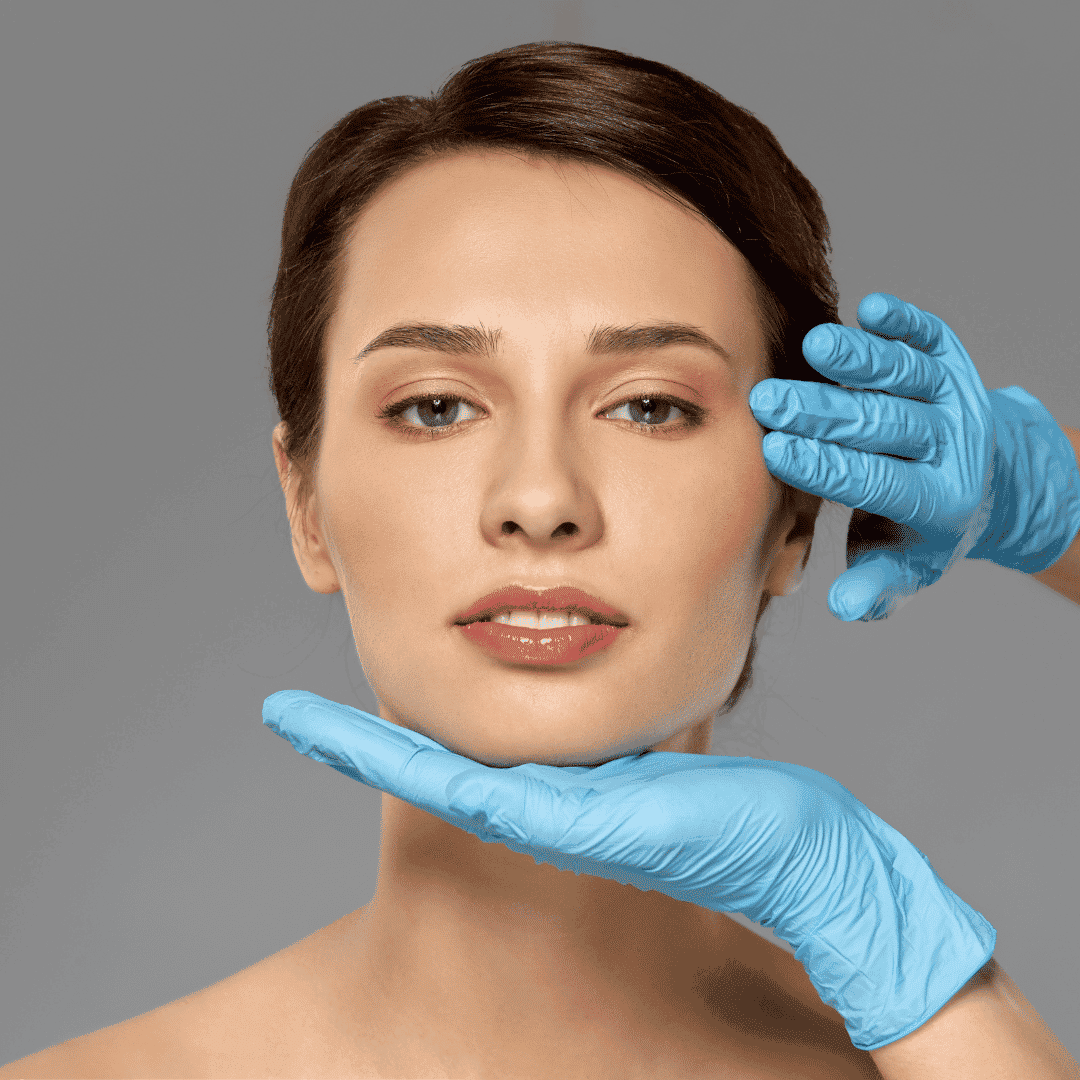
A facelift, medically called a rhytidectomy, repositions facial tissues and removes selected excess skin to improve sagging in the cheeks, lower face, and jawline. Many patients also need a neck lift because jowls and neck laxity often develop together. The operation should refresh your contours rather than change your identity or create a tightly pulled appearance.
People commonly travel to Tijuana from the United States and Canada because the city is close to Southern California and offers private surgical packages at lower prices than many North American metropolitan areas. Cost and proximity are practical reasons, but neither proves quality. Your decision should depend on your anatomy, health, surgeon qualifications, licensed operating environment, and continuity of care after you return home.
Facelift surgery may address
- Sagging cheeks and lower-face tissues
- Jowls that soften the jawline
- Deep folds beside the nose and mouth
- Loose neck skin when combined with neck lifting
- Facial laxity after aging or substantial weight loss
Facelift surgery does not directly correct
- Fine surface wrinkles and rough skin texture
- Brown spots, redness, or sun damage
- Upper-eyelid skin or under-eye bags
- Loss of facial volume in every area
- The natural aging process after surgery
Which facelift techniques are offered in Tijuana, Mexico?
The right technique depends on where your tissues have descended, how much skin laxity you have, previous facial procedures, scar placement, and your surgeon’s training. Terms such as “mini,” “SMAS,” and “deep plane” describe different operative approaches, but marketing labels are not a substitute for an individualized surgical plan.
| Technique | Main treatment area | Typical incision or tissue approach | Important question to ask |
|---|---|---|---|
| Mini or limited-incision facelift | Mild to moderate lower-face and jawline laxity | Shorter incisions around the ear with a more limited dissection | Will this adequately treat my neck and midface, or only my jawline? |
| SMAS facelift | Lower face, jowls, and selected midface tissues | The superficial musculoaponeurotic system is tightened or repositioned beneath the skin | Which SMAS method do you use, and how often do you perform it? |
| Deep-plane facelift | Midface, lower face, jowls, and deep folds | Deeper tissue planes and retaining ligaments are released and repositioned as a unit | What specific training and case volume do you have with this technique? |
| Midface lift | Cheeks and the area below the eyes | Cheek tissues are elevated through technique-specific incisions | Would fat grafting, eyelid surgery, or a different lift better match my concern? |
| Facelift with neck lift | Lower face, jawline, loose neck skin, and neck bands | Facelift incisions may be combined with an incision under the chin | Does the quote include platysma treatment, neck liposuction, or both? |
Decision tip: A more extensive technique is not automatically better. Ask the surgeon to show how the proposed operation addresses your specific anatomy, where scars will sit, what alternatives exist, and which trade-offs apply to recovery and risk.
Who may be a suitable candidate for a facelift in Tijuana?
A suitable candidate generally has facial or neck laxity that cannot be corrected adequately with skin care or minimally invasive treatments, is healthy enough for anesthesia and surgery, does not smoke or use nicotine, and understands what the operation can realistically achieve. Candidacy is based more on anatomy, health, and expectations than on a particular birthday.
Your surgeon should review your medical history, medicines and supplements, allergies, previous operations, bleeding or clotting history, cardiovascular and lung health, diabetes control, skin condition, and nicotine use. A virtual consultation can begin the discussion, but it should not replace an in-person examination before final consent.
Signs you may be ready to consult
- Your main concern is tissue sagging, not only skin texture.
- You accept visible recovery and permanent scars.
- You can stay locally for follow-up.
- You have a responsible adult to assist you.
- You can arrange follow-up after returning home.
Reasons surgery may need postponement
- Uncontrolled medical conditions or active infection
- Current smoking, vaping, or other nicotine exposure
- Unstable weight or recent major weight loss
- Unrealistic expectations or outside pressure
- No safe aftercare, emergency, or travel plan
How much does facelift surgery cost in Tijuana, Mexico?
Current PlacidWay marketplace listings reviewed in July 2026 place many facelift options in Tijuana between about $3,500 and $12,000, depending on the technique and package. These are planning estimates, not guaranteed quotes. Your anatomy, operating time, anesthesia, facility level, combined procedures, overnight monitoring, and recovery support can materially change the total.
The latest American Society of Plastic Surgeons cost page reports an average U.S. facelift cost of $11,395, but that figure excludes anesthesia, operating-room facilities, and related expenses. A Tijuana package may include some of those items, so compare line by line rather than treating two headline prices as equivalent.
| Procedure | Tijuana planning range | Usually needs clarification | Best use of the estimate |
|---|---|---|---|
| Mini facelift | $3,500–$6,500 | Extent of neck treatment, anesthesia, and facility fee | Budgeting for mild to moderate lower-face correction |
| Standard or full facelift | $5,000–$8,600 | SMAS work, neck component, overnight stay, and follow-ups | Comparing comprehensive lower-face packages |
| Neck lift | $4,000–$7,500 | Platysma repair, liposuction, skin removal, and chin incision | Planning when neck laxity is the primary concern |
| Deep-plane facelift | Around $12,000 in current listed packages | Surgeon-specific technique, neck work, lodging, and revision terms | Initial planning for a technically specialized operation |
What should an itemized facelift quote include?
Surgeon, assistant, anesthesiologist, operating room, implants or special supplies if used
Laboratory work, medical clearance, prescriptions, dressings, and compression items
Overnight monitoring, nursing, lodging, meals, local transport, and interpreter support
Follow-up visits, drain or suture removal, remote reviews, complication care, and revision policy
Budget warning: Airfare, border transport, extra hotel nights, caregiver expenses, treatment for complications, medical evacuation, and follow-up at home may be excluded. Ask whether elective cosmetic-surgery complications are covered by your insurance; many standard travel policies exclude them.
How do you choose a licensed facelift facility in Tijuana?
A surgical facelift should take place in a facility legally authorized for surgical procedures, not in a consultation room, spa, or office that only has a general notice of operation. Mexico’s health regulator, COFEPRIS, states that facilities performing aesthetic surgery need current legal and technical documentation, appropriate infrastructure, qualified staff, and systems for managing emergencies.
Ask the provider to send readable copies of licenses before you travel and show the originals when you arrive. The name and address on the documents should match the exact facility where surgery will occur. A polished website, social-media following, or bilingual coordinator does not establish regulatory compliance.
| Facility evidence | What to request? | Why it matters? | Red flag |
|---|---|---|---|
| COFEPRIS surgical license | Current license permitting surgical procedures and responsible-health-officer information | Confirms the facility is authorized for operations | Only an “aviso de funcionamiento” is shown for a surgical center |
| Emergency capability | Written transfer agreement, ambulance arrangement, emergency contact, and receiving hospital | A facelift can require urgent evaluation for bleeding, breathing problems, or other complications | No named receiving hospital or transfer plan |
| Anesthesia and monitoring | Anesthesiologist credentials, monitoring equipment, recovery area, and overnight criteria | Anesthesia risks require trained staff and appropriate monitoring | Anesthesia provider is unnamed before payment |
| Laboratory, pharmacy, and blood support | On-site licenses or documented agreements with authorized services, as applicable | Supports safe medication handling, testing, and emergency response | Vague claims that “everything is available” without documentation |
| CSG certification | Current listing in the Consejo de Salubridad General directory, when claimed | Provides an additional national quality and patient-safety signal | A logo is displayed but the facility is absent from the current directory |
International accreditation, such as JCI, can provide another quality signal, but it is not legally required for every safe Mexican facility. National licensing and qualified specialists come first. Do not assume a facility is unsafe only because it lacks international accreditation, and do not assume it is safe solely because it displays an international logo.
How do you verify a facelift surgeon in Tijuana?
You should verify both legal authority to practise and current specialty certification. In Mexico, search the surgeon’s full legal name in the Dirección General de Profesiones registry and confirm a medical cédula plus a specialty cédula in plastic, aesthetic, and reconstructive surgery. Then confirm current certification through the Consejo Mexicano de Cirugía Plástica, Estética y Reconstructiva or the corresponding CONACEM directory.
A master’s degree, short cosmetic course, general medical license, or title containing the word “aesthetic” is not equivalent to a surgical plastic-surgery specialty. COFEPRIS has specifically warned that a master’s degree in aesthetic surgery does not by itself authorize a physician to perform specialist plastic and reconstructive operations.
- Ask for the exact legal name. Names on the quote, medical records, cédulas, board certificate, and consent form should match.
- Verify both cédulas. Confirm general medical education and the surgical specialty, not only one registration.
- Confirm current board status. Check whether certification is active and whether the surgeon is listed under the correct specialty.
- Review procedure-specific experience. Ask how many facelifts and your proposed technique the surgeon performs each year.
- Request consistent before-and-after photographs. Look for similar anatomy, standardized lighting, multiple angles, and healed results.
- Discuss complications and revisions. Ask who pays, who treats you, and what happens after you return home.
- Verify the anesthesia professional. Ask for the anesthesiologist’s full name, cédula, role, and availability before surgery day.
Practical test: A trustworthy team should answer credential questions without defensiveness. Pressure to pay quickly, refusal to provide license documents, changing surgeon names, or guarantees of a complication-free result are reasons to pause.
What happens before and during facelift surgery in Tijuana?
Your preparation should begin with a detailed consultation and medical screening. The surgeon may request laboratory tests, primary-care or specialist clearance, photographs, and a review of medicines and supplements. Never stop blood thinners, diabetes medicine, blood-pressure medicine, or any prescription without instructions from the prescribing clinician and surgical team.
On surgery day, the surgeon should examine you again, confirm the plan, mark the operative areas, review consent, and answer remaining questions. Facelift surgery may use intravenous sedation with local anesthesia or general anesthesia, depending on the operation and your health. A typical procedure can take several hours, especially when a neck lift, eyelid surgery, fat grafting, or other treatment is added.
| Stage | What usually happens? | Your action |
|---|---|---|
| Remote review | Medical history, goals, photographs, preliminary technique, and estimated quote | Disclose all conditions, medicines, nicotine, prior fillers, threads, and surgeries |
| Preoperative testing | Laboratory work and additional testing based on age, health, and anesthesia plan | Send complete records and ask who reviews abnormal results |
| In-person examination | Skin quality, facial asymmetry, scars, hairline, tissue laxity, and neck anatomy are assessed | Confirm the plan before final payment and consent |
| Operation | Incisions are made, deeper tissues are repositioned, excess skin is removed, and wounds are closed | Ensure your caregiver has contact details and discharge instructions |
| Recovery monitoring | Staff monitor bleeding, breathing, pain, blood pressure, nausea, and alertness | Do not leave until discharge criteria are met and a responsible adult is present |
Combined-procedure caution: Adding more operations increases anesthesia time, recovery burden, and complication exposure. Ask the surgeon to explain why each added procedure is necessary and whether staging treatments would be safer.
What is the facelift recovery timeline in Tijuana?
Most patients need close support during the first days and should plan to remain near the surgical team until the surgeon confirms that travel is appropriate. Swelling, bruising, tightness, temporary numbness, and mild to moderate discomfort are expected, but sudden severe symptoms are not.
| Timeframe | Biological or clinical process | Common patient sensation | Activity level | Action required |
|---|---|---|---|---|
| First 24 hours | Early bleeding and anesthesia-related issues are monitored | Tightness, grogginess, swelling, drainage, and numbness | Assisted walking only; rest with head elevated | Follow medication, wound, drain, hydration, and emergency instructions |
| Days 2–4 | Inflammation and bruising may become more visible | Facial fullness, stiffness, tenderness, and fatigue | Short indoor walks and basic self-care with help | Attend the scheduled review and report worsening asymmetry or pain |
| Days 5–10 | Bruising begins changing colour; drains or selected sutures may be removed | Itching, numbness, mild pulling, and reduced swelling | Light walking; no lifting, bending, or strenuous activity | Obtain written clearance before air or long-distance ground travel |
| Weeks 2–3 | Visible bruising often improves; tissues remain swollen and fragile | Residual tightness, numb patches, and uneven swelling | Many patients resume desk work and quiet social activity | Protect incisions and follow instructions about hair care, makeup, and sleeping position |
| Weeks 4–6 | Tissue strength improves, but deeper healing continues | Intermittent firmness, tingling, and mild swelling | Gradual return to exercise only when cleared | Continue scar and sun-protection instructions |
| Three to six months | Residual swelling settles and scars continue maturing | Improved comfort with occasional numbness or firmness | Normal activity for most patients, subject to medical advice | Complete scheduled photo reviews and discuss persistent concerns |
Your timeline may be longer after a deep-plane facelift, combined procedures, revision surgery, smoking exposure, poor nutrition, infection, hematoma, or delayed wound healing. Do not schedule important events based on the earliest possible recovery estimate.
What risks and warning signs follow facelift surgery?
Every facelift carries risks regardless of country or surgeon. Potential complications include bleeding or hematoma, infection, anesthesia problems, fluid accumulation, poor wound healing, skin loss, visible or widened scars, prolonged swelling, pain, numbness, asymmetry, hair loss near incisions, facial nerve weakness, blood clots, and an outcome that does not meet expectations.
Risk can be reduced but not eliminated. Choosing a qualified specialist and licensed facility, disclosing your full history, avoiding nicotine, following medication instructions, limiting combined procedures, and staying for appropriate follow-up all matter.
| Possible problem | What you may notice? | Risk-reduction discussion |
|---|---|---|
| Hematoma or bleeding | Rapid one-sided swelling, severe pain, firmness, or pressure | Blood-pressure control, medicine review, monitoring, and emergency access |
| Infection | Increasing redness, warmth, pus, fever, or worsening pain | Sterile practice, wound care, prompt assessment, and culture when indicated |
| Skin or wound-healing problem | Darkening skin, blistering, wound separation, or tissue breakdown | Nicotine cessation, careful tension management, and early review |
| Nerve injury | New facial weakness, altered smile, or persistent sensory change | Procedure-specific surgeon experience and prompt neurological assessment |
| Blood clot or pulmonary embolism | Leg swelling or pain, sudden shortness of breath, chest pain, fainting, or coughing blood | Individual clot-risk assessment, early movement, and prevention plan when indicated |
Seek urgent medical help
Contact the surgical team immediately for rapid one-sided facial or neck swelling, severe pain, worsening bleeding, fever, spreading redness, pus, wound opening, or new facial weakness. Call emergency services for shortness of breath, chest pain, fainting, coughing blood, severe allergic symptoms, or an irregular heartbeat. Do not cross the border or board a flight while delaying evaluation.
Who travels to Mexico for facelift and facial surgery?
Official city-level demographic data for facelift patients in Tijuana are limited. The latest ISAPS survey provides broader national and global context: responding Mexican plastic-surgery practices reported the United States, Canada, and Colombia as their three most frequently cited sources of foreign patients. The same survey estimated that foreign patients represented a median of 12% and an average of 23.4% across responding practices in Mexico; these are survey estimates, not immigration or national patient-registry counts.
Globally, ISAPS estimated 737,028 facelifts in 2024, up 7.4% from 2023 and 75.9% from 2020. Women represented 83.2% and men 16.8% of reported facelift procedures. Public datasets do not provide a reliable facelift-specific age distribution for Tijuana, so age-based claims should be treated cautiously. In practice, your facial anatomy, health, nicotine status, goals, and recovery resources matter more than age alone.
Worldwide facelift procedure trend
ISAPS estimates for procedures performed by plastic surgeons: 2020, 2023, and 2024.
Mexico face-and-head procedure-volume histogram
Estimated 2024 procedures reported by ISAPS for Mexico. These are national totals, not Tijuana-only volumes.
How should you plan travel and aftercare for Tijuana?
Build the trip around medical care, not tourism. The CDC advises medical travellers to consult their regular clinician before travel, understand infection and blood-clot risks, obtain copies of medical records, coordinate follow-up at home, and avoid strenuous activities, alcohol, swimming, sunbathing, and long tours during early recovery.
The U.S. State Department’s advisory issued May 29, 2026 lists Mexico overall at Level 2, while Baja California is identified at Level 3, “Reconsider travel,” because of terrorism, crime, and kidnapping concerns. It notes no additional restrictions for U.S. government employees in Tijuana, but advises travellers to remain on main highways and avoid remote locations. Advisories can change, so review the current state-specific guidance immediately before departure.
| Planning point | Before travel | Before returning home |
|---|---|---|
| Documents | Confirm passport, land-entry permit, medication documents, and caregiver identification requirements | Carry operative report, medicine list, implant or product details, laboratory results, and emergency contacts |
| Local movement | Arrange vetted transport between the border, facility, and recovery lodging | Avoid driving yourself and minimize unnecessary travel during early recovery |
| Length of stay | Reserve flexible lodging and ask the surgeon for a minimum local-stay plan | Leave only after examination and written travel clearance |
| Home follow-up | Identify a clinician willing to assess you after return and clarify likely costs | Schedule remote surgeon reviews and provide records to your local clinician |
| Emergency plan | Know the receiving hospital, ambulance arrangement, emergency number, and payment process | Know where to seek urgent care near home and when not to wait for a video consultation |
Border document reminder for U.S. travellers: A passport book or passport card can be used for land entry into Mexico, while international air travel requires a passport book. Entry-permit and re-entry rules should be rechecked before departure because requirements can change.
What should you ask before booking facelift surgery?
The best consultation leaves you with specific, verifiable answers. Send the same questions to each provider so you can compare like with like, and ask for important answers in writing.
What are the surgeon’s general and specialty cédula numbers? Is CMCPER certification current?
What is the current COFEPRIS surgical-license number for the exact operating location?
Which facelift approach is recommended for my anatomy, and what will it not improve?
Who will provide anesthesia, what are their credentials, and where will I recover?
Which fees, tests, medicines, lodging, transport, follow-ups, and complication costs are included?
Which hospital receives transfers, who arranges transport, and who pays?
How long must I remain in Tijuana, and what findings would delay travel?
Who answers after hours, how many follow-ups are included, and how are records transferred?
What qualifies for revision, how long is the policy valid, and which expenses remain mine?
Final decision rule: Do not choose a surgeon because one quote is cheapest or because a coordinator is persuasive. Choose only after credentials, facility authorization, operative plan, emergency arrangements, total cost, and follow-up responsibilities are clear.
Frequently Asked Questions
Is facelift surgery in Tijuana, Mexico safe?
It may be performed safely when you are an appropriate candidate, the surgeon has verified specialty credentials, the facility holds a current COFEPRIS surgical license, and aftercare is properly arranged. Location alone does not determine safety, and no provider can guarantee a complication-free result.
How much is a full facelift in Tijuana in 2026?
Many current marketplace listings fall near $5,000–$8,600 for a standard or full facelift, while technically specialized deep-plane packages may be around $12,000. Your written quote should state whether anesthesia, facility fees, neck treatment, tests, lodging, medicines, and follow-ups are included.
How can I verify a plastic surgeon in Tijuana?
Search the surgeon’s full legal name in Mexico’s Dirección General de Profesiones registry and confirm both a medical cédula and a specialty cédula. Then verify current certification with the Consejo Mexicano de Cirugía Plástica, Estética y Reconstructiva or the related CONACEM directory.
How long should I stay in Tijuana after a facelift?
Your surgeon should set the stay according to the technique, combined procedures, drains, wound condition, and travel method. Many patients need at least one week nearby, and some need longer. Do not leave solely because a package’s hotel allowance has ended.
When can I fly after facelift surgery in Mexico?
The CDC Yellow Book notes that the American Society of Plastic Surgeons recommends waiting about 7–10 days after cosmetic procedures involving the face, eyelids, or nose before flying. Your surgeon may advise longer based on swelling, bleeding risk, combined surgery, and your clot-risk profile.
Is a deep-plane facelift better than a SMAS facelift?
Neither technique is automatically best for every patient. Deep-plane and SMAS approaches treat deeper tissues in different ways, and outcomes depend on anatomy, surgeon training, judgment, and execution. Ask why the proposed method fits your face and what alternatives would achieve similar goals.
Will a facelift remove wrinkles around my eyes and mouth?
A facelift mainly repositions sagging facial and neck tissues. It may soften some folds, but it does not directly treat every fine line, eyelid problem, pigment change, or sun-damaged area. Your surgeon may discuss separate eyelid, resurfacing, injectable, or skin-care options.
Are facelift results permanent?
The structural changes are long-lasting, but no facelift stops aging. Skin quality, genetics, sun exposure, weight changes, nicotine use, and the chosen technique influence how results evolve. Be cautious with promises that a facelift is permanent for a fixed number of years.
What should an all-inclusive facelift package contain?
A clear package should itemize surgeon, anesthesia, facility, tests, medicines, dressings, overnight monitoring, local transportation, lodging, follow-ups, and coordinator support. It should also identify exclusions, emergency costs, revision terms, extra-night charges, and who manages complications after you return home.
What happens if I have a complication after returning to the United States or Canada?
You may need local urgent or specialist care, which can be expensive and may not be covered. Before travel, arrange record transfer, identify a clinician willing to assess you, understand the overseas provider’s remote-support process, and obtain written terms for complication and revision care.
Compare facelift options with clearer questions
PlacidWay can help you compare providers, review current package estimates, organize questions about credentials and inclusions, and request information from clinics. It does not replace an independent medical consultation or your own credential verification.
Request informationDisclaimer
Disclaimer: This information is for educational purposes only and does not replace professional medical advice. Always consult a qualified healthcare provider before making medical decisions.
.jpg)



.png)
.jpg)


.png)
.png)
.png)
.png)








Share this listing