
Dental care costs can quickly mount, leading many patients to seek safe, high-quality alternatives abroad. If you are experiencing dental pain or need a specialized procedure like wisdom teeth removal, researching a tooth extraction in Cancun, Mexico, allows you to evaluate affordable care in a modern setting. It is important to look beyond the price tag and verify that the clinic holds national certifications such as COFEPRIS and employs surgeons registered with the Mexican Dental Association. This guide helps you navigate clinic credentials, expected treatment costs, and crucial recovery steps to ensure a safe medical journey.
Quick Summary: Tooth Extraction in Cancun, Mexico
- Estimated Cost: Typically ranges from $75 to $350 USD per tooth, depending on procedure complexity (simple vs. surgical).
- Safety Overview: Generally safe when performed at a facility licensed by the Mexican government health authority.
- Key Credentials to Verify: Look for clinics regulated by COFEPRIS and dentists holding a valid Cédula Profesional (national license).
- Ideal Candidate: Patients requiring routine removals, wisdom teeth extractions, or preparation for future dental implants who are healthy enough for travel.
- Recovery Time: Initial healing takes 3 to 7 days; complete soft tissue healing may take 3 to 4 weeks.
- Why Patients Choose Cancun: A combination of highly skilled dental specialists, significant cost savings compared to North American prices, and convenient direct flights.
- Important Caution: Avoid swimming in the ocean or pools immediately after extraction to prevent serious infection at the surgical site.
Understanding Tooth Extraction in Cancun, Mexico
Many patients from the United States and Canada face significant barriers when accessing specialized dental care at home. High deductibles, limited insurance coverage, and long wait times often complicate essential treatments. When you need a tooth removed to stop infection or prevent crowding, delaying the procedure can worsen your overall oral health.
Traveling to a neighboring country for dental care offers a practical alternative. Cancun, Mexico, hosts numerous dental clinics specifically designed to cater to international patients. These facilities often feature state-of-the-art diagnostic imaging and modern surgical suites. However, choosing to undergo a medical procedure away from home requires careful preparation and research.
Patients typically travel to Cancun for dental surgery for several key reasons:
- Substantial reduction in out-of-pocket expenses for surgical procedures.
- Access to bilingual oral and maxillofacial surgeons.
- Shorter wait times for consultation and surgery.
- The ability to combine recovery with a relaxing, low-stress environment.
- Availability of modern dental technology, such as 3D CBCT scanners.
Evaluating the Cost of Treatment
Cost is a primary driver for patients exploring cross-border dental care. While affordability is a major advantage, the exact price of your procedure depends on your unique clinical needs. A severely impacted wisdom tooth requires a different surgical approach than a loose incisor.
When reviewing quotes from clinics in Cancun, Mexico, make sure the price includes necessary components like local anesthesia, X-rays, and post-operative consultations. Some clinics offer comprehensive packages, while others bill a la carte. Always request a transparent, itemized written quote before committing to a treatment plan.
| Procedure Type | Estimated Cost in US | Estimated Cost in Canada | Estimated Cost in Cancun, Mexico |
|---|---|---|---|
| Simple Extraction (Per Tooth) | $150 - $300 | $130 - $250 | $75 - $120 |
| Surgical Extraction (Per Tooth) | $250 - $600 | $250 - $500 | $150 - $250 |
| Impacted Wisdom Tooth | $400 - $800+ | $350 - $700+ | $200 - $350 |
| Panoramic X-Ray / 3D CT Scan | $100 - $350 | $100 - $300 | $50 - $150 |
How to Choose a Dental Clinic
Selecting a safe and reliable dental clinic requires looking past marketing materials. Your health and safety depend on the facility adhering to strict infection control protocols and government regulations. In Cancun, Mexico, reputable clinics operate under the direct oversight of national health authorities.
You should prioritize clinics that clearly display their operating licenses. A trustworthy clinic will have a dedicated sterilization room and protocols that meet or exceed international standards for cross-contamination prevention.
Verification Tip: When evaluating a dental clinic in Cancun, Mexico, explicitly ask if they are registered with COFEPRIS (Comisión Federal para la Protección contra Riesgos Sanitarios). This is the national regulatory body that ensures healthcare facilities meet essential safety, hygiene, and emergency response standards.
Some clinics may also highlight international accreditations, such as the Joint Commission International (JCI). While international accreditation is a strong indicator of quality, it is not mandatory. A clinic fully licensed by the Mexican Ministry of Health and regulated by COFEPRIS is legally equipped to provide safe care.
Selecting a Qualified Oral Surgeon
The success of your tooth extraction relies heavily on the skill and experience of your dentist or oral surgeon. For simple extractions, a general dentist is usually fully capable. However, if you require surgical removal of impacted wisdom teeth, you should seek out a specialist.
In the Mexican healthcare system, dentists must complete rigorous academic training followed by mandatory public service before receiving their national license. This license is a critical document that you can verify online.
- Cédula Profesional: This is the unique license number issued by the Mexican government allowing the doctor to practice medicine or dentistry.
- Specialist Registry: If the doctor is an oral and maxillofacial surgeon, they should have a specific specialty cédula.
- Professional Memberships: Look for membership in the Asociación Dental Mexicana (ADM) or the Mexican Board of Oral and Maxillofacial Surgery.
- Experience: Ask the surgeon about their annual case volume for your specific type of extraction.
Patient Demographics for Dental Care in Mexico
Cross-border patient mobility for dental procedures has shown distinct demographic patterns in recent years. Understanding these trends helps contextualize why certain age groups prefer traveling to Cancun, Mexico for care. Recent 2024 dental tourism datasets highlight that affordability and specialist access remain primary motivators for international patients.
The data indicates a steady influx of North American patients. Younger patients often travel specifically for multi-tooth wisdom extractions, while middle-aged and older adults typically combine extractions with broader restorative treatments like dental implants.
Cross-Border Dental Patient Volume (2024 Trend)
Documented monthly trajectory of international patients seeking dental surgeries in Mexico.
Age demographics also provide insight into patient behavior. Verified reports from early 2024 show that the need for complex extractions spans multiple generations, though the clinical motivations differ considerably by age cohort.
Patient Age Distribution for Dental Surgeries (2024)
Percentage of international patients undergoing dental extraction and restorative procedures in Mexico.
Types of Tooth Extraction Procedures
Before planning your trip, it is helpful to understand the level of care you require. Dentists classify extractions into two main categories depending on the tooth's visibility and position in your jaw.
A simple extraction applies to a tooth that is fully erupted and visible above the gum line. The dentist loosens the tooth with an elevator instrument and removes it with forceps. This procedure is usually quick and requires minimal recovery time.
Simple Extraction
Performed on visible teeth that are severely decayed or damaged. Typically completed under local anesthesia within minutes. Recovery is generally straightforward.
Surgical Extraction
Required for teeth broken at the gum line or impacted teeth (like wisdom teeth). Involves a small incision in the gum tissue. May require stitches and a slightly longer healing period.
Your dentist in Cancun will conduct a thorough examination and take updated X-rays to determine the correct approach. Transparent communication regarding your medical history is vital during this diagnostic phase.
Anesthesia and Pain Management
Fear of pain prevents many individuals from seeking necessary dental care. Modern clinics in Cancun, Mexico prioritize patient comfort and offer several pain management options tailored to the complexity of the procedure and the patient's anxiety level.
For simple extractions, local anesthesia is standard. The dentist numbs the immediate area, meaning you will feel pressure but no sharp pain. If you are undergoing a complex surgical extraction or having multiple wisdom teeth removed, additional sedation may be recommended.
- Local Anesthesia: Numbs the specific extraction site. You remain fully awake.
- Oral Sedation: Medication taken prior to the procedure to induce a relaxed, drowsy state.
- IV Sedation: Administered intravenously by a trained anesthesiologist. You may drift in and out of sleep and will likely remember very little of the surgery.
If you opt for IV sedation, you must have an escort to assist you back to your hotel after the procedure, as the effects can linger for several hours.
Preparing for Your Dental Trip
Proper preparation ensures a smooth experience when traveling for healthcare. Organizing your travel logistics alongside your medical appointments reduces stress and allows you to focus on healing.
Start by sharing your panoramic X-rays or dental records with the clinic beforehand. This allows the dental team to provide a more accurate preliminary assessment and cost estimate. Schedule your arrival at least one day before your procedure to settle in and attend an in-person consultation.
Travel Preparation Checklist
- Ensure your passport is valid for at least six months beyond your travel dates.
- Obtain digital copies of your dental records and recent X-rays.
- Pack a supply of soft foods (like protein powders or smooth soups) if your hotel room has a kitchenette.
- Bring a comfortable travel pillow to keep your head elevated during the flight home.
- Confirm your accommodation is relatively close to the dental clinic to minimize post-surgery travel.
The Tooth Extraction Procedure
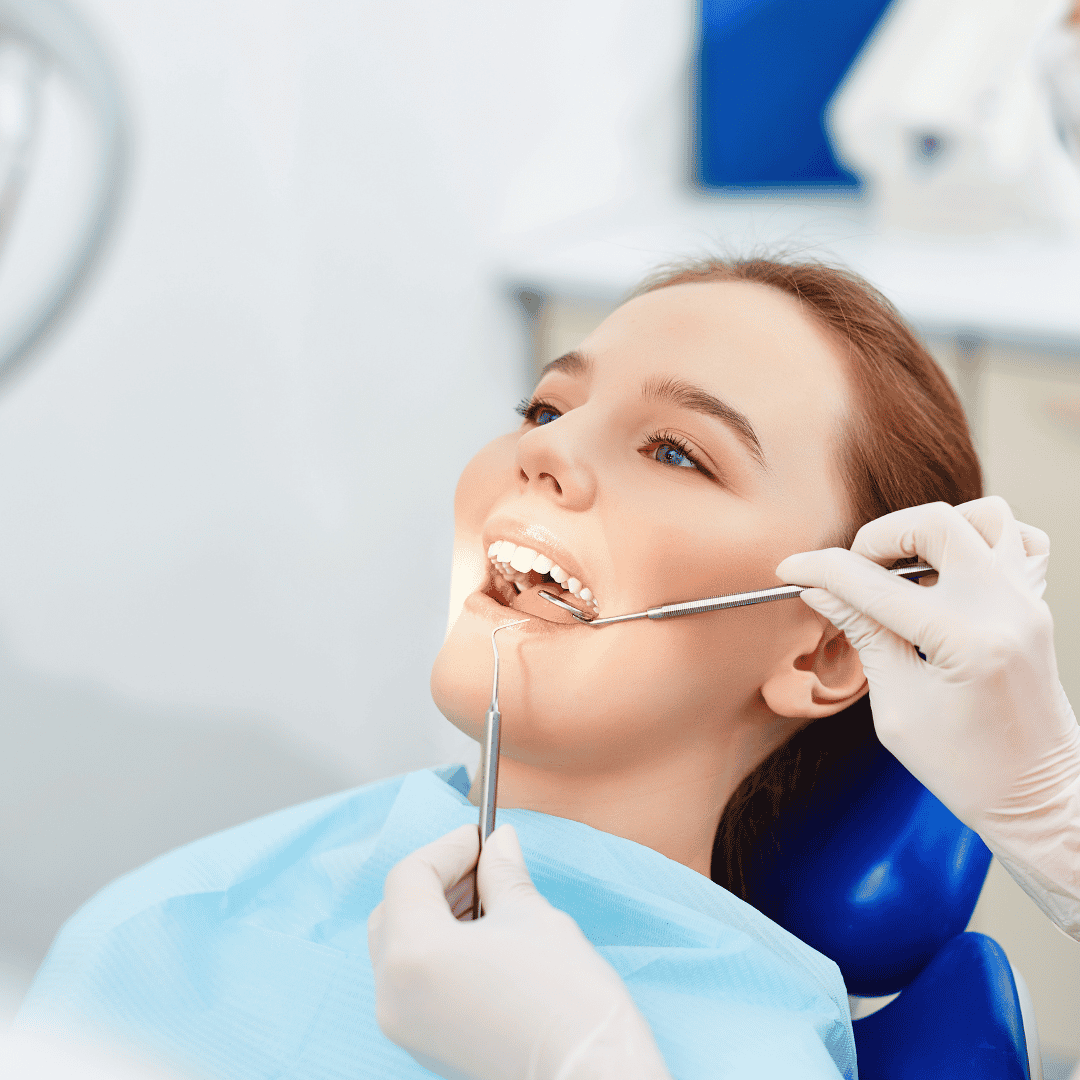
On the day of your surgery, the clinical team will verify your medical history, check your vital signs, and discuss the final treatment plan. Once you are seated comfortably, the dentist will administer the agreed-upon anesthesia.
During the extraction, the surgeon carefully manipulates the tooth to widen the socket and separate the periodontal ligament. If the tooth is impacted, the surgeon will make a small incision in the gum tissue and may remove some surrounding bone to free the tooth safely.
Following the removal, the surgical site is cleaned. The dentist may place self-dissolving stitches to close the gum tissue and promote healing. Finally, gauze is placed over the extraction site to control bleeding and encourage a blood clot to form.
Recovery Timeline and Expectations
The initial recovery phase after a tooth extraction requires patience and strict adherence to your dentist's aftercare instructions. Healing happens in stages, and taking care of the extraction site prevents painful complications like dry socket.
Immediately after the procedure, you will experience numbness for a few hours. As the anesthesia wears off, mild to moderate discomfort and swelling are normal. Your dentist will prescribe pain relievers and possibly antibiotics to manage this phase.
| Timeframe | Biological Process | Patient Sensation | Action Required |
|---|---|---|---|
| First 24 Hours | Blood clot formation in the empty socket. | Numbness fading into dull ache; minor bleeding and swelling. | Bite down on gauze. Rest with head elevated. Apply ice packs to the cheek. |
| Days 2 to 3 | Gum tissue begins preliminary healing; inflammation peaks. | Maximum swelling; mild discomfort. | Switch to warm salt water rinses. Eat only soft foods. Do not use a straw. |
| Days 4 to 7 | Stitches begin to dissolve; swelling subsides. | Noticeable improvement in comfort; jaw stiffness decreases. | Gradually reintroduce solid foods. Continue gentle oral hygiene. |
| Weeks 2 to 4 | Soft tissue closes completely over the socket. | Normal sensation restored; area feels fully healed. | Resume normal brushing and diet, avoiding very hard or crunchy items directly on the site. |
Potential Risks and Complications
Every surgical procedure carries some level of risk. While a tooth extraction is highly routine, complications can occur if proper post-operative care is not followed or if pre-existing conditions interfere with healing.
The most common complication is alveolar osteitis, widely known as a dry socket. This happens when the protective blood clot at the extraction site fails to develop or dislodges prematurely, exposing the underlying bone and nerves to air and food particles.
Warning Signs to Monitor
Contact your Cancun dental clinic immediately if you experience:
- Severe pain that worsens rather than improves after three days.
- Pain radiating to your ear, eye, or temple on the side of the extraction.
- Excessive bleeding that does not stop with applied pressure.
- Fever, chills, or foul-tasting discharge from the socket, indicating potential infection.
Managing Your Recovery in a Resort Destination
Recovering in Cancun offers the benefit of a tranquil environment, but it requires discipline. The temptation to engage in vacation activities must be balanced with the need for physical rest and healing.
For the first 48 hours, avoid strenuous physical activity, as elevated blood pressure can cause the extraction site to bleed. Sunbathing should also be minimized, as excessive heat can exacerbate facial swelling.
Crucially, patients must avoid swimming in the ocean, cenotes, or hotel swimming pools immediately after oral surgery. Natural bodies of water and public pools harbor bacteria that can easily introduce severe infections into the open surgical wound. Wait until your dentist confirms that the soft tissue has sufficiently closed before swimming.
Dietary Guidelines After Extraction
Nutrition plays a vital role in tissue regeneration. However, the mechanical action of chewing and the temperature of your food can directly impact the surgical site.
For the first few days, strictly adhere to a liquid and very soft food diet. Opt for nutrient-dense options like lukewarm broths, smooth purees, yogurt, and mashed potatoes. Avoid spicy foods, which can irritate the healing gums, and highly acidic foods like citrus fruits.
Never use a drinking straw during your recovery. The suction created in your mouth when using a straw creates negative pressure that can instantly dislodge the protective blood clot, leading to a painful dry socket.
Follow-Up Care and Returning Home
A reputable dental clinic will schedule a brief follow-up appointment a few days after your procedure to monitor the healing progress. During this visit, the dentist checks the extraction site for signs of infection and ensures the gums are closing properly.
If you have non-dissolving stitches, the dentist will remove them during this appointment. Once you receive medical clearance, you are safe to board your flight home. Changes in cabin pressure during air travel generally do not affect a healing tooth socket, provided the initial blood clot has stabilized.
Upon returning home, maintain your regular checkups with your local dentist. Inform them of the extraction so they can update your permanent dental records and monitor the long-term health of the surrounding teeth and jawbone.
Frequently Asked Questions
Is it safe to get a tooth pulled in Cancun, Mexico?
Yes, it is generally safe when performed by a licensed dentist at a COFEPRIS-regulated clinic. Reputable facilities follow strict sterilization and infection control protocols similar to those in the US and Canada.
How much does a wisdom tooth extraction cost in Cancun?
The cost typically ranges from $200 to $350 USD per impacted wisdom tooth, depending on the surgical complexity and the type of anesthesia required.
How soon can I fly after a dental extraction?
Dentists generally recommend waiting 24 to 48 hours after a standard extraction before flying. For complex surgical extractions, your surgeon may advise waiting up to 72 hours to ensure bleeding has stopped and the clot is secure.
Can I go to the beach after getting a tooth pulled?
You can relax on the beach, but you must avoid sunbathing as heat increases swelling. You must strictly avoid swimming in the ocean or pools until the wound closes to prevent bacterial infection.
Will the dentists in Cancun speak English?
Yes, the majority of dental clinics catering to international patients employ bilingual dentists and staff to ensure clear medical communication regarding your treatment and aftercare.
What is a Cédula Profesional?
A Cédula Profesional is the official medical license issued by the Mexican government. It verifies that the dentist has completed their degree, finished their mandatory service, and is legally authorized to practice.
Do I need to bring my own dental X-rays?
Bringing recent X-rays helps the clinic provide an accurate preliminary quote. However, most modern clinics will require a new panoramic X-ray or 3D CT scan on-site before performing surgery.
What happens if I get a dry socket while in Mexico?
If you experience severe, radiating pain indicating a dry socket, contact your clinic immediately. They will clean the socket and apply a medicated dressing to provide fast pain relief and restart the healing process.
Are dental clinics in Mexico regulated?
Yes, reputable dental clinics operate under strict regulations enforced by the Ministry of Health and COFEPRIS, ensuring compliance with sanitary protocols and medical safety standards.
Can I drink margaritas after my tooth extraction?
No. You must completely avoid alcohol while taking prescribed pain medications or antibiotics. Additionally, alcohol delays the healing process and increases the risk of bleeding.
Ready to Plan Your Dental Care?
Navigating international dental care can feel complex. PlacidWay can help you compare highly qualified providers, understand your treatment costs, review doctor credentials, and request information directly from top clinics in Cancun.
Request InformationDisclaimer: This information is for educational purposes only and does not replace professional medical advice. Always consult a qualified healthcare provider before making medical decisions.
References
- Health Information for Travelers to Mexico – Centers for Disease Control and Prevention (CDC)
- Tooth Extractions and Oral Health Topics – American Dental Association (ADA)
- Federal Commission for the Protection against Sanitary Risk – COFEPRIS
- Complications After Dental Extraction: A Systematic Review – National Institutes of Health (NIH)
- Wisdom Tooth Extraction Procedure and Recovery – Mayo Clinic
- Cross-Border Healthcare and Dental Mobility Data – Medical Tourism Association

























Share this listing