
Are you tired of feeling priced out of quality cosmetic or vision corrections in your home country, yet anxious about the prospect of traveling abroad for care? You are not alone in wanting a safe, affordable solution without compromising on medical expertise. When researching laser procedures in Turkey, understanding the real costs and knowing exactly which Ministry of Health certifications to look for can turn a stressful decision into a confident one. This guide walks you through everything you need to know about choosing the right clinic, verifying doctor credentials, and planning a safe medical trip.
Quick Summary
- Estimated Cost: Typically ranges from $800 to $2,500 USD, depending heavily on the specific procedure (eye surgery vs. skin resurfacing) and clinic location.
- Safety Overview: Generally safe when performed in facilities licensed by the Turkish Ministry of Health, but risks like infection or undercorrection exist.
- Ideal Candidate: Healthy adults with realistic expectations seeking vision correction (LASIK/SMILE) or dermatological improvements (scar revision, pigmentation).
- Recovery Time: Varies by treatment; eye surgeries often require 2-7 days of initial rest, while deep skin resurfacing may require 1-2 weeks of social downtime.
- Main Reason to Choose Turkey: Access to experienced specialists and modern laser technology at a significantly lower out-of-pocket cost compared to the US or UK.
- Important Caution: Always verify that your chosen clinic holds a valid International Health Tourism Authorization Certificate from the Turkish government.
Why Patients Travel for Laser Treatment in Turkey
Deciding to travel for a medical procedure is a significant commitment. Many international patients look beyond their borders for laser therapies due to a combination of high domestic healthcare costs and long waiting lists. Turkey has developed a robust healthcare infrastructure specifically designed to accommodate international patients seeking elective procedures.
Understanding the primary motivations can help you evaluate if this choice aligns with your personal healthcare goals. According to recent medical tourism data, patients primarily travel for these specific reasons:
- Substantial cost savings compared to private healthcare systems in North America and Western Europe.
- Access to advanced clinical technology, including state-of-the-art excimer and fractional CO2 lasers.
- The presence of highly experienced surgeons who perform a high annual volume of these specific procedures.
- Comprehensive care packages that typically include airport transfers, accommodation, and translation services.
- Strict regulatory oversight by the Turkish Ministry of Health for clinics catering to international patients.
- The ability to schedule procedures promptly without the extended wait times common in public health systems.
Primary Motivations for Choosing Turkey (2024 Survey Insights)
Types of Laser Procedures Available in Turkey
The term "laser treatment" encompasses a wide variety of medical disciplines. When traveling to Turkey, patients typically seek out procedures in ophthalmology, dermatology, or dentistry. Knowing exactly which category your desired treatment falls into will dictate the type of specialist you need to consult.
The clinical approach, necessary equipment, and medical qualifications vary dramatically between these fields. You should ensure that the facility you choose is specifically equipped for your exact procedure, rather than a general practice clinic.
| Medical Specialty | Common Procedures | Clinical Goal |
|---|---|---|
| Ophthalmology (Eyes) | LASIK, PRK, SMILE, Femto-LASIK | Correct refractive errors (myopia, hyperopia, astigmatism). |
| Dermatology (Skin) | Fractional CO2, Erbium YAG, Q-Switched Nd:YAG | Treat acne scars, hyperpigmentation, wrinkles, or remove tattoos. |
| Aesthetics (Hair) | Alexandrite, Diode, Nd:YAG Lasers | Long-term reduction of unwanted body hair. |
| Dentistry (Gums) | Diode Laser Gum Depigmentation, LANAP | Treat periodontal disease or alter gum pigmentation. |
Understanding Laser Eye Surgery in Turkey
Refractive eye surgery is one of the most highly sought-after medical services by international visitors. Procedures like LASIK and SMILE use precisely controlled laser beams to reshape the cornea. This changes how light rays enter the eye, allowing them to focus correctly on the retina for clearer vision.
Before any treatment, your ophthalmologist must conduct a comprehensive eye examination. This includes corneal topography, pachymetry (measuring corneal thickness), and an assessment of your tear film. If your corneas are too thin, your doctor may recommend PRK instead of LASIK to preserve tissue stability.
Clinical Tip: Not everyone is a suitable candidate for laser vision correction. Severe dry eye syndrome, active autoimmune diseases, or rapidly changing prescriptions can disqualify you. Always provide your complete medical history to your Turkish ophthalmologist.
Dermatological Laser Treatments in Turkey
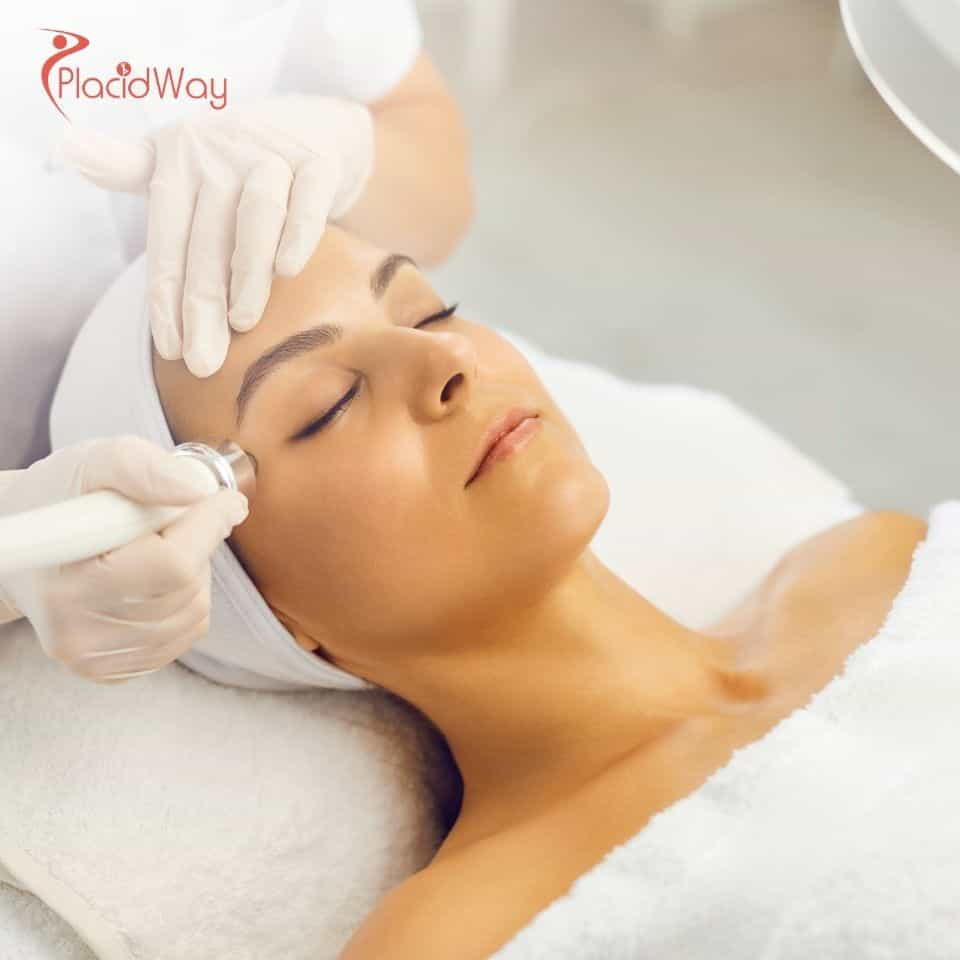
Laser skin resurfacing uses targeted beams of light to remove damaged outer layers of skin or stimulate collagen production in deeper layers. These procedures are categorized into ablative and non-ablative treatments. Ablative lasers, like the Carbon Dioxide (CO2) laser, remove the epidermis entirely, requiring more downtime but offering dramatic results for deep scars and wrinkles.
Non-ablative lasers bypass the surface layer, heating the underlying dermal tissue to promote healing without breaking the skin. While recovery is faster, you may require multiple sessions to achieve your desired cosmetic outcome. Your dermatologist will evaluate your skin type using the Fitzpatrick scale to determine the safest laser modality.
Darker skin tones carry a higher risk of post-inflammatory hyperpigmentation when treated with certain lasers. An experienced specialist in Turkey will often recommend specialized wavelengths, such as the Nd:YAG laser, to mitigate these risks for international patients with diverse skin types.
Cost of Laser Treatment in Turkey vs. Other Countries
Affordability remains a driving factor for cross-border healthcare. The cost of laser treatment in Turkey is often significantly lower than in the United States, the United Kingdom, or Canada. However, you must look closely at what is included in these price quotes.
Many Turkish clinics offer all-inclusive packages that bundle the procedure, pre-operative testing, post-operative medications, hotel accommodation, and local transfers. Always request an itemized, written quote to ensure there are no hidden fees. Prices will naturally vary depending on the city, the clinic's prestige, and the complexity of your diagnosis.
| Procedure Type | Estimated Cost in US | Estimated Cost in UK | Estimated Cost in Turkey |
|---|---|---|---|
| LASIK (Both Eyes) | $4,000 - $6,000 | $3,500 - $5,500 | $1,200 - $2,500 |
| SMILE Eye Surgery | $5,000 - $7,000 | $4,500 - $6,500 | $1,800 - $3,000 |
| CO2 Fractional Resurfacing (Full Face) | $1,500 - $3,000 | $1,200 - $2,500 | $400 - $900 |
| Laser Hair Removal (Full Body - per session) | $800 - $1,500 | $600 - $1,200 | $150 - $400 |
Note: The prices above are estimates in USD and can fluctuate. Always consult directly with a clinic for a personalized assessment.
Why is Laser Treatment More Affordable in Turkey?
It is natural to wonder if lower costs imply lower quality. In the case of Turkey, the price difference is driven by macroeconomic factors rather than a lack of medical standards. The cost of living, labor wages, and operational overhead for clinics are significantly lower in Turkey compared to Western nations.
Additionally, the Turkish government actively supports the medical tourism sector through tax incentives and infrastructure subsidies. This allows clinics to purchase premium laser technology from global manufacturers (like Zeiss or Alcon) while passing operational savings onto the patient. Furthermore, the exchange rate often works favorably for patients paying in USD, Euros, or GBP.
Choosing the Right Hospital or Clinic in Turkey
Selecting a safe, reliable facility is the most critical step in your journey. You should never choose a clinic based solely on social media advertisements or the lowest price. Instead, you must verify the facility's credentials through official channels.
In Turkey, the primary regulatory body is the Ministry of Health (Sa?l?k Bakanl???). Any clinic treating international patients must legally possess an International Health Tourism Authorization Certificate. This certificate ensures the clinic meets specific safety, hygiene, and linguistic standards.
Clinic Verification Checklist
- Verify the clinic's Turkish Ministry of Health (Sa?l?k Bakanl???) license number.
- Ensure they hold the International Health Tourism Authorization Certificate.
- Ask about the specific brand and model of the laser device being used (e.g., is it FDA-approved or CE-marked?).
- Inquire if the facility has emergency protocols or an on-site Intensive Care Unit (mainly relevant for procedures requiring general anesthesia).
- Request written information regarding their complication management and revision policy.
How to Select a Qualified Laser Surgeon or Specialist
The technology is only as good as the doctor operating it. Whether you are seeking vision correction or skin resurfacing, the qualifications of your specialist directly impact your outcome and safety.
First, confirm that your doctor is registered with the Turkish Medical Association (Türk Tabipleri Birli?i - TTB). For eye procedures, look for membership in the Turkish Ophthalmological Association (TOD). For skin procedures, the doctor should be a board-certified dermatologist recognized by the Turkish Society of Dermatology, or a board-certified plastic surgeon.
During your initial consultation, ask how many specific procedures they perform annually. High case volume is often correlated with lower complication rates. You should also verify that the doctor—not a technician or nurse—will be performing the critical steps of your laser treatment.
Patient Demographics: Who Travels to Turkey for Laser Treatments?
Medical tourism data from 2024 to 2025 provides valuable insight into patient trends. Hundreds of thousands of patients travel to Turkey annually for aesthetic and vision correction procedures. Understanding these demographics can provide context for your own decision-making process.
Recent statistics indicate that the majority of patients seeking laser treatments in Turkey originate from the United Kingdom, Germany, and the Middle East. The age distribution varies by procedure; laser eye surgeries are predominantly sought by individuals aged 25 to 45 who want freedom from glasses, while skin resurfacing appeals heavily to the 35 to 55 age bracket seeking anti-aging or scar revision therapies.
Age Distribution of International Aesthetic & Vision Patients (2024-2025 Data)
Are Laser Procedures in Turkey Safe?
No medical procedure is entirely risk-free, regardless of the country in which it is performed. While the majority of patients experience positive outcomes in Turkey, it is vital to approach the process with a realistic understanding of potential complications.
For laser eye surgery, risks include dry eyes, glare, halos around lights at night, infection, and undercorrection or overcorrection of your prescription. In severe, rare cases, flap complications (in LASIK) or corneal ectasia can occur. For skin resurfacing, risks include bacterial infections, scarring, prolonged redness, and permanent changes in skin pigmentation.
Safety is maximized when you provide a fully transparent medical history, follow all pre-operative instructions, and select a licensed, well-regulated clinic. Reputable providers in Turkey follow strict sterilization protocols that align with European healthcare standards.
Preparation Before Traveling for Your Laser Procedure
Proper preparation begins weeks before you board your flight. Medical tourism requires logistical and clinical coordination. You will likely have remote consultations with your chosen clinic via video call to discuss your medical history and initial eligibility.
If you wear contact lenses and are planning for laser eye surgery, your surgeon will require you to stop wearing them for a specific period before your surgery (often 1-4 weeks, depending on the lens type). This allows your cornea to return to its natural shape for accurate pre-operative mapping. If you are having skin resurfacing, you must avoid sun exposure, tanning beds, and certain topical skincare products (like retinoids) in the weeks leading up to your trip.
Travel Planning
- Check visa requirements for Turkey.
- Purchase medical travel insurance.
- Plan for a companion if required for post-op assistance.
Clinical Preparation
- Gather current medical records.
- Stop restricted medications/skincare.
- Complete remote assessments.
What to Expect During Your Treatment Day
Upon arriving at your clinic in Turkey, your day will begin with a thorough in-person consultation and medical examination. This is the final step to confirm your eligibility. If your diagnostic tests reveal contraindications, a responsible doctor will refuse to perform the surgery to protect your health.
Once cleared, you will be prepped for the procedure. Laser treatments are typically performed on an outpatient basis using local anesthesia (such as numbing eye drops for LASIK, or a topical numbing cream for skin resurfacing). The actual time the laser is active is usually very short—often just seconds to a few minutes per area—though the entire appointment may take several hours.
After the procedure, you will rest in a recovery room before being discharged. Reputable clinics will provide you with a comprehensive post-operative care kit, including necessary medications, drops, or healing ointments, along with translated written instructions.
Recovery and Aftercare Timeline
Following post-operative instructions is critical to preventing complications and ensuring the best possible outcome. Your body needs time to heal. Your clinic will schedule follow-up appointments, usually the day after the procedure and again before you fly home.
For eye surgeries, you may experience burning, itching, or the sensation of a foreign object in your eye for the first 24 hours. Vision may be blurry initially but typically stabilizes within a few days. For skin resurfacing, your face may feel sunburned, swell, and eventually peel over a period of 5 to 10 days.
| Timeframe | General Sensation | Activity Level | Action Required |
|---|---|---|---|
| Day 1 | Mild to moderate discomfort, sensitivity | Rest in hotel room | Use prescribed drops/ointments; wear protective shields. |
| Days 2-3 | Improving comfort, mild swelling | Light indoor activities | Attend clinic follow-up; avoid screens or sun. |
| Days 4-7 | Healing stabilizes, peeling (if skin) | Cleared to fly home (doctor dependent) | Continue medication; strictly avoid sun exposure. |
| Weeks 2-4 | Near normal, final results developing | Resume normal routines | Follow up with local doctor if required. |
Combining Laser Treatments with a Turkish Vacation
Many patients view medical tourism as an opportunity to combine healthcare with travel. While Turkey is beautiful, you must prioritize your recovery over sightseeing. Sweating, swimming, and sun exposure can severely compromise your healing process.
If you wish to explore Istanbul, Antalya, or Izmir, you should do so before your procedure. After laser eye surgery, you must avoid dusty environments, swimming pools, and direct sunlight. After laser skin resurfacing, sun exposure is strictly prohibited to prevent severe hyperpigmentation. Always consult your doctor before engaging in any tourist activities post-procedure.
Evaluating the Long-Term Results
Laser treatments often provide lasting, transformative results, but they do not stop the natural aging process. Laser eye surgery corrects your current refractive error, but age-related presbyopia may still occur in your 40s or 50s. Similarly, skin resurfacing removes existing damage, but new wrinkles and sunspots can form over time.
Protecting your investment requires ongoing maintenance. For vision, this means attending routine eye exams in your home country. For skin, it involves a strict daily regimen of broad-spectrum sunscreen and proper skincare. Ensure your Turkish provider issues a detailed medical report of your procedure so you can share it with your local healthcare team.
Frequently Asked Questions
Below are common questions international patients ask when considering laser treatment in Turkey.
Is laser eye surgery safe in Turkey?
Yes, it can be highly safe when performed by board-certified ophthalmologists in Ministry of Health-licensed clinics. However, like any surgery, it carries risks such as dry eye, infection, or undercorrection. Thorough vetting is essential.
How much does LASIK cost in Turkey?
LASIK in Turkey typically ranges from $1,200 to $2,500 for both eyes. This often includes initial consultations and post-operative medications, but you should always request a detailed written quote.
Can I fly immediately after laser eye surgery?
Most doctors advise waiting at least 2 to 4 days before flying. Airplane cabins are very dry, which can exacerbate post-operative dry eyes. Your doctor will clear you for flight during your final follow-up.
Do doctors in Turkey speak English?
Yes, major clinics that cater to international patients employ English-speaking medical staff and provide dedicated translation coordinators to ensure clear communication throughout your journey.
What happens if there is a complication?
Before booking, you must ask the clinic about their complication policy. Reputable clinics will offer revision surgeries if clinically necessary. You should also consider purchasing specialized medical tourism complications insurance.
Is laser skin resurfacing painful?
Clinics use topical numbing creams and sometimes local anesthesia to minimize discomfort. During the procedure, you may feel heat or a snapping sensation. Post-procedure discomfort is usually manageable with prescribed pain relief.
How do I verify a Turkish doctor's credentials?
You can look for registration with the Turkish Medical Association (TTB) and relevant specialty boards, such as the Turkish Ophthalmological Association or the Turkish Society of Dermatology. You can also request their medical license number.
How long does recovery take for fractional CO2 lasers?
Social downtime typically lasts 5 to 10 days while the skin peels and heals. Redness can persist for several weeks. You must strictly avoid sun exposure during this time to prevent complications.
Why are medical treatments cheaper in Turkey?
The lower cost is primarily due to a lower cost of living, reduced labor and administrative costs, favorable exchange rates, and government incentives for the health tourism sector.
Can I get laser hair removal while on vacation in Turkey?
While possible, it is generally not recommended if you plan to spend time in the sun. Laser-treated skin is highly sensitive to UV rays, and sun exposure can cause severe hyperpigmentation.
Ready to Explore Your Options?
Navigating international healthcare can feel complex. PlacidWay can help you compare certified providers, understand exact treatment costs, and request information from trusted clinics in Turkey.
Request Free InformationDisclaimer
Disclaimer: This information is for educational purposes only and does not replace professional medical advice. Always consult a qualified healthcare provider before making medical decisions.
References
- LASIK Overview and Safety – American Academy of Ophthalmology (AAO)
- Laser Skin Resurfacing Safety and Risks – American Society of Plastic Surgeons (ASPS)
- Patient Safety Guidelines for Medical Travelers – International Society of Aesthetic Plastic Surgery (ISAPS)
- Regulatory Framework for Healthcare and Medical Tourism – Turkish Ministry of Health (HealthTurkiye)
- Complications of Fractional CO2 Laser Resurfacing – PubMed Central (NCBI)
- Medical Ethics and Doctor Verification – Turkish Medical Association (TTB)















Share this listing