

Many international patients travel to Colombia to restore their smiles while managing out-of-pocket healthcare expenses. Navigating a foreign dental system requires careful planning and a clear understanding of clinic credentials. This guide helps you evaluate local safety standards and verify Colombian dental board certifications so you can make confident healthcare decisions.
- Estimated Cost: Dental treatments in Colombia typically range from $250 to $8000 depending on procedure complexity and materials used.
- Safety Overview: Highly regulated urban centers offer advanced clinical safety when you select properly credentialed and licensed providers.
- Ideal Candidate: Patients seeking extensive restorative work who are healthy enough for travel and do not have severe untreated gum disease.
- Recovery Time: Initial recovery generally takes two to seven days depending on whether surgery was involved.
- Why Choose Colombia: Access to specialized dental professionals and modern technology at a lower price point compared to North America.
- Important Caution: Always verify your clinic is registered with the local health ministry and your dentist holds active national board certification.
Understanding Cosmetic Dentistry Options in Colombia
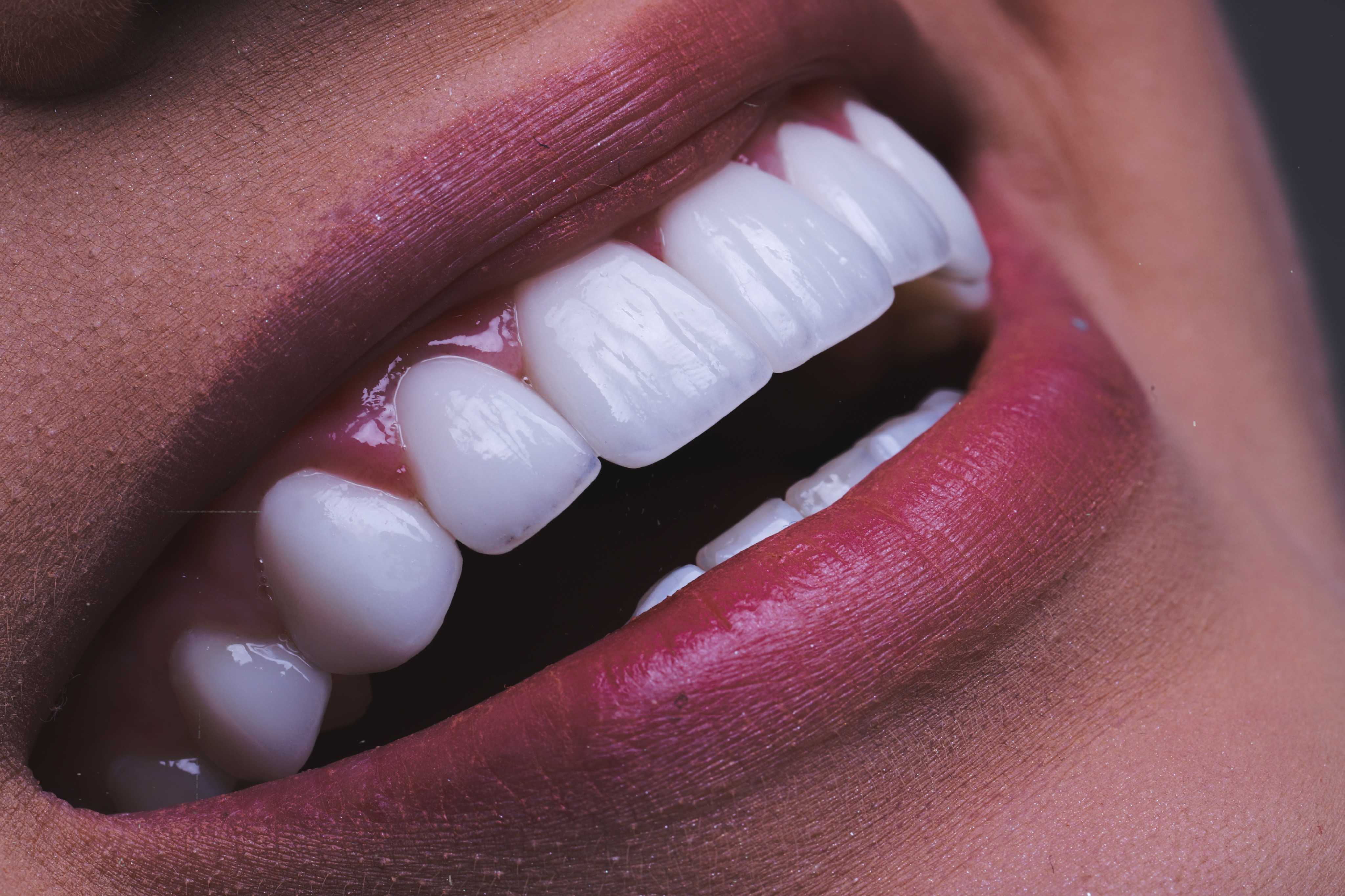
Cosmetic dentistry encompasses procedures designed to improve the functional and aesthetic appearance of your teeth. Patients often seek these treatments to correct alignment issues or repair structural damage. When you evaluate these options abroad, you must understand both the clinical requirements and the biological impact on your oral health.
Your oral cavity requires a stable foundation before any aesthetic work can begin. Dentists typically assess your jawbone density and periodontal health during your initial consultation. Without healthy gums, restorative materials cannot properly anchor or integrate into your mouth.
Colombian dental clinics frequently utilize digital smile design technology. This software allows specialists to map your facial proportions and design restorations that match your natural bite. By integrating digital planning, your dental team can often reduce clinical errors and improve overall patient satisfaction.
Primary Reasons Patients Choose Colombia for Dental Care
Patients exploring medical travel often prioritize destinations that balance advanced healthcare infrastructure with accessible pricing. Colombia has invested heavily in modernizing its private healthcare sector over the last decade. This investment attracts patients seeking complex restorative procedures that might be financially prohibitive in their home countries.
The combination of experienced specialists and modern clinical technology forms the core of this appeal. Many Colombian prosthodontists and oral surgeons complete international fellowships. This cross-training ensures they remain updated on global clinical guidelines and advanced surgical techniques.
Clinics often utilize top tier international dental materials. You can easily find specialists trained in complex full mouth reconstructions.
Multiple visits are sometimes required for implants. You must plan for potential language barriers outside of major metropolitan clinics.
Furthermore, major cities like Bogotá and Medellín offer specialized healthcare clusters. These medical districts provide easy access to diagnostic centers and specialized dental laboratories. Proximity to these laboratories allows for faster fabrication of custom crowns and veneers.
Most Common Cosmetic Dental Procedures Available
Understanding your specific treatment options helps you communicate effectively with your chosen dental provider. Cosmetic procedures range from minimally invasive surface treatments to complex surgical interventions. Each approach carries unique clinical requirements and recovery expectations.
Your dentist will evaluate your bite alignment and enamel thickness before recommending a specific procedure. Overtreatment can lead to permanent enamel loss or nerve damage. Therefore, conservative approaches should always be considered first.
| Procedure Type | Clinical Purpose | Biological Impact |
|---|---|---|
| Porcelain Veneers | Corrects discoloration and minor alignment issues | Requires minimal removal of natural tooth enamel |
| Dental Implants | Replaces missing tooth roots and supports crowns | Requires osseointegration with the jawbone over several months |
| Zirconia Crowns | Restores severely damaged or decayed teeth | Provides heavy structural support while protecting the dental pulp |
| Professional Whitening | Lifts deep stains from the tooth surface | Temporarily opens enamel pores causing transient sensitivity |
Surgical treatments require careful postoperative management. Soft tissue healing typically occurs within a few weeks, while bone integration takes much longer. You must maintain strict oral hygiene protocols during this entire biological process to prevent implant failure.
Patient Demographics for Colombian Dental Tourism
Recent data indicates a steady demographic shift in patients seeking dental care abroad. According to 2025 cross-border healthcare registries, patients frequently travel from regions experiencing high out-of-pocket dental costs. Analyzing this data helps prospective patients understand who typically pursues these treatments and why.
Adults between the ages of forty and sixty-five form the largest patient group. This demographic typically requires more extensive restorative work due to natural aging and prolonged dental wear. These patients often seek full arch restorations or complex implant placements.
The motivation for travel often centers around accessing high quality materials without restrictive insurance limitations. Many patients report that local availability of premium zirconia and titanium components strongly influenced their decision. Consequently, the patient profile remains highly focused on complex restorative outcomes rather than routine preventive care.
Estimated Cost of Cosmetic Dentistry in Colombia
Treatment pricing represents a significant factor for international patients. However, accurate financial planning requires understanding how clinical complexity influences the final bill. You should never select a clinic based solely on the lowest advertised price.
Costs vary depending on the local municipality, the expertise of the specialist, and the specific brands of dental materials utilized. Complex surgical cases involving bone grafting or sinus lifts will inevitably increase the overall expenditure. Always request a detailed, itemized breakdown before committing to any treatment plan.
| Treatment Category | Estimated Cost Range in USD |
|---|---|
| Single Porcelain Veneer | $350 - $550 |
| Single Dental Implant with Crown | $800 - $1,500 |
| Zirconia Crown | $400 - $650 |
| Full Mouth All on Four Supported Arch | $6,000 - $9,500 per arch |
| Professional Laser Teeth Whitening | $150 - $300 |
Hidden costs can derail a medical travel budget. You must factor in flights, accommodations, local transportation, and postoperative medications. Additionally, complex implant procedures usually require two separate trips spaced several months apart, which doubles your travel expenses.
Evaluating Dental Clinics in Colombia
Selecting a safe and hygienic dental facility is critical to your clinical outcome. The Colombian healthcare system regulates clinical spaces to ensure they meet national safety protocols. You must actively verify that your chosen clinic complies with these established local standards.
Infection control represents the most important aspect of clinical safety. Reputable clinics will maintain dedicated sterilization rooms and utilize hospital grade autoclaves. You should feel comfortable asking the clinic coordinator about their sterilization protocols and emergency management procedures.
- Confirm the clinic holds a current license from the local health secretariat.
- Ask if they use a computerized 3D imaging system for diagnostics.
- Verify they have strict sterilization protocols visible to patients.
- Ensure they offer transparent, itemized treatment contracts in your native language.
You should also evaluate the clinic's support infrastructure. High quality facilities often employ dedicated patient coordinators who assist with translation and treatment scheduling. This administrative support drastically reduces patient stress and helps prevent dangerous miscommunications regarding your medical history.
Verifying Dental Surgeon Credentials in Colombia
Your final cosmetic result depends entirely on the skill and education of your dental provider. In Colombia, general dentists must graduate from accredited universities, but cosmetic specialists pursue additional years of dedicated training. You must confirm that your doctor holds the appropriate specialized credentials.
Prosthodontists, periodontists, and maxillofacial surgeons receive advanced training in complex restorative and surgical techniques. You can verify a dentist's professional standing by checking their registration with the Colombian Dental Federation. Board certified specialists will gladly provide their registration numbers upon request.
Experience matters significantly in cosmetic dentistry. Inquire about your surgeon's annual case volume for your specific procedure. A provider who places hundreds of implants yearly typically encounters fewer surgical complications than one who performs the procedure occasionally.
National Healthcare Regulations Governing Colombian Clinics
Understanding the regulatory environment provides peace of mind when receiving care abroad. The Colombian Ministry of Health strictly oversees the licensing of medical and dental facilities. Clinics must pass rigorous inspections regarding structural safety, equipment maintenance, and clinical hygiene.
Furthermore, medical devices and dental materials used in Colombia are regulated by INVIMA, the national food and drug surveillance institute. This regulatory body ensures that all implants, bone grafts, and prosthetic materials meet strict biocompatibility standards. Reputable clinics will only use INVIMA approved products.
Some major clinics voluntarily pursue international accreditation to demonstrate advanced quality control. While national licensing ensures basic safety compliance, these additional certifications indicate a commitment to global standards. However, many highly capable specialists operate safely within local regulatory frameworks without holding expensive foreign accreditations.
Clinical Outcomes and Success Rates for Dental Implants
Evaluating clinical success rates helps set realistic expectations for your treatment. The longevity of dental restorations depends on surgical precision, material quality, and patient compliance. Current clinical literature provides strong data regarding the durability of modern cosmetic dentistry.
Osseointegrated implants demonstrate excellent long-term survival when placed in healthy bone tissue. According to 2024 global clinical registries, modern titanium implants show robust integration rates. However, factors like smoking, uncontrolled diabetes, and poor oral hygiene dramatically increase the risk of implant failure.
Porcelain veneers also demonstrate high survival rates when patients avoid damaging habits like teeth grinding or biting hard objects. Regular professional cleanings and immediate attention to minor chips can significantly extend the lifespan of your cosmetic work.
Step by Step Travel and Treatment Timeline
A well structured itinerary ensures a smooth medical travel experience. Your journey begins long before you board a plane. Initial digital consultations allow clinics to provide preliminary diagnoses and outline anticipated timelines.
You must prepare your medical history and recent dental records prior to your first virtual meeting. This documentation helps the specialist identify potential contraindications early in the process. Once approved, you can begin coordinating your travel logistics with the clinic's support staff.
- Initial Phase: Submit X-rays and receive a preliminary treatment plan via telemedicine.
- Pre-Travel Phase: Book accommodations and secure comprehensive travel health insurance.
- Clinical Phase: Undergo in-person diagnostics, digital scanning, and primary procedures.
- Recovery Phase: Rest at your hotel while the laboratory fabricates custom prosthetics.
- Completion Phase: Final fitting, bite adjustment, and final postoperative evaluation before flying home.
Complex treatments require patience. Rushing laboratory work to meet a tight flight schedule often compromises the quality of the final restoration. Always build extra buffer days into your travel itinerary to accommodate unforeseen clinical adjustments.
Understanding the Medical Risks of Dental Tourism
Every medical intervention carries inherent risks, and traveling abroad amplifies certain vulnerabilities. You must carefully weigh these risks against the potential benefits before committing to treatment. Common complications include localized infections, nerve sensitivity, and prosthetic failure.
Language barriers represent a significant non-clinical risk. Misunderstandings regarding medication allergies or postoperative instructions can lead to serious health consequences. Choosing a clinic with fluent multilingual staff heavily mitigates this danger.
| Potential Complication | Clinical Consequence | Prevention Strategy |
|---|---|---|
| Peri-implantitis | Bone loss around the implant causing failure | Maintain rigorous daily oral hygiene and quit smoking |
| Veneer Debonding | Restoration detaches from the natural tooth | Avoid biting hard foods and wear a night guard if you grind your teeth |
| Bite Misalignment | Jaw pain and uneven wear on restorations | Attend all scheduled follow-up adjustment appointments before leaving Colombia |
| Surgical Infection | Pain, swelling, and systemic illness | Take prescribed antibiotics exactly as directed and maintain clean surgical sites |
Another major risk involves follow-up care once you return home. Local dentists are sometimes hesitant to adjust or repair extensive work performed abroad due to liability concerns. You should ask your Colombian clinic if they partner with providers in your home country for necessary adjustments.
Important Aftercare Instructions for Smile Makeovers
Your actions during the immediate postoperative period directly impact your healing trajectory. Following a smile makeover, your gums and soft tissues will be inflamed and sensitive. Proper management of this inflammation promotes faster healing and reduces discomfort.
Your dentist will provide specific guidelines regarding diet and hygiene. Typically, patients must consume soft foods for several days to avoid placing undue stress on new restorations or surgical sites. You must completely avoid using straws if you have had extractions, as the suction can dislodge critical blood clots.
- Apply cold compresses to the outside of your face to minimize surgical swelling.
- Take all prescribed anti-inflammatory medications strictly on schedule.
- Use a soft-bristled toothbrush to gently clean around sensitive areas.
- Avoid intense physical exertion or heavy lifting for at least forty-eight hours.
If you experience sudden, severe pain, excessive bleeding, or a high fever, you must contact your clinic's emergency line immediately. Most reputable facilities offer twenty-four-hour clinical support during your initial recovery phase in Colombia.
Long Term Maintenance of Your Dental Restorations
Cosmetic restorations require ongoing maintenance to preserve their appearance and structural integrity. Veneers, crowns, and implants are not invincible. Without proper care, you risk damaging the restorative materials or developing disease in the underlying natural structures.
Daily plaque control remains the foundation of restorative maintenance. While porcelain and titanium do not decay, the surrounding gums and natural tooth roots remain vulnerable to bacterial attack. You must brush twice daily and floss carefully around all margins of your restorations.
Routine professional evaluations are mandatory. You should visit your local dentist every six months for a comprehensive exam and professional cleaning. Regular panoramic X-rays help detect early signs of bone loss around implants before they become critical failures.
Frequently Asked Questions About Cosmetic Dental Care in Colombia
Is it safe to get cosmetic dentistry in Colombia?
Yes, treatment can be highly safe when you select licensed clinics and board-certified specialists. Always verify that the facility complies with Ministry of Health regulations and uses approved sterilization protocols to minimize infection risks.
How long do I need to stay in Colombia for porcelain veneers?
Most patients require a stay of seven to ten days for a complete veneer treatment. This timeframe allows for initial consultation, tooth preparation, laboratory fabrication, final bonding, and necessary bite adjustments.
Can my local dentist perform follow up care for my implants?
Your local dentist can perform routine cleanings and maintenance. However, you should ask your Colombian surgeon exactly which implant brand they use, so your local provider can order the correct tools if adjustments are ever needed.
What happens if I experience complications after returning home?
If minor adjustments are needed, you will likely need to pay a local dentist out-of-pocket. For major complications or warranty claims, reputable clinics may require you to travel back to Colombia for corrective procedures.
Are the dental materials used in Colombia high quality?
Top clinics utilize the same globally recognized brands of titanium implants, zirconia, and porcelain as clinics in North America. Always ask your provider to confirm the brand and origin of the materials they plan to use.
Do Colombian dental clinics speak English fluently?
Clinics that actively cater to international patients typically employ bilingual staff and patient coordinators. However, you should confirm this during your initial virtual consultation to ensure clear medical communication.
How many trips are required for full dental implants?
Standard implant protocols usually require two trips. The first trip involves surgical placement, followed by a three to six month healing period at home. The second trip is required to attach the final permanent crowns.
Will my dental insurance cover treatments performed in Colombia?
Most standard US and Canadian dental insurance policies do not cover international care. You should check directly with your provider, but you should anticipate paying entirely out-of-pocket for cosmetic procedures.
Is a smile makeover painful?
Dentists use strong local anesthesia during procedures to prevent pain. Postoperative discomfort varies by procedure complexity, but is typically managed effectively with prescribed anti-inflammatory medications and cold compresses.
How do I verify a Colombian dentist is board certified?
You can request the dentist's professional registration number and verify it through the Colombian Dental Federation or the Ministry of Health databases to confirm their specialized training and active license status.
Request Information Today
Disclaimer: This information is for educational purposes only and does not replace professional medical advice. Always consult a qualified healthcare provider before making medical decisions.
References
- National Health Guidelines and Provider Verification – Colombian Ministry of Health and Social Protection
- Medical Device and Dental Material Regulation – INVIMA Colombia
- Professional Dental Registry and Specialist Verification – Colombian Dental Federation
- Patient Safety and Medical Tourism Guidelines – Centers for Disease Control and Prevention (CDC)
- Long-Term Survival Rates of Dental Implants (2024 Clinical Review) – National Institutes of Health
- Patient Guide to Cosmetic Dentistry and Clinical Expectations – American Dental Association

























Share this listing