
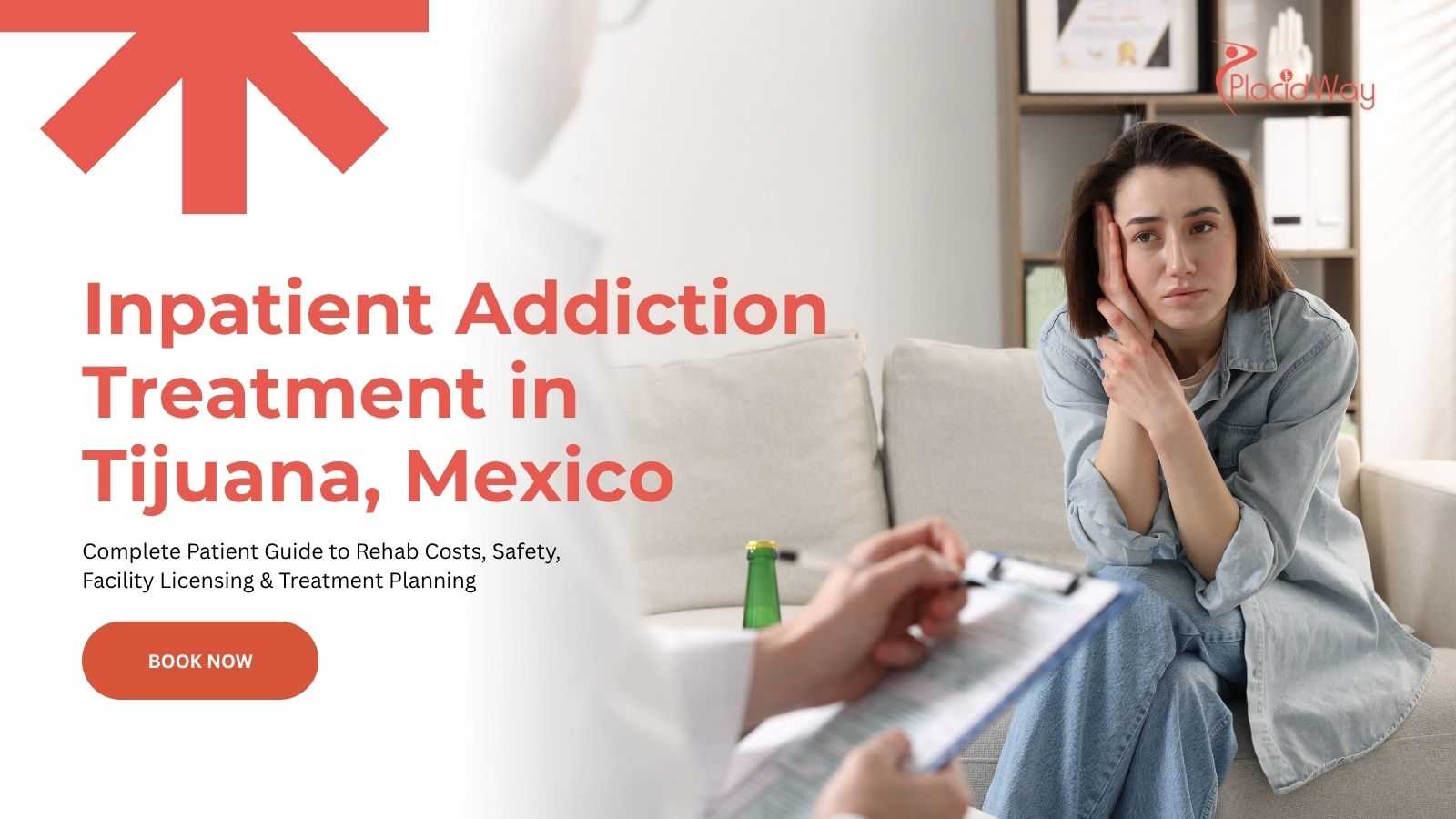
If you are exploring inpatient addiction treatment centers in Tijuana, finding a facility that prioritizes clinical safety and long-term recovery is a critical first step. This guide helps you navigate average treatment costs, evaluate essential local government credentials like COFEPRIS or CONADIC certifications, and understand the medical protocols used by specialized care teams. By carefully verifying the credentials of local healthcare providers, you can make a well-informed, confident choice for your health and personal recovery journey.
Quick Answer Summary
- Estimated Cost: Typically ranges from $3,500 to $9,000 per month, depending on the facility, room privacy, and level of medical care required.
- Safety Overview: Safe treatment requires choosing facilities actively regulated and inspected by Mexican health authorities.
- Certifications to Look For: Always verify licensing from COFEPRIS (Federal Commission for the Protection against Sanitary Risk) and CONADIC (National Commission Against Addictions).
- Ideal Candidate: Individuals seeking voluntary, medically supervised detoxification and structured rehabilitation away from their usual environmental triggers.
- Recovery Time: Initial medical detox typically takes 5 to 14 days, followed by a recommended 30 to 90 days of inpatient residential therapy.
- Main Reason for Travel: Patients primarily travel to Tijuana for proximity to the US border (San Diego), significant cost savings compared to domestic care, and increased privacy.
- Important Caution: Avoid facilities that promise "guaranteed cures" or refuse to provide their government licensing numbers upfront; rehabilitation is a complex medical process with inherent risks.
Understanding Addiction Rehabilitation Programs in Tijuana, Mexico
When you decide to seek help for substance use disorders, selecting the right environment is a major component of the recovery process. Addiction treatment in Tijuana, Mexico, involves comprehensive, structured medical and psychological care designed to help you safely detoxify and build coping mechanisms. Facilities in this border region often cater specifically to international patients, providing bilingual staff and protocols that mirror North American clinical standards.
Treatment typically encompasses two primary phases: medically supervised detoxification to manage withdrawal symptoms safely, followed by residential rehabilitation focused on behavioral therapy. Your doctor may recommend specific therapies based on your diagnosis, including cognitive behavioral therapy (CBT), group counseling, or medication-assisted treatment (MAT). The primary goal is to stabilize your physical health while addressing the psychological roots of addiction.
Primary Motivations for Choosing Recovery Centers Near the Border
Understanding why individuals look beyond their local healthcare systems can help you evaluate if this path aligns with your needs. Seeking medical care in another country requires careful consideration, but many find distinct advantages in the Tijuana region. Patients typically evaluate a combination of financial, geographic, and privacy factors.
- Geographic Proximity: Located just south of San Diego, California, Tijuana offers easy access via the Cross Border Xpress (CBX) or land ports of entry, simplifying travel logistics.
- Financial Accessibility: The reduced cost of healthcare administration in Mexico allows many patients to access high-quality residential care that might be unaffordable at home.
- Enhanced Privacy: Traveling abroad naturally removes you from familiar social circles and professional environments, offering a discreet setting for recovery.
- Immediate Admission: Many international patients face long waiting lists in their home countries; Tijuana facilities often provide expedited intake for urgent cases.
- Holistic Integrations: Many regulated centers incorporate nutritional planning, fitness therapy, and wellness routines alongside traditional medical care.
Comprehensive Cost Analysis of Recovery Programs
Navigating healthcare expenses can be stressful, especially when planning long-term residential care. In Tijuana, the cost of addiction treatment is significantly lower than in the United States or Canada, primarily due to differences in standard living costs, real estate, and medical liability insurance structures. However, prices vary widely depending on the clinic's location, the complexity of your medical needs, and the amenities provided.
It is critical to request a transparent, itemized written quote before committing to a program. Ensure you understand what is included in the base price and what services might incur additional fees, such as specialized psychiatric medications, emergency medical transfers, or private room upgrades.
| Country / Region | Estimated 30-Day Inpatient Cost (USD) | Typical Inclusions |
|---|---|---|
| United States (Average) | $15,000 - $40,000+ | Standard room, group therapy, basic detox |
| Canada (Private Pay) | $12,000 - $25,000+ | Standard room, counseling, meals |
| Tijuana, Mexico | $3,500 - $9,000 | Accommodation, meals, therapy, medical detox supervision |
Government Licensing and Healthcare Regulations in Mexico
Patient safety relies heavily on strong regulatory oversight. When evaluating an addiction treatment center in Tijuana, you must look past marketing materials and focus strictly on government-issued credentials. Mexico has specific federal agencies dedicated to regulating healthcare facilities and ensuring they meet sanitary and operational standards.
Operating a medical facility without proper federal licensing is illegal in Mexico. You should explicitly ask the facility to provide their current registration numbers. Legitimate centers will readily share this information, and you should view hesitation to provide credentials as a significant warning sign.
Crucial Regulatory Bodies
- COFEPRIS: The Federal Commission for the Protection against Sanitary Risk. This body regulates all medical facilities in Mexico, ensuring they meet strict health, safety, and hygiene standards.
- CONADIC: The National Commission Against Addictions. A facility holding this specific certification has been vetted specifically for its addiction treatment protocols, staff qualifications, and patient care models.
- Consejo de Salubridad General (CSG): The General Health Council of Mexico provides national hospital accreditation, similar to the Joint Commission in the US. While not all residential rehabs have CSG, it is a high-level indicator of quality for larger medical centers.
How to Verify Doctor and Specialist Credentials
The quality of your treatment depends entirely on the expertise of the medical and psychological staff. Addiction medicine requires specialized knowledge to manage potentially dangerous withdrawal symptoms safely and to treat underlying mental health disorders. In Tijuana, healthcare professionals must be licensed by national medical councils.
When reviewing a clinic’s medical team, ask for the lead physician's Cedula Profesional (the Mexican federal medical license number). You can verify this number through the Mexican government's official registry. Furthermore, inquire if the doctors hold board certifications in psychiatry, internal medicine, or addiction medicine from recognized Mexican specialist boards.
A comprehensive clinical team typically includes a licensed medical doctor for physical stabilization, registered nurses for 24/7 monitoring, licensed psychologists for therapeutic intervention, and specialized addiction counselors.
Patient Demographics: Medical Tourism Trends for Rehabilitation
Analyzing recent demographic data helps contextualize who travels for addiction care. According to healthcare travel data spanning 2024 to 2026, the Tijuana region sees a consistent influx of North American patients seeking substance use treatment. The demographic distribution highlights that patients across various age groups utilize cross-border care, driven largely by affordability and the need for immediate, private intervention.
Below is a visual representation of the documented age distribution of international patients seeking rehabilitation services in the Baja California region during the 2024–2025 period. This data reflects a broad utilization across adult demographics, with significant concentration in the 26–45 age brackets, reflecting workforce populations seeking intensive recovery options.
Age Distribution of International Rehabilitation Patients (2024-2025 Data)
Standard Phases of Detoxification and Rehabilitation
Entering treatment can be intimidating if you do not know what to expect. Addiction treatment in Tijuana generally follows structured clinical phases, beginning with stabilization and moving toward psychological healing. Reputable centers do not rush this process. Medically supervised detoxification is the critical first step, as withdrawal from substances like alcohol or opioids can present severe, sometimes life-threatening, physiological reactions.
Following detox, the focus shifts to residential rehabilitation. During this phase, you will engage in intensive therapy to identify triggers, develop coping mechanisms, and address any co-occurring mental health conditions. Below is a generalized timeline of what patients typically experience during an inpatient stay.
| Phase | Typical Timeframe | Clinical Focus and Patient Experience |
|---|---|---|
| Intake & Assessment | Day 1 | Comprehensive medical evaluation, psychological screening, and development of a personalized care plan. |
| Medical Detoxification | Days 2 - 10 | 24/7 monitoring to manage withdrawal symptoms. Medications may be administered to ensure safety and comfort. |
| Intensive Therapy | Days 11 - 30+ | Daily individual counseling, group sessions, cognitive behavioral therapy, and educational workshops. |
| Discharge Planning | Final Week | Creation of a detailed aftercare strategy, coordinating with healthcare providers in your home country. |
Inpatient versus Outpatient Care Facilities
When selecting a treatment program, you must decide between inpatient (residential) and outpatient care. For international patients traveling to Tijuana, Mexico, inpatient treatment is almost exclusively recommended. Inpatient care requires you to live at the facility full-time, providing a highly controlled, substance-free environment away from the stressors and triggers of your daily life.
Outpatient care, which allows patients to return home or to a hotel each evening, is generally less suitable for medical tourists in the early stages of recovery. The lack of constant medical supervision during off-hours increases the risk of relapse or complications. Your doctor will likely recommend residential treatment to ensure immediate access to care in case of emergency.
Dual Diagnosis and Co-occurring Disorder Treatment
Substance use disorders frequently exist alongside mental health conditions such as severe depression, anxiety, or post-traumatic stress disorder (PTSD). This clinical presentation is known as a dual diagnosis or co-occurring disorder. Treating the addiction without addressing the underlying psychiatric condition significantly increases the likelihood of relapse.
When evaluating facilities in Tijuana, you must ask how they manage dual diagnoses. A properly equipped center will have a licensed psychiatrist on staff to prescribe and monitor appropriate mental health medications safely. They should offer integrated treatment plans where mental health counseling happens concurrently with addiction therapy, ensuring comprehensive healing.
Medical Safety and Complication Management
Every medical procedure, including supervised detoxification, carries inherent risks. Withdrawal symptoms can escalate quickly, leading to seizures, severe dehydration, delirium tremens, or cardiac events. Therefore, evaluating a facility’s emergency protocols is just as important as reviewing their therapy models.
Before committing to a clinic, ask specific questions about their emergency response capabilities. Do they have a physician on-site 24/7, or are they only on-call? Do they have emergency resuscitation equipment, and do they hold a formal transfer agreement with a fully equipped general hospital in Tijuana should critical intensive care (ICU) be required? Transparent, licensed clinics will provide clear answers to these safety questions.
Clinical Trends: Increasing Complexity in Patient Admissions
Recent data indicates a shift in the clinical complexity of patients seeking treatment abroad. Between 2024 and 2026, medical tourism observatories noted a significant increase in international patients presenting with poly-substance use and co-occurring psychiatric disorders. This necessitates higher levels of medical supervision and specialized care protocols in destination facilities.
The line graph below illustrates the documented year-over-year upward trend in dual-diagnosis patient admissions in the border region. This data underscores the critical importance of selecting facilities with strong psychiatric capabilities rather than just basic detox centers.
Trend of Dual-Diagnosis Admissions in Border Region Facilities (2024-2026)
The Importance of Aftercare and Discharge Planning
Rehabilitation does not end when you leave the facility; it is an ongoing, lifelong management process. Completing a 30- or 60-day inpatient program in Tijuana provides a solid foundation, but without a structured aftercare plan, the risk of relapse upon returning home is significant. High-quality clinics place heavy emphasis on discharge planning from the moment you are admitted.
Before concluding your treatment, your care team should help you arrange follow-up care in your local community. This typically involves connecting you with local support groups (like AA or NA), scheduling appointments with a local psychotherapist, and ensuring you have access to any ongoing maintenance medications. Some Tijuana clinics also offer virtual telehealth follow-up sessions for several months post-discharge.
Travel Logistics and San Diego Border Crossing
Traveling to Tijuana for healthcare is generally straightforward for North American patients. The most common route involves flying into the San Diego International Airport (SAN). From there, many reputable clinics provide dedicated private shuttle services that pick you up directly from the airport, assist with border crossing documentation, and drive you securely to the facility.
You will need a valid passport to re-enter the United States or Canada. It is highly recommended to communicate clearly with the facility’s admissions coordinator regarding travel logistics, as navigating a foreign city while experiencing anxiety or early withdrawal symptoms can be overwhelming. Relying on the clinic's provided transportation is the safest option.
Travel Warning for Medical Tourists
Never attempt to carry undocumented medications, particularly controlled substances like narcotics or unprescribed psychiatric medications, across international borders. Mexican customs and US border patrol strictly enforce drug laws. If you require current prescriptions for your travel, you must carry them in their original labeled bottles alongside a formal, signed letter from your home physician.
Navigating Insurance and Private Payment Options
Funding international medical care requires proactive planning. While addiction treatment in Tijuana is generally much more affordable than in the US, most North American health insurance providers (including Medicare and Medicaid) do not cover treatments performed outside their national borders. Therefore, the vast majority of patients pay out-of-pocket as self-pay medical tourists.
However, some specialized private insurance plans with out-of-network global coverage may reimburse a portion of your costs upon your return. You must request detailed, itemized invoices in English and proper medical coding records from the Mexican facility to attempt reimbursement. Many clinics also partner with third-party medical financing companies that offer structured loan plans for patients.
Advantages and Limitations of Seeking Addiction Help Abroad
Making a balanced healthcare decision requires weighing the positive aspects against the practical challenges of traveling internationally for medical treatment. Below is a comparison to help you evaluate if this path is right for your unique situation.
Advantages
- Significant cost reduction, making longer 60-to-90-day residential stays financially viable.
- Distance from home environment eliminates daily triggers and toxic social circles.
- High levels of personal privacy and discretion.
- Immediate intake availability, avoiding long domestic waitlists.
- Facilities often feature resort-like amenities conducive to holistic healing.
Limitations
- Distance from family limits in-person support during the critical early recovery phase.
- Navigating legal and regulatory differences in a foreign healthcare system.
- Language barriers, though most reputable clinics provide bilingual staff.
- Challenges in maintaining continuity of care with your primary physician at home.
- Lack of coverage by standard US and Canadian health insurance networks.
Frequently Asked Questions About Substance Abuse Treatment in Tijuana
Is it safe to go to Tijuana for addiction treatment?
Treatment in Tijuana can be safe if you select a facility that is officially licensed by the Mexican government (COFEPRIS and CONADIC). You must verify the credentials of the clinical staff and ensure the facility has 24/7 medical supervision and clear emergency transfer protocols. Never choose unverified or unregistered clinics.
Do doctors and therapists speak English in Tijuana rehab centers?
Because Tijuana is a major hub for cross-border medical tourism, most reputable rehab centers that cater to international patients employ bilingual medical doctors, nurses, and psychologists. It is entirely acceptable to confirm the language proficiency of your specific therapeutic team before admission.
What is the average cost of a 30-day rehab program in Mexico?
A standard 30-day residential inpatient program in Tijuana typically ranges from $3,500 to $9,000 USD. This variance depends on the level of medical complexity required during detox, the privacy of your accommodations, and the inclusion of specialized holistic or psychiatric therapies.
Can I use my US health insurance to pay for treatment?
Generally, standard US health insurance plans, including Medicare and Medicaid, do not cover elective treatments abroad. While some private PPO policies may offer limited out-of-network international reimbursement, the vast majority of patients seeking care in Tijuana pay out-of-pocket.
How long does the medical detoxification process take?
The length of medical detox varies significantly based on the substance used, the duration of dependency, and the patient's physical health. Generally, supervised detox takes between 5 to 14 days, after which the patient transitions into intensive psychological rehabilitation.
What certifications should a Mexican rehab center have?
You should specifically look for a current operating license from COFEPRIS (Federal Commission for the Protection against Sanitary Risk) and certification from CONADIC (National Commission Against Addictions). These ensure the facility meets federal sanitary and clinical standards for addiction care.
Do Tijuana rehabs treat dual diagnosis conditions?
Many specialized inpatient facilities in Tijuana are equipped to treat dual diagnosis (co-occurring mental health disorders like anxiety or depression alongside addiction). You should verify that the clinic has a licensed psychiatrist on staff to properly manage and prescribe psychiatric medications safely.
How do I get from the airport to the treatment center?
Most reputable clinics serving international patients offer private, secure transportation from the San Diego International Airport (SAN) directly to their facility in Tijuana. This service typically includes assistance with crossing the border, ensuring a stress-free intake process.
Are family visits allowed during inpatient treatment?
Facility policies on family visits vary. Most clinics implement a strict blackout period during the initial detox and early therapy phases (often the first 7 to 14 days) to allow the patient to stabilize without external distractions. Following this, scheduled family visits or secure video calls are usually encouraged.
What happens after I complete my program in Mexico?
A quality treatment center will provide a comprehensive discharge and aftercare plan before you leave. This plan typically outlines recommendations for local therapy, support groups, and psychiatric follow-ups in your home city. Continuing care is vital, as rehabilitation is a lifelong management process.
Need Help Finding the Right Treatment Center?
PlacidWay can help you compare licensed providers, understand estimated treatment costs, and request vital information from vetted clinics in Tijuana. Let us help you navigate your options safely.
Request Information TodayDisclaimer: This information is for educational purposes only and does not replace professional medical advice. Always consult a qualified healthcare provider before making medical decisions.
References
- Treatment Locations and Support – Substance Abuse and Mental Health Services Administration (SAMHSA)
- Principles of Drug Addiction Treatment: A Research-Based Guide – National Institute on Drug Abuse (NIDA)
- Health Information for Travelers to Mexico – Centers for Disease Control and Prevention (CDC)
- Federal Commission for the Protection against Sanitary Risk (COFEPRIS) – Government of Mexico
- Substance Abuse and Mental Health – World Health Organization (WHO)
- National Commission Against Addictions (CONADIC) – Ministry of Health, Mexico
- Consejo de Salubridad General (General Health Council) – National Healthcare Accreditation, Mexico






















Share this listing