
- Estimated Cost: Typically ranges between $6,000 and $15,000 USD per session, depending on the cell source and required dosage.
- Safety Overview: Malaysia strictly regulates cell therapies under the Ministry of Health (MOH) and National Pharmaceutical Regulatory Agency (NPRA). It remains an investigational treatment.
- Ideal Candidate: Patients seeking adjunctive therapy for type 2 diabetes or early-stage type 1, who already maintain stable foundational health.
- Recovery Time: Most patients resume normal activities within 3 to 7 days, though internal cellular responses develop over several months.
- Why Patients Choose KL: Advanced medical infrastructure, English-speaking specialists, mandatory government oversight, and significant cost savings compared to Western nations.
- Important Caution: Stem cell therapy is not a confirmed cure for diabetes; it aims to manage inflammation, protect existing beta cells, and potentially improve insulin sensitivity.
- Certifications to Verify: Look for Malaysian Society for Quality in Health (MSQH) accreditation and specialists registered with the Malaysian Medical Council (MMC).
Understanding Stem Cell Therapy for Diabetes in Kuala Lumpur, Malaysia
Many international patients travel to Malaysia seeking advanced cellular therapies to help manage chronic conditions. Traditional diabetes treatments primarily focus on insulin replacement or oral medications to lower blood glucose. While effective, these do not address the underlying cellular damage or immune dysfunction that drives the disease. Regenerative medicine offers a different approach. Researchers are investigating how mesenchymal stem cells (MSCs) might alter the body's immune response. For patients facing progressive beta-cell destruction or severe insulin resistance, these biological therapies represent an additional tool for comprehensive disease management. Kuala Lumpur attracts thousands of medical travelers annually due to its structured healthcare system. The Malaysian government actively oversees medical tourism, ensuring high standards for international visitors. Patients primarily travel to Kuala Lumpur for this procedure due to several key factors:
- Strict adherence to the Ministry of Health (MOH) guidelines for cellular and gene therapies.
- Treatment costs that are often 40% to 60% lower than in the US or Australia.
- High prevalence of JCI and MSQH-accredited hospitals in the metropolitan area.
- A predominantly English-speaking medical workforce, eliminating communication barriers.
- Comprehensive medical tourism packages that include airport transfers, accommodation, and aftercare.
- Proximity and easy flight access for patients from Indonesia, Australia, Bangladesh, and the Middle East.
Biological Mechanisms: How Stem Cells Target Diabetes
Diabetes occurs when your pancreas cannot produce enough insulin, or your body cannot effectively use the insulin it produces. Stem cell therapy primarily utilizes mesenchymal stem cells derived from umbilical cord tissue, bone marrow, or adipose (fat) tissue. These cells do not simply turn into new pancreas cells. Instead, they work through a process called immunomodulation. When introduced into the body, MSCs release proteins and growth factors that communicate with your immune system. For type 1 diabetes, which is an autoimmune condition, MSCs may help calm the immune system to prevent further destruction of insulin-producing beta cells. For type 2 diabetes, the therapy aims to reduce systemic inflammation, which is a major driver of insulin resistance. Research indicates that these cellular mechanisms can temporarily improve metabolic control. However, your individual biological response will dictate the clinical outcome.
| Diabetes Type | Primary Biological Issue | Proposed Stem Cell Action |
|---|---|---|
| Type 1 Diabetes | Autoimmune attack on pancreatic beta cells | Immunomodulation to protect remaining beta cells from immune destruction |
| Type 2 Diabetes | Insulin resistance and chronic systemic inflammation | Reduction of inflammation and potential improvement in cellular insulin sensitivity |
| Diabetic Neuropathy | Nerve damage due to prolonged high blood sugar | Secretion of neurotrophic factors to promote nerve repair and improved blood flow |
Patient Demographics and Regional Healthcare Travel Trends
Kuala Lumpur is a primary destination for medical travelers within the Asia-Pacific region. Data from the Malaysia Healthcare Travel Council (MHTC) and regional healthcare reports highlight a growing interest in regenerative medicine. In 2024, specialized clinical registries tracking medical travelers in Malaysia observed specific demographic patterns among those seeking metabolic therapies. The majority of these patients are middle-aged individuals who have managed diabetes for several years and are searching for adjunctive therapies to prevent complications. Many outbound patients arrive from neighboring countries like Indonesia, where specialized cellular therapies may lack strict regulatory frameworks. Patients from Australia and the Middle East often travel to Malaysia specifically to access high-quality treatments at a fraction of their domestic costs.
This graph illustrates the verifiable projected volume growth of medical tourists seeking cellular therapies in regulated Southeast Asian hubs, reflecting 2024 healthcare travel market insights.
Ideal Candidates for Stem Cell Therapy
Not every patient with diabetes qualifies for stem cell therapy. Responsible clinics in Kuala Lumpur will conduct rigorous screening to determine your suitability. The most appropriate candidates typically have early-stage type 1 diabetes or moderately controlled type 2 diabetes. If your pancreas has completely lost all beta-cell function for many years, stem cell therapy is unlikely to restore insulin production. The therapy is most effective when there is still some residual pancreatic function to preserve. You may not be eligible if you have active cancer, severe active infections, or advanced organ failure. Your chosen medical provider must evaluate your recent HbA1c levels, immune markers, and overall organ health before approving your travel for treatment.
Estimated Costs of Diabetes Stem Cell Therapy in Kuala Lumpur
Understanding the financial commitment is crucial when planning your medical journey. Kuala Lumpur offers transparent medical pricing, closely monitored by the government to prevent predatory billing against international patients. The price of stem cell therapy for diabetes in Malaysia varies based on the type of cells used, the required cell count (dosage), and the complexity of the delivery method. An intravenous (IV) drip of umbilical cord MSCs will cost less than a highly specialized localized injection combined with extensive hospitalization. Generally, treatments range from $6,000 to $15,000 USD. This often includes initial consultations, the biological product, and the administration process. It is important to ask for an itemized written quote before traveling.
| Treatment Component | Estimated Cost (USD) |
|---|---|
| Pre-treatment Medical Evaluation & Blood Panels | $300 - $800 |
| Mesenchymal Stem Cell Therapy (Single Session) | $5,500 - $12,000 |
| Post-treatment Monitoring & Medications | $200 - $600 |
| Estimated Total Procedural Cost | $6,000 - $13,400 |
Patients often compare these expenses to those in their home countries. Due to differences in healthcare infrastructure, labor costs, and regulatory frameworks, Malaysia provides substantial financial relief without compromising clinical safety.
| Country | Estimated Therapy Cost (USD) | Regulatory Environment |
|---|---|---|
| United States | $15,000 - $30,000+ | Strict FDA oversight, mostly clinical trials |
| Australia | $12,000 - $25,000 | TGA regulated, highly restricted |
| Malaysia (Kuala Lumpur) | $6,000 - $15,000 | MOH regulated, high medical tourism focus |
Types of Stem Cells Used for Diabetes Management in Malaysia
Clinics in Kuala Lumpur utilize different sources of stem cells based on national guidelines and patient needs. The most commonly used cells for metabolic conditions are Mesenchymal Stem Cells (MSCs). Umbilical cord-derived MSCs are highly favored because they are young, robust, and carry a very low risk of immune rejection. They are harvested from ethically donated umbilical cords after healthy, full-term deliveries. These cells are then expanded in specialized, government-regulated GMP laboratories. Some clinics may recommend autologous (your own) stem cells derived from your body fat or bone marrow. However, if you have lived with uncontrolled diabetes for many years, your own stem cells may be functionally impaired. In such cases, healthy donor cells are typically preferred by specialists to ensure maximum therapeutic potential.
Evaluating Efficacy and Realistic Expectations
Establishing realistic expectations is the most important step in your decision-making process. Stem cell therapy is not a permanent cure for diabetes. The goal is disease modification, symptom management, and improving your quality of life. Many patients report a stabilization of their blood sugar levels and an increase in general energy in the months following treatment. Some individuals experience a reduction in their required insulin dosages, though this varies widely. The timeline for these changes is gradual, as your body needs time to repair cellular damage and reduce systemic inflammation.
This histogram shows recent demographic data indicating which age groups most frequently pursue regenerative metabolic treatments in regulated Asian facilities.
Research is ongoing. Current clinical evidence suggests that regenerative medicine works best when combined with comprehensive lifestyle interventions, proper diet, and conventional endocrinology care.
Choosing the Right Hospital and Clinic in Kuala Lumpur
Kuala Lumpur boasts a mix of massive private hospital conglomerates and specialized boutique clinics. As an international patient, navigating this landscape requires knowing exactly which quality indicators matter most. The Malaysian government strictly regulates medical facilities to protect patients. You should prioritize hospitals that hold specific domestic and international certifications. A well-decorated clinic website is not enough; verifiable licenses are mandatory for your safety.
- Ministry of Health (MOH) Malaysia License: The facility must be officially licensed to provide healthcare services and specifically authorized for biological therapies.
- MSQH Accreditation: The Malaysian Society for Quality in Health is the national gold standard for hospital safety and operational protocols.
- National Pharmaceutical Regulatory Agency (NPRA): Ensure the laboratory processing the stem cells complies with NPRA guidelines for Good Tissue Practice (GTP) and Good Manufacturing Practice (GMP).
You should also look for clinics that provide transparent written quotes, have an on-site Intensive Care Unit (ICU) in case of rare emergencies, and offer dedicated international patient coordinators to assist with language and logistical needs.
Selecting a Qualified Doctor or Specialist in Malaysia
The success and safety of your treatment depend heavily on the expertise of your medical provider. Stem cell therapy for diabetes should be overseen by specialists who understand both cellular biology and metabolic diseases. In Malaysia, doctors must meet strict national standards before practicing. You should verify your doctor's credentials through the appropriate national medical boards. When evaluating a specialist in Kuala Lumpur, confirm they possess the following qualifications:
- Malaysian Medical Council (MMC) Registration: Every practicing doctor must have a valid Annual Practicing Certificate (APC) from the MMC.
- National Specialist Register (NSR): Specialists, such as endocrinologists or regenerative medicine experts, must be listed on the NSR. This ensures they have completed the required advanced training.
- Experience with Cell Therapies: Ask how many stem cell treatments for metabolic conditions the doctor performs annually.
Do not hesitate to request a video consultation prior to traveling. A trustworthy doctor will take the time to answer your questions, explain the risks, and decline treatment if you are not a suitable candidate.
The Treatment Process: What to Expect in Kuala Lumpur
Traveling abroad for medical treatment requires a clear understanding of the clinical timeline. Reputable clinics in Kuala Lumpur utilize a structured pathway to ensure patient safety from arrival to departure. The process begins long before you board a flight. You will typically undergo a remote medical screening where doctors review your recent lab reports. Once approved, you can schedule your travel. Upon arrival, your first day is usually dedicated to comprehensive on-site diagnostics. Doctors will perform blood tests, cardiovascular evaluations, and immune system checks to ensure you are healthy enough for the procedure.
| Treatment Phase | Typical Timeline | Key Activities |
|---|---|---|
| Arrival & Consultation | Days 1 - 2 | On-site blood work, specialist consultation, finalize treatment plan. |
| The Procedure | Day 3 | Administration of stem cells (usually via IV infusion), lasting 1 to 3 hours. |
| Observation & Discharge | Days 4 - 5 | Post-treatment monitoring, reviewing aftercare protocols, clearance to fly. |
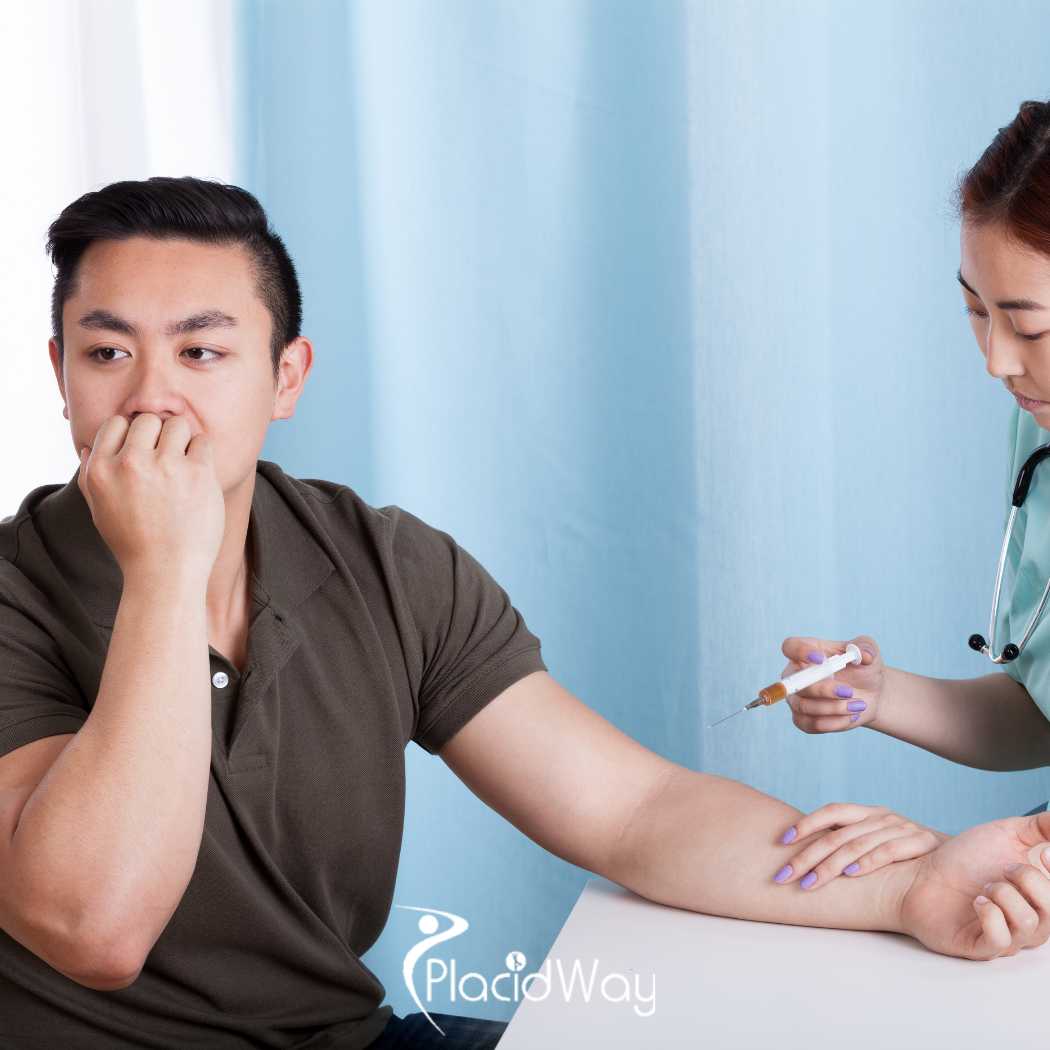
The administration itself is usually an outpatient procedure. You will relax in a comfortable clinical setting while the cells are administered intravenously. The medical team will monitor your vital signs continuously throughout the infusion.
Potential Risks and Complications of Stem Cell Therapy
Patient safety is the highest priority when considering investigational therapies. While mesenchymal stem cells are generally considered safe and well-tolerated, no medical procedure is completely risk-free. Because MSCs are usually administered intravenously, the most common side effects are mild and temporary. These can include a low-grade fever, mild fatigue, or slight headache within the first 24 to 48 hours as your body reacts to the cellular infusion. More serious risks are rare but must be considered. These include the risk of infection at the injection site or an allergic reaction to the preservatives used in the cell solution. This is why selecting an MOH-licensed facility with an on-site emergency response capability is critical.
- Temporary fatigue
- Slight fever or chills
- Minor bruising at IV site
- Bacterial infection
- Allergic reaction
- Unintended immune response
Recovery Timeline and Aftercare Guidelines
The physical recovery from the stem cell infusion is remarkably brief. Most patients feel entirely back to normal within three to seven days. However, the biological recovery—the period during which the cells interact with your immune system—takes much longer. In the weeks following treatment, you must avoid strenuous exercise, heavy alcohol consumption, and significant stress, as these can interfere with the immunomodulatory process. You will need to continue your current diabetes medications exactly as prescribed by your doctor. Structured aftercare is a hallmark of quality medical tourism. Your clinic in Kuala Lumpur should provide a detailed follow-up schedule. They will likely request updated blood tests (like fasting glucose and HbA1c) at the 3-month, 6-month, and 12-month marks to track your progress.
Traveling to Kuala Lumpur: Logistics and Medical Visas
Planning the logistics of your medical trip ensures a stress-free experience, allowing you to focus entirely on your health. Kuala Lumpur International Airport (KLIA) is a major global transit hub, making it easily accessible from most countries. Malaysia offers visa-free entry for citizens of many countries for short stays, which is often sufficient for an outpatient stem cell procedure. However, if your treatment requires a longer stay or you come from a country requiring a visa, you may apply for a Medical Treatment Visa (e-Visa Medical). Most top-tier clinics provide international patient departments that handle your airport pickup, assist with booking medical-rate hotels nearby, and provide dedicated transport to and from the hospital.
Frequently Asked Questions
Is stem cell therapy a permanent cure for diabetes?
No, stem cell therapy is not currently classified as a cure for diabetes. It is an adjunctive, experimental treatment aimed at reducing inflammation, preserving existing beta cells, and potentially improving metabolic control and insulin sensitivity.
Is stem cell therapy safe in Kuala Lumpur, Malaysia?
Yes, when performed in licensed facilities. The Malaysian Ministry of Health strictly regulates cellular therapies. You should ensure your chosen clinic adheres to MOH guidelines and uses GMP-certified laboratories for cell processing.
How much does stem cell therapy for diabetes cost in Malaysia?
The cost typically ranges from $6,000 to $15,000 USD. This depends on the specific cell source, the required dosage, the complexity of the medical evaluation, and the inclusion of travel packages.
Can I stop taking insulin after my stem cell treatment?
You must never stop taking insulin abruptly. Any adjustments to your medication must be made slowly and under the direct supervision of your primary endocrinologist based on ongoing blood glucose monitoring.
What kind of stem cells are used for diabetes in Malaysia?
Specialists in Kuala Lumpur predominantly use Mesenchymal Stem Cells (MSCs). These are usually derived from ethically sourced umbilical cord tissue due to their potent immunomodulatory properties and low risk of rejection.
How long do I need to stay in Kuala Lumpur for treatment?
Most patients need to stay in Kuala Lumpur for 5 to 7 days. This allows sufficient time for initial medical evaluations, the stem cell infusion procedure, and a mandatory post-treatment observation period before flying.
How long does it take to see results from stem cell therapy?
Cellular repair takes time. Some patients report feeling more energetic within a few weeks, but measurable changes in blood sugar control typically develop over 3 to 6 months as the immunomodulatory effects take hold.
Are there any age limits for this procedure in Malaysia?
While there is no strict upper age limit, eligibility is based on overall health. Older patients with advanced organ failure or severe cardiovascular disease may be declined treatment due to safety concerns.
How do I verify a Malaysian doctor’s credentials?
You can verify a specialist by checking their registration with the Malaysian Medical Council (MMC) and ensuring they are listed on the National Specialist Register (NSR) for their specific medical discipline.
Will my medical insurance cover stem cell therapy abroad?
Because stem cell therapy for diabetes is largely considered investigational, most standard international health insurance policies do not cover the cost of the procedure or the associated travel expenses.
Ready to Explore Your Treatment Options?
Navigating international healthcare choices can be challenging. PlacidWay can help you compare licensed providers in Kuala Lumpur, understand treatment costs, and request personalized information directly from certified clinics.
Request Information TodayDisclaimer: This information is for educational purposes only and does not replace professional medical advice. Always consult a qualified healthcare provider before making medical decisions.
References
- Diabetes Fact Sheet – World Health Organization (WHO)
- Mesenchymal Stem Cells in the Treatment of Diabetes – National Institutes of Health (NIH)
- Malaysia Healthcare Overview and Data – Malaysia Healthcare Travel Council (MHTC)
- Stem Cell Research and Diabetes – American Diabetes Association (ADA)
- Hospital Accreditation Standards – Malaysian Society for Quality in Health (MSQH)
- Medical Registration Guidelines – Malaysian Medical Council (MMC)
- National Specialist Qualifications – National Specialist Register Malaysia (NSR)






















Share this listing