



When obesity is affecting your mobility, diabetes control, heart health, or quality of life, waiting years for treatment can feel overwhelming. Bariatric surgery in Mexico may provide access to sleeve gastrectomy, gastric bypass, and revision procedures at estimated self-pay prices ranging from approximately $2,976 to $11,162 in 2026. Cost alone should never drive your decision. Before choosing a provider, verify the hospital’s COFEPRIS surgical license, the surgeon’s professional and specialty credentials, current CONACEM-recognized certification, emergency capabilities, and long-term follow-up plan.
Quick Summary of Bariatric Surgery in Mexico
- Estimated 2026 cost: Current PlacidWay pricing data indicates an average near $7,069, with broader quotes from approximately $2,976 to $11,162 depending on the procedure, city, hospital, surgeon, and package.
- Common procedures: Gastric sleeve, Roux-en-Y gastric bypass, mini gastric bypass, duodenal switch, revision surgery, and selected non-surgical procedures such as gastric balloons.
- Potential candidate: Surgery is generally recommended for adults with a body mass index of 35 or higher, regardless of related conditions. It may also be recommended at a BMI of 30 or higher with type 2 diabetes or considered when non-surgical treatment has not produced durable improvement.
- Hospital and surgeon checks: Request the facility’s current COFEPRIS license for surgical procedures, the surgeon’s SEP professional and specialty cédulas, and current specialty certification recognized through CONACEM.
- Typical recovery: Many patients remain in the hospital for one to three days. Desk-based work may be possible after approximately two weeks, while broader recovery often takes four to six weeks.
- Main reason patients choose Mexico: Lower self-pay costs, geographic proximity to the United States and Canada, shorter scheduling times, and access to experienced bariatric teams.
- Important caution: Do not book a return flight based only on a package schedule. Obtain individualized medical clearance and arrange follow-up care in your home country before traveling.
Why Patients Consider Bariatric Surgery in Mexico
Patients usually consider bariatric surgery in Mexico because they want timely access to treatment without the high self-pay costs found in several other countries. Many are traveling from the United States and Canada, while others arrive from the United Kingdom, the Caribbean, and Latin America. Mexico’s proximity can make consultations, companion travel, and return visits more manageable than long-distance medical travel.
The decision is rarely only about weight. You may be looking for help with type 2 diabetes, high blood pressure, obstructive sleep apnea, joint pain, reduced mobility, fatty liver disease, or the emotional burden of repeated unsuccessful weight-loss attempts. Surgery can be an important treatment tool, but it still requires permanent changes in eating, supplementation, physical activity, and medical follow-up.
More Affordable Self-Pay Care
Mexico may offer lower hospital, surgeon, anesthesia, and facility expenses than private treatment in the United States, Canada, or the United Kingdom.
Shorter Scheduling Times
Private programs may arrange evaluations and surgery more quickly, although a responsible provider should never rush your medical screening.
Accessible Border Destinations
Tijuana, Mexicali, Monterrey, Guadalajara, and other cities may be reachable through direct flights or short cross-border travel.
Coordinated Medical Packages
Some programs coordinate testing, hospital care, accommodation, transportation, and follow-up, but every inclusion should appear in writing.
Important: A convenient location or attractive package does not prove clinical quality. Evaluate licensing, surgeon qualifications, hospital resources, complication protocols, and continuity of care separately.
Who May Qualify for Bariatric Surgery in Mexico
Modern international guidelines recommend metabolic and bariatric surgery for adults with a BMI of 35 or higher, even when they do not have a diagnosed obesity-related condition. Surgery is also recommended for patients with type 2 diabetes and a BMI of 30 or higher. It may be considered for a BMI between 30 and 34.9 when non-surgical treatment has not produced substantial or durable improvement.
BMI is only one part of the decision. Your surgeon should review your overall health, previous weight-loss treatment, nutritional status, medications, psychological readiness, ability to follow lifelong recommendations, and the risks of anesthesia. Older age does not automatically exclude someone, but frailty, heart or lung disease, and functional status require careful assessment.
| Assessment Area | What the Bariatric Team Reviews | Why It Matters |
|---|---|---|
| BMI and waist-related risk | Current BMI, weight history, and previous weight-loss efforts | Helps determine eligibility and procedure options |
| Metabolic health | Diabetes, blood pressure, cholesterol, liver health, and sleep apnea | Identifies surgical risk and expected health priorities |
| Heart and lung health | Electrocardiogram, medical history, respiratory symptoms, and additional testing when indicated | Supports anesthesia planning and complication prevention |
| Nutritional status | Iron, vitamin B12, folate, vitamin D, calcium, protein status, and eating patterns | Deficiencies should be addressed before surgery |
| Psychological readiness | Expectations, eating behaviors, substance use, depression, anxiety, and support system | Long-term success depends on sustained behavioral changes |
| Travel readiness | Mobility, clot risk, companion support, flight time, and home follow-up | Reduces avoidable risks after discharge |
Patient tip: Be cautious when a clinic approves you after reviewing only your height and weight. A qualified multidisciplinary team should assess your medical, nutritional, psychological, anesthetic, and travel-related risks.
Bariatric Surgery Procedures Available in Mexico
The right operation depends on your BMI, eating patterns, reflux symptoms, diabetes status, previous abdominal surgery, nutritional risks, and willingness to follow long-term supplementation. No single procedure is appropriate for every patient.
| Procedure | How It Works | Potential Advantages | Important Considerations |
|---|---|---|---|
| Sleeve gastrectomy | Approximately 80% of the stomach is removed, leaving a narrow sleeve-shaped stomach. | No intestinal bypass, widely performed, and generally simpler than bypass operations. | Permanent stomach removal; reflux may develop or worsen in some patients. |
| Roux-en-Y gastric bypass | A small stomach pouch is connected to a lower section of the small intestine. | May be considered for severe reflux, diabetes, or patients needing a stronger metabolic effect. | Greater nutritional monitoring; risks include ulcers, dumping symptoms, and internal hernia. |
| One-anastomosis or mini gastric bypass | Creates a long stomach pouch connected to the intestine through one surgical connection. | Technically streamlined compared with Roux-en-Y and can provide substantial metabolic effects. | Bile reflux and nutritional deficiency require careful discussion and long-term follow-up. |
| Duodenal switch | Combines a sleeve-type stomach reduction with a more extensive intestinal bypass. | May be considered for very high BMI or complex metabolic disease. | Higher risk of protein, vitamin, and mineral deficiencies; intensive lifelong monitoring is essential. |
| Revision bariatric surgery | Repairs, converts, or modifies a previous weight-loss procedure. | May address complications, severe reflux, anatomical problems, or inadequate treatment response. | Usually more complex than primary surgery and may carry higher complication risks. |
| Intragastric balloon | A temporary balloon is placed inside the stomach through an endoscopic procedure. | Does not require abdominal incisions and is removable. | Temporary, not appropriate for everyone, and weight regain may occur without sustained lifestyle support. |
Key takeaway: Ask the surgeon to explain why the recommended operation suits your medical history. A recommendation based mainly on price or package availability is not an adequate clinical explanation.
Bariatric Surgery in Mexico Cost in 2026
Bariatric surgery in Mexico currently averages approximately $7,069 across PlacidWay pricing data, with broader provider quotes ranging from about $2,976 to $11,162. These figures are planning estimates rather than guaranteed prices. Your final quote may change after medical evaluation, laboratory testing, procedure selection, and confirmation of hospital requirements.
A lower quote may cover only the operation and hospital stay, while a higher quote may include preoperative testing, anesthesia, surgeon fees, accommodation, ground transportation, medications, nutritional counseling, and follow-up. Compare the total care pathway rather than the headline amount.
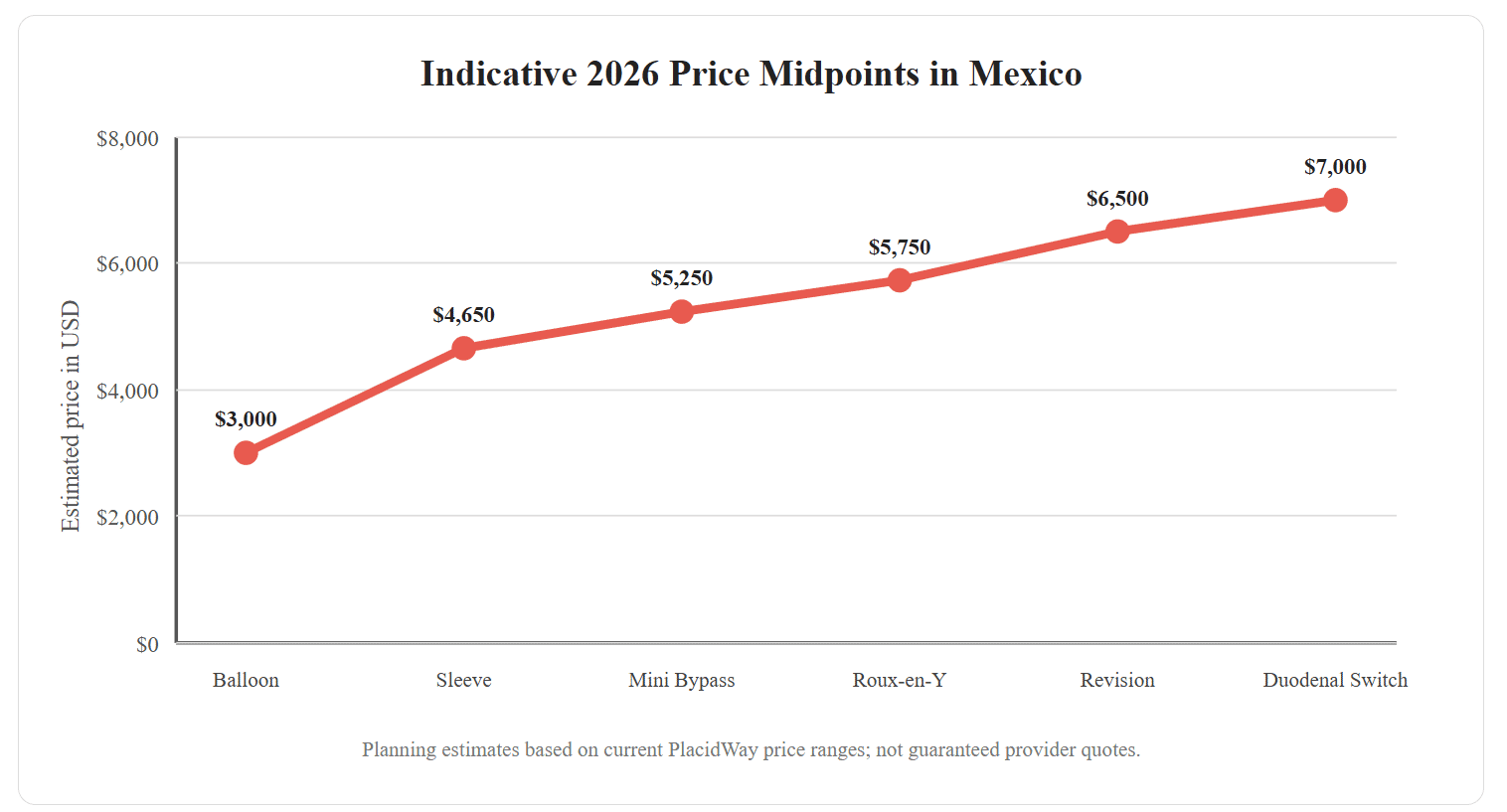
| Bariatric Procedure in Mexico | Indicative 2026 Price Range | Common Pricing Factors |
|---|---|---|
| Gastric balloon | $2,500–$3,500 | Balloon type, endoscopy fees, removal plan, and nutrition support |
| Sleeve gastrectomy | $3,800–$5,500 | Hospital level, surgical supplies, BMI, and length of stay |
| Mini gastric bypass | $4,500–$6,000 | Procedure complexity, testing, surgeon experience, and follow-up |
| Roux-en-Y gastric bypass | $5,000–$6,500 | Hospital resources, anesthesia risk, supplies, and inpatient care |
| Revision bariatric surgery | $5,500–$7,500 | Previous procedure, scar tissue, imaging, anatomy, and repair requirements |
| Duodenal switch | $6,000–$8,000 | Complexity, hospital stay, nutritional planning, and specialist experience |
Mexico Bariatric Surgery Price-Band Chart
The line chart uses the midpoint of each indicative 2026 price range. It helps compare relative procedure costs but does not replace a personalized written quote.
Bariatric Surgery Cost Comparison: Mexico vs. Other Countries
| Country | Indicative Gastric Sleeve Range | Indicative Gastric Bypass Range | Pricing Context |
|---|---|---|---|
| Mexico | $4,000–$6,000 | $5,500–$7,500 | Private self-pay and medical-travel packages |
| United States | $15,000–$25,000 | $20,000–$35,000 | Self-pay costs vary widely by hospital and insurance status |
| Canada | $14,000–$20,000 | $18,000–$25,000 | Indicative private-care ranges; public eligibility and waits vary |
| United Kingdom | $10,000–$15,000 | $12,000–$18,000 | Indicative private self-pay ranges converted to USD |
These international figures are broad private self-pay planning ranges, not national fee schedules. Currency movements, insurance coverage, geography, and package inclusions can materially change the comparison.
Possible Hidden Costs of Bariatric Surgery in Mexico
- Flights, border transportation, accommodation, meals, and companion expenses
- Cardiology, pulmonology, sleep apnea, endoscopy, or imaging evaluations
- Additional hospital nights caused by delayed recovery
- Medications, compression garments, protein products, and lifelong supplements
- Emergency treatment, hospital transfer, or complication management
- Postoperative laboratory tests and specialist visits in your home country
- Revision treatment when a complication or anatomical problem develops
- Medical complications insurance, travel insurance, or policy exclusions
Before paying a deposit: Request an itemized quote stating what happens financially if surgery is postponed, a different procedure becomes necessary, your hospital stay is extended, or you require emergency treatment.
Patient Demographics and Bariatric Procedure Trends
Reliable public data does not provide a complete national breakdown of every international bariatric patient entering Mexico by age, gender, and home country. Claims that assign exact percentages to American, Canadian, British, or other medical travelers should therefore be treated cautiously unless the provider shows its own audited patient records.
The latest publicly available IFSO Global Registry report analyzed 2023 activity reported by participating national and regional registries. Among primary procedures with recorded demographic data, approximately 82.7% of patients were female, 17.3% were male, and the median age was about 42. These are international registry findings rather than Mexico-specific medical-tourism statistics.
The same report showed sleeve gastrectomy as the most frequently reported primary procedure, followed by Roux-en-Y gastric bypass. Registry participation and data completeness differ between countries and years, so the chart should be read as a broad clinical trend rather than a forecast for an individual patient.
82.7%
Female patients among primary procedures with recorded sex in the international registry data.
42
Median patient age in the latest reported international primary-procedure data.
57%
Sleeve gastrectomy share in the reported 2023 international primary-procedure mix.
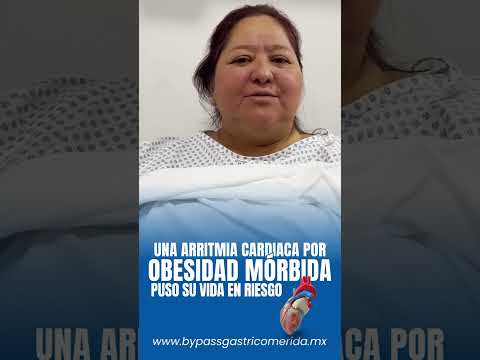
Bariatric Surgery in Mexico - Patient Testimonial
Safety and Risks of Bariatric Surgery in Mexico
Bariatric surgery can be performed safely in Mexico when a properly selected patient receives care from a qualified team in a licensed, appropriately equipped facility. However, neither international travel nor accreditation eliminates surgical risk. Your safety depends on clinical screening, surgeon competence, anesthesia care, hospital resources, infection prevention, early mobilization, and reliable follow-up.
Early complications can include bleeding, infection, blood clots, breathing problems, dehydration, and leakage from a staple line or surgical connection. Longer-term concerns may include reflux, ulcers, gallstones, narrowing, internal hernia, dumping symptoms, protein malnutrition, and deficiencies involving iron, vitamin B12, folate, vitamin D, calcium, or other nutrients.
| Potential Risk | Possible Warning Signs | Risk-Reduction Questions |
|---|---|---|
| Staple-line or connection leak | Rapid heart rate, fever, increasing abdominal pain, weakness, or shortness of breath | How are leaks evaluated, and can the hospital provide urgent imaging, endoscopy, or surgery? |
| Bleeding | Dizziness, weakness, fainting, rapid pulse, black stools, or vomiting blood | Is blood transfusion available, and who manages postoperative bleeding? |
| Deep-vein thrombosis or pulmonary embolism | One-sided leg swelling, chest pain, sudden shortness of breath, or coughing blood | What is the individualized clot-prevention and flight-clearance plan? |
| Infection | Fever, worsening redness, swelling, drainage, or increasing wound pain | How does the hospital monitor infection rates and manage resistant organisms? |
| Dehydration | Very dark urine, dizziness, dry mouth, reduced urination, or inability to drink | Who should you contact if nausea or vomiting prevents fluid intake? |
| Nutritional deficiency | Fatigue, weakness, numbness, hair loss, anemia, bone problems, or neurological symptoms | Which supplements and laboratory tests are required for your procedure? |
Seek Urgent Medical Help After Bariatric Surgery
Seek immediate medical assessment for chest pain, sudden breathing difficulty, fainting, persistent rapid heart rate, severe or worsening abdominal pain, repeated vomiting, inability to drink, fever, one-sided leg swelling, black or bloody stools, vomiting blood, confusion, or rapidly worsening weakness. Contact emergency services rather than relying only on online messaging with an overseas coordinator.
How to Choose a Hospital for Bariatric Surgery in Mexico?
The first hospital-level requirement is current authorization to perform surgical procedures. Ask the facility to provide its legal name and current COFEPRIS “Licencia Sanitaria para Actos Quirúrgicos y/u Obstétricos,” along with information about its responsible sanitary officer. Confirm that the license belongs to the facility where your operation will actually take place.
Certification through Mexico’s General Health Council can be an additional national quality signal when current and applicable. International accreditation from organizations such as JCI, Temos, or ACHSI may also support your evaluation, but it is not legally required for every reputable Mexican hospital and does not guarantee a successful outcome.
| Hospital Check | Evidence to Request | Why It Matters |
|---|---|---|
| Government authorization | Current COFEPRIS surgical facility license and legal facility name | Confirms authorization to conduct surgical procedures |
| Emergency resources | Emergency staffing, airway equipment, blood access, imaging, endoscopy, operating room access, and ICU capability or transfer agreement | Supports rapid treatment of bleeding, leaks, clots, or respiratory complications |
| Infection prevention | Written sterilization, antibiotic stewardship, and surgical-site infection protocols | Reduces avoidable postoperative infection risk |
| Anesthesia team | Named anesthesiologist, credentials, pre-anesthesia assessment, and overnight coverage | Obesity, sleep apnea, and heart or lung disease can complicate anesthesia |
| Complication pathway | Written leak, bleeding, clot, transfer, and readmission protocols | Shows how the team responds when recovery does not follow the expected course |
| Aftercare infrastructure | 24/7 contact process, dietitian access, scheduled follow-ups, laboratory plan, and record transfer | Bariatric care continues long after the operation |
Verification tip: Ask for license numbers and official facility names before paying. A clinic’s marketing name may differ from the licensed hospital where surgery is performed.
How to Verify a Bariatric Surgeon in Mexico?
A surgeon’s profile should include more than a medical degree and membership logos. Request the surgeon’s full legal name, general professional cédula, specialty cédula, and current specialist certification. Mexican professional credentials can be checked through the federal education authority, while current specialist certification can be searched through CONACEM and the appropriate recognized specialty council.
For bariatric surgery, ask whether the surgeon is certified in general surgery and has documented training and experience in metabolic and bariatric procedures. Membership in a bariatric society can show professional engagement, but membership alone is not the same as government licensing or recognized specialty certification.
Credential Verification
- Full legal name matching official records
- General professional cédula
- Specialty cédula in surgery
- Current CONACEM-recognized certification
- Documented bariatric and laparoscopic training
Experience Questions
- Annual volume for your exact procedure
- Experience with patients near your BMI
- Primary and revision surgery experience
- Conversion-to-open surgery process
- Who provides care when the surgeon is unavailable
Outcome Transparency
- Leak, bleeding, clot, and readmission rates
- How complications are defined and tracked
- Revision and refund policies
- Emergency treatment responsibility
- Process for obtaining complete medical records
Red flag: Do not rely on social media follower counts, before-and-after photographs, testimonials, or coordinator statements as substitutes for official credentials and documented surgical experience.
Planning Medical Travel for Bariatric Surgery in Mexico
Medical travel adds risks that do not exist when treatment occurs near home. You must coordinate medical records, medications, travel timing, companion support, postoperative mobility, communication, and follow-up across borders. A pretravel consultation with your primary doctor or travel-health professional is advisable several weeks before departure.
Send the Mexican surgical team a complete and accurate medical history. Include previous operations, allergies, prescribed and non-prescribed medications, supplements, sleep apnea treatment, smoking or nicotine use, alcohol use, pregnancy possibility, history of blood clots, and previous anesthesia problems. Never stop anticoagulants, diabetes drugs, or other medicines without individualized instructions from qualified clinicians.
| Travel Timeframe | Medical and Travel Actions | Documents to Keep |
|---|---|---|
| Four to six weeks before travel | Discuss travel with your home doctor, review vaccinations, arrange tests, evaluate clot risk, and confirm procedure suitability. | Medical history, medication list, test results, imaging, and physician summaries |
| Two to four weeks before surgery | Complete the prescribed preoperative plan, confirm medication instructions, and arrange companion support. | Written quote, consent information, provider credentials, and insurance terms |
| Before departure | Confirm hospital address, surgeon, emergency contacts, transportation, accommodation, and backup plans. | Passport, prescriptions, emergency contacts, booking details, and payment receipts |
| Before flying home | Obtain medical clearance, demonstrate adequate hydration and mobility, and understand warning signs. | Operative report, discharge summary, laboratory results, medication list, and follow-up schedule |
| After returning home | Attend local follow-up, complete laboratory monitoring, continue diet stages, and seek urgent care for warning signs. | Complete records in English or with an accurate translation |
Air-travel caution: Abdominal surgery and prolonged sitting both increase blood-clot concerns. CDC travel guidance advises against flying for at least 10 days after abdominal surgery, but your surgeon may recommend a longer delay based on your recovery, BMI, mobility, procedure, and clot risk.
Recovery After Bariatric Surgery in Mexico
Recovery begins with monitoring for bleeding, breathing problems, leakage, nausea, pain, and dehydration. Many patients remain in the hospital for one to three days, although revision surgery, complex medical conditions, or complications may require a longer stay.
Your diet usually progresses from clear or full liquids to puréed foods, soft foods, and then small portions of solid food. Exact timing varies by operation and clinical progress. Eating too quickly, drinking insufficiently, or advancing the diet without approval can cause pain, vomiting, dehydration, or other problems.
| Timeframe | Biological or Clinical Process | Possible Patient Sensations | Activity Level | Action Required |
|---|---|---|---|---|
| First 24–72 hours | Early tissue healing, anesthesia recovery, and monitoring for immediate complications | Abdominal soreness, gas discomfort, fatigue, nausea, and reduced appetite | Short, assisted walks and breathing exercises | Follow fluid targets, report worsening pain, fever, rapid heart rate, or breathing difficulty |
| Week 1–2 | Staple lines and incisions continue healing; hydration remains a major priority | Low energy, abdominal tightness, changing bowel habits, and early fullness | Frequent walking; avoid heavy lifting and strenuous exercise | Follow the prescribed liquid diet, medications, wound care, and clot-prevention plan |
| Week 3–4 | Internal healing continues while food texture may gradually advance | Improving energy with occasional fatigue or food intolerance | Light routine and possible desk work when medically cleared | Eat slowly, prioritize protein and fluids, and avoid unapproved foods |
| Week 5–8 | Diet and activity become more varied as healing progresses | Reduced pain, improved mobility, and continued adjustment to smaller portions | Gradual return to exercise according to clinical guidance | Continue supplementation, scheduled follow-up, and symptom monitoring |
| Three to twelve months | Ongoing metabolic changes, weight reduction, and nutritional adaptation | Changing appetite, body composition, clothing size, and emotional adjustment | Progressive strength and aerobic activity when approved | Complete laboratory monitoring and adjust supplements with qualified guidance |
| Lifelong | Long-term anatomical and nutritional effects remain after surgery | Food tolerance and nutritional needs may change over time | Sustainable regular physical activity | Continue medical review, blood tests, supplements, dental care, and bone-health monitoring |
Bariatric Surgery Follow-Up Questions
- Who will review your symptoms during the first 30 days?
- Can you contact a clinician at night or on weekends?
- Which laboratory tests are required at three, six, and twelve months?
- Who adjusts supplements when deficiencies appear?
- Can your primary doctor communicate directly with the Mexican surgeon?
- How are operative notes, implant details, images, and discharge records provided?
- Who pays for evaluation and treatment if a complication occurs after you return home?
Advantages and Trade-Offs of Bariatric Surgery in Mexico
Mexico may be a practical option for carefully selected patients, but the benefits must be weighed against cross-border risks. Your decision should reflect the entire medical pathway, not just the operation date.
Potential Advantages
- Lower private self-pay costs
- Shorter scheduling periods in some programs
- Proximity to the United States and Canada
- Availability of several bariatric procedure options
- Coordinated accommodation and transportation
- Access to surgeons who focus heavily on bariatric care
Important Trade-Offs
- Distance from the surgical team after returning home
- Possible insurance exclusions for overseas complications
- Flight-related clot and mobility concerns
- Variation in hospitals, licensing, and clinical standards
- Language or medical-record communication barriers
- Potentially high costs when revision or emergency care is needed
Decision principle: The safest option is not automatically the nearest, cheapest, or most highly promoted provider. It is the program that can clearly document patient selection, licensed facilities, qualified professionals, emergency readiness, transparent costs, and long-term follow-up.
Bariatric Surgery in Mexico Decision Checklist
Before confirming treatment, use the following checklist during calls with the surgeon, hospital, coordinator, and your home-country doctor.
- Confirm your candidacy: Obtain a complete medical, nutritional, psychological, and anesthesia evaluation.
- Understand the recommendation: Ask why one procedure is preferred over sleeve, bypass, or non-surgical alternatives.
- Verify the hospital: Request its COFEPRIS surgical license and confirm the exact operating location.
- Verify the surgeon: Check the professional cédula, specialty cédula, current certification, and bariatric experience.
- Evaluate emergency care: Confirm imaging, endoscopy, blood, operating-room, critical-care, and transfer capabilities.
- Compare written prices: Separate procedure-only costs from hospital, travel, accommodation, testing, and aftercare.
- Read financial policies: Understand deposits, cancellation, extended stays, revisions, and complication expenses.
- Arrange home follow-up: Identify a clinician willing to review your recovery and laboratory results.
- Plan safe travel: Obtain individual flight clearance and reduce prolonged immobility.
- Collect complete records: Leave Mexico with the operative report, discharge summary, medication list, test results, and emergency instructions.
Frequently Asked Questions
Is bariatric surgery in Mexico safe?
Bariatric surgery can be performed safely in Mexico when you are properly screened and treated by qualified professionals in a licensed, well-equipped hospital. Safety varies between providers. Verify COFEPRIS authorization, surgeon credentials, anesthesia coverage, emergency resources, complication protocols, infection controls, and structured follow-up before making a decision.
How much does bariatric surgery cost in Mexico in 2026?
Current PlacidWay data indicates an average of approximately $7,069, with broader quotes around $2,976 to $11,162. Sleeve gastrectomy commonly starts near $3,800, while bypass, duodenal switch, and revision procedures may cost more. Final pricing depends on your health, procedure, hospital, surgeon, testing, and package inclusions.
What is usually included in a Mexico bariatric surgery package?
Packages may include surgeon and anesthesia fees, hospital care, routine laboratory testing, medications, hotel accommodation, ground transportation, and remote follow-up. Inclusions differ significantly. Request an itemized quote covering extra hospital nights, additional consultations, emergency treatment, blood products, imaging, revisions, and expenses after returning home.
Is gastric sleeve or gastric bypass better in Mexico?
Neither operation is universally better. Sleeve gastrectomy avoids intestinal bypass but may worsen reflux in some patients. Gastric bypass may be considered for severe reflux or metabolic disease but requires greater nutritional monitoring. Your surgeon should consider BMI, diabetes, reflux, eating patterns, previous surgery, and long-term follow-up capacity.
What BMI is needed for bariatric surgery in Mexico?
International guidelines recommend surgery for a BMI of 35 or higher, regardless of related conditions. It is also recommended for type 2 diabetes with a BMI of 30 or higher and may be considered at BMI 30–34.9 when non-surgical treatment has not produced durable improvement. Individual assessment remains essential.
How long should I stay in Mexico after bariatric surgery?
The appropriate stay depends on your procedure, recovery, travel distance, and complication risk. A hospital stay may last one to three days, followed by additional local recovery. Do not choose a return date only from a package itinerary. Your surgeon should confirm hydration, mobility, wound status, and medical fitness to travel.
When can I fly after bariatric surgery in Mexico?
CDC guidance advises avoiding air travel for at least 10 days after abdominal surgery. Some patients need a longer delay because recent surgery, obesity, limited mobility, and long flights can increase blood-clot concerns. Obtain individualized clearance and follow instructions for walking, hydration, compression, and any prescribed clot prevention.
How do I verify a bariatric surgeon in Mexico?
Request the surgeon’s full legal name, professional cédula, specialty cédula, and current specialist certification. Verify professional registration through Mexico’s federal education authority and specialist certification through CONACEM. Also ask about formal bariatric training, annual procedure volume, complication data, revision experience, and emergency coverage.
Does a Mexican bariatric hospital need JCI accreditation?
No. International accreditation is not legally required for every reputable Mexican hospital. Government authorization through COFEPRIS is more fundamental. Current national or international accreditation may provide additional quality information, but it does not guarantee a good result. Review emergency resources, staffing, infection controls, outcomes, and follow-up as well.
Will insurance cover bariatric surgery in Mexico?
Coverage depends on your insurer, policy, employer plan, procedure, and medical necessity criteria. Many international patients pay privately. Ask whether overseas surgery, complications, revisions, emergency care, and follow-up are covered. Obtain written confirmation because verbal statements from coordinators or insurance representatives may not protect you financially.
Will I need vitamins after bariatric surgery?
Most bariatric procedures require lifelong supplementation and periodic blood testing. The exact plan depends on the operation and your laboratory results. Commonly monitored nutrients include iron, vitamin B12, folate, vitamin D, calcium, and protein status. Do not select supplement doses without guidance from your bariatric clinician or dietitian.
What happens if I develop a complication after returning home?
Your home-country emergency department may need to evaluate you, particularly for severe pain, fever, rapid heart rate, vomiting, dehydration, bleeding, leg swelling, chest pain, or breathing difficulty. Before traveling, establish local follow-up, obtain complete records, understand insurance exclusions, and confirm how the Mexican team communicates with other clinicians.
Compare Bariatric Surgery Options in Mexico
PlacidWay can help you compare providers, understand estimated treatment costs, review procedure options, and prepare questions about licensing, surgeon credentials, hospital resources, travel, and aftercare. A clinic must still complete an individual medical evaluation before recommending treatment.
Request Personalized InformationDisclaimer: This information is for educational purposes only and does not replace professional medical advice. Always consult a qualified healthcare provider before making medical decisions.
References
- Potential Risks and Side Effects of Bariatric Surgery – National Institute of Diabetes and Digestive and Kidney Diseases
- 2022 ASMBS and IFSO Indications for Metabolic and Bariatric Surgery – ASMBS
- Ninth IFSO Global Registry Report – International Federation for the Surgery of Obesity and Metabolic Disorders
- Requirements for Facilities Performing Surgical or Obstetric Procedures – COFEPRIS
- Specialist Certification Search – National Committee of Medical Specialty Councils
- Professional License Search – Secretaría de Educación Pública
- Medical Tourism and International Travel Safety – Centers for Disease Control and Prevention
- Recovery After Weight-Loss Surgery – National Health Service





.png)
.png)


.jpg)

.jpg)








Share this listing