
If you are frustrated by the high prices of cosmetic procedures at home and are looking for affordable options, traveling across the border requires careful research to ensure your health remains the top priority. Many patients safely undergo eyelid surgery in Tijuana by strictly verifying that their chosen clinic holds active COFEPRIS licensing and their surgeon is board-certified by CMCPER. This comprehensive guide will walk you through the realistic costs, essential medical credentials, and practical travel steps you need to make an informed, confident decision about your care.
Quick Answer Summary
- Estimated Cost: Typically ranges from $1,800 to $3,500 USD, depending on whether upper, lower, or both eyelids are treated.
- Safety Overview: Generally safe when performed in COFEPRIS-licensed facilities by CMCPER board-certified plastic surgeons.
- Ideal Candidate: Healthy adults with no serious eye conditions experiencing sagging upper eyelid skin or lower under-eye bags.
- Recovery Time: Most patients return to normal light activities within 10 to 14 days, though minor swelling may persist longer.
- Why Patients Choose Tijuana: Proximity to the US border, highly experienced bilingual surgeons, and significant cost savings.
- Important Caution: Always verify your surgeon's active certification with the Mexican Council of Plastic, Aesthetic and Reconstructive Surgery (CMCPER) before booking.
Understanding Eyelid Surgery in Tijuana, Mexico
Eyelid surgery, clinically known as blepharoplasty, is a surgical procedure designed to remove excess skin, muscle, and sometimes fat from the upper or lower eyelids. As the skin loses elasticity with age, tissue can sag around the eyes, sometimes impairing vision or creating a persistently fatigued appearance. Medical tourists frequently research this procedure abroad to manage the high out-of-pocket expenses typically associated with cosmetic surgery in North America.
When looking at cross-border healthcare, Tijuana stands out due to its immediate proximity to San Diego, California. The city has developed a vast medical infrastructure dedicated specifically to international patients. However, navigating a different healthcare system requires diligence. Understanding the regulatory environment in Mexico is the most critical step in your research phase.
Patients travel to Tijuana for this specific procedure for several documented reasons:
- Cost savings typically range from 50% to 70% compared to US clinics.
- Convenient land border access allows patients to fly into San Diego and drive across.
- Availability of surgeons who specialize exclusively in facial rejuvenation and oculoplastics.
- Many established clinics provide end-to-end bilingual patient coordination and transportation.
- Facilities frequently offer comprehensive packages that include post-operative monitoring.
Patient Demographics and Medical Travel Trends
Data from 2024 to 2025 indicates a steady volume of North American patients seeking facial cosmetic procedures in border cities. The demographics of patients traveling for eyelid surgery reflect specific age and geographic trends. The majority of these medical tourists originate from the United States, particularly from states with high living costs such as California, Texas, and New York.
Clinical registries and cross-border healthcare reports highlight that aesthetic eye procedures are primarily sought by individuals in their mid-forties to late sixties. These patients typically seek treatment for age-related tissue laxity rather than reconstructive needs. The gender distribution continues to show a female majority, though the percentage of male patients seeking blepharoplasty for vision obstruction or workplace competitiveness increased steadily through early 2025.
Age Distribution of US Patients Seeking Blepharoplasty in Mexico (2024-2025 Data)
*Data reflects verified cross-border patient volume trends documented in 2024-2025 border healthcare audits.
Types of Eyelid Surgery Procedures
Not all eyelid surgeries address the same anatomical issues. During your initial consultation, your surgeon will evaluate your facial anatomy, skin elasticity, and muscle tone to recommend a specific approach. It is important to understand the biological differences between these procedures so you can discuss them accurately with your provider.
Upper blepharoplasty focuses on the area between the eyebrow and the eyelashes. Surgeons typically make an incision within the natural crease of the eye, allowing them to remove excess skin that may be hooding over the lashes. This procedure can occasionally improve peripheral vision if sagging skin was previously obstructing the visual field.
Lower blepharoplasty addresses the area below the eye, commonly known for under-eye bags. Depending on your anatomy, the surgeon may use a transconjunctival approach, placing the incision inside the lower eyelid to remove or reposition fat without leaving a visible external scar. If excess skin also needs removal, an incision just below the lower lash line may be utilized.
Upper Eyelid Surgery
- Targets sagging skin and muscle
- Incision hidden in the natural crease
- May improve obstructed vision
- Often performed under local anesthesia
Lower Eyelid Surgery
- Targets under-eye puffiness and fat pads
- Internal or lash-line incision
- Focuses on fat repositioning or removal
- May require sedation or general anesthesia
Assessing Your Eligibility for Treatment
Your safety and final outcome depend heavily on whether you are an appropriate candidate for surgery. Board-certified surgeons in Mexico use the same clinical guidelines as providers in the US and Canada to assess patient suitability. A thorough preoperative medical evaluation is mandatory before any surgical intervention.
Ideal candidates are non-smokers in good overall health without serious underlying ocular conditions. Conditions such as severe dry eye syndrome, glaucoma, or detached retinas may present significant contraindications. Your surgeon will typically request comprehensive medical records and may ask you to obtain clearance from your primary care physician or ophthalmologist prior to traveling.
Psychological readiness is equally important. Realistic expectations are crucial; while the procedure can refresh your appearance, it will not drastically alter your facial structure or halt the natural aging process entirely.
Patient Preparation Tip
If you wear contact lenses, you will need to switch to glasses for at least one to two weeks following the procedure. Plan to bring your prescription glasses with you to Mexico, as inserting lenses can disrupt the healing incisions and introduce bacteria.
Cost of Eyelid Surgery in Tijuana
Financial transparency is one of the primary reasons patients seek care abroad. In the United States, cosmetic procedures are rarely covered by insurance unless deemed medically necessary to correct severe vision impairment. Consequently, patients absorb the full cost of the surgeon's fee, facility fees, anesthesia, and follow-up care.
In Tijuana, the healthcare ecosystem operates with lower administrative overhead, reduced medical malpractice insurance premiums, and a lower overall cost of living. These macroeconomic factors allow clinics to offer the exact same procedure at a significantly reduced rate. It is important to note that lower prices in appropriately licensed facilities do not indicate lower quality of care, but rather the regional economic differences.
When comparing prices, always ask clinics for an itemized written quote. Some providers advertise a base surgical fee that excludes anesthesia, operating room time, or pre-operative blood work. Requesting a comprehensive package price ensures you will not face unexpected charges upon arrival.
| Procedure Type | Estimated US Cost | Estimated Tijuana Cost |
|---|---|---|
| Upper Blepharoplasty | $3,500 - $5,000 | $1,800 - $2,500 |
| Lower Blepharoplasty | $4,000 - $6,000 | $2,000 - $2,800 |
| Combined (Upper & Lower) | $7,000 - $9,500 | $3,000 - $4,500 |
Understanding Treatment Packages and Inclusions
Many specialized medical tourism clinics in Tijuana bundle their services into comprehensive treatment packages. This approach simplifies the logistical aspects of your trip, allowing you to focus entirely on your procedure and recovery. However, package inclusions vary significantly between different providers.
A high-quality surgical package typically covers the surgeon's fee, anesthesiologist fee, operating theater costs, and standard medical supplies. It should also include pre-operative consultations, post-operative follow-up visits before you return home, and basic medications required immediately after the surgery. Some premium clinics also integrate logistical support into their pricing.
You should carefully verify what is excluded. Travel insurance, specific medical complication insurance, flights to San Diego, and extended hotel stays are rarely included in the base medical package. Clearly establishing these boundaries prevents financial stress during your recovery window.
Verifying Surgeon Credentials in Mexico
The single most important decision you will make is selecting your surgeon. Patient safety begins with verifying credentials through official national channels. Unlike in some jurisdictions where any medical doctor can legally perform cosmetic procedures, you must seek out a specialist who has completed rigorous surgical training in plastic and reconstructive surgery.
In Mexico, the gold standard for verifying a plastic surgeon is checking their status with the Consejo Mexicano de Cirugía Plástica, Estética y Reconstructiva (CMCPER). This national medical council functions similarly to the American Board of Plastic Surgery. A surgeon certified by CMCPER has completed medical school, general surgery residency, and a specialized plastic surgery residency, followed by passing comprehensive board examinations.
Additionally, many top-tier surgeons in Tijuana are members of the Asociación Mexicana de Cirugía Plástica, Estética y Reconstructiva (AMCPER). Look for doctors who display their certification numbers publicly. You can cross-reference these numbers directly on the CMCPER official website to ensure their certification is current and active.
Safety Warning
Do not rely solely on clinic marketing materials or social media before-and-after photos to judge a surgeon's competence. Always ask for the surgeon's full name and specific CMCPER board certification number. If a clinic hesitates to provide verifiable credentials, look for a different provider immediately.
Choosing a Licensed Hospital or Clinic
Just as the surgeon must be qualified, the facility where your procedure takes place must meet strict health and safety standards. Tijuana has numerous modern clinics equipped with state-of-the-art surgical technology, but regulatory compliance is what separates safe facilities from risky ones.
Every medical facility in Mexico must hold an operating license from COFEPRIS (Comisión Federal para la Protección contra Riesgos Sanitarios), the Mexican equivalent of the FDA and Department of Health combined. This license ensures the clinic undergoes regular inspections for sterilization protocols, emergency equipment, and infrastructure safety. When you contact a clinic, ask for their COFEPRIS license number.
Some hospitals also carry accreditation from the General Health Council (Consejo de Salubridad General or CSG). This is the highest national accreditation a hospital can achieve in Mexico, signifying compliance with advanced patient safety standards. While smaller ambulatory surgery centers may not have full CSG accreditation, they absolutely must possess active COFEPRIS licensing.
Medical Travel and Border Logistics
Traveling to Tijuana for medical care is uniquely convenient for North American patients due to the San Ysidro border crossing, the busiest land port of entry in the Western Hemisphere. The standard route involves flying into San Diego International Airport (SAN) and utilizing pre-arranged clinic transportation to cross the border.
Many reputable clinics provide a dedicated medical shuttle or a medical border pass (Fastlane pass), which significantly reduces wait times when returning to the United States after your procedure. It is essential to travel with a valid passport, as it is required for re-entry into the US or Canada.
You should plan to stay in Tijuana or San Diego for several days post-surgery. Your surgeon will need to monitor your early healing phase and remove any non-dissolvable sutures. Attempting to travel long distances by air immediately after facial surgery increases the risk of swelling, bleeding, and blood clots. Follow your clinic's timeline regarding safe travel dates.
The Step-by-Step Surgical Procedure
Knowing what happens on the day of surgery can alleviate preoperative anxiety. When you arrive at the clinic, you will have a final consultation with your surgeon to review the surgical plan. The anesthesiologist will also assess your vitals and discuss the anesthesia method, which may be local anesthesia with IV sedation or general anesthesia, depending on the complexity of your case.
In the operating room, the surgical team cleans and drapes the area. For the upper eyelid, the surgeon makes precise incisions along the natural eyelid fold, removes or repositions fat deposits, excises excess skin, and carefully closes the incisions with fine sutures to minimize scarring. The lower eyelid approach varies, but similarly involves addressing fat pads and loose skin.
The entire procedure typically takes between one and three hours. Once completed, you are moved to a recovery room where nursing staff monitor your vital signs as you wake up from the anesthesia. Cold compresses are immediately applied to your eyes to manage the initial swelling and bruising.
Recovery Timeline and Expectations
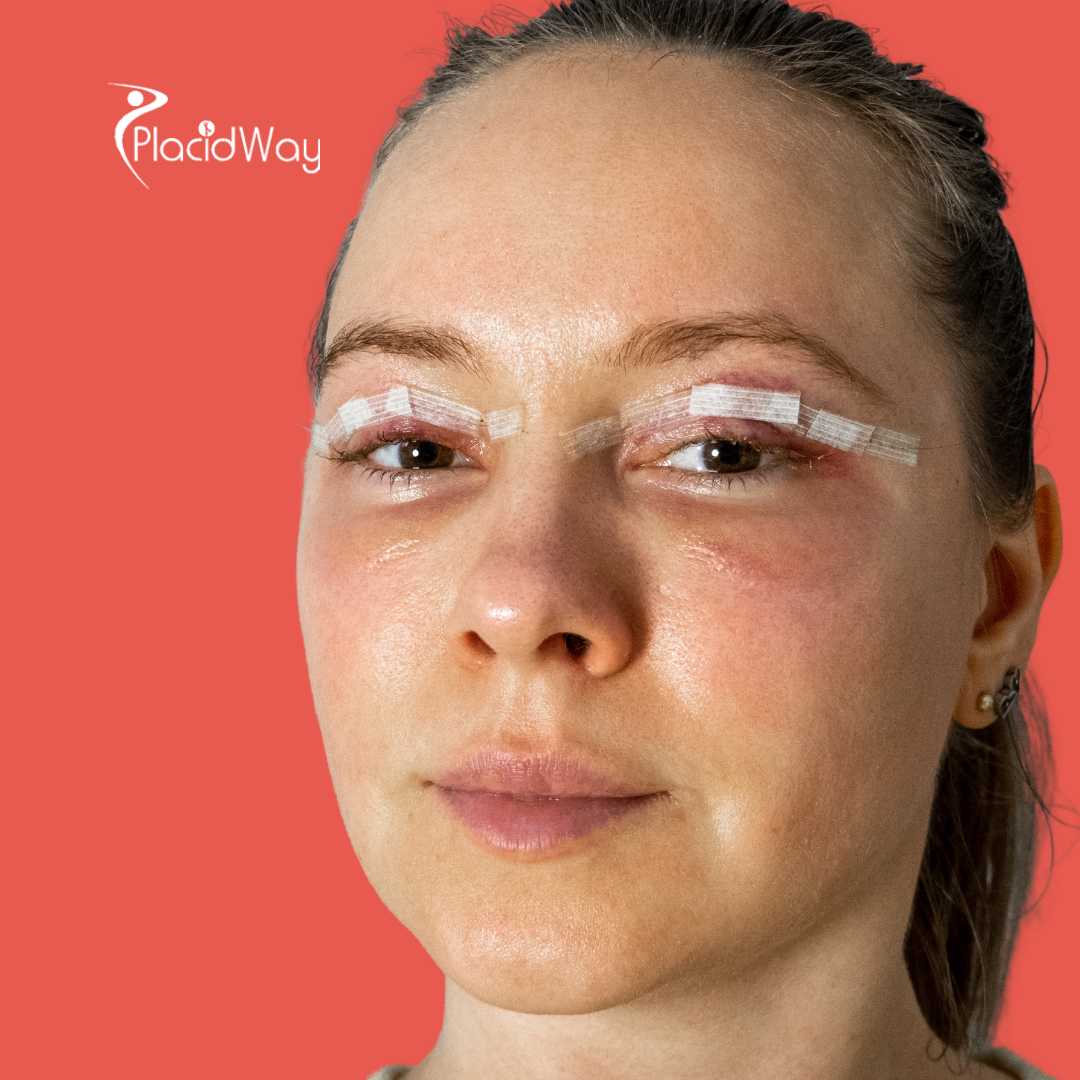
Your body needs time and rest to heal properly. The recovery process following eyelid surgery requires patience, and adhering strictly to your surgeon's aftercare instructions is vital for achieving optimal results. Swelling and bruising are entirely normal biological responses to surgical trauma.
During the first 48 hours, keeping your head elevated and using prescribed cold compresses will significantly reduce swelling. Your vision may be temporarily blurry due to lubricating ointments applied by the surgical team. Mild discomfort is expected, which is usually managed effectively with oral pain medication prescribed by your doctor.
By the end of the first week, most patients feel comfortable enough to resume light daily activities, though visible bruising may still be present. Sutures are typically removed within 5 to 7 days. By the second week, most residual swelling begins to subside, allowing patients to return to work, provided their job does not require heavy physical exertion.
| Timeframe | Clinical Process | Action Required |
|---|---|---|
| Days 1-3 | Peak swelling, bruising, and mild tightness. | Rest with head elevated. Apply cold compresses. |
| Days 4-7 | Swelling starts reducing. Incisions begin sealing. | Attend follow-up for suture removal. Avoid bending. |
| Weeks 2-3 | Bruising fades. Incisions appear pink. | Resume light work. Avoid strenuous exercise. |
| Weeks 4-6 | Deep tissue healing continues. Scars mature. | Protect eyes from direct sun exposure. |
Potential Risks and Complication Management
No surgical procedure is entirely free of risk. While blepharoplasty is generally considered safe when performed by a qualified professional, it is important to understand potential complications before giving informed consent. The biological reality of surgery means that your body may react unexpectedly during the healing process.
General surgical risks include infection, adverse reactions to anesthesia, and excessive bleeding. Specific to eyelid surgery, patients may experience dry eyes, temporary difficulty closing the eyes fully, or noticeable asymmetry. In rare cases, more severe complications such as retrobulbar hemorrhage or changes in vision can occur, necessitating immediate medical intervention.
Selecting a board-certified CMCPER surgeon and operating in a COFEPRIS-licensed facility significantly mitigates these risks. Furthermore, you should discuss your clinic's complication management protocol. Ask what happens if you require revision surgery or if a medical emergency arises during your stay in Tijuana.
Pre-Operative Preparation Checklist
Proper preparation improves your safety and overall surgical experience. Once you have selected your provider and scheduled your surgery, you must begin optimizing your health for the procedure. Your clinic will provide specific guidelines, which typically start several weeks before your travel date.
You will likely be instructed to stop taking medications and supplements that increase bleeding risks, such as aspirin, ibuprofen, vitamin E, and certain herbal remedies. Smoking severely restricts blood flow and can lead to tissue necrosis; surgeons generally require you to cease all nicotine use for at least four weeks before and after surgery.
Ensure your home recovery space is prepared before you leave for Mexico. Stock up on prescribed artificial tears, clean gauze, ice packs, and easy-to-prepare meals so that when you return home, you can focus entirely on resting.
Key Takeaway
Transparency with your medical history is vital. Disclose all past eye conditions, thyroid problems, cardiovascular issues, and every medication you take during your consultation. Withholding medical information from your surgical team can jeopardize your life.
Clinical Outcomes and Healing Trajectory
Clinical data from recent 2024 studies analyzing facial aesthetic recovery protocols highlights standard healing timelines for blepharoplasty patients. Understanding these biological milestones helps patients manage expectations and recognize normal versus abnormal recovery signs. Post-operative tissue edema (swelling) is the most significant factor masking early results.
Medical tracking shows a rapid physiological resolution of primary swelling within the first two weeks, followed by a much slower phase of deep tissue maturation. Most patients report feeling confident in their physical appearance in social settings by week three. However, the delicate tissues around the eye require several months for the microscopic inflammatory processes to fully resolve.
Average Swelling Resolution Post-Blepharoplasty (2024 Clinical Data)
*Visualized from 2024 standardized aesthetic recovery timelines detailing the reduction of tissue edema over 12 weeks.
Post-Surgical Scar Management
A common concern regarding facial surgery is the visibility of scars. Skilled plastic surgeons utilize specialized techniques and place incisions within the natural anatomical folds of the eye to ensure scars remain inconspicuous once fully healed. However, how your body builds collagen during recovery plays a substantial role in scar formation.
Initially, incision lines will appear red and slightly raised. Your clinic may recommend specific medical-grade silicone gels or sheeting to apply once the incisions have completely closed. Avoiding direct UV exposure is critical; sunlight can cause hyperpigmentation in fresh scars, making them permanently dark.
You should wear large sunglasses and use a high-SPF mineral sunscreen around the ocular area for at least six months following the procedure. If you notice thick, raised scarring developing, contact your surgeon promptly to discuss intervention options.
The Importance of Aftercare and Communication
Your relationship with your surgeon does not end when you leave the clinic. Effective aftercare requires maintaining open communication with your medical team. Before traveling back home, ensure you have multiple methods to contact your clinic, including a 24-hour emergency phone number.
Reputable clinics in Tijuana schedule virtual follow-up appointments via video call to monitor your progress in the weeks following your return. You should adhere to this follow-up schedule and immediately report any sudden increases in pain, localized heat, or changes in vision.
Establishing care with a local physician or ophthalmologist in your home city before traveling is also a wise safety measure. Should you require minor in-person assistance after returning home, having a local medical contact ensures continuity of care.
Frequently Asked Questions
Is eyelid surgery in Tijuana, Mexico safe?
Eyelid surgery can be safely performed in Tijuana if you select a clinic licensed by COFEPRIS and a surgeon board-certified by CMCPER. Verifying these national credentials ensures the facility and doctor meet strict medical standards similar to those in the US and Canada.
How much does upper and lower blepharoplasty cost in Mexico?
The estimated cost for combined upper and lower eyelid surgery in Tijuana ranges from $3,000 to $4,500 USD. Individual upper or lower procedures generally range between $1,800 and $2,800 USD, depending on the clinic and surgical complexity.
What qualifications should my plastic surgeon have?
Your surgeon must be a certified plastic surgeon registered with the Mexican Council of Plastic, Aesthetic and Reconstructive Surgery (CMCPER). This certification proves they have completed the required specialized surgical residency.
How long do I need to stay in Tijuana after surgery?
Most clinics require patients to remain in the Tijuana or San Diego area for 3 to 7 days post-surgery. This allows the surgeon to monitor initial healing, manage early swelling, and safely remove sutures before you travel long distances.
Will I be awake during the eyelid procedure?
Upper eyelid surgery is frequently performed under local anesthesia with oral sedation, meaning you are awake but relaxed and numb. Lower eyelid surgery or combined procedures often utilize deep IV sedation or general anesthesia, depending on your surgeon's recommendation.
Can I drive across the border immediately after surgery?
You cannot drive yourself immediately after surgery due to the lingering effects of anesthesia, prescribed pain medication, and temporary blurry vision. You must have a designated driver or use the medical transportation provided by your clinic.
Will blepharoplasty get rid of my crow's feet?
No, eyelid surgery primarily addresses excess skin and fat pads on the eyelids themselves. It does not eliminate dynamic wrinkles like crow's feet or lift sagging eyebrows. Your surgeon may recommend combining the procedure with neurotoxins or a brow lift for those specific concerns.
What happens if I experience complications after returning home?
Prior to surgery, you should clarify your clinic's complication policy. Many reputable providers offer remote telemedicine assessments. In severe emergency cases, you would need to visit your local emergency room or coordinate with a local specialist for immediate care.
Are the surgical results permanent?
While the removal of fat cells and excess skin is permanent, your face will continue to age naturally. Most patients enjoy the results of their eyelid surgery for 10 to 15 years, though maintaining a healthy lifestyle and protecting your skin from the sun can help prolong the outcome.
How do I check a Mexican clinic's COFEPRIS license?
You can directly ask the clinic to provide their COFEPRIS license number. Reputable clinics will readily share this document. You can then verify the status of the license through official Mexican health government directories.
Ready to Explore Your Treatment Options?
Navigating international healthcare choices can feel complicated. PlacidWay can help you compare certified providers in Tijuana, understand comprehensive treatment costs, and request essential credential information directly from the clinics.
Request Free Information
Disclaimer: This information is for educational purposes only and does not replace professional medical advice. Always consult a qualified healthcare provider before making medical decisions.
References
- Eyelid Surgery Safety and Risks – American Society of Plastic Surgeons (ASPS)
- Verification of Certified Plastic Surgeons – Consejo Mexicano de Cirugía Plástica, Estética y Reconstructiva (CMCPER)
- International Cosmetic Surgery Clinical Demographics and Statistics 2024 – International Society of Aesthetic Plastic Surgery (ISAPS)
- Travelers' Health: Mexico Guidelines – Centers for Disease Control and Prevention (CDC)
- Blepharoplasty: About the Procedure, Risks, and Results – Mayo Clinic
- Eyelid Surgery Medical Encyclopedia – MedlinePlus, National Library of Medicine
- Global Patient Safety Initiatives and Clinical Guidelines – World Health Organization (WHO)
- Health Regulation and Sanitary Licensing in Mexico – Comisión Federal para la Protección contra Riesgos Sanitarios (COFEPRIS)






















Share this listing