


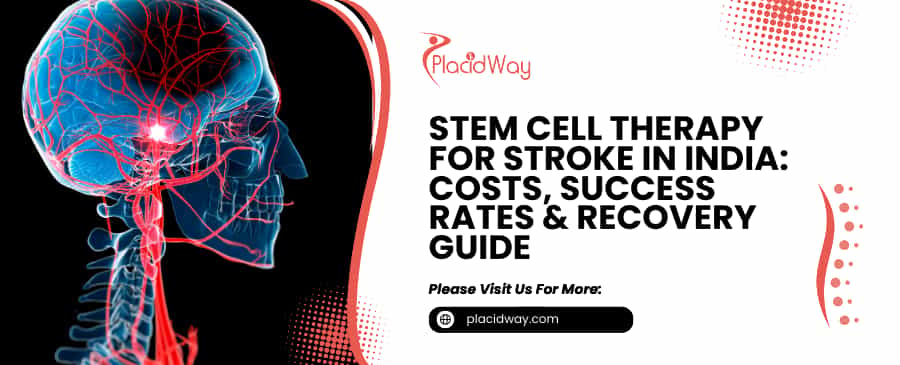
Stroke remains a leading cause of long-term disability worldwide, leaving millions of families searching for solutions beyond standard rehabilitation. Stem cell therapy for stroke in India has emerged as a beacon of hope, combining advanced regenerative medicine with cost-effective care. India’s medical infrastructure now rivals global standards, offering cutting-edge protocols using mesenchymal stem cells (MSCs) to potentially repair damaged brain tissue and restore lost function.
For international patients, navigating the options for stroke treatment in Delhi, Mumbai, or Bangalore can be overwhelming. This guide provides a transparent look at costs, regulatory safety, and what you can realistically expect from your treatment journey in 2025.
Key Takeaways: Why Choose India?
India offers a unique value proposition for medical tourists seeking regenerative care. Here is a snapshot of the financial and medical benefits:
- Huge Cost Savings: Save 70% to 80% compared to the US or UK. Comprehensive packages in India average $6,500, whereas Western clinics often charge upwards of $25,000.
- All-Inclusive Care: most Indian medical tourism packages include airport transfers, hospital stay, physician fees, and intensive neuro-rehabilitation sessions.
- Regional Pricing:
- India (Avg): $5,000 – $8,500
- Mexico: $10,000 – $15,000
- United Kingdom: $30,000+
- No Waiting Lists: Unlike public healthcare systems in Canada or the UK, private Indian hospitals offer immediate scheduling for international patients.
Understanding Stem Cell Therapy for Stroke
Regenerative medicine moves beyond symptom management to target the root cause of disability—cellular damage in the brain.
Traditional stroke treatments focus on preventing further damage, but stem cell therapy aims to repair the injury itself. The core concept involves introducing potent stem cells into the patient's body, which migrate to the site of the brain lesion. This process is believed to help via two main mechanisms:
How Stem Cells Aid Recovery
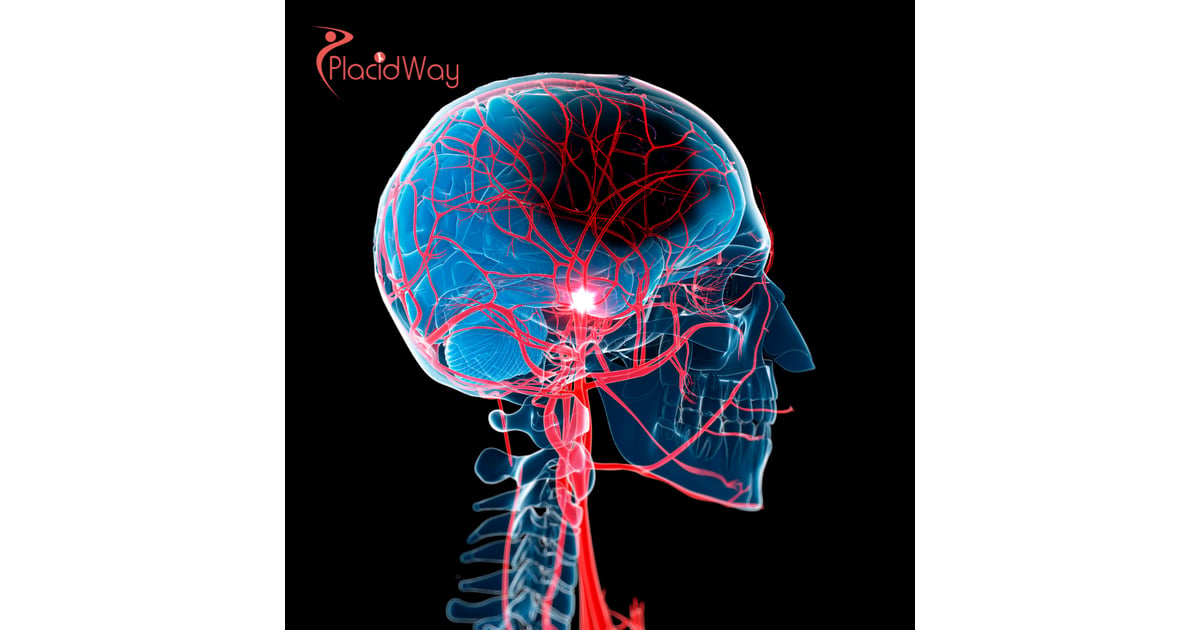
The therapy primarily works through paracrine signaling and neurogenesis. When stem cells are administered, they release growth factors and anti-inflammatory proteins (cytokines) that reduce inflammation in the brain—a key barrier to recovery. Furthermore, they help stimulate angiogenesis (the formation of new blood vessels), improving oxygen supply to dormant neurons in the penumbra (the area surrounding the stroke core), potentially reactivating them.
Types of Cells Used
Clinics in India predominantly use two types of cells for safety and efficacy:
- Autologous Bone Marrow MSCs: Harvested from the patient’s own hip bone, ensuring zero risk of immune rejection.
- Allogeneic Umbilical Cord MSCs: Sourced from healthy donors (post-birth), these cells are "younger" and highly potent, often used when a patient's own bone marrow quality is compromised by age.
"The 'golden window' for stroke treatment was traditionally thought to be just a few hours. However, regenerative medicine is expanding this horizon. Clinical data from top institutes in Mumbai and Delhi suggests that even patients in the chronic phase—6 months to 2 years post-stroke—can see improvements in motor skills and speech. The goal is functional restoration, transforming a bedridden patient's quality of life, rather than promising a complete reversal."
Step-by-Step Treatment Journey in India
From arrival to discharge, the treatment protocol is rigorous, combining surgical precision with intensive therapy.
Pre-Procedure Screening
Before you fly, doctors will review your MRI scans and medical history remotely. Upon arrival in India, a comprehensive evaluation occurs, including blood tests, cardiac clearance, and baseline neurological scoring (NIHSS or Barthel Index) to establish a starting point for measuring improvement.
Harvesting & Administration
If undergoing autologous therapy, the process begins with bone marrow aspiration, usually from the iliac crest (hip bone) under local anesthesia. The sample is processed in an onsite, sterile GMP-compliant laboratory to isolate the Mesenchymal Stem Cells (MSCs).
The cells are then administered back to the patient via:
- Intrathecal Injection (IT): Injection into the spinal fluid (lumbar puncture) to deliver cells directly to the central nervous system, bypassing the blood-brain barrier.
- Intravenous Infusion (IV): A standard drip, allowing cells to circulate systemically and reduce overall inflammation.
Post-Treatment Neuro-Rehabilitation
Stem cells act as "seeds," but rehabilitation is the "water" that helps them grow. Top centers in India mandate a 3-7 day intensive rehabilitation program post-injection, including physiotherapy, occupational therapy, and speech therapy to retrain neural pathways.
Cost of Stem Cell Therapy for Stroke in India
Detailed comparison reveals why India is the global leader for affordable regenerative procedures.
The cost of healthcare in India is significantly lower due to lower labor costs and domestic manufacturing of medical supplies, without compromising on quality. Below is a comparison of estimated costs for a standard stem cell stroke protocol.
| Destination | Price Range (USD) | Inclusions Typical | Hospital Stay |
|---|---|---|---|
| India | $5,000 – $8,500 | Procedure, Hospital Stay, Airport Transfer, Basic Rehab | 5-7 Days |
| Mexico (Tijuana) | $10,000 – $18,000 | Procedure, Shuttle service | 1-3 Days |
| Thailand | $15,000 – $25,000 | Procedure, Luxury nursing care | 5-7 Days |
| United States | $25,000 – $50,000+ | Procedure only (often outpatient) | None |
| United Kingdom | $30,000 – $45,000 | Procedure only | 1-2 Days |
India is known as the "Pharmacy of the World," supplying over 50% of global demand for various vaccines and medicines. This massive domestic pharmaceutical infrastructure allows Indian hospitals to source high-quality medical consumables at a fraction of the global price, directly reducing the cost of your stem cell therapy package.
Top Cities & Facilities for Stroke Treatment
Choosing the right location is critical for accessing the best technology and specialists.
India's metro cities host JCI-accredited hospitals and specialized research centers that cater specifically to international patients.
Mumbai: The Regenerative Hub
Mumbai is home to specialized neuro-cellular institutes which focus exclusively on cell therapy for neurological disorders. These centers often publish their own clinical data and have dedicated wings for international patients, ensuring high-quality, focused care.
Delhi & NCR: Multi-Specialty Excellence
The capital region, including Gurugram, hosts massive, JCI-accredited healthcare cities. These facilities are ideal for patients with co-morbidities (like heart disease or diabetes) because they offer full-scale multi-specialty support alongside regenerative treatments, providing a comprehensive safety net.
Bangalore: The Tech-Health Capital
Known for its biotech sector, Bangalore offers high-tech medical solutions. Hospitals here often utilize advanced imaging and robotic rehabilitation tools to complement stem cell procedures, integrating technology with biological recovery.
Success Rates & Realistic Outcomes
Balancing hope with medical reality is essential for setting proper expectations.
While "cure" is a strong word, "improvement" is the clinical goal. Clinical trials and patient data from India indicate that approximately 65% to 75% of patients experience measurable improvements.
Common improvements reported within 3 to 6 months include:
- Reduced spasticity and muscle stiffness.
- Improved balance and coordination (walking with less support).
- Clearer speech and better swallowing ability.
- Enhanced cognitive alertness and energy levels.
"Success in stem cell therapy is heavily dependent on the rehabilitation that follows. A patient who receives stem cells but remains sedentary will likely see minimal results. The therapy opens a 'window of neuroplasticity'—a period where the brain is primed to learn. Rigorous physical therapy during this window is what translates cellular potential into actual movement for stroke survivors."
Legal & Safety Considerations
Navigating the regulatory landscape to ensure safe and legal treatment.
It is vital to understand that the Central Drugs Standard Control Organization (CDSCO) and ICMR in India classify stem cell therapy for stroke as "investigational." This means it is not a standard, over-the-counter treatment.
Reputable hospitals offer this therapy under approved clinical trial protocols or strict ethical committee guidelines. Patients should always verify that the hospital is registered with the institutional committee for stem cell research (IC-SCR) to ensure the highest safety standards are met. Avoid small, unaccredited clinics making guaranteed claims.
Frequently Asked Questions
Answers to the most searching questions by patients and caregivers.
Is stem cell therapy for stroke safe in India?
Yes, when performed at accredited, government-registered hospitals, the safety profile is very high. These facilities follow strict sterile protocols for harvesting and processing cells to prevent infection or rejection.
How soon after a stroke should I get treatment?
Ideally, the sooner the better. However, unlike TPA drugs which have a 4-hour window, stem cell therapy is effective in the "sub-acute" (1 week to 3 months) and "chronic" (3 months+) phases.
What is the recovery time?
The hospital stay is typically 7-10 days. Initial improvements may be felt within weeks, but significant functional changes usually manifest between 3 to 6 months post-treatment.
Are there any side effects?
Most side effects are minor and temporary, such as headache (from the lumbar puncture), low-grade fever, or soreness at the injection site. Serious complications are extremely rare in accredited centers.
Can I fly back home immediately after treatment?
Doctors typically recommend waiting 48-72 hours after the procedure before flying to ensure no immediate reactions occur and to allow the body to settle.
How many sessions are required?
Many protocols involve a single intensive cycle of multiple injections over a few days. However, depending on severity, a follow-up cycle may be recommended after 6-12 months.
Why is it so much cheaper in India?
The cost difference is driven by the lower cost of living, lower salaries for medical staff (despite high qualifications), and domestic production of medical supplies, not by a lack of quality.
Will I need a visa?
Yes, international patients require a Medical Visa (M-Visa). The hospital will provide a specialized invitation letter to facilitate this process with the Indian embassy.
Do I need to bring a companion?
It is highly recommended. While hospitals provide nursing care, having a family member for emotional support and assistance during travel is invaluable for stroke patients.
Ready to Restore Your Mobility?
Don't let the aftereffects of a stroke define your future. PlacidWay partners with the top JCI-accredited hospitals in India to bring you world-class stem cell therapy packages tailored for international patients.
Get a free, no-obligation quote today and speak directly with our medical care team to plan your safe and affordable journey to recovery.








Share this listing