
.png)
Overcoming addiction is one of life’s most challenging journeys, but the rising cost of healthcare in the United States often puts life-saving treatment out of reach for families in need. For thousands of Americans, drug rehab in Mexico has become a beacon of hope, offering a compassionate, affordable, and highly effective pathway to sobriety without the financial ruin associated with domestic private care.
By combining accredited medical expertise with holistic healing traditions, facilities across Baja California and the Riviera Maya provide a sanctuary for recovery. Whether seeking freedom from opioids, alcohol, or stimulants, patients can access world-class addiction treatment packages that prioritize privacy, dignity, and long-term wellness in a serene, supportive environment.
Key Takeaways: Affordable Recovery Beyond Borders
For many U.S. patients, the rising cost of domestic addiction treatment has made recovery feel out of reach. Mexico has emerged as a premier destination for medical tourism in addiction recovery, offering accredited, high-quality care at a fraction of U.S. prices. From the serene beaches of Baja California to the therapeutic retreats in Cancun, patients can access world-class facilities that combine modern medical detox with holistic healing.
Choosing a drug rehabilitation program in Mexico allows patients to escape environmental triggers and focus entirely on healing in a private, supportive environment. With packages often including medical fees, luxury accommodation, and nutritional therapy, the value proposition is compelling for those seeking effective long-term sobriety.
- Cost Savings: Expect to save 60% to 80% compared to U.S. private rehab facilities.
- All-Inclusive Packages: Most fees cover medically supervised detox, private lodging, gourmet meals, and psychiatric evaluation.
- Reduced Wait Times: Immediate admission is often available, bypassing the weeks-long waiting lists common in the U.S. and Canada.
- Typical Costs by Region:
- Mexico (Standard Inpatient): $5,500 – $10,500 (30 days)
- United States (Standard Inpatient): $25,000 – $45,000+ (30 days)
- Canada (Private Inpatient): $15,000 – $30,000 (30 days)
Why Choose Mexico for Drug Rehabilitation?
Mexico offers a unique combination of clinical excellence and holistic care, providing U.S. patients with affordable access to therapies that address the root causes of addiction.
The decision to cross the border for treatment is often driven by three factors: cost, quality, and the availability of diverse therapies. Unlike the rigid protocols sometimes found in institutionalized U.S. care, rehab centers in Mexico often employ an integrative approach. This means a patient might receive FDA-approved medication-assisted treatment (MAT) in the morning and participate in oceanfront yoga or equine therapy in the afternoon.
Cost Savings vs. Quality of Care
Lower cost does not equate to lower quality. The cost difference is primarily due to the lower cost of living, real estate, and labor in Mexico. Many addiction specialists in Tijuana and Cancun are board-certified and have trained at prestigious institutions in the US and Europe. Facilities are often equipped with modern amenities comparable to luxury resorts, ensuring that patients can undergo the difficult process of detox in maximum comfort.
"A common misconception is that 'cheaper' rehab means cutting corners. In reality, the staff-to-patient ratio in top Mexican rehab centers is often higher than in the U.S. In facilities like those in Rosarito or Ensenada, you might find a 1:1 or 2:1 staff ratio, allowing for deeply personalized care that would cost upwards of $60,000 a month in California."
Holistic and Alternative Therapies
Mexico is a global hub for alternative addiction treatments. While U.S. centers focus heavily on 12-step programs, Mexican facilities often integrate:
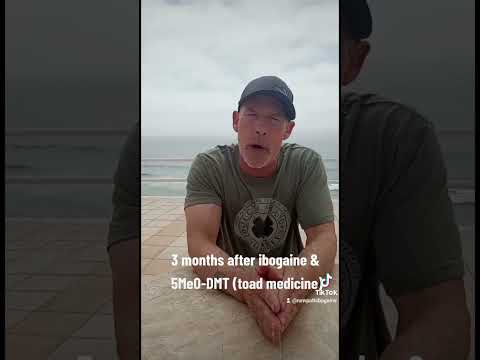
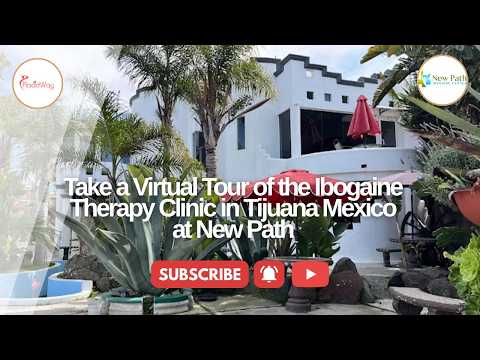
- Ibogaine Therapy: A psychoactive substance derived from the iboga root, used in medically supervised settings to interrupt addiction patterns, particularly for opiates.
- Biochemical Restoration: Nutritional IV therapies and organic diets designed to repair the brain's neurochemistry.
- Traditional Healing: Sweat lodges (Temazcal), meditation, and spiritual counseling to heal the "spirit" alongside the body.
Top Destinations for Rehab in Mexico
From the accessible border region of Baja California to the restorative Caribbean coast, specific regions have developed specialized infrastructure for medical tourism.
Tijuana & Baja California
Located just minutes from the San Diego border, this region is the most popular for drug rehab for US citizens. The proximity allows for easy ground transport (many clinics offer free shuttles from San Diego Airport). Cities like Rosarito and Ensenada offer serene, ocean-view facilities that feel worlds away from the chaos of addiction, yet remain close to U.S. medical infrastructure.
Cancun & Riviera Maya
For those seeking a "destination rehab" experience, Cancun offers luxury facilities that leverage the therapeutic power of nature. These centers often resemble high-end wellness retreats, utilizing the tropical climate for outdoor therapy sessions, swimming, and nature excursions as part of the reintegration process.
Many rehab centers in Baja California operate in exclusive, gated communities that offer complete anonymity. This makes them a preferred choice for executives and high-profile individuals who require absolute privacy while undergoing substance abuse treatment.
Step-by-Step Treatment Journey
Understanding the admission and treatment flow helps reduce anxiety for patients and families planning international travel for care.
1. Admission & Visa Process
The process typically begins with a phone assessment to determine clinical needs. Once approved, patients book travel. U.S. citizens do not need a special medical visa for stays under 180 days; a standard tourist permit (FMM) issued at the border or airport is sufficient.
2. Medical Detox & Stabilization
Upon arrival, the first 3-7 days focus on medical detox. This is often the most critical phase. In accredited facilities, this is overseen by doctors and nurses 24/7, using medications to manage withdrawal symptoms safely and comfortably. For substances like fentanyl or alcohol, this medical supervision is non-negotiable.
3. Inpatient Therapy & Daily Routine
Post-detox, patients move into the residential phase. A typical day might include:
- Morning: Meditation, healthy breakfast, individual psychotherapy.
- Afternoon: Group therapy (CBT/DBT), fitness training, nutritional workshops.
- Evening: 12-step meeting or holistic reflection, leisure time, lights out.
Cost Comparison: Mexico vs. USA & Canada
A detailed look at the financial advantage of choosing Mexico, highlighting the stark contrast in pricing for comparable levels of care.
| Treatment Type | Mexico (Avg. Cost) | USA (Avg. Cost) | What's Included in Mexico |
|---|---|---|---|
| 30-Day Inpatient Rehab | $5,500 – $10,500 | $25,000 – $45,000+ | Lodging, meals, therapy, medical detox |
| Medical Detox (7 Days) | $2,000 – $4,000 | $6,000 – $15,000 | 24/7 Nursing, medication, private room |
| Luxury / Executive Rehab | $15,000 – $25,000 | $60,000 – $100,000+ | Oceanfront suites, chef, spa, massage |
| Ibogaine Therapy | $5,000 – $8,000 | Not FDA Approved | Medical screening, treatment, aftercare |
Safety, Accreditation, and Standards
Navigating the safety landscape is crucial. Patients should prioritize facilities that adhere to international accreditation standards.
Understanding Accreditation (CARF vs. JCI)
When researching centers, look for CARF (Commission on Accreditation of Rehabilitation Facilities) accreditation. This is the gold standard for rehabs specifically. While fewer standalone rehabs hold JCI (Joint Commission International) accreditation compared to large hospitals, many reputable clinics partner with local JCI-accredited hospitals for emergency medical services or complex detox cases, ensuring a safety net for patients.
"Don't just look for a nice website. Ask specifically about licensing by COFEPRIS (Mexico's health authority) and if the facility has US-licensed psychologists on staff. The best centers for Americans in Mexico bridge the gap by adhering to US HIPAA privacy standards and clinical protocols while operating in a Mexican jurisdiction."
Frequently Asked Questions
How much does a 30-day drug rehab program cost in Mexico?
A standard 30-day inpatient drug rehab program in Mexico typically ranges from $5,500 to $10,500 USD. Luxury facilities with private suites and advanced holistic therapies may range from $15,000 to $25,000, which is still significantly lower than comparable U.S. programs.
Is drug rehab in Mexico safe for American patients?
Yes, reputable rehab centers in Mexico are safe and often located in gated, secure communities in tourist-friendly areas like Baja California and Cancun. Choosing a facility with CARF accreditation or partnerships with JCI-accredited hospitals ensures high safety and medical standards.
Does U.S. health insurance cover rehab in Mexico?
Some U.S. PPO insurance plans (like Aetna, Blue Cross Blue Shield, or Cigna) may offer partial reimbursement for out-of-network treatment in Mexico. It is essential to verify your benefits beforehand, as Medicare and Medicaid generally do not provide international coverage.
What types of addiction therapies are available in Mexico?
Mexico is known for offering a blend of evidence-based treatments (CBT, 12-step, medical detox) and alternative therapies not widely available in the U.S., such as Ibogaine therapy, intense holistic protocols, sweat lodges, and nutritional restoration programs.
Do I need a visa to go to rehab in Mexico?
U.S. and Canadian citizens typically do not need a visa for stays under 180 days, which covers most rehab durations (30-90 days). You will enter on a tourist permit (FMM), and it is recommended to state 'medical treatment' as your purpose of visit upon entry.
What is the success rate of Ibogaine treatment in Mexico?
While official statistics vary, many accredited clinics in Mexico report high interruption rates for opioid and stimulant addiction using medically supervised Ibogaine. This psychoactive therapy is legal in Mexico and is often used to rapidly mitigate withdrawal symptoms.
Are the doctors and staff at Mexican rehabs bilingual?
Yes, top-tier rehab centers catering to international patients employ fully bilingual medical teams, therapists, and support staff. Many directors and lead psychiatrists have received training or board certification in the United States or Europe.
Can I bring my laptop or phone to rehab in Mexico?
Policies vary by facility. Executive and luxury rehabs often allow devices to let professionals maintain work obligations, while traditional therapeutic communities may restrict access during the initial detox phase to ensure focus on recovery.
What happens after discharge from a Mexican rehab center?
Reputable centers provide a comprehensive aftercare plan before you leave. This often includes coordination with a local therapist in the U.S., virtual follow-up sessions, access to alumni support groups, and a relapse prevention strategy tailored to your home environment.
Ready to Reclaim Your Life?
Don't let the high cost of treatment stand in the way of your recovery. PlacidWay connects you with the top-rated, accredited drug rehabilitation centers in Mexico, offering safe, effective, and affordable packages for U.S. patients.
Get a free, confidential quote today and let our care team guide you toward a fresh start.
Get a Free Quote for Rehab in Mexico.png)




.png)
.png)
.png)
.png)

.jpg)
.jpg)
.jpg)
.jpg)








Share this listing