


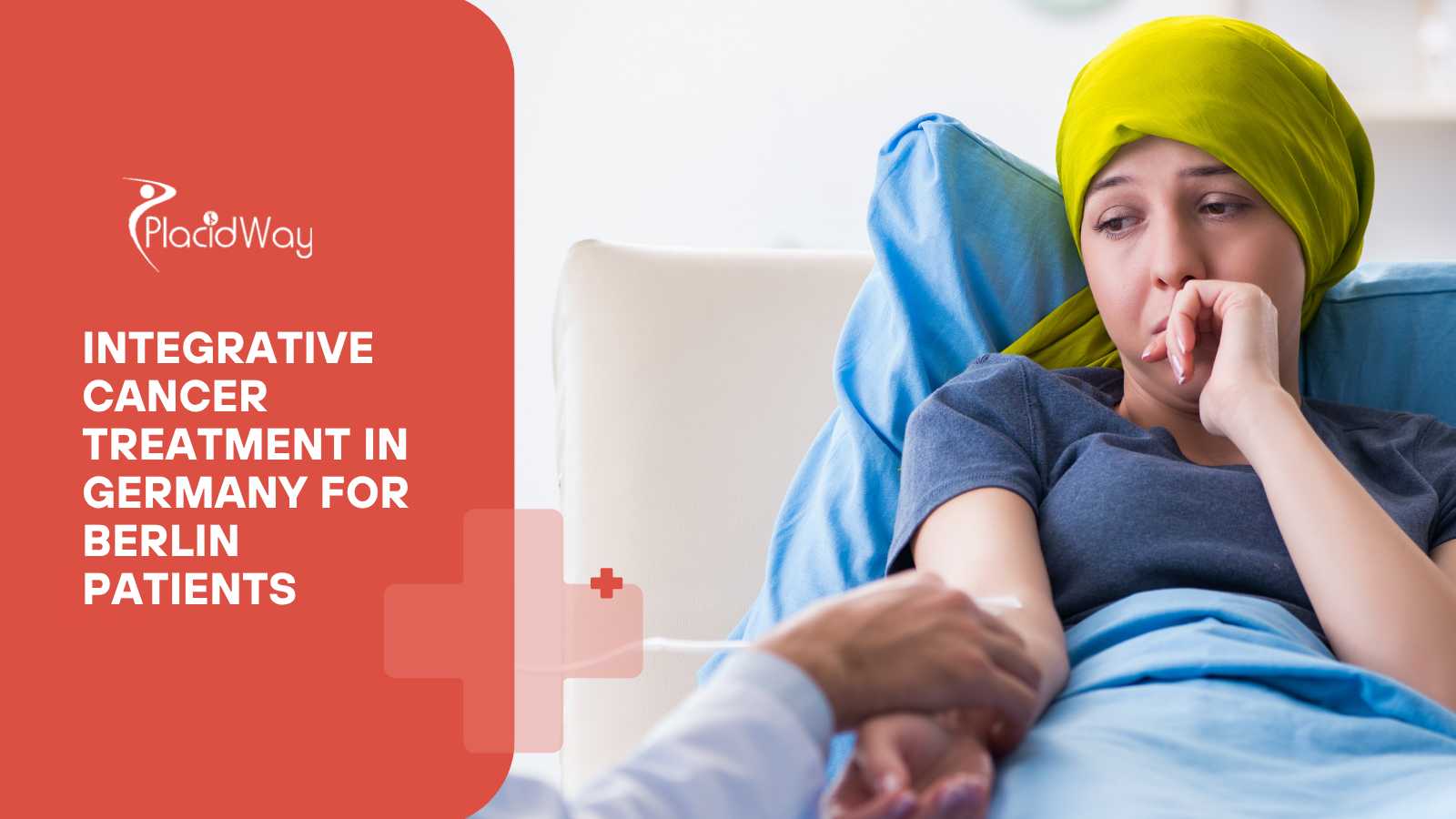
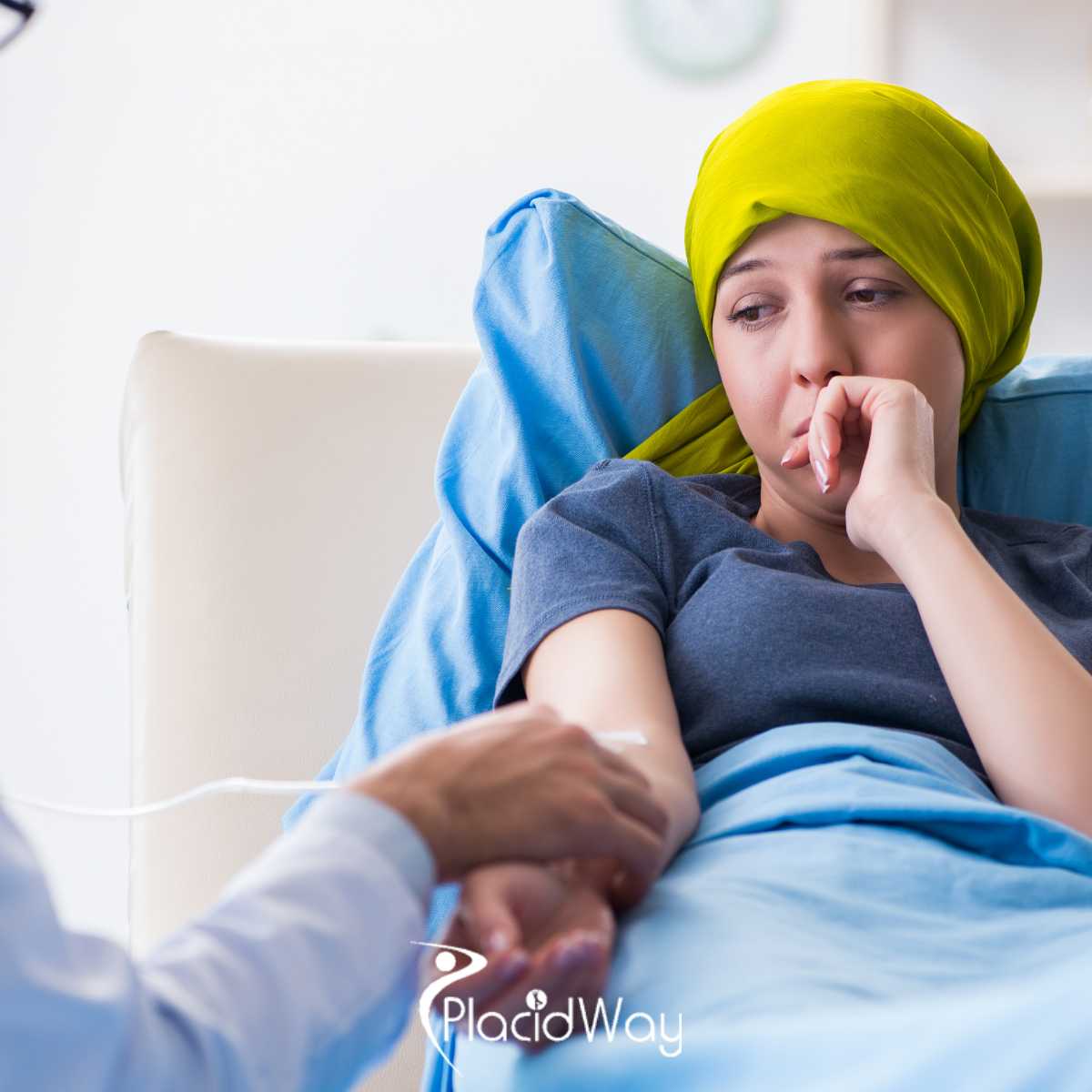
Integrative cancer treatment in Germany combines evidence-based oncology with carefully selected supportive care. For patients living in Berlin, this may mean receiving surgery, radiotherapy, chemotherapy, immunotherapy, or targeted treatment alongside psycho-oncology, nutrition support, cancer rehabilitation, symptom management, exercise, or selected mind-body therapies.
The central safety rule is simple: complementary care should support your oncology plan, not replace it. Before paying for an additional therapy, verify its purpose, evidence, risks, practitioner qualifications, insurance coverage, and possible interactions with your cancer medication.
Quick Summary for Berlin Patients Considering Integrative Oncology
- What it means: Integrative oncology adds evidence-informed supportive care to standard cancer treatment. It does not replace surgery, radiation, medication, or specialist follow-up.
- Potential goals: Appropriate supportive services may help manage fatigue, anxiety, nausea, pain, sleep problems, reduced mobility, poor nutrition, and treatment-related stress.
- Best starting point: Ask whether your case is reviewed by a multidisciplinary tumor board and whether the center follows German oncology guidelines.
- Center credentials: Look for a German Cancer Society-certified center through OncoMap or a Comprehensive Cancer Center supported by Deutsche Krebshilfe.
- Doctor credentials: Verify medical registration and specialty qualifications through Ärztekammer Berlin, the relevant state medical chamber, or the regional Association of Statutory Health Insurance Physicians.
- Cost: There is no standard integrative cancer package price in Germany. Covered oncology services, optional self-pay therapies, insurance status, medicines, travel, and treatment duration all affect your expenses.
- Main caution: Supplements, herbs, high-dose vitamins, fasting programs, and unapproved substances may interact with cancer treatment or cause harmful side effects.
- Expected outcome: Integrative care may improve symptom control or quality of life. It should not be presented as a guaranteed way to shrink, cure, or prevent cancer.
What Integrative Cancer Treatment Means in Germany
Integrative cancer treatment is a coordinated approach in which supportive therapies are used alongside medically indicated oncology care. Your main treatment may include surgery, radiotherapy, chemotherapy, hormone therapy, immunotherapy, targeted medication, stem-cell transplantation, or active surveillance, depending on your diagnosis.
Complementary care has a different purpose. It may address symptoms, treatment side effects, physical function, nutrition, emotional distress, sleep, fatigue, or rehabilitation. The therapy should have a clearly defined goal and should be discussed with your oncology team.
Complementary Cancer Care
Used together with standard oncology to support symptoms, function, coping, or quality of life.
Alternative Cancer Treatment
Used instead of established oncology treatment. This may delay effective care and increase the risk of cancer progression.
Clinical distinction: A therapy can be described as natural, holistic, biological, or non-toxic and still cause side effects or drug interactions. Marketing language does not establish safety or effectiveness.
Evidence-Based Components of Integrative Oncology in Germany
The suitability of any supportive therapy depends on your cancer type, treatment, symptoms, blood counts, mobility, nutritional status, medications, and personal goals. A method that helps one symptom may be inappropriate for another patient.
| Supportive component | Possible clinical goal | Important safety consideration | Question to ask |
|---|---|---|---|
| Oncology exercise therapy | Improve strength, mobility, function, and cancer-related fatigue. | The program must consider bone metastases, anemia, infection risk, heart conditions, neuropathy, and surgical restrictions. | Will an oncology-trained therapist adapt the program to my diagnosis and treatment phase? |
| Psycho-oncology | Support anxiety, distress, adjustment, family communication, sleep, and coping. | Severe depression, crisis symptoms, or suicidal thoughts require prompt specialist assessment. | Is the professional qualified in psycho-oncology and experienced with cancer patients? |
| Oncology nutrition counseling | Prevent or manage weight loss, malnutrition, swallowing problems, digestive symptoms, and treatment-related appetite changes. | Restrictive cancer diets or unsupervised fasting can worsen malnutrition and treatment tolerance. | Will a registered dietitian assess my weight trend, intake, symptoms, and laboratory findings? |
| Mind-body support | Reduce stress and support relaxation, sleep, emotional well-being, and self-management. | These approaches support coping but should not be presented as treatments that destroy cancer cells. | What symptom is this intended to address, and how will progress be evaluated? |
| Acupuncture or acupressure | May be considered for selected symptoms, including some forms of treatment-related nausea or fatigue. | Needle procedures may be unsuitable with severe thrombocytopenia, neutropenia, infection, lymphedema risk, or anticoagulant use. | Has my oncologist reviewed my blood counts, medicines, and infection or bleeding risks? |
| Supportive and palliative medicine | Control pain, breathlessness, nausea, fatigue, insomnia, appetite problems, and other symptoms at any cancer stage. | Palliative care should not be confused with stopping treatment or giving up. | Can supportive or palliative specialists become involved while active treatment continues? |
| Cancer rehabilitation | Support physical recovery, return to daily activities, symptom management, and social or occupational reintegration. | Timing and intensity must match surgical recovery, treatment toxicities, and overall health. | Am I eligible for outpatient, inpatient, or follow-up rehabilitation? |
Practical takeaway: The strongest integrative plan is not the plan with the most therapies. It is the plan that targets your documented symptoms, avoids interactions, coordinates with oncology, and stops interventions that are ineffective or harmful.
Which Integrative Cancer Therapies Require Extra Caution
Berlin patients should be cautious with any provider claiming to cure cancer through supplements, detoxification, immunity boosting, special diets, intravenous vitamins, unapproved drugs, or proprietary biological protocols. Such claims require reliable clinical evidence for the exact cancer type and treatment setting.
| Method or claim | Why caution is needed | Safer next step |
|---|---|---|
| High-dose antioxidants | Some antioxidants may interfere with the intended cellular effects of chemotherapy or radiotherapy. | Ask an oncology pharmacist or oncologist to review the product, dose, and treatment schedule. |
| St. John’s wort | It can change liver-enzyme activity and reduce blood levels of certain cancer medicines. | Do not start or stop it without a medication-interaction review. |
| Extreme cancer diets | Severe restriction may lead to weight loss, nutrient deficiencies, weakness, and reduced treatment tolerance. | Request assessment from an oncology dietitian before changing your diet substantially. |
| Mistletoe preparations | Evidence does not establish mistletoe as a cancer cure, and suitability varies by diagnosis and immune status. | Discuss the proposed goal, evidence, side effects, and contraindications with your oncologist. |
| Unapproved repurposed medicines | Laboratory findings or online testimonials do not establish effective or safe cancer treatment in people. | Ask whether the medicine is approved for your indication or available through a registered clinical trial. |
| “Replace chemotherapy” promises | Delaying or rejecting effective treatment may allow the cancer to progress. | Obtain a second opinion from a qualified oncology specialist or certified cancer center. |
Warning sign: Be especially cautious when a provider discourages communication with your oncologist, refuses to provide ingredient lists, requests immediate payment, promises a cure, or cannot explain how complications will be managed.
When Berlin Patients May Consider Treatment Elsewhere in Germany
Berlin already has access to advanced oncology services, specialist practices, certified treatment networks, and a Comprehensive Cancer Center. Traveling to another German region is not automatically necessary or medically better.
A referral or second opinion elsewhere may be reasonable when your diagnosis is rare, the proposed operation is highly complex, a specific clinical trial is unavailable locally, or another center has greater experience with your exact tumor type.
Care May Remain in Berlin When
- The required specialists and technology are available locally.
- Your case is reviewed by a multidisciplinary tumor board.
- The center follows current disease-specific guidelines.
- You have reliable emergency and follow-up access.
- Travel would disrupt treatment continuity or family support.
Travel May Be Considered When
- You need expertise in a rare or difficult-to-treat cancer.
- A specialized procedure is performed at limited centers.
- A relevant clinical trial is recruiting elsewhere.
- You want an independent pathology or treatment review.
- Your local team recommends referral to a higher-volume service.
No reliable public dataset establishes how many Berlin cancer patients travel to each German region for integrative oncology. Decisions should therefore be based on individual clinical need rather than assumed destination popularity.
Integrative Cancer Treatment Costs for Berlin Patients
There is no nationally standardized price for integrative cancer treatment in Germany. Standard oncology, rehabilitation, supportive services, prescriptions, optional therapies, and self-pay products may be billed or covered differently.
For patients covered by German statutory health insurance, medically necessary cancer care is generally processed through the health-insurance system. However, statutory copayments may apply, and many non-standard complementary services require prior approval or private payment.
| Cost category | German payment context | Approximate USD context | What to confirm |
|---|---|---|---|
| Inpatient hospital copayment | Eligible adult statutory-insurance members generally pay €10 per calendar day, limited to 28 days per calendar year. | About $11.49 daily and approximately $321.58 for 28 days, using the stated ECB reference rate. | Whether an exemption, annual payment limit, or other rule applies to you. |
| Prescription medicines | The usual statutory copayment is 10% of the price, with minimum and maximum amounts under applicable rules. | A €5–€10 copayment is approximately $5.74–$11.49. | Exemptions, reference pricing, authorization, and whether the medicine is covered. |
| Psycho-oncology and supportive care | May be included through a cancer center, rehabilitation program, hospital, or approved outpatient service. | No reliable national self-pay range applies to every service. | Referral requirements, provider approval, number of sessions, and waiting times. |
| Exercise and rehabilitation | Coverage may depend on prescription, rehabilitation eligibility, program type, and insurer approval. | Request a euro quote and convert it at the exchange rate used by your bank or card provider. | Whether transport, accommodation, equipment, and follow-up are included. |
| Complementary consultations | Some services are privately billed when they fall outside standard insurance benefits. | Costs vary by professional, duration, method, and number of visits. | Written fee schedule, cancellation policy, treatment goal, and total planned course. |
| Supplements and biological products | Usually self-paid unless a specific covered indication applies. | Long-term product costs may reach several hundred dollars monthly, depending on the products used. | Ingredient list, dose, duration, evidence, interactions, refund terms, and recurring charges. |
| Travel within Germany | Train travel, local transport, accommodation, meals, and caregiver expenses may remain your responsibility. | The total depends on destination, treatment frequency, and length of stay. | Whether medically necessary travel qualifies for insurer support or prior authorization. |
USD conversions use the European Central Bank reference rate of €1 = $1.1485 published on July 31, 2026. Exchange rates and bank charges change, so treatment providers should issue the final quote in euros.
Cost-protection step: Ask your statutory or private insurer for written confirmation before starting a complementary service. A provider’s recommendation does not automatically mean the service is covered.
How Berlin Patients Can Choose a Cancer Center in Germany
A trustworthy cancer center in Germany should combine appropriate medical expertise with transparent supportive care, documented quality systems, multidisciplinary planning, and reliable complication management. A polished website or wellness-oriented environment is not sufficient evidence of clinical quality.
| Trust signal | Why it matters | How to verify it |
|---|---|---|
| German Cancer Society certification | Certified centers are assessed against disease-specific or multidisciplinary quality requirements. | Search OncoMap by cancer type, city, federal state, or distance. |
| Comprehensive Cancer Center status | These university-linked centers combine specialized treatment, research, clinical trials, and supportive services. | Review the current Deutsche Krebshilfe list of supported Oncological Centers of Excellence. |
| Multidisciplinary tumor board | Different specialists can review pathology, imaging, treatment options, sequencing, and clinical-trial suitability. | Ask which specialties attend and whether your case will be formally documented. |
| Disease-specific experience | Experience with your exact cancer subtype and procedure is more relevant than general cancer marketing. | Ask about annual case volume, specialist team, technology, and referral pathways. |
| Integrative-oncology governance | Supportive therapies should be reviewed for evidence, interactions, contraindications, and treatment goals. | Ask who approves complementary therapies and how information reaches your primary oncologist. |
| Emergency capability | Cancer treatment can cause infection, bleeding, allergic reactions, organ toxicity, and other urgent problems. | Confirm after-hours access, inpatient capability, intensive-care access, and hospital-transfer arrangements. |
| Transparent written estimate | A written estimate helps distinguish covered care, self-pay services, medicines, travel, and recurring costs. | Request itemized inclusions, exclusions, refund terms, and expected treatment duration. |
Balanced interpretation: International accreditation is not required for a German cancer center to provide appropriate care. National licensing, specialist qualifications, German certification systems, treatment capabilities, and continuity are more relevant starting points.
How to Verify an Integrative Oncology Doctor in Germany
Doctors working in Germany should have valid professional registration through the relevant state medical chamber. Berlin patients can begin with Ärztekammer Berlin and regional physician-search resources linked by the German Medical Association.
Registration alone does not establish expertise in your cancer type. You should also verify the physician’s specialty training, role within the cancer team, treatment experience, and responsibility for complications.
- Verify medical registration. Confirm that the physician appears in the relevant state or regional professional records.
- Confirm specialty qualifications. Depending on the service, this may include medical oncology, hematology, radiation oncology, surgery, palliative medicine, rehabilitation medicine, or another relevant specialty.
- Ask about cancer-specific experience. A practitioner offering supportive care should understand oncology treatment, blood-count changes, infection risk, thrombosis, bone metastases, neuropathy, and drug interactions.
- Clarify who leads the treatment plan. Your medical oncologist or multidisciplinary team should remain responsible for cancer-directed treatment decisions.
- Review communication procedures. Ask whether consultation notes, medication changes, and adverse events will be shared with your other doctors.
- Check financial disclosure. The doctor should explain which services are covered, privately billed, recurring, or dependent on insurer approval.
- Reject unsupported guarantees. A qualified physician should not promise a cure, guaranteed immune enhancement, or a predictable tumor response from complementary care.
Medical Records Needed for Integrative Cancer Care in Germany
A safe integrative assessment requires more than a diagnosis name. Your clinician needs enough information to understand your cancer, current treatment, organ function, symptoms, medicines, and risks.
Cancer Documentation
- Pathology and biomarker reports
- TNM or other staging information
- Operative and discharge reports
- Current oncology treatment plan
Imaging and Test Results
- CT, MRI, PET/CT, or ultrasound reports
- Relevant image files when requested
- Recent blood counts and organ-function tests
- Cardiac, lung, or bone assessments when relevant
Medication Information
- Prescription and non-prescription medicines
- Supplements, teas, herbs, powders, and injections
- Allergies and previous reactions
- Anticoagulant and immunosuppressive treatment
Practical Information
- Insurance and authorization documents
- Current symptoms and treatment goals
- Mobility, nutrition, and caregiving needs
- Contact details for your Berlin oncology team
Medication-safety tip: Photograph every supplement and complementary product label. Include the ingredients, strength, manufacturer, dose, and frequency rather than reporting only the product name.
Integrative Cancer Treatment Timeline for Berlin Patients
Integrative care should develop around your oncology timeline rather than delay it. Urgent diagnostic tests, surgery, radiotherapy, or systemic treatment should not be postponed while optional supportive services are arranged.
| Care phase | Clinical process | Patient experience | Action required |
|---|---|---|---|
| Diagnosis and staging | Pathology, imaging, laboratory testing, and specialist review establish the diagnosis and treatment options. | This period may involve uncertainty, repeated appointments, and information overload. | Prioritize diagnostic accuracy and record every medicine or supplement already used. |
| Tumor-board planning | Specialists review cancer-directed treatment, sequencing, clinical trials, supportive needs, and referral options. | You may receive several options with different risks and goals. | Ask which recommendation is guideline-based and which supportive services are appropriate. |
| Before active treatment | The team may assess nutrition, mobility, dental needs, fertility, emotional health, and treatment readiness. | Symptoms and practical concerns may become more noticeable as treatment approaches. | Complete interaction checks and stop unsafe products only under professional guidance. |
| During cancer treatment | Supportive care is adjusted according to blood counts, side effects, infection risk, mobility, and treatment response. | Fatigue, nausea, pain, sleep changes, appetite problems, or emotional distress may fluctuate. | Report new symptoms and every complementary product to the oncology team. |
| Recovery and rehabilitation | Rehabilitation may address strength, function, nutrition, cognition, neuropathy, work, and emotional recovery. | Recovery may be gradual and may not follow a predictable schedule. | Use measurable goals and reassess treatments that do not provide meaningful benefit. |
| Follow-up or survivorship | Surveillance, late-effect management, prevention, rehabilitation, and psychosocial support may continue. | Concern about recurrence and long-term symptoms can persist after active treatment. | Follow the cancer-specific surveillance plan and avoid unproven recurrence-prevention products. |
Risks and Possible Complications of Integrative Cancer Care
The main risks are not limited to direct side effects. Harm can also result from drug interactions, delayed oncology treatment, malnutrition, infection, bleeding, financial pressure, or poor communication between providers.
Medication Interactions
Herbs, supplements, vitamins, and non-prescription medicines may change cancer-drug absorption, metabolism, effectiveness, or toxicity.
Bleeding or Infection
Needles, manual treatments, or invasive procedures may be unsafe when blood counts are low or immunity is suppressed.
Exercise-Related Injury
Unsupervised exercise may cause falls, fractures, cardiovascular strain, or worsening pain in vulnerable patients.
Nutritional Harm
Restrictive diets, prolonged fasting, or excessive supplements may worsen weakness, weight loss, dehydration, or organ problems.
Delayed Effective Treatment
Pursuing an alternative protocol may reduce the opportunity for surgery, radiation, or systemic therapy to work effectively.
Financial Toxicity
Long-term packages, recurring product purchases, travel, and self-pay consultations can create significant financial stress.
Seek urgent medical help for:
- Fever or infection symptoms during chemotherapy or other immune-suppressing treatment.
- Sudden shortness of breath, chest pain, fainting, confusion, or severe weakness.
- Uncontrolled bleeding, black stools, vomiting blood, or coughing significant blood.
- Severe allergic reaction, facial swelling, wheezing, or difficulty breathing.
- Persistent vomiting, inability to drink, or signs of severe dehydration.
- Any symptom identified as an emergency in your oncology team’s written instructions.
Expected Results from Integrative Oncology in Germany
The realistic goal of integrative oncology is usually improved symptom control, physical function, treatment tolerance, emotional well-being, or quality of life. Results depend on the symptom being treated, the intervention, your health, and the quality of professional supervision.
Complementary therapies should not be expected to produce a predictable tumor response. Cancer control, remission, recurrence risk, and survival are primarily evaluated according to the cancer-directed treatment and the biology of your disease.
| Appropriate outcome measure | How it may be monitored | When to reconsider the therapy |
|---|---|---|
| Fatigue or daily function | Symptom rating, walking tolerance, daily activity, or rehabilitation assessment. | Symptoms worsen, no meaningful progress occurs, or the activity becomes unsafe. |
| Nausea or appetite | Episode frequency, food intake, hydration, weight, and need for prescribed medication. | You cannot maintain intake, lose weight, or delay evidence-based anti-nausea care. |
| Anxiety or sleep | Validated screening, sleep pattern, distress level, and ability to manage daily responsibilities. | Distress becomes severe, crisis symptoms develop, or specialist mental-health care is required. |
| Pain or neuropathy | Pain scores, medication use, sensation, balance, sleep, and physical function. | New weakness, severe pain, falls, neurological changes, or cancer progression is suspected. |
Cancer Demographics and Care Context in Germany
The latest national cancer report published in 2025 recorded approximately 517,800 new cancer diagnoses in Germany during 2023. About 276,400 diagnoses were among men and 241,400 among women.
These figures describe overall cancer burden rather than demand for integrative treatment. There is no reliable national dataset showing which proportion of Berlin patients use each complementary method or travel to specific German cities for care.
New Cancer Diagnoses in Germany, 2023
Source context: Robert Koch Institute and Association of Population-Based Cancer Registries in Germany, report published in 2025.
Patient-centered interpretation: Integrative care should not be selected according to age, gender, or destination popularity alone. Your diagnosis, symptoms, treatment, health status, preferences, and safety risks should guide the plan.
Questions Berlin Patients Should Ask Before Starting Treatment
- What is the exact goal of each standard and complementary treatment?
- Which recommendations follow a current German oncology guideline?
- Will this therapy affect surgery, radiotherapy, immunotherapy, chemotherapy, or targeted medication?
- Who has checked my medicines and supplements for interactions?
- Is the center listed in OncoMap or recognized within another German quality framework?
- Is my case reviewed by a multidisciplinary tumor board?
- Who manages complications after hours?
- Which services are covered by my insurer, and which are privately billed?
- What is the complete planned cost, including recurring products and follow-up?
- How will we measure whether the supportive therapy is helping?
- Under what circumstances should the therapy be stopped?
- How will information be shared with my Berlin oncologist and family doctor?
Frequently Asked Questions About Integrative Cancer Treatment in Germany
What is integrative cancer treatment in Germany?
Integrative cancer treatment combines guideline-based oncology with selected supportive services. These may include exercise, nutrition counseling, psycho-oncology, rehabilitation, symptom management, relaxation techniques, or carefully assessed complementary therapies. The supportive methods should not replace surgery, radiotherapy, chemotherapy, immunotherapy, targeted treatment, or specialist surveillance.
Is integrative oncology the same as alternative cancer treatment?
No. Integrative oncology uses supportive care together with evidence-based cancer treatment. Alternative treatment is used instead of standard oncology. Replacing effective cancer treatment with an unproven method may delay care, allow disease progression, and reduce the opportunity for successful treatment.
Can integrative cancer treatment cure cancer?
Complementary therapies should not be promoted as cancer cures. Their realistic role is usually to support symptoms, function, emotional well-being, rehabilitation, or treatment tolerance. Cancer control depends mainly on the tumor biology, stage, and effectiveness of the medically indicated cancer-directed treatment.
Does German health insurance cover integrative cancer care?
Coverage depends on the service, medical indication, provider, insurance plan, referral, and authorization rules. Some psycho-oncology, rehabilitation, nutrition, exercise, and supportive services may be covered or included in a cancer program. Supplements and many optional complementary consultations are commonly self-paid.
How much does integrative cancer treatment cost in Germany?
There is no standard national package price. Costs depend on insurance status, cancer treatment, rehabilitation, provider fees, medicines, optional therapies, supplements, travel, and duration. Request a written euro estimate that separates covered care, private services, recurring products, exclusions, and cancellation terms.
Should Berlin patients travel to another German city for cancer care?
Not necessarily. Berlin provides access to advanced oncology and a Comprehensive Cancer Center. Travel may be reasonable for a rare cancer, complex procedure, clinical trial, specialized second opinion, or referral recommended by your local team. Clinical expertise and continuity matter more than destination popularity.
How can I find a certified cancer center in Germany?
Use OncoMap to search centers certified according to German Cancer Society requirements. You can filter by cancer type, city, federal state, and distance. Deutsche Krebshilfe also publishes its network of supported Comprehensive Cancer Centers and Oncological Centers of Excellence.
How do I verify a cancer doctor in Berlin or Germany?
Check the physician through Ärztekammer Berlin or the relevant state medical chamber and regional physician-search service. Confirm specialty qualifications, experience with your cancer type, role in the multidisciplinary team, treatment volume when relevant, and responsibility for managing complications.
Can supplements interfere with chemotherapy or immunotherapy?
Yes. Supplements, herbs, vitamins, and plant extracts may alter drug metabolism, increase toxicity, affect bleeding, or interfere with treatment effects. Give your oncology team the complete product labels and doses. Do not assume that a natural product is automatically safe.
Is acupuncture safe during cancer treatment?
Acupuncture may be considered for selected symptoms, but safety depends on blood counts, infection risk, anticoagulants, skin condition, lymphedema risk, and treatment phase. Your oncology team should review these factors before treatment by an appropriately qualified practitioner.
Are special cancer diets recommended in Germany?
No single diet has been established as a universal cancer cure. Restrictive diets and prolonged fasting may cause malnutrition, weakness, or weight loss. Patients with appetite changes, digestive symptoms, swallowing difficulties, or weight loss should receive individualized advice from an oncology-trained dietitian.
What should I take to an integrative oncology consultation?
Bring pathology, staging, imaging, laboratory results, treatment summaries, operation reports, insurance documents, allergies, current symptoms, and a complete medication list. Include photographs or labels for every supplement, herbal preparation, powder, tea, injection, or non-prescription product you use.
Compare Integrative Cancer Care Options Carefully
PlacidWay can help you request information, compare provider details, review estimated costs, and prepare questions about credentials, treatment scope, supportive care, and follow-up. Any final treatment decision should be made with a qualified oncology team that has reviewed your medical records.
Request Provider InformationMedical Disclaimer
Disclaimer: This information is for educational purposes only and does not replace professional medical advice, diagnosis, emergency care, or an individualized treatment plan. Always consult a qualified oncology professional before starting, stopping, delaying, or combining cancer treatments, medicines, supplements, diets, exercise programs, or complementary therapies.
References
- S3 Guideline: Complementary Medicine in Oncology – German Guideline Program in Oncology
- Complementary and Alternative Cancer Medicine – German Cancer Research Center Cancer Information Service
- Directory of German Cancer Society-Certified Centers – OnkoZert
- Oncological Centers of Excellence – Deutsche Krebshilfe
- Regional Physician Search and Medical Chamber Information – German Medical Association
- Statutory Health Insurance Copayment Rules – German Federal Ministry of Health
- Cancer in Germany 2021–2023 – Robert Koch Institute and German Cancer Registries
- Euro–U.S. Dollar Reference Exchange Rate – European Central Bank









.png)








Share this listing