
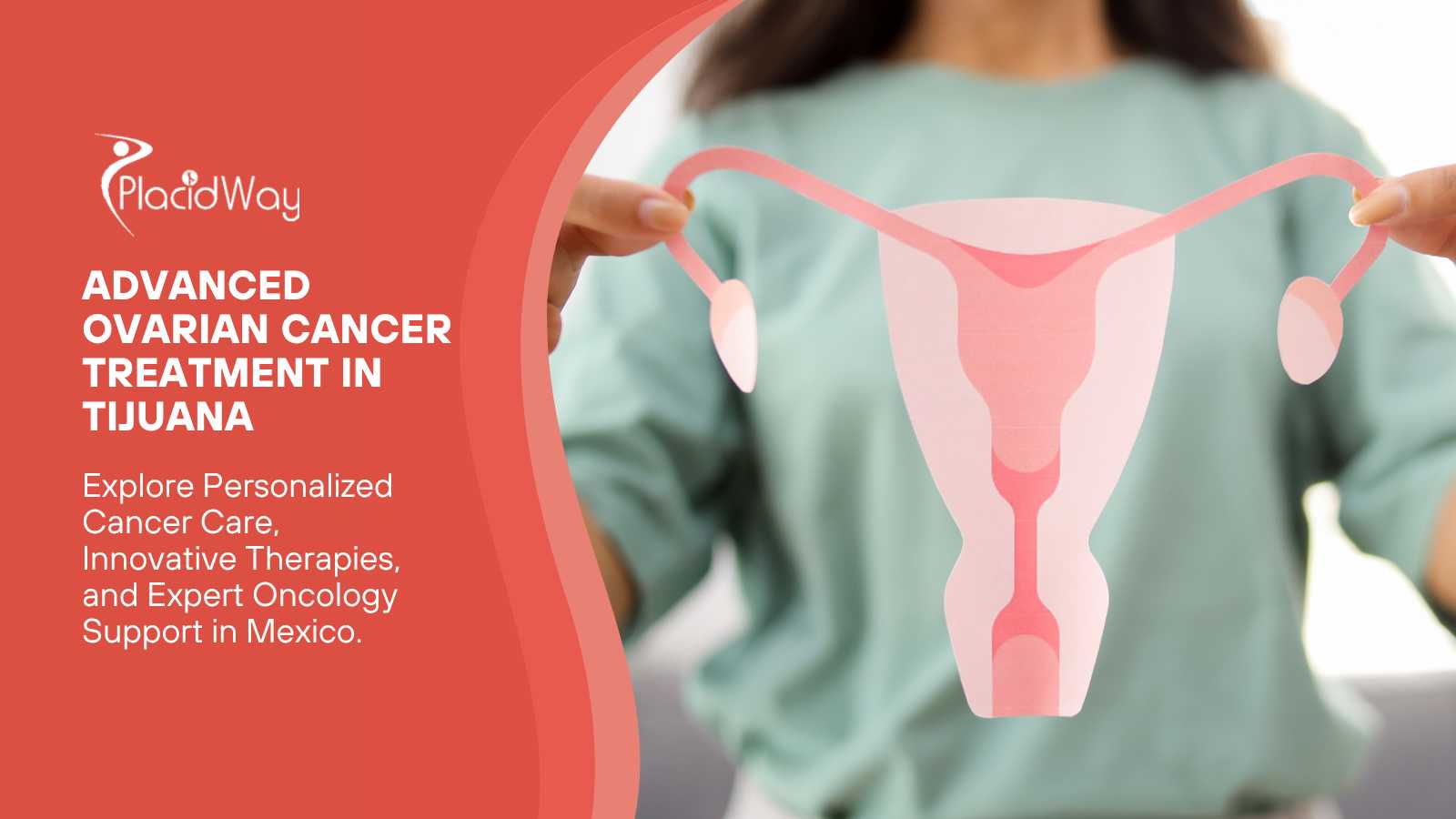
Facing an oncology diagnosis often prompts you to explore every possible avenue for healing, which is why researching advanced ovarian cancer treatment options in Tijuana can help you access comprehensive, patient-centered care. You can find integrative therapies and advanced surgical protocols at highly competitive costs compared to the US or Canada, provided you carefully verify that your chosen clinic holds active COFEPRIS licensing and your doctors are certified by the Consejo Mexicano de Oncología. By understanding both the financial benefits and the necessary quality indicators, you can make an empowered, safe decision for your health journey abroad.
Quick Summary of Treatment in Mexico
- Estimated Cost: Typically ranges from $15,000 to $35,000 USD depending on whether you require surgery, targeted therapy, or comprehensive integrative oncology packages.
- Ideal Candidate: Patients seeking alternative or integrative therapies to complement standard care, or those looking for affordable advanced protocols not easily accessible at home.
- Important Certifications: Always look for hospital licensing from COFEPRIS and ensure your surgeon is board-certified by the Consejo Mexicano de Oncología.
- Expected Recovery Time: Varies significantly by treatment, but surgical interventions usually require a 2 to 4-week initial recovery period in Mexico before traveling home.
- Why Patients Choose Tijuana: Proximity to the US border allows for convenient travel, while dedicated medical tourism infrastructure supports international patients with personalized, holistic care options.
- Important Caution: Integrative therapies should be viewed as supportive rather than standalone cures, and you must coordinate with your primary oncologist back home for long-term monitoring.
Why Patients Seek Advanced Ovarian Cancer Care in Mexico
Patients pursue advanced ovarian cancer treatment in Tijuana primarily to access a blend of conventional and integrative therapies that may be cost-prohibitive or unavailable in their home countries. When you face a complex diagnosis, having access to a wider variety of treatment philosophies allows you to tailor a medical plan that aligns with your personal health goals. Tijuana has developed a robust medical infrastructure specifically designed to cater to international oncology patients.
Primary Reasons for Traveling to Tijuana
- Access to comprehensive integrative oncology that combines nutrition, mind-body medicine, and targeted therapies.
- Significant cost savings on advanced protocols compared to United States healthcare systems.
- Shorter wait times to begin critical treatments or consultations with specialized oncologists.
- Proximity to San Diego makes travel logistics much easier for North American patients.
- Availability of dedicated medical tourism coordinators who assist with language, travel, and lodging.
Many patients traveling from the United States and Canada feel comforted by the highly personalized, high-touch care model offered by Mexican oncology centers. Instead of navigating a massive, impersonal hospital system, you often receive individualized attention from a multidisciplinary team focused entirely on your specific biological and emotional needs.
Recent Patient Demographics for Cross Border Oncology
Recent data from 2024 to 2025 indicates that the majority of international patients traveling to Tijuana for advanced ovarian cancer treatment are women between the ages of 50 and 69 arriving from the United States and Canada. These patients typically seek cross-border care after an initial diagnosis in their home country, motivated by a desire to explore integrative therapeutic options or to find more affordable avenues for extended treatment regimens.
Age Distribution of International Oncology Patients in Tijuana (2024-2025 Data)
Understanding these demographics helps you realize that you are part of a larger community of patients proactively seeking specialized care. Facilities in this region have adapted to this demographic by providing extensive support services, including English-speaking staff and comprehensive assistance with cross-border logistics.
Understanding the Types of Ovarian Cancer Therapies Available
Advanced ovarian cancer treatment in Tijuana encompasses a variety of modalities ranging from conventional surgical debulking to cutting-edge immunotherapy and integrative metabolic therapies. Depending on the specific stage and biological markers of your cancer, your clinical team may recommend combining standard oncology protocols with holistic supportive care to maximize effectiveness. This dual approach aims to target malignant cells while simultaneously strengthening your immune system.
Conventional Protocols
These include cytoreductive surgery to remove visible tumors, localized chemotherapy (such as HIPEC), and targeted drug therapies designed to attack specific cancer cell mutations.
Integrative Protocols
These involve immune-boosting IV therapies, hyperthermia, high-dose vitamin C, nutritional counseling, and metabolic therapies designed to improve your quality of life during standard treatments.
Your doctor will evaluate your previous medical records, pathology reports, and imaging to suggest the safest and most effective combination. It is crucial to maintain realistic expectations and understand that no single therapy works perfectly for everyone, which is why a customized, adaptable treatment plan is essential.
Determining If You Are an Ideal Candidate for Treatment Abroad
You may be an ideal candidate for advanced ovarian cancer treatment in Tijuana if you are well enough to travel, have a clear understanding of your current diagnosis, and are seeking complementary therapies to support your overall wellness. Medical travel requires a certain baseline of physical stability, as navigating flights, border crossings, and new clinical environments can be taxing on a compromised immune system.
Patient Eligibility Checklist
- You have full copies of your recent pathology reports, blood work, and PET/CT scans.
- Your primary oncologist at home is aware of your plans and is willing to collaborate or monitor you upon return.
- You are physically stable enough to endure travel without requiring immediate emergency medical intervention.
- You understand the financial responsibilities, as international treatments are rarely covered by domestic health insurance.
- You are open to multidisciplinary approaches that may include lifestyle and dietary changes.
If your condition is highly unstable or you require immediate emergency surgery, traveling abroad is not recommended. Always consult with a qualified healthcare provider to assess your individual travel risks before booking any medical consultations in another country.
Estimated Costs for Advanced Ovarian Cancer Treatment in Tijuana
The estimated costs for advanced ovarian cancer treatment in Tijuana generally range from $15,000 to $35,000 USD, though prices vary significantly based on your prescribed protocol, the length of your stay, and the complexity of the interventions. Unlike domestic healthcare models where you receive unpredictable bills months after treatment, Mexican clinics typically provide comprehensive, itemized packages upfront. This transparency helps you plan your finances without the fear of hidden medical fees.
| Treatment Component | Estimated Cost in Tijuana (USD) | Estimated Cost in US/Canada (USD) |
|---|---|---|
| Comprehensive Diagnostic Evaluation | $1,500 - $3,000 | $5,000 - $12,000 |
| Integrative Oncology Package (3 weeks) | $18,000 - $28,000 | $40,000+ (Often uncovered) |
| Cytoreductive Surgery (Standard) | $12,000 - $20,000 | $40,000 - $100,000+ |
| HIPEC (Hyperthermic Intraperitoneal Chemotherapy) | $25,000 - $35,000 | $80,000 - $150,000+ |
Keep in mind that these estimates do not include ongoing prescription medications or multiple return trips for follow-up care. You should always request a transparent, written quote from the clinic that clearly outlines what is included, such as airport transfers, daily meals, specialized nursing, and specific therapeutic modalities.
How to Choose the Right Oncology Hospital in Tijuana
Choosing the right facility for advanced ovarian cancer treatment in Tijuana requires you to rigorously verify local government licensing and international quality standards to ensure your safety. Not all clinics offering alternative cancer treatments operate with the same level of medical oversight. It is your responsibility to look beyond marketing materials and confirm that the hospital is legally permitted to perform complex oncological procedures.
Vital Credentials to Verify
Before committing to a facility, you must ask the clinic for proof of the following:
- COFEPRIS License: This is the Mexican federal health authority. The clinic must hold a current license to operate as an oncology or specialty medical facility.
- Consejo de Salubridad General (CSG): While not strictly mandatory, CSG accreditation is the Mexican equivalent of JCI and indicates a very high standard of clinical safety and hygiene.
- On-Site Emergency Care: Ensure the facility has a fully equipped Intensive Care Unit (ICU) or a documented, immediate transfer protocol to a partnered major hospital in case of complications.
Do not hesitate to ask the clinic's international patient coordinator for these license numbers. Reputable medical tourism facilities are accustomed to these questions and will proudly share their credentials, facility infection rates, and safety protocols with prospective patients.
Selecting a Qualified Oncologist for Your Care
Selecting your doctor for advanced ovarian cancer treatment in Tijuana is the most important decision you will make, as their expertise directly impacts your clinical outcome. You need a specialist who is not only experienced in gynecologic oncology but is also formally recognized by the national medical boards in Mexico. A doctor's bedside manner is important, but their verifiable surgical and clinical background is absolutely critical.
Questions to Ask Your Potential Specialist
- Are you board-certified by the Consejo Mexicano de Oncología (Mexican Board of Oncology)?
- How many ovarian cancer cases do you treat annually?
- What is your specific experience with the protocol you are recommending for my cancer stage?
- How will you coordinate my aftercare with my primary care physician back home?
- What is your protocol for managing adverse reactions to targeted therapies or surgical complications?
A trustworthy oncologist will take the time to review your medical history thoroughly during a telemedicine consultation before you ever book a flight. They will provide honest assessments of what treatments can achieve rather than offering unrealistic guarantees of a complete cure.
Important Safety Considerations and Potential Treatment Risks
Understanding the safety considerations and risks associated with advanced ovarian cancer treatment in Tijuana helps you prepare for potential complications and make an informed consent. Every medical procedure, whether performed at home or abroad, carries inherent risks. Cancer treatments are particularly taxing on the body, affecting your immune system, cellular regeneration, and major organ functions.
| Potential Risk | Clinical Context | Prevention and Management Protocol |
|---|---|---|
| Surgical Site Infection | Common risk with any major abdominal surgery (debulking). | Strict adherence to sterile hospital environments and post-operative antibiotic protocols. |
| Immune Suppression | Standard and targeted therapies can lower white blood cell counts. | Routine blood monitoring and supportive integrative therapies to boost immune response. |
| Deep Vein Thrombosis (DVT) | Increased risk due to prolonged travel and restricted mobility after surgery. | Use of compression garments, early mobilization, and blood thinners if your doctor recommends them. |
| Therapy Non-Response | The tumor may not respond to the selected integrative or targeted therapy. | Continuous imaging and biomarker testing to adapt the treatment plan as needed. |
To minimize these risks, you must disclose your complete medical history, including any natural supplements or medications you are currently taking, as they can interact dangerously with oncology protocols. Always follow your doctor's pre-travel and post-treatment guidelines strictly.
What to Expect During Recovery and Aftercare
Your recovery from advanced ovarian cancer treatment in Tijuana will depend entirely on the specific modalities you receive, ranging from brief rest periods for IV therapies to several weeks of restricted activity following surgery. Quality aftercare is critical for monitoring your progress and managing any side effects. Most Mexican oncology centers require international patients to remain in the city for a designated monitoring period before being cleared to fly home.
Typical Surgical Recovery Timeline
- Days 1-3: Inpatient hospital monitoring. Focus on pain management, preventing infection, and early mobilization.
- Days 4-14: Outpatient recovery in a local hotel or recovery boutique. You will attend follow-up appointments for wound checks and drain removal.
- Weeks 3-4: Medical clearance for travel. You may experience fatigue and mild discomfort during your journey home.
- Months 1-3: Long-term monitoring through telemedicine with your Tijuana team and in-person check-ups with your local oncologist.
Before you leave the clinic, ensure you have a translated copy of all your new medical records, operative reports, and imaging discs. Establishing a clear communication channel between your Mexican specialist and your hometown doctor will make your long-term aftercare seamless and safe.
Planning Your Medical Journey to Tijuana
Planning your trip for advanced ovarian cancer treatment in Tijuana requires careful coordination to ensure a stress-free experience that prioritizes your health. Because you are traveling for a serious medical condition, logistics like border wait times, comfortable lodging, and dietary availability need to be arranged well in advance. Most reputable clinics offer a dedicated patient navigator to assist you with these details.
Essential Travel Steps
- Documentation: Ensure your passport is valid for at least six months. Gather all physical and digital copies of your medical records.
- Arrival: Fly into San Diego International Airport (SAN). Most Tijuana clinics offer a private, medically equipped shuttle across the border.
- Border Crossing: Ask your clinic for a Medical Fast Pass (Pase Médico) to significantly reduce wait times when returning to the United States.
- Lodging: Book accommodations at clinic-partnered hotels that offer specialized room service, accessible bathrooms, and nursing support if needed.
Keep in mind that traveling with cancer can cause unexpected fatigue. Build extra rest days into your itinerary and travel with a trusted companion who can advocate for you, manage your luggage, and provide emotional support during your consultations.
The Role of Integrative Oncology Approaches
Integrative oncology approaches play a major role in why patients choose advanced ovarian cancer treatment in Tijuana, blending evidence-based conventional care with supportive therapies. These holistic therapies focus on modifying the body's internal environment to make it less hospitable to cancer growth while simultaneously managing the harsh side effects of standard treatments like nausea, neuropathy, and severe fatigue.
Potential Benefits
- May reduce the severity of standard treatment side effects.
- Focuses on nutritional rehabilitation and metabolic health.
- Empowers patients through mind-body stress reduction techniques.
- Offers personalized IV nutrient therapies to support cellular health.
Important Limitations
- Not scientifically proven as standalone cures for ovarian cancer.
- Requires out-of-pocket payment as insurance rarely covers integrative care.
- May require long clinic stays (often 3 to 4 weeks).
- Can sometimes interact with conventional medications if not properly managed.
You must approach integrative medicine as a supportive pillar of your overall treatment plan rather than a replacement for necessary surgical or targeted interventions. Your oncology team will help you find the right balance based on your specific tumor markers and physical resilience.
Reviewing Patient Success Rates and Realistic Outcomes
Evaluating success rates for advanced ovarian cancer treatment in Tijuana requires you to look at recent data regarding quality of life improvements and symptom management alongside standard survival metrics. Because many international patients arrive with late-stage or recurrent diagnoses, success is often measured by the reduction of tumor burden, extension of comfortable living, and the successful management of pain and fatigue.
Patient-Reported Quality of Life Scores Post-Integrative Therapy (2024 Data)
Clinical data from recent cross-border medical registries shows that patients undergoing structured integrative programs often report significant improvements in energy levels, appetite, and emotional well-being within the first three months. However, you must discuss survival statistics directly with your doctor, as individual outcomes depend heavily on the tumor's stage, grade, and response to specific interventions.
Frequently Asked Questions About Ovarian Cancer Care in Mexico
Navigating international healthcare can be complex, and you likely have specific concerns about undergoing advanced ovarian cancer treatment in Tijuana. Below are detailed answers to the most common questions international patients ask when planning their medical journey.
Is advanced ovarian cancer treatment in Tijuana safe for international patients?
Yes, treatment in Tijuana can be safe if you select a clinic licensed by COFEPRIS and a surgeon board-certified by the Consejo Mexicano de Oncología. It is critical to thoroughly vet the facility's credentials, ensure they have proper emergency protocols, and coordinate care with your doctor at home.
Will my US or Canadian health insurance cover treatment in Mexico?
Generally, US and Canadian health insurance policies, including Medicare, do not cover elective or alternative medical treatments abroad. You should expect to pay for your ovarian cancer treatment in Tijuana out-of-pocket, which is why clinics offer transparent, all-inclusive pricing packages.
How long do I need to stay in Tijuana for integrative oncology?
Integrative oncology programs typically require a stay of 3 to 4 weeks. This allows your medical team to administer daily IV therapies, monitor your metabolic response, and adjust your personalized protocol safely before you travel back home.
Do Mexican clinics offer standard chemotherapy and surgery?
Yes, many licensed oncology centers in Tijuana offer standard treatments like cytoreductive surgery and localized chemotherapy alongside their integrative and alternative protocols. Your doctor will recommend a balanced approach based on your cancer stage.
What is a Medical Fast Pass for border crossing?
A Medical Fast Pass (Pase Médico) is a special pass provided by licensed clinics in Tijuana that allows international patients to use a designated lane at the US border. This significantly reduces wait times, making your return journey much more comfortable.
How do I know if an alternative cancer treatment is working?
Your doctors will monitor your progress through regular blood work (including CA-125 tumor markers), PET or CT imaging, and continuous clinical evaluations. Symptom relief and improved quality of life are also important indicators of treatment efficacy.
Can I travel with a companion during my treatment?
Yes, traveling with a companion is highly recommended. Many medical tourism packages and partner hotels in Tijuana accommodate a caregiver at no additional room cost, providing you with necessary emotional and physical support.
Are the doctors and nurses in Tijuana fluent in English?
Clinics that cater to international medical tourists employ bilingual doctors, nurses, and patient coordinators. You will not face a language barrier during your medical consultations or daily care routines.
What happens if I experience a medical emergency while in Mexico?
Reputable clinics either have an on-site Intensive Care Unit (ICU) or a direct transfer agreement with a major licensed hospital in Tijuana. Always verify emergency protocols with your chosen clinic before beginning any complex treatment.
How do I coordinate follow up care after leaving Tijuana?
Your clinic will provide detailed, translated medical records and a comprehensive discharge plan. Your Tijuana specialist can conduct follow-up telemedicine consultations and will often collaborate directly with your local oncologist to ensure seamless long-term monitoring.
Next Steps for Your Health Journey
Navigating advanced oncology options abroad can feel overwhelming, but you do not have to do it alone. PlacidWay can help you compare vetted providers, understand treatment costs, and request essential information from certified clinics.
Request Clinic Information NowDisclaimer: This information is for educational purposes only and does not replace professional medical advice. Always consult a qualified healthcare provider before making medical decisions.
References
- Cancer Fact Sheet – World Health Organization (WHO)
- Treating Ovarian Cancer – American Cancer Society
- Federal Commission for the Protection against Sanitary Risk (COFEPRIS) – Government of Mexico
- Mexican Society of Oncology (SMEO) – National Oncology Board Data
- Medical Tourism Index: Destination Profiles – Medical Tourism Association
- Clinical Practice Guidelines in Oncology: Ovarian Cancer – National Comprehensive Cancer Network (NCCN)






.png)
.png)






.png)
.jpg)








Share this listing