
.png)
For decades, the treatment of alcoholism has relied on a standard cycle: detox, 12-step programs, and lifelong symptom management. While effective for some, this traditional route often suffers from high relapse rates. Enter Ibogaine therapy, a controversial yet revolutionary treatment that is reshaping the landscape of addiction recovery. Derived from the West African Tabernanthe iboga shrub, this psychoactive alkaloid offers something traditional rehab cannot: a neurological "reset" button.
By simultaneously interrupting physical cravings and unlocking deep psychological insights, Ibogaine is drawing thousands of patients to Mexico medical tourism. It is not a magic cure, but for those battling severe alcohol use disorder, it provides a profound window of opportunity to reclaim their lives without the constant noise of addiction.
Key Takeaways: Ibogaine for Alcohol Recovery
- Immediate Interruption: Ibogaine can eliminate up to 90% of post-acute withdrawal symptoms (PAWS) and cravings in a single session.
- Cost Efficiency: A full medical Ibogaine package in Mexico ($6,000–$10,000) costs significantly less than a month of luxury rehab in the US ($30,000+).
- Neuroregeneration: Unlike other drugs, Ibogaine stimulates GDNF, a protein that helps repair dopamine pathways damaged by chronic alcohol abuse.
- Safety First: Alcoholics must undergo a medical detox (3-7 days) before taking Ibogaine to avoid life-threatening seizures.
What is Ibogaine Therapy?
Ibogaine is more than a psychedelic; it is an addiction interrupter that works on a cellular level to repair the brain's reward system.
Ibogaine is a naturally occurring psychoactive substance that interacts with multiple neurotransmitter systems in the brain, including serotonin and dopamine. For individuals suffering from alcohol addiction, the brain's reward pathways are often desensitized, leading to an inability to feel pleasure without the substance. Ibogaine works by metabolizing into Noribogaine, which remains in the body for weeks, acting as a long-term craving suppressant.
Crucially, Ibogaine promotes the release of Glial Cell Line-Derived Neurotrophic Factor (GDNF). This protein creates new neurons and connections, effectively "rewiring" the brain to a pre-addicted state. This biological reset is accompanied by a visionary, dream-like state (oneirophrenia) that allows patients to revisit past traumas and the root causes of their drinking with objective clarity.
Ibogaine has been used for centuries by the Bwiti people of Gabon in West Africa for spiritual initiation rites. It was only in the 1960s that Howard Lotsof, a heroin addict, accidentally discovered its ability to completely eliminate withdrawal symptoms, launching the modern movement of Ibogaine for addiction recovery.
Why Choose Ibogaine for Alcoholism?
Comparing the rapid efficacy of Ibogaine against traditional rehab models reveals why patients travel globally for this treatment.
Traditional rehabilitation for alcoholism can take months or years, often focusing on behavioral modification while the patient still battles physical cravings. Ibogaine treatment in Mexico compresses months of therapy into a few days. By removing the physical compulsion to drink, patients can focus entirely on the psychological work of recovery.
Furthermore, Ibogaine addresses treatment-resistant alcoholism. Patients who have failed multiple rehab stints often find success with Ibogaine because it addresses the biological damage caused by ethanol, not just the behavior. It is particularly effective for those suffering from "dry drunk" syndrome, where the alcohol is gone but the emotional volatility remains.
"The most critical concept in Ibogaine therapy is the 'Window of Opportunity.' Ibogaine doesn't 'cure' alcoholism overnight; it grants a 3-to-6-month period of reduced cravings and enhanced neuroplasticity. This is when the real work happens. Patients who use this window to build new habits succeed; those who expect the drug to do all the work often relapse."
Top Destinations for Ibogaine Treatment
While illegal in the US, high-quality medical clinics have established Mexico as the world's premier destination for safe Ibogaine therapy.
Because Ibogaine is a Schedule I substance in the United States, patients must travel abroad. The most established and medically sophisticated clinics are located in Mexico, particularly in Baja California (Tijuana/Rosarito) and the Riviera Maya (Cancun/Tulum).
- Tijuana & Rosarito: These cities are the global capital of Ibogaine therapy. They offer proximity to the San Diego border, making travel easy for US patients. Clinics here range from hospital-based settings to luxury oceanfront villas.
- Cancun & Tulum: These destinations offer a more retreat-like atmosphere, often combining Ibogaine with holistic therapies like yoga and meditation. They are popular with European and East Coast US patients.
Step-by-Step Treatment Journey
A successful Ibogaine experience follows a strict clinical protocol, especially for alcohol users who require pre-treatment stabilization.
1. Screening and Intake
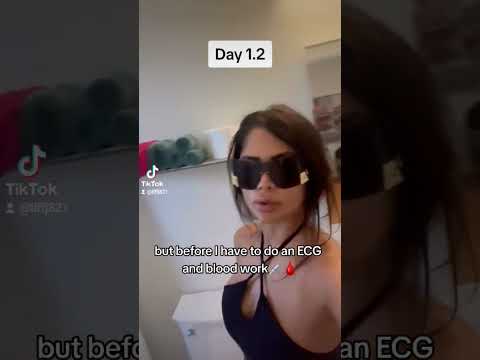
Safety is paramount. Before arrival, patients submit medical history. Upon arrival at the clinic, comprehensive blood panels (liver and kidney function) and a 12-lead EKG are performed. The EKG is critical because Ibogaine can prolong the QT interval of the heart; patients with pre-existing heart conditions are generally not candidates.
2. The "Detox Gap" (Critical for Alcoholics)
Unlike opiate users, alcoholics cannot take Ibogaine while dependent. Acute alcohol withdrawal combined with Ibogaine can cause lethal seizures. Therefore, patients must undergo a medically supervised alcohol detox (typically 3 to 7 days) using benzodiazepines or other protocols to ensure the system is clear of ethanol before the flood dose.
3. The Flood Dose
Once stable, the patient receives the "flood dose" of Ibogaine. This phase lasts 8–12 hours. Patients lie still in a darkened room with continuous cardiac monitoring. This is the visionary phase where the neurological reset occurs.
4. The "Gray Day" and Integration
The day after treatment is known as the "Gray Day." Patients feel physically drained and often experience insomnia. This is a crucial integration period where therapists help process the visions and emotions that arose. Nutritional support and hydration are key here.
Cost of Ibogaine Treatment
Understanding the financial investment of Ibogaine relative to traditional rehab options helps patients make informed decisions.
The cost of Ibogaine treatment for alcoholism varies significantly based on location, medical staffing, and luxury amenities. Below is a comparison of typical costs.
| Treatment Type | Location | Price Range (USD) | Inclusions | Duration |
|---|---|---|---|---|
| Medical Ibogaine Clinic | Mexico (Tijuana) | $5,500 – $8,500 | Pre-screening, medical staff, flood dose. | 5-7 Days |
| Luxury Ibogaine Retreat | Mexico (Cancun) | $9,000 – $15,000 | Private villa, holistic therapies, chef. | 7-10 Days |
| Standard Inpatient Rehab | USA | $20,000 – $60,000 | Group therapy, 12-step (monthly). | 30 Days |
| Luxury Inpatient Rehab | Switzerland / UK | $80,000+ | Exclusive privacy, gourmet meals. | 30 Days |
Many clinics in Mexico now offer specific "Ibogaine for Alcohol" packages that include the mandatory 5-day pre-treatment detox. Always verify if the quoted price includes this detox phase, as it significantly increases the length of stay and medical resources required compared to opiate treatment.
Safety and Risks: What You Must Know?
Ibogaine is a powerful medicine with real risks. Proper medical supervision is the only way to mitigate potential complications.
Ibogaine is not without risk. The primary concern is cardiotoxicity. Ibogaine can slow the heart rate (bradycardia) and prolong the QT interval, which can lead to fatal arrhythmias in vulnerable individuals. This is why continuous cardiac monitoring during the flood dose is non-negotiable.
For alcoholics, liver function is another major safety factor. Since the liver metabolizes Ibogaine, a liver compromised by years of heavy drinking may struggle to process the drug safely. Reputable clinics will run a hepatic panel and may require a liver detox protocol before administering Ibogaine. Never attempt to self-administer Ibogaine or seek treatment from underground providers who do not perform EKGs and blood work.
Frequently Asked Questions (FAQs)
Is Ibogaine treatment legal?
Ibogaine is unregulated or legal for medical use in Mexico, Brazil, South Africa, Gabon, and New Zealand. It is illegal (Schedule I) in the United States and many European countries. Patients travel to these legal jurisdictions to receive treatment safely in licensed clinics.
Can Ibogaine cure alcoholism permanently?
Ibogaine is an addiction interrupter, not a permanent cure. It resets the brain's chemistry and eliminates withdrawals, providing a clean slate. Long-term sobriety requires integration, lifestyle changes, and often ongoing therapy. Success rates are significantly higher for patients who engage in structured aftercare.
What are the side effects of Ibogaine?
Common temporary side effects include ataxia (inability to coordinate muscle movement), nausea, vomiting, photosensitivity, and auditory buzzing. These effects typically subside within 24 hours. The "Gray Day" following treatment is often accompanied by fatigue and insomnia.
Why do I need to detox from alcohol before Ibogaine?
Alcohol withdrawal affects the GABA receptors and can induce seizures. Ibogaine does not prevent these seizures and can actually lower the seizure threshold. Therefore, you must be medically detoxed and stable (zero alcohol in blood) before it is safe to introduce Ibogaine into your system.
How do I choose a safe clinic in Mexico?
Look for clinics that are hospital-based or have ACLS-certified medical staff on-site 24/7. Demand to see their safety protocols, specifically regarding EKG monitoring and emergency transfer plans. Avoid any provider that does not require comprehensive medical records prior to arrival.
Does Ibogaine help with depression and anxiety too?
Yes. Many patients report significant relief from depression, anxiety, and PTSD. The introspection provided by the treatment allows patients to process the trauma that often underlies these conditions, and the boost in serotonin and dopamine can help regulate mood long-term.
How long does the visionary phase last?
The intense visionary or "dream" phase typically lasts 6 to 12 hours. However, the secondary phase of deep introspection and physical recovery can last another 24 to 48 hours. Most patients are back to basic functioning by the third day.
Does Ibogaine help with other addictions?
Yes, it is highly effective for opioid addiction (heroin, fentanyl, oxycodone), cocaine, and methamphetamine. The biological reset of the reward system is a universal mechanism that applies to most substance use disorders.
Is Ibogaine treatment covered by insurance?
Generally, no. Since it is an experimental treatment in the US and Europe, standard health insurance does not cover it. However, some medical financing companies may offer loans for medical tourism procedures.
Ready to Break Free from Alcohol Addiction?
You don't have to fight this battle alone. PlacidWay partners with the world's leading, medically certified Ibogaine clinics in Mexico to offer you a safe, transformative path to recovery.
Get a personalized treatment plan that includes medical detox, Ibogaine therapy, and comprehensive aftercare support tailored to your needs.
Get a Free Quote for Ibogaine Treatment.png)




.png)
.png)
.png)

.jpg)
.jpg)
.jpg)
.jpg)








Share this listing