


The pursuit of dual-diagnosis treatment has evolved significantly, with integrative PTSD and addiction recovery in Cancun emerging as a prominent solution for international patients. By combining evidence-based psychiatric therapies with holistic wellness practices, these programs address the complex interplay between trauma and substance dependency. Individuals suffering from post-traumatic stress disorder often use substances as a coping mechanism, requiring a multifaceted approach to uncouple the trauma from the addictive behavior. Seeking care abroad allows patients to step away from their triggering environments and immerse themselves in a setting dedicated entirely to mental and physical restoration.
International medical tourism in Mexico has expanded beyond standard medical procedures to include world-class mental health and rehabilitation services. Retreat-style care centers typically provide a serene, confidential, and highly structured environment that fosters deep psychological healing. Most patients experience profound benefits from removing themselves from domestic stressors while engaging in intensive daily therapies. This immersive approach ensures that both the neurological impacts of trauma and the physiological aspects of addiction are treated simultaneously, generally leading to more sustainable, long-term wellness.
Dual diagnosis—having both a mental illness like PTSD and a substance use disorder—affects nearly half of all individuals seeking addiction treatment globally, making integrated care protocols essential for effective recovery.
The Synergy of Clinical Therapy and Retreat-Style Care in Mexico
Integrating rigorous clinical interventions with retreat-style amenities creates a therapeutic milieu that is difficult to replicate in traditional urban hospital settings. Mental health retreats in Cancun utilize a multidisciplinary approach where licensed psychiatrists, trauma specialists, and holistic practitioners collaborate on personalized patient care plans. This synthesis ensures that while the brain is processing difficult trauma through modalities like EMDR (Eye Movement Desensitization and Reprocessing), the body is being regulated through yoga, acupuncture, and somatic experiencing. This dual-focus generally mitigates the intense emotional exhaustion that often accompanies trauma therapy.
The retreat model significantly reduces the institutional feel of standard rehabilitation facilities, which can sometimes trigger individuals with medical or authority-related trauma. By offering private accommodations, nature-immersed grounds, and customized nutritional planning, the nervous system is encouraged to exit the "fight or flight" state. Most patients experience a dramatic reduction in baseline anxiety when residing in these tranquil environments. This physiological calming is crucial, as an activated nervous system typically resists the cognitive restructuring required to overcome deep-seated addiction and PTSD.
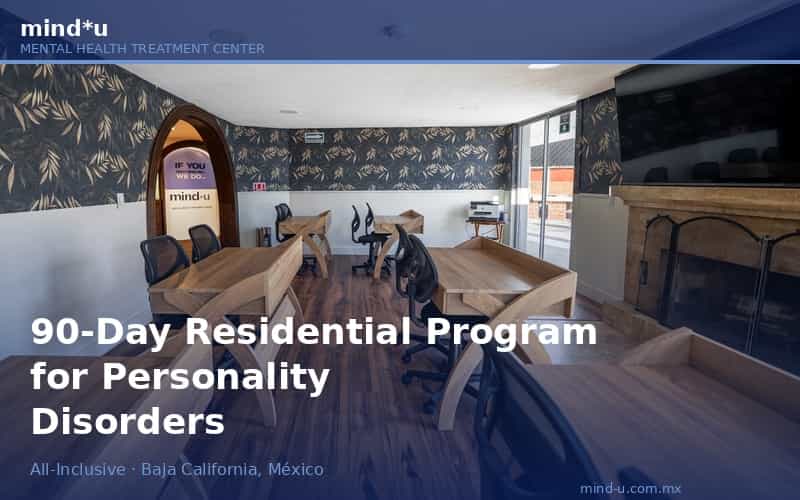
Research indicates that patients engaging in retreat-style residential treatment for 90 days or longer have significantly lower relapse rates compared to those participating in shorter, 30-day conventional programs.
Why Choose Cancun for Holistic Mental Health and Addiction Treatment
Choosing a destination for profound psychological healing requires careful consideration of both the clinical standards and the healing environment. Rehab clinics in Cancun offer a unique geographical advantage; the region provides year-round tropical climates, access to calming oceanic environments, and proximity to major international airports in North America. This accessibility reduces the stress of travel, allowing patients to transition smoothly from their home country into a supportive care facility. Furthermore, the cultural warmth and hospitality inherent in Mexico play a supportive role in creating a nurturing, judgment-free atmosphere for individuals navigating vulnerability.
Beyond the natural aesthetics, Mexico's healthcare infrastructure has made significant strides in prioritizing international medical standards. Many retreat centers hold accreditations that mirror those found in the US and Europe, ensuring that patients receive ethical, evidence-based care. The lower operational costs in the region allow facilities to maintain high staff-to-patient ratios, meaning patients generally receive highly individualized attention. This dedicated focus is vital for those untangling complex trauma, as continuous monitoring and immediate therapeutic support are often required during the early stages of recovery.
When selecting a facility, verify their dual-diagnosis credentials. Ensure they have licensed psychiatric professionals on staff, not just holistic practitioners, to safely manage the clinical aspects of PTSD.
Analyzing the Cost of Integrative PTSD and Addiction Recovery in Cancun
One of the primary drivers for the increase in international mental health care is the prohibitive expense of domestic treatment. The cost of trauma therapy in Cancun is significantly more accessible, allowing individuals to invest in longer, more comprehensive stays that are typically required for complex dual diagnoses. In North America, luxury retreat-style rehabilitation can easily exceed six figures for a 30-day stay, a barrier that prevents many from accessing life-saving care. In contrast, affordable holistic rehab in Mexico provides equivalent amenities and medical expertise at a fraction of the price, without compromising the quality of clinical interventions.
Understanding the pricing structure is essential for medical tourists planning their recovery budget. Costs generally cover lodging, all clinical therapies, organic meals, holistic treatments, and 24/7 psychiatric support. It is important to note that while prices are lower, extreme discounts should be approached with caution, as high-level psychiatric care demands appropriately compensated experts. Below is a comparative overview of typical costs associated with a 30-day comprehensive residential program.
| Treatment Type (30-Day Program) | Average Cost in Cancun (USD) | Cost Comparison (US/Canada/UK) |
|---|---|---|
| Standard Integrative Rehab & PTSD Care | $12,000 - $18,000 | $35,000 - $60,000+ |
| Luxury Retreat-Style Dual Diagnosis | $20,000 - $35,000 | $75,000 - $120,000+ |
| Intensive Outpatient Day Program (PHP) | $5,000 - $8,000 | $15,000 - $25,000+ |
| Medical Detoxification Phase (7-10 Days) | $3,000 - $6,000 | $10,000 - $20,000+ |
Common Therapies Included in Cancun Rehab Retreats
A successful approach to integrative PTSD and addiction recovery in Cancun relies on a diverse therapeutic toolkit. Because trauma alters the brain's architecture and addiction rewires reward pathways, a single modality is rarely sufficient. Retreat centers specialize in creating customized daily schedules that blend psychotherapy, somatic processing, and experiential learning. Most patients experience significant breakthroughs when cognitive insights are paired with physical grounding techniques, facilitating a holistic release of stored trauma.
The specific therapies offered are rigorously selected based on their efficacy in treating dual diagnoses. Patients are typically guided through a progression of therapies as they stabilize and build emotional resilience. The following are standard interventions generally included in comprehensive programs:
- Cognitive Behavioral Therapy (CBT): Focuses on identifying and altering destructive thought patterns that lead to substance use.
- EMDR Therapy: An advanced modality designed to alleviate the distress associated with traumatic memories.
- Somatic Experiencing: A body-centric approach that helps release trauma trapped within the nervous system.
- Mindfulness and Meditation: Practices utilized to enhance present-moment awareness and regulate emotional reactivity.
- Equine or Art Therapy: Experiential therapies that allow for emotional expression when verbal communication is difficult.
EMDR (Eye Movement Desensitization and Reprocessing) is recognized by the World Health Organization as an effective, primary treatment for post-traumatic stress disorder.
The Patient Journey for Trauma and Addiction Recovery in Mexico
Embarking on a recovery journey abroad follows a structured, phased approach designed to maximize safety and therapeutic efficacy. The initial phase involves a comprehensive virtual intake process before the patient ever travels, ensuring the facility is fully equipped to handle their specific psychological and physical requirements. Upon arrival in Quintana Roo, patients are generally welcomed by dedicated logistics staff who ensure a secure transition from the airport to the private retreat facility. This seamless coordination is vital for minimizing anxiety during a highly vulnerable transition period.
Once settled, the clinical journey begins with a thorough medical and psychological evaluation to baseline the patient's condition. If required, a medically supervised detox is completed before deep trauma work begins. Following stabilization, patients enter the core retreat phase, which involves full days of scheduled therapies, nutritional rehabilitation, and restorative downtime. The final weeks are typically heavily focused on discharge planning, ensuring the individual has the coping mechanisms and community support resources necessary for their return home.
Integrative retreat programs are generally not suitable for acute medical detox of severe alcohol or benzodiazepine dependencies without prior hospital stabilization. Always disclose your complete substance history during the pre-admission medical screening to avoid life-threatening withdrawal complications.
Safety and Quality Standards of Rehabilitation Centers in Cancun
When considering medical tourism in Mexico for mental health, patient safety and clinical quality are paramount concerns. Top-tier facilities in the region operate under strict regulatory frameworks, often holding certifications from international health organizations alongside compliance with the Mexican Secretariat of Health. These rigorous standards guarantee that the clinical care provided aligns with global best practices for psychiatric intervention and addiction medicine. Patients can generally trust that the oversight mechanisms in place mandate high standards of hygiene, privacy, and clinical ethics.
Physical safety is also highly prioritized within these retreat-style models. Facilities are typically situated in exclusive, gated communities or secluded natural environments with round-the-clock security personnel. This isolation not only protects the anonymity of the patients but also creates a physical barrier to external triggers and substance access. Key indicators of a safe, high-quality center include:
- On-site medical staff available 24/7 for emergency intervention.
- Strict confidentiality agreements protecting patient identity.
- Accredited multidisciplinary teams holding verifiable degrees in psychiatry and psychology.
- Transparent protocols for handling mental health crises and medication management.
Many premium rehabilitation centers in Mexico employ bilingual or native English-speaking clinicians who have trained in the United States, Canada, or Europe, ensuring seamless communication during complex psychological therapy.
Preparing for Your Mental Health Retreat in Quintana Roo
Adequate preparation is a critical step in ensuring a successful outcome for integrative PTSD and addiction recovery in Cancun. The process involves more than simply booking a flight; it requires emotional, logistical, and medical readiness. Patients are generally advised to work closely with their domestic healthcare providers to forward medical records, psychiatric histories, and current prescriptions to the chosen facility. This transparency allows the clinical team in Mexico to develop a personalized treatment protocol prior to the patient's arrival, eliminating dangerous gaps in care.
Logistically, preparation involves securing valid travel documents, such as an up-to-date passport, and understanding the specific items permitted within the facility. Most retreat centers have strict policies regarding digital devices, specialized clothing for yoga or physical activities, and personal care products. Establishing a communication plan with family members back home is also essential, as many intensive trauma programs limit external contact during the first few weeks to allow the patient to focus entirely on their internal healing processes.
Pack comfortable, loose-fitting clothing suitable for a tropical climate and physical movement therapies. Leave expensive jewelry and unnecessary electronics at home to fully embrace the retreat environment.
Comparing Outpatient vs Inpatient Retreats for Dual Diagnosis in Cancun
Patients seeking affordable holistic rehab in Mexico will encounter both inpatient (residential) and outpatient treatment models. Inpatient retreat care requires the individual to live on-site 24/7, providing a deeply immersive and highly structured healing environment. This model is generally recommended for individuals with complex trauma, severe substance dependencies, or those who lack a supportive, trigger-free home environment. The constant access to medical and psychological professionals ensures immediate intervention during moments of intense distress.
Conversely, intensive outpatient programs (IOP) or partial hospitalization programs (PHP) allow patients to reside in local sober living accommodations or private rentals while attending therapy during the day. This option offers greater independence and is typically utilized as a step-down phase after completing an inpatient program. While outpatient care reduces the overall cost of trauma therapy in Cancun, it requires a higher level of personal accountability and is generally not suitable for those in the acute stages of recovery or those actively grappling with severe PTSD flashbacks.
Stepping down progressively—from 30 days of inpatient care to 30 days of outpatient care—significantly improves the integration of coping skills into real-world scenarios.
Real Patient Experiences with Holistic Rehab in Cancun
Reading about the lived experiences of others can provide profound reassurance to those contemplating international care. While medical outcomes cannot be guaranteed and individual results will vary, medical tourism in Mexico has facilitated significant life changes for many facing dual diagnoses. The combination of expert trauma care and the restorative environment of Quintana Roo often serves as a catalyst for deep, lasting change.
These summarized case studies reflect typical experiences of international patients who engaged in retreat-style recovery programs. They highlight the diverse challenges addressed through integrative care and the holistic improvements generally observed following comprehensive treatment.
Overcoming Burnout and Dependency
A 42-year-old executive from Toronto utilized a 60-day residential retreat to address alcohol dependency intertwined with severe occupational burnout and underlying trauma. The integration of EMDR and daily mindfulness practices generally allowed him to develop healthier emotional regulation skills. He reported feeling a renewed sense of purpose and physical vitality upon returning home.
Healing from Complex PTSD
A patient from the UK sought care in Cancun after domestic outpatient therapies failed to resolve their trauma-induced anxiety and prescription medication misuse. The secluded, nature-based environment typically helped soothe their nervous system, while intensive somatic experiencing therapy provided a breakthrough in processing physical trauma responses.
Sustainable Recovery Through Holistic Modalities
A 35-year-old individual from the US chose an affordable holistic rehab in Mexico to address substance use disorder. By combining standard cognitive behavioral therapy with equine therapy and nutritional counseling, the patient generally experienced a comprehensive reset of their mental and physical health, leading to sustained sobriety post-discharge.
A Safe Space for Vulnerability
A military veteran suffering from severe PTSD found standard clinical environments triggering. The retreat-style care in Cancun provided a non-clinical, supportive atmosphere where they could engage in trauma processing without feeling institutionalized. The supportive community and holistic approaches typically contributed to a significant reduction in night terrors.
Aftercare and Relapse Prevention Planning Following Mexican Retreats
The conclusion of an inpatient retreat is not the end of the recovery journey; rather, it is the beginning of sustained, independent healing. Effective rehab clinics in Cancun place a massive emphasis on comprehensive aftercare planning. The transition back to an individual's home environment is typically the most vulnerable period, where exposure to old triggers can challenge newly formed coping mechanisms. Therefore, robust discharge planning is initiated well before the patient's departure.
A high-quality aftercare plan bridges the gap between the retreat environment and real-world application. Most patients experience the best long-term outcomes when they remain connected to supportive networks and continue therapeutic engagement. Key components of a typical aftercare strategy generally include:
- Scheduled weekly telehealth counseling sessions with the patient's primary retreat therapist.
- Referrals to trusted local psychiatrists and support groups within the patient's home city.
- Development of a personalized, written relapse prevention plan detailing triggers and emergency contacts.
- Integration into virtual alumni networks that foster continuous peer support and accountability.
According to behavioral health research, individuals who actively participate in structured aftercare programs for at least one year post-rehab reduce their risk of substance relapse by up to 50%.
How PlacidWay Assists Your Integrative Therapy Journey in Cancun
Navigating international healthcare options for sensitive mental health and addiction requirements demands a trusted, authoritative partner. PlacidWay serves as a premier facilitator, connecting patients with globally vetted centers for integrative PTSD and addiction recovery in Cancun. Our platform streamlines the entire research and intake process, ensuring that individuals find the optimal clinical fit for their specific dual-diagnosis needs without the overwhelming burden of independent planning.
Through PlacidWay, patients gain access to a curated network of accredited, retreat-style recovery centers renowned for their psychiatric excellence. Our dedicated team supports your healing journey by focusing on value-based coordination and transparent clinical connections. PlacidWay assists your medical tourism journey by:
- Providing detailed, objective profiles of accredited rehabilitation and trauma centers in Mexico.
- Facilitating direct communication between you and the facility’s clinical intake team.
- Assisting in the secure transfer of medical records and psychological histories for pre-evaluation.
- Offering comprehensive comparisons of treatment programs and clinical modalities available.
- Delivering transparent cost estimates for various intensive treatment models.
Frequently Asked Questions About Addiction Recovery and PTSD Care in Cancun
Patients considering international therapeutic retreats understandably have numerous inquiries regarding the logistics, safety, and clinical protocols involved. Comprehensive understanding is a vital part of the preparation process for mental health retreats in Cancun. Addressing these common concerns helps individuals make informed, confident decisions regarding their psychological well-being.
Below are frequently asked questions specifically addressing the nuances of traveling for dual diagnosis care, the therapeutic modalities employed, and the practicalities of financing international recovery programs.
Is it safe to travel to Cancun for PTSD and addiction recovery?
Yes, many international patients find it highly secure to pursue recovery in this region. Rehabilitation retreats are typically located in private, gated environments that prioritize patient confidentiality and physical safety.
What is the typical duration of a retreat-style recovery program?
Most patients experience the best outcomes with programs lasting between 30 and 90 days. The exact duration generally depends on the severity of the dual diagnosis and the individual's specific psychological needs.
Does integrative therapy in Mexico include medical detox?
While many facilities offer comprehensive care, acute medical detoxification is usually a prerequisite before entering the holistic retreat phase. You will generally need an initial medical evaluation to determine if onsite detox is appropriate.
Will my domestic health insurance cover treatment in Cancun?
Typically, domestic health insurance policies from the US or Canada do not cover international medical tourism for rehabilitation. Patients generally rely on out-of-pocket funding, leveraging the significantly lower costs found in Mexico.
Are the therapists and medical staff in Cancun certified?
Reputable facilities employ multidisciplinary teams holding relevant local and international certifications. Psychiatrists, psychologists, and holistic practitioners are generally fully licensed to practice advanced mental health interventions.
What therapies are included in a dual-diagnosis program?
Programs usually incorporate cognitive behavioral therapy (CBT), EMDR for trauma, and holistic approaches like yoga and mindfulness. This integrative combination is designed to address both the addiction and its underlying psychological triggers.
Can I bring my family or a companion during my treatment?
Family involvement is generally determined on a case-by-case basis. Some retreats offer specific family therapy weeks, while others require patients to focus entirely on their independent healing during the initial phase.
How does the facility ensure post-treatment success?
Comprehensive aftercare planning is typically initiated weeks before discharge. Programs generally provide ongoing remote counseling, relapse prevention strategies, and referrals to local support groups in your home country.
What are the contraindications for retreat-style addiction care?
Patients experiencing active psychosis, severe unmanaged physical illnesses, or those requiring intensive hospital-based acute stabilization are generally not suitable candidates. A thorough pre-admission medical screening is always required.
How much can I save by choosing rehab clinics in Cancun?
Patients typically save between 40% and 60% compared to luxury residential treatment centers in the United States or the United Kingdom. These savings allow for longer treatment stays, which often contributes to more sustainable recovery outcomes.
Embark on Your Healing Journey with Comprehensive Support
Taking the first step toward overcoming deep-seated trauma and addiction requires immense courage, but finding the right therapeutic environment shouldn't be a solitary struggle. Integrative PTSD and addiction recovery in Cancun offers a powerful amalgamation of modern psychiatric science and restorative, retreat-based healing. By choosing this immersive path, you afford yourself the critical space and expert guidance necessary to rebuild neurological pathways and foster profound, lasting emotional resilience.
If you or a loved one are ready to explore the transformative potential of affordable holistic rehab in Mexico, dedicated guidance is available. PlacidWay is committed to connecting you with accredited, ethical, and highly specialized care providers tailored to your unique healing journey. Allow us to assist you in navigating your options so you can focus entirely on your path to recovery and renewed vitality.
Take the first step towards lasting wellness. Let PlacidWay connect you with world-class integrative PTSD and addiction recovery centers in Cancun, designed to provide profound healing and confidential care.
References
- World Health Organization (WHO). Mental Health and Substance Use. https://www.who.int/teams/mental-health-and-substance-use/treatment-care
- American Psychological Association (APA). Eye Movement Desensitization and Reprocessing (EMDR) Therapy. https://www.apa.org/ptsd-guideline/treatments/eye-movement-reprocessing
- National Institute on Drug Abuse (NIDA). Principles of Drug Addiction Treatment: A Research-Based Guide. https://nida.nih.gov/sites/default/files/podat-3rdEd-508.pdf
- National Center for Complementary and Integrative Health (NCCIH). Mind and Body Practices for Substance Use Disorders. https://www.nccih.nih.gov/health/mind-and-body-practices





.png)
.png)
.png)








Share this listing