


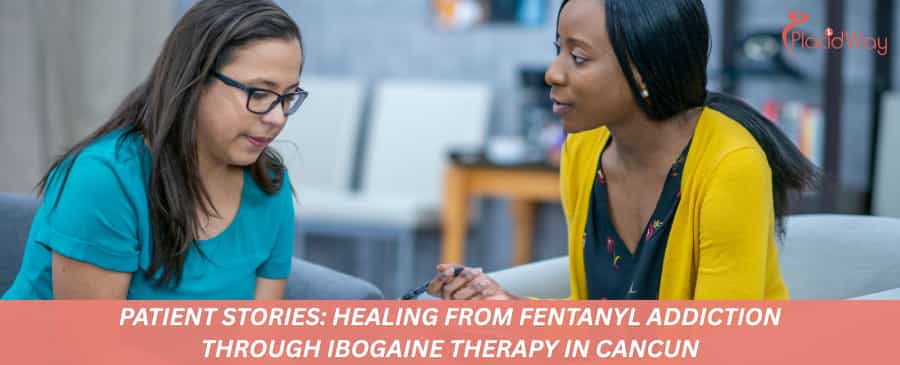
The global opioid crisis has left thousands searching for alternative avenues to break free from severe dependency, leading many to explore ibogaine therapy in Cancun. Fentanyl, an incredibly potent synthetic opioid, presents unique challenges during detoxification due to its severe physical withdrawal symptoms and lingering psychological cravings. Traditional methods often involve prolonged tapering, which can be agonizing and carries a high risk of relapse for individuals suffering from deep-rooted dependency. As a result, medical tourism in Cancun has gained traction as an alternative pathway, offering specialized, naturally derived psychedelic treatments in clinical environments.
Derived from the root bark of the Tabernanthe iboga plant, ibogaine has demonstrated unique properties that typically help interrupt the cycle of addiction. When administered under strict medical supervision, it interacts with complex neural pathways, generally reducing acute withdrawal symptoms and providing deep introspective experiences. Patients pursuing fentanyl addiction therapy in Mexico often report a "reset" effect, granting them a critical window of clarity to begin comprehensive psychological healing. However, this powerful substance is not a magic cure and requires profound commitment, rigorous safety screening, and dedicated post-treatment aftercare.
Ibogaine therapy carries significant cardiovascular risks, including bradycardia and QT interval prolongation. It is imperative that this treatment is only administered under continuous medical supervision by qualified healthcare professionals with access to emergency cardiac care.
The Rise of Medical Tourism in Cancun for Addiction Treatment
Cancun has rapidly evolved beyond its reputation as a premier vacation destination, positioning itself as a strategic hub for global healthcare and alternative addiction recovery. Because ibogaine remains a Schedule I substance in countries like the United States, patients facing life-threatening opioid use disorders frequently cross borders to access ibogaine clinics in Mexico. The region offers a unique combination of legally accessible alternative medicine, highly trained international medical teams, and serene coastal environments conducive to holistic healing. This unique blend typically allows individuals to detach from their usual triggers while receiving intensive medical attention.
Choosing to travel abroad for medical care involves serious consideration, but the robust infrastructure of medical tourism in Cancun provides distinct advantages for international patients. Facilities in this region are generally designed to cater specifically to foreign visitors, offering multilingual staff, modern diagnostic equipment, and personalized therapeutic protocols. Furthermore, the tranquil atmosphere of the Mexican Caribbean creates an ideal backdrop for the profound psychological introspection required during psychedelic-assisted therapy. For many, escaping their immediate stressful environment is a vital first step toward reclaiming their lives.
Cancun's international airport serves direct flights from over 30 major North American cities, making it one of the most accessible international destinations for patients seeking urgent alternative medical treatments.
How Ibogaine Clinics in Cancun Approach Fentanyl Detox
Detoxing from fentanyl is notoriously complicated because the drug is highly lipophilic, meaning it stores deeply in the body's fat tissues and releases unpredictably over time. Reputable providers of affordable ibogaine therapy in Cancun understand that administering ibogaine while fentanyl is still active in the system can be extremely dangerous. Therefore, clinics generally mandate a specialized pre-treatment stabilization phase, often transitioning the patient onto a short-acting opiate like morphine for several days to weeks. This careful tapering process typically ensures the body is adequately cleared of fentanyl, maximizing the safety and efficacy of the ensuing treatment.
Once medical clearance is achieved through comprehensive blood work and electrocardiograms (EKGs), the active ibogaine detox safety protocol commences in a strictly monitored setting. Patients are typically administered a precise dose calculated by body weight, followed by 12 to 24 hours of profound, dream-like introspective states while connected to continuous heart monitors. Medical staff remain bedside throughout the entire process to manage any physical discomfort or emotional distress. This meticulous approach generally mitigates the severe physical agony typically associated with cold-turkey opiate withdrawal.
Always request a full breakdown of a clinic's medical screening process before committing. A trustworthy facility will always require comprehensive EKG testing and liver enzyme panels prior to approving you for treatment.
Affordable Ibogaine Therapy Cost in Cancun Compared to Abroad
One of the driving factors behind the surge in international patients traveling to Mexico is the highly competitive cost of ibogaine for fentanyl dependency. In countries like the United States or Canada, traditional inpatient rehabilitation programs can quickly exceed tens of thousands of dollars, often requiring 30 to 90 days of commitment with variable success rates. Conversely, a comprehensive 7 to 14-day ibogaine protocol in Mexico typically offers an accelerated, cost-effective alternative. Patients often find that they can access cutting-edge alternative therapies at a fraction of the cost of long-term conventional rehab.
While the initial price tag might still represent a significant investment, it usually encompasses specialized medical supervision, luxury accommodations, psychological integration therapy, and gourmet nutritional support. When evaluating ibogaine treatment cost in Cancun, patients must weigh the comprehensive nature of these medical tourism packages against the continuous financial drain of ongoing addiction. Below is a realistic comparison of average costs, highlighting why many international patients view Mexico as an economically viable solution.
| Treatment Phase / Procedure | Average Cost in Cancun (USD) | Cost Comparison (US/Canada Avg) |
|---|---|---|
| Standard 7-Day Ibogaine Protocol | $5,500 - $8,500 | Not available / Unregulated |
| Extended Detox & Fentanyl Transition (14 Days) | $8,000 - $12,000 | Traditional Rehab: $30,000 - $60,000+ |
| Pre-treatment Medical Screening (EKG, Labs) | Included in package | $1,000 - $2,500 (Out-of-pocket) |
| Post-Treatment Integration Coaching | Included / Variable Add-on | $150 - $300 per session |
Patient Story 1: Breaking the Cycle of Opioid Dependency
Behind the clinical data and scientific protocols are the profound, deeply personal narratives of those who have battled the darkness of opioid dependency. Exploring patient stories of ibogaine healing provides invaluable insight into the emotional and physical transformation that individuals undergo when seeking care abroad. Many arrive in Mexico physically exhausted, having failed multiple conventional therapies, and feeling as though they are completely out of options. The profound psychological shift that typically occurs post-treatment often restores a sense of hope that had long been extinguished.
While every journey is unique, the common thread among successful recoveries is a fierce determination to reclaim one's autonomy and meticulously follow medical advice. Engaging with alternative addiction therapy in Cancun demands immense courage, as patients confront their deepest traumas during the visionary phase of the medicine. The following summary illustrates how comprehensive medical supervision, combined with a willingness to heal, can alter the trajectory of a life consumed by fentanyl.
Mark's Journey: From Despair to Clarity
Mark, a 34-year-old from Ohio, had struggled with fentanyl dependency for four years after an initial prescription for back pain escalated. Traditional tapering methods repeatedly failed due to agonizing withdrawal symptoms. "Traveling to Cancun was terrifying, but the medical team stabilized me on a short-acting opiate first," Mark recalls. "The ibogaine experience was intensely challenging, forcing me to face my underlying anxiety. Waking up the next day with almost zero physical cravings was something I never thought possible. It gave me the blank slate I needed to start real psychological therapy."
The Science Behind Ibogaine Treatment for Fentanyl Addiction
To comprehend why individuals are willing to travel globally for this procedure, one must examine the unique pharmacological mechanisms of the medicine itself. Unlike traditional maintenance medications such as methadone or buprenorphine, which substitute one opioid for another, ibogaine therapy in Cancun aims to repair the brain's baseline chemistry. The alkaloid acts on multiple receptor sites simultaneously, most notably the NMDA and sigma receptors, as well as the serotonin and dopamine systems. This multi-targeted approach generally facilitates the rapid reduction of opioid tolerance and alleviates the harshness of acute withdrawal.
Furthermore, the metabolite noribogaine remains in the patient's system for several weeks to months, typically providing a prolonged period of reduced cravings and improved mood. This neurological "window of opportunity" is critical for patients undergoing fentanyl addiction therapy, as it allows them to participate actively in cognitive behavioral therapy without the constant distraction of physical sickness. However, scientists continually emphasize that this neurological reset must be actively paired with lifestyle changes and psychological counseling to prevent a return to active addiction.
Research suggests that ibogaine increases the expression of glial cell line-derived neurotrophic factor (GDNF) in the brain, a protein that promotes the survival and regeneration of dopaminergic neurons, which are typically damaged by long-term substance abuse.
Patient Story 2: A New Perspective After Severe Fentanyl Use
Another powerful aspect of this alternative medicine is its visionary component, which acts as an intensive psychoanalytic tool for the individual. Many patients seeking ibogaine clinics in Mexico report that their addiction stems from unaddressed developmental trauma, PTSD, or chronic depression. The medicine often induces a waking dream state, generally allowing patients to view past painful memories from a detached, objective perspective. This cognitive distancing usually helps individuals process long-buried emotions without the intense emotional reactivity that normally triggers drug use.
The psychological liberation experienced by medical tourists is frequently cited as the cornerstone of their sustained recovery. While the physical detox is a monumental relief, the mental restructuring is what typically empowers patients to maintain their sobriety long after returning home. Participating in medical tourism in Cancun provides a safe, nurturing environment to navigate these profound revelations alongside experienced therapists and integration specialists.
Sarah's Healing: Confronting the Root Cause
Sarah, a 28-year-old medical professional from Canada, developed a fentanyl dependency trying to cope with severe career burnout and childhood trauma. "The physical withdrawal was my biggest fear, but the clinic in Cancun managed it beautifully," she explains. "During the ibogaine flood phase, I witnessed my memories like a movie. I finally understood why I was numbing myself. The medicine didn't just detox my body; it showed me how to forgive myself. The integration coaching afterward was crucial in helping me apply those lessons to my daily life."
Safety Protocols and Medical Supervision During Ibogaine Therapy
Despite the promising anecdotal evidence, the potential dangers of the procedure cannot be overstated, making rigorous clinical standards an absolute necessity. The primary concern regarding ibogaine detox safety is its propensity to slow the heart rate and prolong the QT interval, which can lead to fatal arrhythmias if not expertly managed. Reputable facilities prioritize patient safety above all else, typically requiring extensive pre-admission medical dossiers, stress tests, and comprehensive metabolic panels. If a patient presents with pre-existing heart conditions or severe liver dysfunction, they are generally contraindicated for this treatment.
During the actual administration of the medicine, top-tier centers operating within the medical tourism in Cancun sector utilize hospital-grade monitoring equipment. Advanced Cardiac Life Support (ACLS) certified doctors and nurses are generally stationed by the bedside, equipped with emergency pharmacological interventions and defibrillators. This unyielding commitment to clinical oversight ensures that any adverse physiological reactions are addressed instantaneously, bridging the gap between alternative plant medicine and modern allopathic safety standards.
Because fentanyl is often mixed with other unknown illicit substances (like xylazine), specialized clinics conduct extensive toxicology screens upon arrival to tailor the medical stabilization protocol perfectly to the patient's unique biological state.
Patient Story 3: Transitioning from Traditional Rehab to Ibogaine
The cycle of chronic relapse is a frustrating reality for many grappling with synthetic opioids, often leading to deep feelings of shame and hopelessness. A significant portion of individuals pursuing affordable ibogaine therapy in Cancun have previously exhausted their savings on multiple stints in traditional 12-step programs or long-term rehab facilities. The fundamental difference they often report is the rapid elimination of post-acute withdrawal syndrome (PAWS), which is typically the primary trigger for relapse in the early months of conventional sobriety.
These stories highlight a critical shift in perspective: viewing addiction not solely as a moral failing, but as a complex neurological condition that requires profound biological intervention. Exploring these narratives sheds light on why fentanyl addiction therapy using psychedelics is considered by many to be a radical, yet necessary, paradigm shift in addiction medicine.
David's Breakthrough: Ending the Relapse Cycle
After six failed attempts at traditional rehab, David felt entirely defeated by his fentanyl addiction. "I would get clean for 30 days, but the bone-deep aches and depression would eventually drag me back," he says. "Traveling to Mexico was a last resort. The pre-care protocol took ten days just to clear the fentanyl safely. But post-ibogaine, the PAWS simply wasn't there. I had energy, I could sleep, and the obsessive thoughts were silenced. It was the first time in ten years I felt like my brain belonged to me again."
Preparing for Your Medical Tourism Journey to Cancun
Embarking on a journey for international healthcare requires meticulous logistical and mental preparation to ensure a smooth, stress-free experience. When planning for ibogaine therapy in Cancun, patients must ensure their travel documents are in order, communicate transparently with the clinical team regarding their complete medical history, and arrange for appropriate time off work. Mental readiness is equally crucial; individuals typically undergo pre-treatment counseling calls to set clear intentions and prepare for the emotionally taxing nature of psychedelic therapy.
Furthermore, arranging a robust support system for when you return home is essential before you even board the plane. Successful medical tourism in Cancun requires acknowledging that the clinical stay is only the catalyst for healing. Engaging a local therapist, identifying healthy community groups, and creating a structured post-treatment environment are vital steps that typically dictate the long-term success of the intervention.
Do not attempt to detox yourself or adjust your substance usage prior to arrival without direct guidance from your chosen medical team. Unsupervised tapering of fentanyl is highly dangerous and can complicate your pre-treatment stabilization phase in Mexico.
Patient Story 4: Finding Long-Term Recovery and Aftercare
The days immediately following the treatment are often described as a period of profound neuroplasticity, where the brain is highly receptive to new behavioral patterns. The true test of ibogaine clinics in Mexico lies in how they prepare their patients for the reintegration into their normal lives. High-quality centers recognize that returning to a chaotic home environment without coping strategies can swiftly undo the benefits of the medicine. Thus, aftercare planning is generally integrated into the patient's schedule from day one.
Listening to individuals who have maintained their sobriety for years underscores the irreplaceable value of continuous psychological support. Their experiences demonstrate that while cost of ibogaine for fentanyl treatment might cover the medical intervention, the long-term emotional labor is entirely up to the individual. Dedication to holistic wellness, fitness, and community connection typically forms the bedrock of sustained freedom from opioids.
Elena's Success: Building a New Life
"Ibogaine gave me a miracle, but keeping it required hard work," shares Elena, who is now three years sober from fentanyl. "The clinic in Cancun was clear: this is a catalyst, not a cure. They connected me with a specialized integration coach who I spoke to weekly via Zoom for six months after returning home. Whenever triggers arose, I used the mindfulness techniques I learned during my recovery week in Mexico. You have to be willing to change your playground and your playmates; ibogaine just gives you the strength to finally do it."
What to Expect During the Ibogaine Recovery Phase
The immediate recovery phase, often referred to as the "gray day," follows the intense active administration of the medicine. During this time, patients typically experience physical exhaustion, mild ataxia (loss of coordination), and emotional vulnerability as their brain recalibrates. Supervised recovery during medical tourism in Cancun involves high-density nutrition, hydration therapies, and profound rest. Medical staff generally monitor vital signs closely as the acute physiological effects of the medicine slowly dissipate.
As strength returns in the subsequent days, patients are usually encouraged to engage in gentle therapies such as yoga, massage, or guided beach walks. This holistic approach to ibogaine detox safety helps ground the patient, allowing them to gently process the psychological insights gained during treatment. Embracing this tranquil recovery period typically fortifies the patient's resilience before they face the complexities of their everyday environment back home.
Observational studies indicate that up to 70-80% of patients who undergo ibogaine therapy combined with structured, long-term psychological aftercare report significant reductions in opioid cravings for at least six months post-treatment.
How PlacidWay Assists Your Ibogaine Medical Tourism Journey in Cancun
Navigating the complex landscape of international healthcare can be overwhelming, especially when seeking specialized interventions for addiction. Establishing trust and verifying the credentials of overseas providers is paramount for patient safety and successful outcomes. PlacidWay acts as a comprehensive facilitator, ensuring that you connect with reputable, vetted medical professionals for your critical healthcare needs.
Our dedicated platform simplifies your research process, empowering you to make informed decisions regarding your medical journey. Here is how PlacidWay supports your path to recovery:
- Providing access to a curated network of highly vetted, medically supervised alternative therapy centers in Mexico.
- Offering detailed provider profiles that include medical credentials, facility certifications, and comprehensive safety protocols.
- Facilitating direct, transparent communication between international patients and certified clinical medical teams.
- Supplying comprehensive cost comparisons and transparent treatment package breakdowns to help you plan your healthcare budget.
- Sharing verified patient reviews and documented testimonials to establish realistic expectations and build trust.
- Assisting with securing prompt consultations so you can obtain individualized medical advice directly from specialized physicians.
Frequently Asked Questions About Ibogaine Therapy in Cancun
Deciding to seek medical treatment abroad naturally brings up a multitude of logistical and clinical questions. We understand that transparency and accurate information are the cornerstones of successful patient outcomes. To aid your research, we have compiled the most common inquiries regarding this alternative therapy.
Reviewing these facts generally helps patients feel more secure and prepared for their journey. Below are ten critical questions concerning medical procedures, safety, and travel to Mexico.
Is ibogaine therapy legal in Cancun?
Yes, ibogaine therapy is currently unregulated but legally administered in clinical settings across Mexico. Medical tourism in Cancun provides access to this treatment under medical supervision.
How does ibogaine help with fentanyl withdrawal?
Ibogaine typically works by interacting with various neurotransmitter systems to help reset the brain's dependency pathways. Most patients experience a significant reduction in acute withdrawal symptoms and cravings.
Are there medical risks associated with ibogaine?
Yes, ibogaine carries notable cardiovascular risks, particularly QT interval prolongation. Strict medical screening, including EKGs and continuous cardiac monitoring, is absolutely essential.
How long is a typical ibogaine treatment program in Cancun?
Most comprehensive ibogaine programs range from 7 to 14 days. This includes a pre-treatment stabilization phase, the active therapy day, and several days of guided recovery.
What is the success rate for ibogaine treatment?
Success rates vary greatly depending on the individual's aftercare and commitment to sobriety. While it provides a crucial interruption of addiction, ongoing psychological support is generally required for long-term recovery.
Do I need a passport to travel to Cancun for treatment?
Yes, international patients must have a valid passport to enter Mexico. Depending on your country of origin, a standard tourist visa may also be issued upon arrival.
Can I bring a companion with me to the clinic?
Many clinics allow a companion to accompany the patient during the initial intake and recovery phases. However, visitors are usually restricted during the actual active administration of ibogaine.
Is fentanyl detox more complicated than other opioids?
Yes, fentanyl is lipophilic and stores in fat cells, making its withdrawal timeline highly unpredictable. Patients typically require a specialized protocol, such as transitioning to a short-acting opiate before ibogaine administration.
What follow-up care is needed after ibogaine therapy?
Post-treatment aftercare generally includes continuous therapy, integration coaching, and participation in support groups. Without a solid aftercare plan, the risk of relapse remains substantial.
Does health insurance cover ibogaine therapy in Mexico?
No, because ibogaine is not an FDA-approved treatment, traditional health insurance providers do not cover it. Patients generally pay out-of-pocket for these medical tourism services.
References:
- National Institute on Drug Abuse (NIDA). Fentanyl DrugFacts. https://nida.nih.gov/publications/drugfacts/fentanyl
- National Center for Biotechnology Information (NCBI). Ibogaine Treatment for Opioid Addiction. https://www.ncbi.nlm.nih.gov/pmc/articles/PMC5996271/
- Multidisciplinary Association for Psychedelic Studies (MAPS). Ibogaine Therapy Observational Research. https://maps.org/research/ibogaine/
- United States Drug Enforcement Administration (DEA). Drug Scheduling and Information. https://www.dea.gov/drug-information/drug-scheduling








.png)
.png)
.png)








Share this listing