
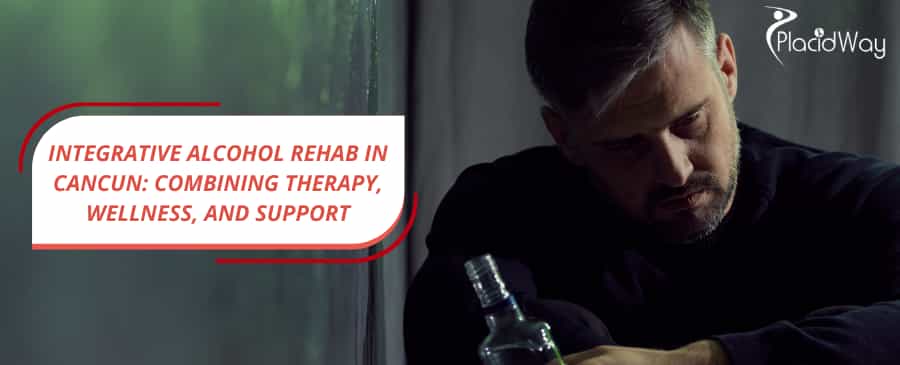
Choosing to seek help for substance abuse is a profoundly personal and courageous step, often requiring a peaceful environment away from daily triggers. Integrative alcohol rehab in Cancun provides international patients with a tranquil, supportive setting that blends clinical expertise with natural healing. By stepping out of their routine environment, individuals can fully focus on their recovery journey without the distractions of home. The serene coastal atmosphere serves as a therapeutic backdrop, enhancing the overall healing process for those battling addiction.
Modern addiction science recognizes that successful recovery involves treating the entire person rather than just the physical symptoms of dependence. Facilities specializing in medical tourism in Mexico have adopted comprehensive treatment models that merge traditional psychiatry with wellness-focused therapies. This dual approach generally yields more sustainable results, as it equips patients with diverse coping mechanisms. Most patients experience a profound transformation when standard medical care is harmoniously combined with lifestyle interventions.
- Provides a tranquil, trigger-free environment conducive to deep personal healing.
- Combines traditional psychiatric care with alternative wellness modalities.
- Focuses on identifying and addressing the root causes of addictive behaviors.
- Offers highly individualized care plans tailored to specific patient needs.
- Ensures high levels of privacy and confidentiality for international visitors.
Understanding the Holistic Approach to Alcohol Addiction Treatment in Mexico
A holistic approach to addiction recovery recognizes that alcohol use disorder affects the mind, body, and spirit simultaneously. Alcohol addiction treatment in Mexico often utilizes a highly personalized methodology, ensuring that physical recovery is matched by emotional and psychological healing. Practitioners in these centers understand that ignoring any single aspect of a patient's well-being can increase the risk of relapse. Therefore, treating the whole person is viewed as the standard of care for achieving long-term sobriety.
In practice, this means that while a patient undergoes necessary medical treatments, they also participate in activities designed to rebuild their self-esteem and emotional resilience. Programs are typically structured to include a balance of intensive individual counseling, group therapy, and holistic exercises. This integrative environment empowers patients to reclaim their physical health while simultaneously untangling complex psychological traumas. By addressing all facets of human wellness, patients are better prepared to face life's challenges without resorting to substance use.
Holistic therapies are not meant to replace medical treatment but to complement it, often resulting in lower stress levels and improved patient retention in rehab programs.
Core Therapies and Wellness Modalities in Cancun Alcohol Rehab Programs
The foundation of any reputable recovery center is rooted in evidence-based psychological therapies that have proven effective in clinical settings. Cancun alcohol rehab programs heavily feature Cognitive Behavioral Therapy (CBT) and Dialectical Behavior Therapy (DBT) to help patients recognize and change destructive thought patterns. These core therapeutic interventions are usually facilitated by licensed psychologists who specialize in addiction medicine. Most patients experience significant breakthroughs as they learn to identify the underlying emotional triggers driving their alcohol consumption.
Alongside these clinical therapies, wellness modalities are integrated to help patients reconnect with their bodies and calm their nervous systems. This can include activities such as guided yoga, mindfulness meditation, equine therapy, and therapeutic art sessions. These complementary treatments are generally very safe and aim to reduce the anxiety and depression that frequently accompany early sobriety. The synthesis of clinical and holistic modalities provides a robust toolkit for patients to utilize throughout their lifelong recovery journey.
- Cognitive Behavioral Therapy (CBT): Focuses on altering negative thought patterns and behaviors.
- Eye Movement Desensitization and Reprocessing (EMDR): Addresses deeply rooted psychological trauma.
- Yoga and Meditation: Promotes physical flexibility and mental tranquility.
- Art and Music Therapy: Offers non-verbal avenues for expressing complex emotions.
Analyzing Affordable Alcohol Rehab Cost in Cancun Versus Abroad
One of the primary factors driving individuals to seek treatment internationally is the prohibitively high cost of private rehabilitation in their home countries. Affordable alcohol rehab cost in Cancun offers a lifeline to those who need comprehensive care but cannot afford the exorbitant fees associated with premium US or Canadian facilities. Despite the lower costs, the standard of care remains exceptionally high, often rivaling or exceeding that of facilities in North America. International patients frequently find that they can access luxury amenities and intensive therapy for a fraction of the expected price.
It is important for prospective patients to understand that lower prices do not equate to compromised medical standards or unsafe practices. The cost difference is largely due to the lower cost of living, reduced administrative overhead, and different healthcare economic structures in Mexico. When evaluating an affordable alcohol treatment, patients should still ensure the facility holds proper licensing and employs credentialed medical staff. The following table provides a general comparison of what patients might expect to pay for a standard 30-day inpatient program.
| Treatment Program (30-Day Inpatient) | Average Cost in Cancun (USD) | Average Cost in US/Canada (USD) |
|---|---|---|
| Standard Integrative Rehab | $4,000 - $7,000 | $15,000 - $30,000 |
| Luxury / Executive Rehab | $8,000 - $15,000 | $40,000 - $80,000+ |
| Medical Detox (7-10 Days) | $1,500 - $3,000 | $5,000 - $10,000 |
Medical tourists traveling to Mexico for substance abuse treatment can typically save between 50% and 70% on standard 30-day inpatient rehabilitation programs compared to domestic alternatives.
The Role of Medical Detoxification and Safe Withdrawal Management
The first and arguably most critical step in conquering alcohol dependence is the detoxification process, which clears the substance from the body. Because alcohol withdrawal can present severe and potentially life-threatening complications, medical supervision is absolutely paramount. Integrative alcohol rehab in Cancun includes highly structured medical detox protocols managed by specialized physicians and nursing staff. These professionals carefully monitor vital signs and administer necessary medications to alleviate discomfort and prevent complications.
Detoxification alone is not considered a complete treatment for addiction, but rather the essential preparation for the therapeutic work that follows. Once a patient is physically stabilized and the acute withdrawal phase has passed, their mind is clearer and more receptive to psychological interventions. Patients are typically transitioned seamlessly from the detox wing to the residential therapy program. This continuity of care ensures that individuals remain supported during their most vulnerable transition periods.
Alcohol withdrawal can cause dangerous side effects, including seizures and delirium tremens (DTs). Attempting to detox at home without medical supervision is strictly contraindicated and highly dangerous.
Addressing Co-occurring Disorders with Dual Diagnosis Treatment in Cancun
A significant percentage of individuals struggling with alcohol use disorder also suffer from underlying mental health issues, such as depression, bipolar disorder, or severe anxiety. Dual diagnosis treatment in Cancun is specifically designed to identify and treat these overlapping conditions concurrently. Treating the addiction while ignoring the psychiatric condition—or vice versa—often leads to a rapid relapse once the patient leaves the facility. Therefore, a comprehensive psychiatric evaluation is standard practice upon admission to high-quality rehab centers.
The integrative model utilizes a collaborative team of psychiatrists, addiction counselors, and medical doctors to formulate a cohesive treatment plan. Medications may be prescribed to manage psychiatric symptoms, while behavioral therapies equip the patient with coping mechanisms that do not involve self-medication with alcohol. This intertwined approach ensures that all barriers to lasting recovery are dismantled systematically. Most patients experience a profound sense of relief when they finally receive a correct diagnosis that explains their historical behavioral patterns.
According to global health data, over 50% of individuals diagnosed with a severe substance use disorder also suffer from a co-occurring mental illness, highlighting the crucial need for dual-diagnosis capabilities in rehab facilities.
Integrating Nutrition, Mindfulness, and Fitness in Addiction Recovery
Prolonged alcohol abuse severely depletes the body of essential nutrients, leading to malnutrition, fatigue, and cognitive impairments. A core component of integrative alcohol rehab in Cancun is restorative nutrition, where dietary experts create customized meal plans to heal the body from the inside out. Amino acid therapy and vitamin infusions are sometimes utilized to rapidly replenish what has been lost through years of substance abuse. Rebuilding physical health is generally viewed as the cornerstone of restoring mental clarity and emotional stability.
In tandem with nutrition, structured fitness routines and mindfulness practices are integrated into daily schedules to promote holistic well-being. Regular physical exercise naturally boosts endorphins and serotonin, which helps combat the depression that often accompanies early sobriety. Mindfulness techniques, such as breathwork and guided meditation, teach patients how to sit with uncomfortable emotions without seeking chemical escapes. These newly acquired healthy habits form a protective lifestyle barrier against future relapse triggers.
- Customized nutritional planning to repair liver function and gut health.
- Personalized fitness regimens to build physical strength and boost mood.
- Mindfulness and meditation sessions to enhance emotional regulation.
- Psychoeducation on the connection between diet, exercise, and mental health.
Exploring the Benefits of Medical Tourism for Addiction Rehab in Mexico
The concept of traveling abroad for healthcare has evolved rapidly, and medical tourism in Mexico is now highly sought after for substance abuse treatment. One of the most significant advantages is the absolute privacy and distance from local environments that may be full of enablers and triggers. Removing an individual from their geographic comfort zone often breaks the cycle of routine use and forces a shift in perspective. The stunning natural environment of the Mexican Caribbean further contributes to a peaceful, restorative mindset.
Beyond geographical advantages, international patients benefit from diverse therapeutic approaches that might not be easily accessible or affordable in their home countries. Many Mexican facilities combine indigenous healing traditions, such as Temazcal (sweat lodge) ceremonies, with cutting-edge psychiatric care. This blend of ancient wisdom and modern medicine provides a uniquely enriching recovery experience. Patients generally find that this culturally immersive environment fosters deeper self-reflection and spiritual growth.
When planning to undergo rehab abroad, ensure your passport is valid for at least six months beyond your planned return date, and notify your bank of your international travel to prevent card blockages.
Evaluating the Quality and Accreditation of Alcohol Rehab Clinics in Cancun
When considering international healthcare, verifying the safety, quality, and accreditation of the chosen facility is of paramount importance. Reputable alcohol rehab clinics in Cancun voluntarily submit to rigorous evaluations by national and international health organizations. Patients should look for facilities that hold certifications from organizations like the Joint Commission International (JCI) or the Mexican General Health Council (CSG). These accreditations are strong indicators that the clinic adheres to strict patient safety and clinical protocols.
Additionally, evaluating the credentials of the medical and therapeutic staff is a critical step in the decision-making process. The best programs employ multidisciplinary teams consisting of board-certified addictionologists, licensed clinical social workers, and registered nurses. Prospective patients should inquire about the staff-to-patient ratio to ensure they will receive highly individualized attention. Facilities that are transparent about their clinical protocols and staff qualifications generally provide the highest level of trustworthy care.
Many top-tier rehab centers in Mexico are founded and managed by medical professionals who trained in the United States or Europe, ensuring a seamless standard of international medical care.
Structuring Aftercare and Relapse Prevention Planning for Long-term Sobriety
Completing a residential treatment program is a monumental achievement, but it is only the first phase of a lifelong journey in recovery. Effective integrative alcohol rehab in Cancun places a massive emphasis on comprehensive aftercare planning before the patient is discharged. Relapse prevention strategies are meticulously mapped out, identifying high-risk situations and establishing clear protocols for how to manage future cravings. Returning home without a solid continuation plan significantly increases the likelihood of returning to old habits.
Quality centers ensure a smooth transition by setting up ongoing virtual therapy sessions, connecting patients with local support groups in their home country, and offering alumni networks. Some programs even offer sober living arrangements or intensive outpatient programs as a step-down transition phase. The goal is to build a robust safety net that catches the patient during moments of vulnerability. Continuous engagement with recovery resources is generally required to maintain the coping skills learned during residential treatment.
Before leaving the facility, establish a concrete routine for your first week back home. Having a structured daily schedule reduces anxiety and limits the idle time that often leads to substance cravings.
Real Patient Success Stories from Holistic Alcohol Treatment Programs
The true measure of any medical intervention lies in the lived experiences of those who have undergone the process. Patients who have participated in holistic alcohol treatment in Mexico frequently express immense gratitude for the compassionate care they received. Reading about the journeys of others can provide hope and motivation for those currently struggling to make the decision to seek help. Results may vary, but these testimonials offer insight into the transformative potential of integrative care.
By stepping away from their daily lives and committing to a structured program abroad, many have found the clarity needed to rebuild their lives. The combination of medical precision and emotional support creates an environment where lasting change becomes possible. Below are generalized accounts reflecting the typical experiences of international patients.
A Journey of Self-Discovery
After struggling with alcohol dependency for a decade, John traveled to Cancun for an integrative rehab program. The combination of CBT and daily yoga helped him understand the root of his anxiety. Today, he manages stress without alcohol and credits the holistic approach for his continued sobriety.
Healing from the Inside Out
Sarah sought treatment for a dual diagnosis of depression and alcohol use disorder. The medical team stabilized her medication while holistic therapies allowed her to process past trauma in a safe environment. She returned to Canada with a renewed sense of purpose and a solid aftercare plan.
Affordable, Quality Care
Facing exorbitant rehab costs in the US, Michael chose a facility in Mexico. He was amazed by the luxury amenities, the professionalism of the medical staff, and the rigorous daily therapy schedule. He received top-tier medical detox and therapy at a fraction of the cost back home.
A Safe Space to Recover
Emily was hesitant about traveling abroad for treatment, but the anonymity and distance from her triggers were exactly what she needed. The serene coastal environment and comprehensive nutritional program helped her regain her physical health quickly. She is now proudly celebrating two years of sobriety.
How PlacidWay Assists Your Integrative Alcohol Rehab Medical Tourism Journey in Cancun
Navigating the complexities of international healthcare can be overwhelming, especially when simultaneously dealing with the stress of seeking addiction treatment. PlacidWay serves as a dedicated facilitator to streamline the process of finding the right medical care. By connecting patients with vetted, accredited, and specialized alcohol rehab clinics in Cancun, PlacidWay removes much of the guesswork from medical tourism. Their goal is to ensure that patients can focus entirely on their recovery rather than administrative burdens.
PlacidWay understands that addiction recovery requires a highly customized approach tailored to the unique clinical and financial needs of the patient. They provide transparent information regarding facility credentials, treatment methodologies, and comprehensive care plans. This supportive guidance empowers patients to make informed, confident decisions regarding their health.
- Connecting patients with globally accredited and rigorously vetted rehabilitation facilities.
- Providing transparent access to detailed program descriptions and clinic profiles.
- Facilitating direct communication between the patient and specialized medical teams.
- Offering personalized guidance to match patients with facilities that suit their specific medical needs.
- Assisting with the secure transfer of medical records and pre-treatment evaluations.
Preparing for Your International Medical Travel for Substance Abuse Treatment
Proper preparation is crucial to ensure a smooth transition into an international residential treatment program. Patients preparing for medical tourism in Mexico should begin by gathering all relevant medical records, current prescriptions, and psychological evaluations. Providing the receiving medical team with a comprehensive health history ensures that a personalized treatment and detox plan can be formulated prior to arrival. It is also advisable to inform close family members or a trusted friend about the treatment timeline and emergency contact procedures.
Mental preparation is equally as important as the logistical details when committing to rehab. Patients should try to approach the process with an open mind, recognizing that the initial detoxification and early therapy sessions will be challenging. Setting realistic expectations and understanding that recovery is a non-linear process helps mitigate early frustrations. Arriving at the facility with a willingness to engage in the therapeutic process significantly enhances the overall efficacy of the program.
Many international rehab facilities assist incoming patients by assigning a patient coordinator who acts as a single point of contact to guide them through the admissions and arrival process.
Frequently Asked Questions About Alcohol Rehab Facilities in Cancun
Making the decision to seek treatment abroad naturally comes with a multitude of questions and concerns. Patients want to ensure they are making the safest, most effective choice for their health and well-being. Understanding the logistics, medical protocols, and daily routines of integrative alcohol rehab in Cancun can help alleviate pre-travel anxiety. Being well-informed empowers individuals to take confident control of their recovery journey.
Below are some of the most common questions international medical tourists have when considering addiction treatment in Mexico. These answers provide a brief overview to help guide your decision-making process alongside consultation with a medical professional.
What is integrative alcohol rehab in Cancun?
Integrative alcohol rehab in Cancun combines evidence-based medical treatments with holistic wellness practices. This approach typically includes psychotherapy, medical detox, nutritional counseling, and mindfulness therapies to treat the whole person.
Is medical detoxification safe in Mexico?
Yes, when performed at an accredited facility, medical detoxification is generally safe and highly supervised. Medical professionals monitor patients around the clock to manage withdrawal symptoms comfortably and safely.
How much does alcohol rehab cost in Cancun?
The cost of alcohol rehab in Cancun typically ranges from $4,000 to $12,000 per month, depending on the program's length and luxury level. This is generally significantly more affordable than comparable private programs in the US and Canada.
Do Cancun rehab centers treat co-occurring disorder?
Most comprehensive facilities offer dual diagnosis treatment to address both addiction and underlying mental health conditions like anxiety or depression. Treating these conditions simultaneously is often essential for lasting recovery.
What holistic therapies are included in treatment?
Holistic therapies frequently include yoga, meditation, acupuncture, art therapy, and fitness programs. These modalities aim to restore physical health and emotional balance alongside traditional counseling.
Are the medical staff at Cancun rehabs qualified?
Top-tier alcohol rehab clinics in Cancun employ board-certified addiction medicine specialists, licensed psychiatrists, and certified therapists. Many of these professionals have international training and belong to recognized medical boards.
Do I need a special visa to undergo rehab in Mexico?
Citizens of the US, Canada, and many European countries typically do not need a special medical visa for stays under 180 days. A standard tourist entry is usually sufficient for completing a 30 to 90-day rehab program.
How long is a typical alcohol rehab program?
Program lengths generally vary from 30, 60, to 90 days depending on the severity of the addiction and the patient's individual needs. Longer programs are often recommended for those requiring extensive therapeutic intervention.
Is English spoken at these rehab facilities?
Yes, facilities catering to international medical tourists employ bilingual staff and offer therapy sessions entirely in English. This ensures clear communication and a comfortable healing environment for international patients.
What happens after I complete my rehab program?
Reputable programs provide comprehensive aftercare planning, including virtual therapy, alumni support groups, and relapse prevention strategies. Continuing support is critical to maintaining long-term sobriety once you return home.
Take the first step towards a healthier, alcohol-free life. Contact PlacidWay today to explore customized integrative alcohol rehab programs in Cancun and begin your journey to lasting recovery.
References
- National Institute on Alcohol Abuse and Alcoholism (NIAAA). Understanding Alcohol Use Disorder and Treatment Options. https://www.niaaa.nih.gov/publications/brochures-and-fact-sheets/understanding-alcohol-use-disorder
- World Health Organization (WHO). Alcohol Fact Sheet. https://www.who.int/news-room/fact-sheets/detail/alcohol
- Mayo Clinic. Alcohol use disorder - Diagnosis and treatment. https://www.mayoclinic.org/diseases-conditions/alcohol-use-disorder/diagnosis-treatment/drc-20369250
- National Institute on Drug Abuse (NIDA). Alcohol Use Disorder. https://nida.nih.gov/research-topics/alcohol







.png)
.png)
.png)
.png)

.jpg)
.jpg)
.jpg)
.jpg)









Share this listing