


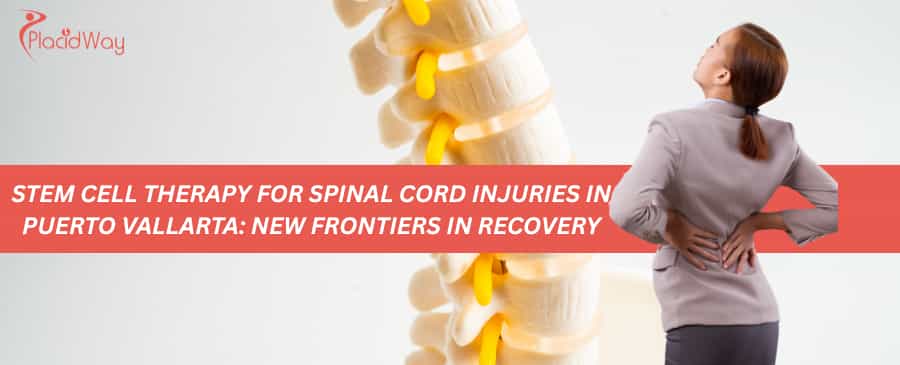
Living with a spinal cord injury presents profound daily challenges, often leaving patients searching for advanced therapeutic avenues beyond standard rehabilitation. Stem cell therapy for spinal cord injuries in Puerto Vallarta is emerging as a promising frontier in regenerative medicine for international medical tourists. This innovative approach aims to target the underlying cellular damage, utilizing the body's natural regenerative capabilities to potentially restore lost neurological functions.
While traditional medical frameworks largely focus on symptom management and adaptive therapies, cellular treatments strive to alter the biological environment of the injured spinal cord. Patients traveling for medical tourism in Mexico often seek these specialized interventions because they are looking for comprehensive protocols that are safely regulated yet highly progressive. The primary clinical objectives of these therapies typically involve reducing chronic inflammation, preventing further tissue degradation, and fostering a hospitable environment for neurogenesis.
- Neuroprotection: Shielding surviving neurons from secondary damage post-injury.
- Immunomodulation: Regulating the immune system to decrease harmful neuroinflammation.
- Tissue Regeneration: Stimulating the potential growth of new neural pathways and blood vessels.
- Functional Improvement: Targeting potential enhancements in motor control, sensation, and autonomic functions.
Stem cells have a unique ability known as "homing," meaning they can naturally migrate toward areas of inflammation and tissue damage within the spinal cord to deliver targeted cellular repair.
How Regenerative Medicine for Spinal Trauma Works in Mexico
The biological mechanisms behind regenerative medicine are complex and rely heavily on the unique properties of specialized cells. When undergoing spinal trauma treatment in Mexico, patients generally receive highly concentrated doses of mesenchymal stem cells (MSCs). These cells act as biological signaling centers, releasing vital growth factors and cytokines into the cerebrospinal fluid, which can potentially initiate the repair of damaged myelin sheaths and nerve fibers.
Administering these cells requires immense precision, which is why specialists in Puerto Vallarta typically utilize intrathecal injections or targeted intravenous infusions. By delivering the cells directly into the spinal canal or bloodstream, medical teams aim to maximize the concentration of regenerative agents reaching the lesion site. Most patients experience a highly structured protocol designed to create a synergistic healing environment within the central nervous system.
- Secretion of neurotrophic factors that support nerve survival.
- Reduction of glial scarring, which often blocks nerve regeneration.
- Promotion of angiogenesis (creation of new blood vessels) for better blood flow.
- Activation of endogenous (internal) stem cells residing in the spinal cord.
According to global regenerative medicine research, MSCs are the most frequently utilized cell type in clinical trials for neurological conditions due to their superior safety profile and immunomodulatory benefits.
Key Benefits of Stem Cell Treatment for Neurological Injuries in Puerto Vallarta
Choosing a destination for complex medical care requires careful consideration of various environmental, clinical, and regulatory factors. Pursuing stem cell treatment for neurological injuries in Puerto Vallarta offers a unique combination of world-class medical expertise and a profoundly healing environment. The coastal city is not just a scenic backdrop; its calming atmosphere plays a critical psychological role in minimizing patient stress during intensive medical interventions.
Furthermore, Mexico’s progressive yet heavily regulated medical framework allows for the safe administration of expanded cell therapies that may currently be restricted or highly limited in the United States and Canada. This accessibility attracts individuals looking for advanced regenerative therapies in Mexico without compromising on stringent laboratory standards or clinical safety protocols. Patients are generally treated in state-of-the-art facilities equipped with modern surgical and diagnostic technology.
- Access to highly concentrated, ethically sourced stem cells.
- Strict adherence to international medical and laboratory safety standards.
- Comprehensive, multidisciplinary care teams specializing in neurology.
- A stress-free recovery environment highly conducive to holistic healing.
Always request detailed documentation regarding the source, viability rate, and expansion processes of the stem cells being used before committing to any medical travel journey.
Cost of Stem Cell Therapy for Spinal Cord Injuries in Puerto Vallarta vs. US and Canada
Financial considerations are frequently the deciding factor for patients exploring alternative medical interventions abroad. The cost of stem cell therapy in Puerto Vallarta is significantly more accessible compared to equivalent experimental treatments in North America. This stark price difference does not reflect a compromise in quality, but rather stems from Mexico's lower operational overhead, localized pharmaceutical costs, and favorable exchange rates.
Patients seeking affordable stem cell therapy in Mexico must understand that prices vary based on the required cell count, the source of the cells, and the number of days required for administration. While North American clinics may charge exorbitant fees for limited treatments, medical facilities in Puerto Vallarta generally provide comprehensive packages that include thorough medical evaluations, the primary cellular procedure, and necessary immediate post-operative care.
| Procedure Name | Average Cost in Puerto Vallarta | Estimated Cost in US/Canada |
|---|---|---|
| Allogeneic Wharton's Jelly MSCs | $6,500 - $12,000 | $20,000 - $40,000+ |
| Autologous Bone Marrow MSCs | $8,000 - $15,000 | $25,000 - $50,000+ |
| Intrathecal Delivery Packages | $9,000 - $18,000 | $30,000 - $60,000+ |
| Multi-Day Intensive Protocol | $15,000 - $25,000 | $50,000 - $100,000+ |
Medical tourists traveling to Mexico for regenerative medicine can typically save between 50% to 70% on their overall medical expenditures compared to out-of-pocket costs in the United States.
Candidacy and Pre-Evaluation for Cellular Therapy in Mexico
A rigorous medical evaluation is the cornerstone of any ethical medical tourism program. Not every individual living with a spinal cord injury is an ideal candidate for cellular therapy in Mexico. Specialists require extensive medical records, recent MRI scans, and detailed neurological reports to accurately assess whether the intervention is medically appropriate and safe for the patient’s specific condition.
During the pre-evaluation phase for stem cell clinics in Puerto Vallarta, doctors carefully analyze the age of the injury, the exact location of the spinal lesion, and the patient's overall systemic health. Severe underlying infections, active malignancies, or severe blood disorders are generally strict contraindications. The goal is to ensure that the treatment poses minimal risk while offering the maximum potential for biological benefit.
- Ideal Candidates typically have: Stable overall health, realistic expectations, and medically documented neurological deficits.
- Strict Contraindications generally include: Active cancer, severe active systemic infections, and advanced organ failure.
Patients must disclose their complete medical history and current medication list to their international medical team. Withholding medical information can lead to severe adverse reactions or render the cellular therapy completely ineffective.
Types of Stem Cells Used for Spinal Cord Repair in Puerto Vallarta
The efficacy of regenerative medicine heavily relies on the specific biological materials utilized during the procedure. When performing spinal cord repair in Puerto Vallarta, medical experts generally choose between autologous cells (derived from the patient) and allogeneic cells (derived from a thoroughly screened donor). Each source possesses distinct advantages depending on the patient's age, injury severity, and overall vitality.
The most prominent cells utilized in Mexican regenerative centers are Mesenchymal Stem Cells (MSCs) sourced from Wharton’s Jelly inside umbilical cords. These ethically harvested cells are highly robust, immunologically privileged (meaning they generally do not cause rejection), and possess profound anti-inflammatory properties. Alternatively, bone marrow-derived cells are sometimes extracted from the patient's own hip bone to ensure absolute biological compatibility.
- Wharton’s Jelly MSCs: Sourced from donated umbilical cords; highly potent and young cells.
- Bone Marrow Aspirate: Autologous cells drawn from the patient; highly compatible but requires a minor extraction procedure.
- Adipose-Derived MSCs: Extracted from the patient's fat tissue; abundant but generally considered less potent for neurological repair.
Because umbilical cord-derived MSCs are considered "immune-privileged," they typically do not require patients to undergo complex blood matching or take harsh immunosuppressant medications prior to treatment.
The Step-by-Step Medical Tourism Journey for SCI Treatment
Embarking on a journey for international healthcare requires careful planning and a clear understanding of the clinical timeline. The protocol for receiving SCI treatment in Puerto Vallarta is highly structured to maximize patient safety and comfort. Upon arrival, medical tourists are typically greeted by patient coordinators who facilitate seamless transfers from the airport to their specialized clinical environment.
The medical protocol generally spans several days to allow the body to adapt to the therapy safely. Following an in-depth, in-person consultation and baseline blood work, the primary administration of stem cells takes place. Patients are closely monitored throughout the process, ensuring that the medical travel experience in Mexico remains stress-free and medically sound from the initial check-in to the final discharge.
- Day 1: Arrival, medical check-in, and comprehensive baseline physical evaluations.
- Day 2: Diagnostic imaging review, final specialist consultations, and prep.
- Day 3: Primary administration of stem cells (via intrathecal or IV routes) under mild sedation.
- Day 4-5: Rest, closely monitored observation, secondary supportive therapies, and discharge planning.
Safety Protocols and Medical Standards in Puerto Vallarta Facilities
Safety is the paramount concern for any patient traveling internationally for advanced healthcare. Those seeking safe stem cell therapy in Mexico can find peace of mind knowing that top-tier facilities in Puerto Vallarta adhere to rigorous regulatory frameworks. The Federal Commission for the Protection against Sanitary Risk (COFEPRIS) acts as Mexico’s regulatory authority, enforcing strict mandates on clinical hygiene, laboratory practices, and cell viability standards.
World-class medical tourism clinics in Puerto Vallarta operate with advanced ISO-certified clean rooms to ensure that cell cultivation and expansion are entirely free from contamination. Prior to administration, every batch of cells undergoes rigorous third-party testing to verify cell count, vitality, and sterility. These comprehensive safety measures ensure that international patients receive care that rivals or exceeds global standards.
- Strict oversight and licensing by COFEPRIS.
- Implementation of ISO-certified laboratory environments.
- Mandatory infectious disease screening for all biological materials.
- Continuous vital sign monitoring by board-certified anesthesiologists during administration.
High-quality stem cell laboratories utilize flow cytometry, a highly advanced laser-based technology, to guarantee that only the most viable and potent stem cells are selected for patient administration.
Rehabilitation and Follow-Up Care After Stem Cell Injections
Regenerative medicine is not a standalone miracle cure; it is a profound biological catalyst that requires physical stimulation to achieve maximum efficacy. Following stem cell injections for spinal injuries, engaging in aggressive and targeted physical rehabilitation is vital. The newly introduced cells require biochemical signals—generated through movement and physical exertion—to effectively integrate into the central nervous system and promote neuroplasticity.
Most successful recovery plans in Puerto Vallarta and upon returning home involve a multidisciplinary approach to rehabilitation. Patients are generally advised to work closely with specialized neuro-physiotherapists who understand the nuances of spinal cord injuries. Consistent follow-up care via telemedicine is also typically arranged to monitor progress, adjust rehabilitation goals, and address any potential complications early on.
- Locomotor training and weight-bearing exercises.
- Functional Electrical Stimulation (FES) to maintain muscle tone.
- Aquatic therapy to reduce joint stress while increasing mobility.
- Occupational therapy focusing on activities of daily living.
Before traveling for your procedure, establish a connection with a local physical therapist in your home country so that you can begin aggressive neuro-rehabilitation immediately upon your return.
Real Patient Experiences: Stem Cell Therapy in Puerto Vallarta
Understanding the lived experiences of others can be incredibly reassuring for patients contemplating international medical travel. The impact of regenerative medicine for spinal injuries varies significantly from person to person, but numerous medical tourists report experiencing enhanced quality of life. These subjective improvements often manifest as small but crucial functional gains that profoundly affect daily independence.
While definitive cures remain elusive, stories of returning sensations or improved autonomic functions underscore the potential of medical tourism in Puerto Vallarta. Below are summaries of typical experiences reported by patients who have undergone rigorous cellular therapy protocols in Mexico.
Increased Sensory Perception
Many patients who experienced complete loss of sensation report that, several months post-treatment, they began perceiving deep pressure or temperature variations in previously numb areas, significantly aiding their spatial awareness.
Improved Autonomic Function
A frequently highlighted benefit is the gradual improvement in bowel and bladder regulation, which drastically reduces the reliance on catheters and significantly lowers the risk of chronic urinary tract infections.
Reduction in Neuropathic Pain
Several medical tourists report a substantial decrease in severe, chronic nerve pain and debilitating muscle spasticity, allowing them to reduce their dependence on heavy pharmaceutical painkillers.
Core Stability Enhancements
Some individuals notice improved trunk control and core strength following their combined stem cell and rehabilitation protocol, which greatly assists in easier and safer wheelchair transfers.
Navigating Travel and Medical Clearances for Your Mexican Treatment
Logistical planning is a crucial element for anyone living with mobility impairments who intends to travel abroad. Preparing for medical travel to Puerto Vallarta involves securing specific medical clearances from your primary care physician to ensure you are fit to fly. Additionally, coordinating with airlines well in advance is essential to secure aisle chairs, specialized seating, and assistance with medical equipment.
Fortunately, Puerto Vallarta is widely recognized for its accessible infrastructure, making the logistics of medical tourism in Mexico highly manageable. International airports are well-equipped to handle disabled passengers, and specialized private medical transportation is generally arranged by the facilitating medical team to ensure a safe, comfortable transition from the tarmac to the clinical facility.
- Always carry a detailed medical summary and a list of current medications in your carry-on luggage.
- Notify your airline at least 48 hours in advance regarding specific wheelchair dimensions and battery types.
- Ensure your passport is valid for at least six months beyond your planned date of entry into Mexico.
The Puerto Vallarta International Airport (PVR) routinely processes thousands of medical tourists annually and maintains dedicated ground support teams trained specifically to assist passengers with severe mobility restrictions.
Analyzing Success Rates and Realistic Expectations for SCI Recovery
Maintaining grounded and realistic expectations is paramount when approaching advanced experimental therapies. The success rates of stem cell therapy are difficult to quantify with absolute certainty because spinal cord injuries are immensely complex and highly individualized. Treatment outcomes are heavily influenced by the level of the injury, the time elapsed since the initial trauma, and the patient's commitment to post-procedure rehabilitation.
While some clinics may market aggressively, ethical providers of regenerative medicine in Puerto Vallarta never guarantee a complete cure or full restoration of mobility. Instead, they focus on potential incremental improvements. Most patients experience varying degrees of enhanced quality of life, and the medical community generally views these subtle functional gains as a successful therapeutic outcome in the context of severe neurological trauma.
- Injury Age: Recent injuries generally show higher responsiveness to cellular interventions.
- Injury Completeness: Incomplete spinal cord injuries typically have more intact pathways to build upon than complete transections.
- Patient Health: Optimal metabolic and immune health provides a better foundation for cellular engraftment.
Clinical observations suggest that patients who adhere to a rigorous physical therapy regimen for at least 6 to 12 months post-stem cell injection have a markedly higher probability of achieving sustainable functional improvements.
How PlacidWay Assists Your Cellular Therapy Medical Tourism Journey in Puerto Vallarta
Navigating the complex landscape of international healthcare can feel overwhelming, especially when seeking specialized neurological treatments. Utilizing a globally trusted medical tourism facilitator can bridge the gap between uncertainty and confident decision-making. PlacidWay provides invaluable assistance in organizing your medical journey to ensure safety, transparency, and high-quality care.
By streamlining the research and communication process, PlacidWay empowers patients to focus entirely on their health and recovery rather than administrative burdens. Here is how PlacidWay adds value to your medical tourism journey:
- Providing access to a rigorously vetted network of certified medical centers and specialized neurologists.
- Facilitating direct, secure communication between patients and international medical teams.
- Assisting in the smooth transfer of sensitive medical records, MRI scans, and pre-evaluation documents.
- Offering detailed, transparent cost estimates for specialized cellular procedures.
- Delivering comprehensive resources to help patients understand complex treatment protocols and realistic outcomes.
- Ensuring dedicated customer support throughout the entire pre-treatment planning phase.
Frequently Asked Questions About Spinal Cord Injury Stem Cell Therapy in Mexico
Embarking on international medical travel for complex regenerative treatments naturally brings up numerous questions. Understanding the nuances of the procedure, costs, and safety protocols is vital for peace of mind. Below are the most common inquiries from patients considering this innovative therapy abroad.
Am I a good candidate for stem cell therapy for spinal cord injuries in Puerto Vallarta?
Candidacy typically depends on the type, severity, and time since the spinal cord injury occurred. A comprehensive medical evaluation by regenerative specialists is generally required to determine if the treatment is safe and potentially beneficial for your specific neurological condition.
What is the average cost of stem cell therapy for spinal cord injuries in Mexico?
The cost generally ranges between $6,000 and $25,000 depending on the type of stem cells used and the number of treatment sessions. This represents a significant reduction compared to similar investigative treatments in the US or Canada.
Are stem cell injections painful?
Most patients experience only mild discomfort during the procedure. Intrathecal or intravenous administrations are typically performed under local anesthesia or mild sedation to ensure a comfortable experience.
How long do I need to stay in Puerto Vallarta for the treatment?
International medical tourists are generally advised to plan for a stay of 5 to 10 days. This allows ample time for initial consultations, the procedure itself, and necessary immediate follow-up care.
Is stem cell therapy for spinal cord injuries legally approved in Mexico?
Yes, regenerative medicine and stem cell therapies are legally performed in Mexico when administered by licensed professionals in certified facilities. These facilities strictly follow regulations set by COFEPRIS, Mexico’s health regulatory agency.
When will I start seeing results from the therapy?
Recovery timelines vary significantly among individuals, but some patients report initial improvements in sensation or mobility within three to six months. However, results are never guaranteed, and cellular repair is a gradual biological process.
Do I need to continue physical therapy after receiving stem cells?
Yes, aggressive and consistent physical therapy is highly recommended following stem cell injections. Rehabilitation helps maximize the potential neuroplasticity and functional gains initiated by the cellular treatment.
Can I use my health insurance to cover this procedure in Mexico?
Because stem cell therapy for spinal cord injuries is largely considered experimental or investigative, most traditional health insurance plans do not cover it. Patients generally fund this medical tourism journey out-of-pocket.
What type of stem cells are most commonly used in Puerto Vallarta?
Specialists typically utilize Mesenchymal Stem Cells (MSCs) derived from Wharton’s Jelly (umbilical cord tissue) or the patient's own bone marrow. These specific cells are favored for their potent anti-inflammatory and regenerative properties.
Is it safe to travel to Puerto Vallarta with a severe mobility impairment?
Puerto Vallarta is widely recognized as an accessible destination with dedicated infrastructure for medical tourists with disabilities. International airports, private medical transports, and specialized facilities are generally equipped to handle complex mobility needs safely.
Ready to explore advanced regenerative treatments? Contact PlacidWay today to connect with top-tier specialists and start planning your customized medical journey to Puerto Vallarta.
Medical Disclaimer: This article is for informational purposes only and is not medical advice. Always consult a qualified healthcare provider before any medical decisions. Results may vary. Read Full Disclaimer here.
References
- National Institutes of Health (NIH). Mesenchymal Stem Cells in Spinal Cord Injury. https://pmc.ncbi.nlm.nih.gov/articles/PMC6600381/
- Christopher & Dana Reeve Foundation. Spinal Cord Injury Treatments. https://www.christopherreeve.org/tomorrows-cure/approach-to-research/developing-treatments/
- Mayo Clinic. Stem cell research: What is the current state? https://www.mayoclinic.org/tests-procedures/bone-marrow-transplant/in-depth/stem-cells/art-20048117
- Nature. Stem Cell Therapy for Neurological Disorders. https://www.nature.com/articles/s41536-020-0091-6

















Share this listing