


.png)
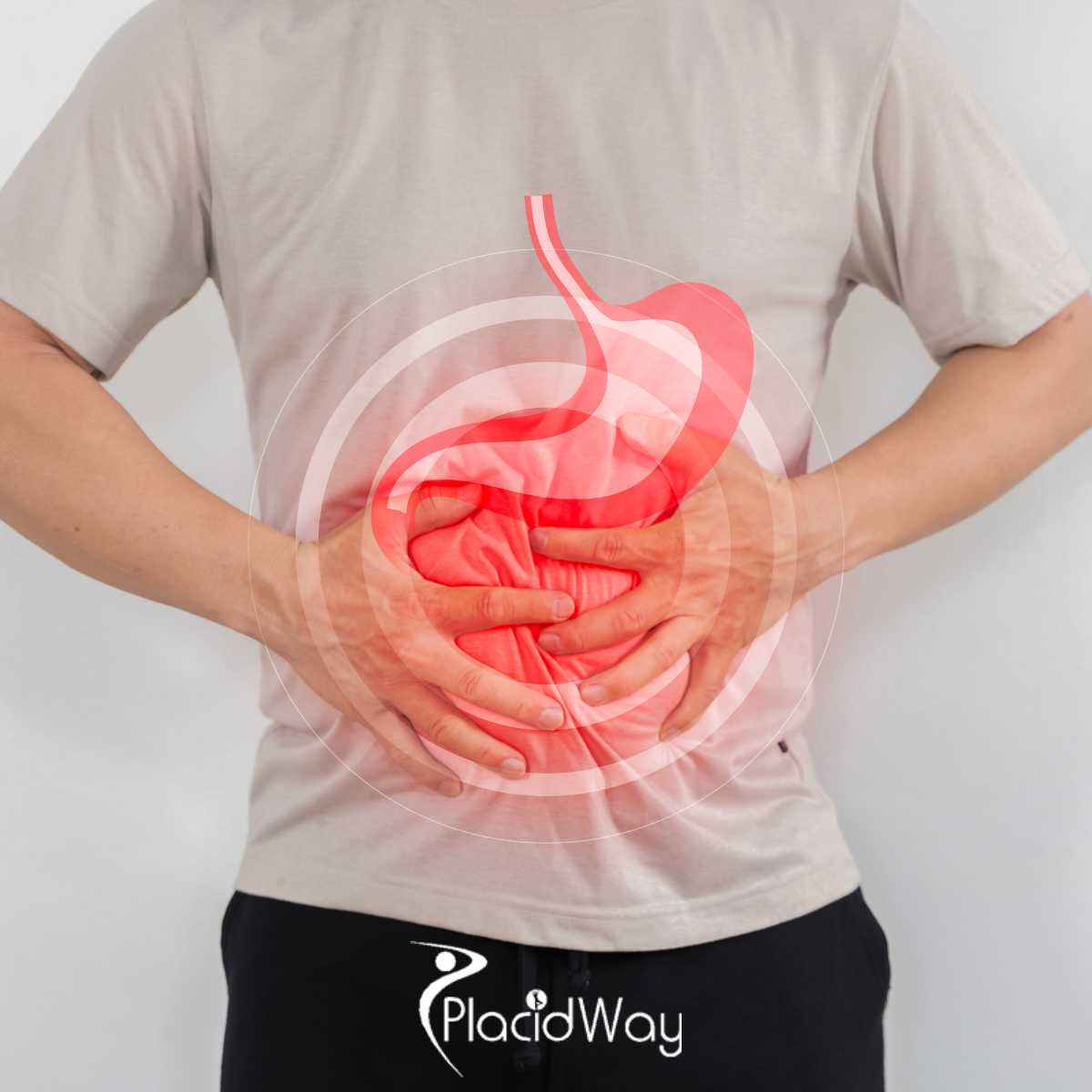
This overview is designed to support patients and families who are navigating treatment decisions or considering additional medical guidance. Esophageal cancer is a complex disease that occurs in the tube connecting the throat to the stomach. As medical technology advances, the options for esophageal cancer treatment have expanded significantly, offering hope to patients at various stages of the disease. Choosing the right path involves understanding the specific type of cancer, such as squamous cell carcinoma or adenocarcinoma, and its location within the esophagus.
Modern oncology focuses on a personalized approach, often combining different modalities to achieve the best possible outcomes. Patients seeking advanced cancer care now have access to a global network of specialists who utilize cutting-edge diagnostics and innovative therapies. This section introduces the foundational concepts of managing this condition through a multi-faceted medical strategy designed for individual patient needs.
Surgery as a Primary Treatment for Esophageal Cancer
For many patients diagnosed at an early or localized stage, esophageal cancer surgery remains the cornerstone of curative intent. The primary goal of surgery, often called an esophagectomy, is to remove the tumor along with a portion of the esophagus and nearby lymph nodes. This procedure can be performed through traditional open surgery or via minimally invasive techniques that typically result in shorter recovery times.
Surgical intervention is a major undertaking that requires a highly skilled surgical team and a comprehensive post-operative care plan. Surgeons generally assess a patient's overall health and nutritional status before proceeding, as the body needs significant strength to recover from such an invasive procedure. The choice between laparoscopic, robotic-assisted, or open surgery depends on the tumor’s size and location.
- Esophagectomy: Removal of part or most of the esophagus.
- Endoscopic Mucosal Resection (EMR): Used for very early-stage cancers localized in the lining.
- Lymphadenectomy: Removal of surrounding lymph nodes to check for cancer spread.
- Minimally Invasive Surgery: Uses small incisions to reduce scarring and speed up healing.
Radiation Therapy Techniques and Their Role in Recovery
Radiation therapy for esophageal cancer uses high-energy beams to target and destroy cancer cells. It is frequently used in conjunction with chemotherapy, a combination known as chemoradiation, either before surgery to shrink tumors or after surgery to eliminate remaining microscopic disease. Modern radiation techniques allow for precise targeting, which helps protect the surrounding healthy organs like the heart and lungs.
Patients undergoing radiation therapy typically experience a series of treatments over several weeks. While radiation is effective at local tumor control, it is a localized treatment and does not address cancer cells that may have migrated to other parts of the body. Oncologists usually monitor patients closely for side effects like difficulty swallowing or skin irritation during the course of treatment.
Comprehensive Cost Analysis of Esophageal Cancer Treatments
The cost of esophageal cancer treatment can be a significant factor for families and individuals planning their medical journey. Prices vary widely based on the complexity of the surgery, the type of immunotherapy drugs used, and the duration of the hospital stay. International medical tourism has become a viable option for many who seek affordable cancer treatment without compromising on the quality of healthcare or clinical expertise.
When comparing costs, it is important to look at the total package, including diagnostic tests, physician fees, and follow-up care. Below is a comparison of typical market ranges for various procedures associated with esophageal cancer care across different global regions compared to the United States.
| Procedure Name | Avg Global Market Range | Comparison (USA) |
|---|---|---|
| Esophagectomy (Surgery) | $15,000 - $35,000 | $80,000 - $150,000 |
| Immunotherapy (Per Cycle) | $3,500 - $7,000 | $12,000 - $20,000 |
| Chemotherapy Course | $5,000 - $12,000 | $30,000 - $60,000 |
| Radiation Therapy (Full Course) | $8,000 - $18,000 | $40,000 - $70,000 |
Exploring Chemotherapy and Targeted Therapy Combinations
Chemotherapy for esophageal cancer involves the use of powerful drugs to kill rapidly dividing cancer cells throughout the body. It is often a primary treatment for advanced stages where the cancer has spread beyond the esophagus. In recent years, targeted therapy has also emerged as a vital tool, focusing on specific genetic mutations or proteins that help cancer cells grow and survive.
Unlike standard chemotherapy, targeted therapies are designed to interfere with specific molecules, which can sometimes result in fewer side effects for healthy cells. Most patients experience a customized regimen that may include a "cocktail" of different drugs to maximize the attack on the tumor from multiple biological angles. This systemic approach is essential for managing metastatic disease.
How Immunotherapy Works to Combat Esophageal Cancer Cells
How immunotherapy works is one of the most exciting breakthroughs in modern oncology. Unlike chemotherapy, which attacks cancer cells directly, immunotherapy empowers the patient's own immune system to recognize and destroy the cancer. Cancer cells often "hide" from the immune system by using certain proteins as a shield; immunotherapy drugs strip away this disguise.
This biological approach focuses on the body's natural defenses, such as T-cells, to seek out and eliminate malignant cells. For esophageal cancer immunotherapy, this means targeting pathways like PD-1 or PD-L1. By blocking these pathways, the immune system is essentially "unleashed," allowing it to perform its natural role of protecting the body from abnormal cell growth.
- Immune Checkpoint Inhibitors: Drugs that block proteins preventing the immune system from attacking cancer.
- T-Cell Activation: Boosting the ability of white blood cells to detect cancer.
- Systemic Protection: Unlike radiation, immunotherapy works throughout the entire body.
- Durable Response: Some patients experience long-lasting protection even after treatment ends.
PD-1 and PD-L1 Inhibitors in Esophageal Oncology
The most common form of immunotherapy for esophageal cancer involves PD-1 and PD-L1 inhibitors. PD-1 is a protein on the surface of T-cells that helps keep the body’s immune responses in check. When PD-1 binds to PD-L1 (a protein found on some cancer cells), it sends a "stop" signal to the T-cell. Inhibitors block this interaction, allowing the T-cells to stay active and attack the tumor.
Clinical trials have shown that patients with high levels of PD-L1 expression often respond more favorably to these treatments. Medical specialists typically perform biomarker testing on biopsy samples to determine if a patient is likely to benefit from these specific drugs. This represents a major shift toward precision medicine in the management of gastrointestinal cancers.
Case Summary: Precision Response
A 62-year-old male with Stage IV esophageal cancer showed high PD-L1 expression. After failing standard chemotherapy, he was started on a PD-1 inhibitor. Within six months, his primary tumor shrunk by 40%, and his quality of life improved significantly, allowing him to return to daily activities.
Identifying Ideal Candidates for Advanced Immunotherapy
Not every patient is a candidate for advanced immunotherapy. The decision to include immunotherapy in a treatment plan is based on several factors, including the stage of the cancer, previous treatments, and the results of genetic and molecular testing. Patients with certain biomarkers, such as Microsatellite Instability-High (MSI-H), are often excellent candidates for these therapies.
Furthermore, the patient’s overall physical health and the presence of any autoimmune conditions are carefully evaluated. Oncology teams generally review the risks of triggering an overactive immune response before initiating treatment. For those who qualify, immunotherapy can offer a survival advantage that was previously unavailable with traditional methods alone.
Managing Side Effects and Risks of Esophageal Cancer Care
Every esophageal cancer treatment option carries potential risks and side effects. Surgery involves risks such as infection, bleeding, or issues with the new connection between the esophagus and stomach (anastomotic leak). Radiation and chemotherapy can lead to fatigue, nausea, and a weakened immune system, making the patient more susceptible to infections.
Immunotherapy has a unique side-effect profile known as immune-related adverse events (irAEs). Because the treatment boosts the immune system, it may occasionally cause the body to attack its own healthy tissues, leading to inflammation in the lungs, colon, or liver. Typically, these side effects are manageable with steroids if they are caught early through regular medical monitoring.
Combining Immunotherapy with Traditional Treatments for Better Outcomes
The "gold standard" for treating esophageal cancer is increasingly becoming a combination of therapies. Researchers have found that chemotherapy can sometimes "prime" the tumor, making it more recognizable to the immune system. When followed by immunotherapy, the results can be more robust than using either treatment in isolation.
This synergistic approach is often utilized in the "adjuvant" setting—meaning treatment given after the main procedure to prevent the cancer from returning. By using multimodal cancer therapy, doctors aim to tackle the disease from every angle, reducing the chances of recurrence and improving long-term survival statistics for patients globally.
Case Summary: Combined Modality Success
A 55-year-old female underwent chemoradiation followed by an esophagectomy. Due to residual disease found during pathology, she received one year of adjuvant immunotherapy. Two years later, she remains in complete remission with no signs of active cancer.
The Importance of Multidisciplinary Care Teams in Treatment
Successful management of esophageal cancer requires a "Tumor Board" approach. This team typically includes thoracic surgeons, medical oncologists, radiation oncologists, gastroenterologists, and specialized nurses. Having multiple experts review a single case ensures that all treatment options for cancer are considered and that the timing of each therapy is optimized.
In the context of medical tourism for oncology, patients should look for centers that emphasize this collaborative environment. A coordinated team can manage the complex nutritional needs of the patient, provide psychological support, and ensure that the transition between different phases of treatment is seamless and well-documented.
Lifestyle Adjustments and Supportive Care During Treatment
Undergoing treatment for esophageal cancer requires significant lifestyle adjustments, particularly regarding diet and nutrition. Because the esophagus is directly involved, many patients experience difficulty swallowing (dysphagia) or a decreased appetite. Working with a specialized dietitian is essential to ensure the body remains strong enough to handle intensive therapies.
Supportive care also includes managing pain, anxiety, and the emotional toll of a cancer diagnosis. Most patients find that integrating palliative care early—not just as end-of-life care, but as symptom management greatly improves their daily comfort. From physical therapy to support groups, the holistic well-being of the patient is a priority in modern oncology centers.
Case Summary: Nutritional Support
An elderly patient struggling with weight loss during chemotherapy was fitted with a temporary feeding tube (jejunostomy) to maintain caloric intake. This intervention allowed the patient to complete their full course of treatment without further physical decline.
Future Trends and Clinical Trials in Esophageal Cancer
The landscape of cancer research is constantly shifting, with new clinical trials exploring novel immunotherapy combinations and vaccine-based treatments. Researchers are currently investigating "personalized cancer vaccines" that are created using the unique genetic signature of an individual’s tumor. These vaccines aim to train the immune system to recognize the specific mutations present in that patient's cancer.
Another area of growth is the use of liquid biopsies, which are blood tests that can detect cancer DNA circulating in the bloodstream. This technology may eventually allow doctors to monitor how well a treatment is working in real-time without needing repeated invasive tissue biopsies. Staying informed about these trends can help patients discuss all possible avenues with their medical providers.
How PlacidWay Assists Your Esophageal Cancer Treatment Journey
Navigating international medical travel for cancer can be overwhelming, but PlacidWay provides the necessary bridge between patients and world-class oncology care. By offering transparent information and a streamlined process, patients can focus on their recovery while expert coordinators handle the logistics of finding the right medical destination.
PlacidWay specializes in connecting patients with highly accredited facilities that offer the latest esophageal cancer treatments. Whether you are seeking a second opinion, specialized surgery, or advanced immunotherapy protocols, the platform serves as a comprehensive resource for global healthcare solutions.
- Providing access to a curated network of globally recognized oncology centers and specialists.
- Facilitating the collection and transfer of medical records for comprehensive remote evaluations.
- Assisting in the comparison of treatment costs and technology availability across different countries.
- Offering a centralized platform for patient reviews and verified hospital credentials to ensure peace of mind.
- Supporting patients in understanding the logistical requirements for medical visas and international communication.
- Ensuring clear communication between patients and medical providers to prevent language barriers.
Case Summary: Global Accessibility
A patient from a region with limited oncology options used PlacidWay to find a specialized center for robotic esophagectomy abroad. Within weeks, they were connected to a top-tier surgeon, received a clear cost estimate, and scheduled their life-saving procedure.
Frequently Asked Questions
Medical tourism for oncology is generally safe when patients choose accredited facilities that follow international protocols. It is essential to verify the credentials of the oncology team and ensure the hospital has advanced diagnostic equipment.
Immunotherapy is typically administered in cycles, often every 2 to 4 weeks. Patients may need to stay near the treatment center for several months or travel back and forth depending on their personalized treatment plan.
Common side effects include fatigue, skin rashes, and flu-like symptoms. Because immunotherapy stimulates the immune system, it can sometimes lead to inflammation in healthy organs, which requires close medical monitoring.
Yes, many modern treatment protocols use immunotherapy as a 'neoadjuvant' therapy before surgery or as an 'adjuvant' therapy after surgery to reduce the risk of recurrence. This approach is decided by a multidisciplinary tumor board.
Candidacy is often determined through biomarker testing, such as checking for PD-L1 expression or Microsatellite Instability (MSI) levels in the tumor tissue. These tests help predict how well the cancer will respond to the drugs.
Most countries require a specific medical visa for long-term treatments like oncology. Patients should consult with the embassy or a medical tourism facilitator to ensure all documentation is processed before travel.
Success rates vary significantly based on the cancer stage and the patient’s genetic profile. While some patients experience long-term remission, others may see a slowing of disease progression rather than a total cure.
International insurance coverage depends on your specific policy; some providers cover treatments abroad if they are more cost-effective or unavailable locally. Always confirm with your insurer prior to making arrangements.
Follow-up care is typically coordinated between the international oncologist and your local physician. This involves sharing detailed medical reports, scan results, and treatment summaries to ensure continuity of care.
There is no strict age limit, but 'biological age' and overall fitness (performance status) are more important than chronological age. Surgeons assess heart and lung function to determine if a patient can safely undergo a major procedure.
- National Cancer Institute. Immunotherapy to Treat Cancer. https://www.cancer.gov/about-cancer/treatment/types/immunotherapy
- American Cancer Society. Treating Esophageal Cancer. https://www.cancer.org/cancer/esophagus-cancer/treating.html
- Mayo Clinic. Esophagectomy. https://www.mayoclinic.org/tests-procedures/esophagectomy/about/pac-20385084
- World Health Organization. Cancer Fact Sheet. https://www.who.int/news-room/fact-sheets/detail/cancer
- PubMed Central. Progress in Immunotherapy for Esophageal Cancer. https://www.ncbi.nlm.nih.gov/pmc/articles/PMC8461623/
.png)



.png)
.png)
.png)












Share this listing