
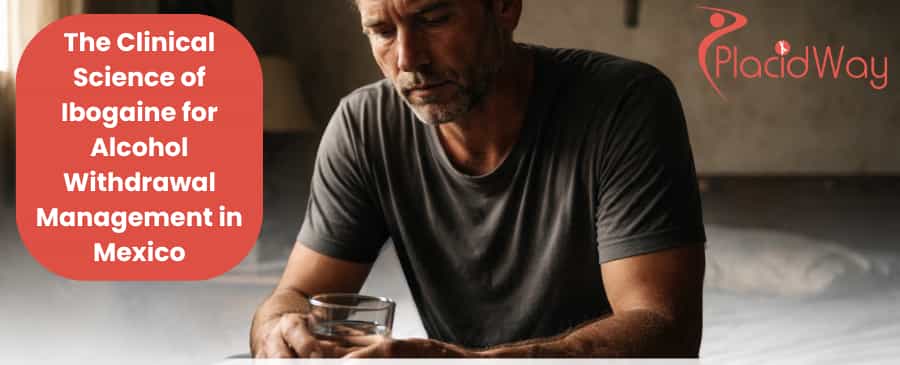
The landscape of addiction recovery is shifting as more patients look toward alternative addiction treatments in Mexico. Ibogaine, a naturally occurring alkaloid derived from the root bark of the Tabernanthe iboga plant, has emerged as a potent tool for those struggling with chronic alcohol dependency. In a clinical setting, this substance is used not just as a detox aid but as a powerful neuro-interrupter that targets the biological roots of addiction.
While traditional rehabilitation methods focus on behavioral changes, ibogaine therapy for alcohol in Mexico addresses the chemical imbalances in the brain. Patients from around the globe are increasingly choosing Mexican clinical facilities because they provide a regulated environment where this specific science can be applied safely. This approach aims to provide a "biological reset," helping patients navigate the difficult transition from active use to long-term sobriety.
Ibogaine was first identified for its anti-addictive properties in the 1960s, and today, Mexico stands as a global leader in clinical research and application of this unique alkaloid.
The Science Behind Ibogaine Treatment
Clinical researchers have spent decades studying how ibogaine affects the human brain. When ingested, ibogaine is converted by the liver into noribogaine, a metabolite that stays in the system for several weeks. This metabolite acts as a serotonin reuptake inhibitor and interacts with opioid receptors, which helps to stabilize the patient's mood and significantly reduce the physiological urge to consume alcohol.
The most profound scientific aspect of this treatment is its ability to stimulate the production of Glial Cell Line-Derived Neurotrophic Factor (GDNF). GDNF is a protein that promotes the survival and differentiation of dopaminergic neurons. In simpler terms, ibogaine for alcohol withdrawal management helps "rewire" the reward pathways that have been damaged by long-term alcohol consumption, effectively increasing neuroplasticity and allowing the brain to heal.
Studies on noribogaine suggest it can remain active in the body for up to 14 days, providing a prolonged "window of opportunity" for behavioral change and psychological healing.
Managing Alcohol Withdrawal Symptoms
Alcohol withdrawal is one of the most dangerous detoxification processes due to the risk of seizures and delirium tremens (DTs). Consequently, medical ibogaine protocols in Mexico typically require a period of stabilization before the actual ibogaine administration. Clinicians generally use traditional sedative-hypnotics to ensure the patient is physically stable and past the acute risk phase before introducing the alkaloid.
Once the patient is stabilized, ibogaine works to mitigate the post-acute withdrawal syndrome (PAWS). These are the lingering symptoms such as anxiety, insomnia, and depression that often lead to relapse. By targeting these symptoms at a cellular level, the treatment provides a smoother transition into a sober lifestyle, making the initial months of recovery significantly more manageable for the patient.
Testimonial: Mark's Experience
"After twenty years of heavy drinking, I felt like my brain was stuck. The treatment in Mexico didn't just stop the shakes; it felt like it wiped away the constant 'noise' in my head that was telling me to drink. For the first time, I felt I had a choice again."Comprehensive Ibogaine Cost Comparison
When considering affordable ibogaine treatment in Mexico, it is essential to look at the value provided within the clinical setting. Most packages are all-inclusive, covering medical screenings, the procedure itself, and professional monitoring. This makes Mexico a highly attractive destination for international patients who find the cost of private detoxification in their home countries to be prohibitive.
The following table provides a realistic market range for the various components of treatment. Keep in mind that ibogaine cost in Mexico can vary based on the level of clinical care and the duration of the stay. Generally, patients can expect to save between 50% and 70% compared to similar high-end residential detox programs in the United States or Europe.
| Procedure Name | Average Cost in Mexico (USD) | USA/Canada Cost Comparison (USD) |
|---|---|---|
| 7-Day Medical Ibogaine Detox | $5,000 - $8,000 | $15,000 - $25,000 (Private) |
| Comprehensive Cardiac Screening | Included in Package | $800 - $1,500 |
| 10-Day Advanced Integration Program | $7,500 - $11,000 | $20,000+ |
Clinical Protocols for Ibogaine
Strict ibogaine safety protocols in Mexico are what distinguish reputable clinical centers from less formal operations. A standard clinical protocol begins with extensive baseline testing, including blood panels, liver function tests, and, most importantly, a 12-lead EKG. These steps are vital because ibogaine can impact heart rhythm, specifically by lengthening the QT interval.
During the administration of the substance, patients are typically monitored 24/7 by medical staff. This includes continuous heart rate monitoring and blood pressure checks. The clinical science of ibogaine dictates that the dose must be carefully calculated based on the patient's body weight and metabolic profile. This personalized approach ensures that the "flood dose" is effective while minimizing potential adverse reactions.
Always ask for a copy of your pre-treatment EKG and ensure the clinic has an ACLS-certified (Advanced Cardiovascular Life Support) provider on-site during the procedure.
Safety Standards for Ibogaine Therapy
Safety is the cornerstone of medical tourism in Mexico for addiction. Reputable facilities prioritize patient health by maintaining a hospital-grade environment. This includes having emergency medical equipment, such as defibrillators and oxygen, readily available. Because alcohol withdrawal itself presents risks, the presence of a physician who understands both addiction medicine and emergency care is non-negotiable.
Furthermore, patients are screened for contraindications such as pre-existing heart conditions, severe liver disease, or certain psychiatric disorders. Safe ibogaine clinics in Mexico will refuse treatment to high-risk individuals if the procedure poses a significant threat to their lives. This level of transparency and commitment to safety is what has built trust in the Mexican medical community among international patients.
Ibogaine is a powerful substance that can cause heart rhythm disturbances. It should never be taken without professional medical supervision and a prior cardiac clearance.
Benefits of Medical Tourism for Addiction
Choosing addiction recovery in Mexico offers more than just clinical benefits; it provides a necessary distance from the triggers of home. For many, the physical act of traveling to a different country signals a profound commitment to change. Mexico’s proximity to major North American hubs makes it an accessible yet transformative destination for those seeking a fresh start.
Moreover, the integration of holistic practices with clinical science is a hallmark of Mexican ibogaine centers. Patients often have access to massage therapy, nutritional counseling, and yoga alongside their medical treatment. This "whole-person" approach ensures that while the brain is being biologically reset, the body and spirit are also being nurtured, leading to a more comprehensive recovery experience.
Mexico has become a hub for "integrative medicine," where traditional indigenous knowledge and modern clinical science are often combined to treat complex conditions like substance use disorder.
Ibogaine Recovery and Aftercare
The ibogaine recovery process in Mexico does not end when the patient leaves the clinic. In fact, the period following the treatment—often called the "gray day"—is a critical time for reflection and stabilization. Clinical staff typically provide guided sessions to help patients process the insights gained during the ibogaine experience, which can be intense and visionary in nature.
Post-treatment aftercare is essential for long-term success. Most reputable clinics assist patients in developing a sober living plan before they depart. This may include referrals to integration coaches, local therapists, or outpatient programs in their home country. The goal is to leverage the physiological "reset" provided by ibogaine to establish new, healthier habits that can sustain sobriety over the long term.
Testimonial: Sarah's Reset
"The ibogaine gave me a window of clarity I hadn't seen in years. But the aftercare plan the clinic helped me build was what actually kept me sober when I got back to my stressful job. It’s a tool, not a magic wand."Patient Selection and Eligibility in Mexico
Not everyone is a candidate for ibogaine treatment in Mexico. Eligibility is determined through a rigorous screening process that evaluates both physical and mental health. Generally, patients must be in reasonably good cardiovascular health and have a liver that can process the alkaloid effectively. Patients with schizophrenia or active psychosis are typically excluded due to the visionary nature of the treatment.
Clinical ibogaine for alcoholics also requires the patient to have a genuine desire for change. While the substance can reduce cravings, it cannot change a person's life circumstances or choices. Clinical teams in Mexico look for patients who have a support system in place and are willing to engage in the hard work of psychological and behavioral integration following their session.
Be completely honest during your medical intake. Disclosing all medications and supplements is vital to avoiding dangerous drug-drug interactions during your treatment.
Neuroplasticity and Long-Term Success in Mexico
The term neuroplasticity in ibogaine treatment refers to the brain's ability to reorganize itself by forming new neural connections. Alcohol abuse effectively "hijacks" the brain's survival mechanisms, making alcohol feel as necessary as food or water. Ibogaine disrupts this hijacking by resetting the sensitivity of receptors and promoting the growth of new neural pathways.
Long-term success is typically observed in patients who use this period of heightened neuroplasticity to implement significant life changes. Because the brain is more "malleable" in the weeks following treatment, therapy and positive habit formation are much more effective. This is why ibogaine clinics in Mexico emphasize that the treatment is the beginning of a journey, rather than the final destination.
Research indicates that GDNF expression induced by ibogaine can continue for weeks, which is why many patients describe feeling a "natural anti-depressant" effect long after their stay in Mexico.
Legal and Regulatory Framework in Mexico
One of the primary reasons for the growth of ibogaine therapy in Mexico is the country's unique legal framework. Unlike in the United States, where ibogaine is a Schedule I substance, it is not a controlled substance in Mexico. This allows medical professionals to utilize it in a clinical setting without the legal barriers found elsewhere, fostering an environment of innovation and specialized care.
However, the lack of strict federal regulation also means that patients must be diligent in their research. The best facilities voluntarily adhere to international medical standards and often employ staff trained in Western medicine. By choosing a facility that operates with high transparency, patients can benefit from the legal availability of ibogaine while ensuring they receive a high standard of clinical care.
Testimonial: Elena's Path
"I was nervous about going to Mexico for a medical procedure, but the clinic was more professional than many hospitals I've seen. They took my heart health seriously, and the legal environment allowed me to get the help I couldn't find at home."Preparing for Your Ibogaine Journey
Preparation is key to a successful medical tourism experience in Mexico. Patients are generally advised to start hydrating and eating a clean diet several weeks before arrival. It is also important to begin tapering off certain medications, under medical supervision, that may interact with ibogaine. Mental preparation, such as setting clear intentions for the treatment, can also enhance the therapeutic outcome.
Logistical preparation involves ensuring your travel documents are in order and that you have arranged for a period of rest following your return home. Most Mexico ibogaine centers provide detailed pre-arrival guides that cover everything from what to pack to how to prepare your mind for the experience. Taking these steps seriously ensures that when you arrive in Mexico, you can focus entirely on your healing and recovery.
Testimonial: David's Recovery
"Coming to Mexico was the best decision I ever made. The preparation was intense, but it made the actual session much more profound. I felt safe, cared for, and finally ready to leave the bottle behind."How PlacidWay Assists Your Ibogaine Medical Tourism Journey?
PlacidWay serves as a vital bridge between international patients and high-quality medical providers in Mexico. Navigating the world of alternative treatments can be complex, and having a trusted resource helps ensure you make informed decisions about your health. Here is how PlacidWay assists your journey:
- Connecting you with reputable clinical facilities that specialize in ibogaine therapy.
- Providing transparent information on treatment protocols and medical standards in Mexico.
- Offering comprehensive cost comparisons to help you find a program that fits your budget.
- Facilitating communication between you and the clinical teams for pre-screening and consultations.
- Assisting with the understanding of medical documentation and eligibility requirements.
- Providing access to patient reviews and testimonials to help you gauge the quality of care.
- Offering a centralized platform to manage your inquiries and treatment bookings efficiently.
Frequently Asked Questions
Yes, ibogaine is not a scheduled substance in Mexico, allowing specialized clinics to provide treatment under medical supervision. It is often administered in private clinical settings that adhere to international safety standards.
Typically, a clinical ibogaine program for alcohol withdrawal in Mexico lasts between 7 to 10 days. This includes pre-treatment screening, the primary ibogaine session, and a period of monitored recovery.
The most significant risks involve cardiovascular health, specifically QT interval prolongation and bradycardia. This is why comprehensive EKG monitoring and medical supervision are mandatory during the procedure.
Most citizens from the US, Canada, and Europe do not require a visa for stays under 180 days. However, you should ensure your passport is valid for at least six months beyond your travel dates.
Yes, most clinical protocols in Mexico require patients to be medically stabilized from acute alcohol withdrawal before receiving ibogaine. Ibogaine is typically used to address the post-acute withdrawal and cravings.
Mexico offers significantly more affordable options compared to private residential care in Western countries, with savings often ranging from 40% to 60%. These packages usually include the clinical procedure and medical monitoring.
Aftercare generally includes integration coaching, traditional therapy, and support groups like 12-step programs or SMART Recovery. Continued mental health support is crucial for maintaining the neuroplastic benefits gained during treatment.
Ibogaine is thought to reset the brain's reward circuitry by modulating neurotransmitters like dopamine and serotonin. This process typically leads to a significant reduction in the 'craving' signals that lead to relapse.
While many patients travel alone, it is generally recommended to have a support system in place. Clinical staff in Mexico typically provide comprehensive bedside care during the active treatment phase.
Most clinics focus on patients between 18 and 65 years old. Older patients or those with pre-existing heart conditions are usually subject to stricter medical screening to ensure safety.
Explore your options for alcohol withdrawal management today.
Connect with experts in Mexico and take the first step toward a biological reset and lasting sobriety.
- 1. National Center for Biotechnology Information. Ibogaine Treatment for Drug Dependence. https://www.ncbi.nlm.nih.gov/pmc/articles/PMC4382526/
- 2. Wikipedia. Ibogaine. https://en.wikipedia.org/wiki/Ibogaine
- 3. Multidisciplinary Association for Psychedelic Studies (MAPS). Ibogaine Research. https://maps.org/ibogaine/
- 4. Frontiers in Pharmacology. The Therapeutic Potential of Ibogaine. https://www.frontiersin.org/articles/10.3389/fphar.2018.00529/full
- 5. World Health Organization (WHO). Alcohol Consumption and Health. https://www.who.int/news-room/fact-sheets/detail/alcohol






.png)
.png)
.png)




.jpg)
.jpg)
.jpg)
.jpg)








Share this listing