


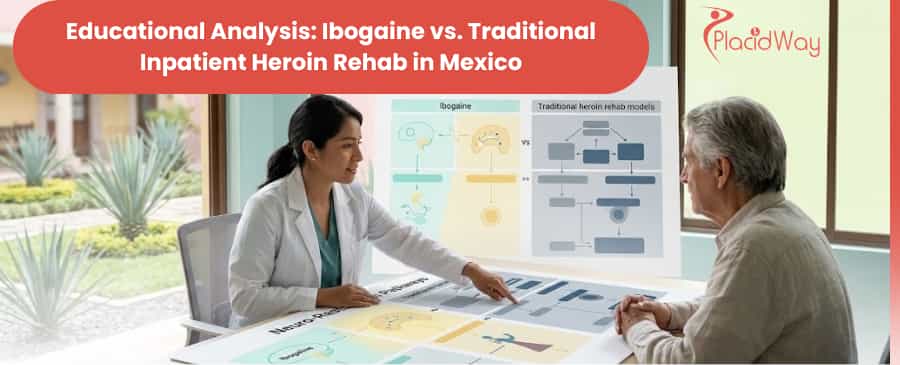
Seeking alternative addiction treatment in Mexico has become a primary choice for individuals struggling with opioid dependence. Ibogaine therapy in Mexico utilizes a naturally occurring psychoactive alkaloid derived from the West African Iboga shrub, which is known for its unique ability to interrupt withdrawal symptoms and reduce cravings significantly. This treatment is generally sought by those who have found little success with conventional methods and are looking for a rapid physiological "reset."
The process of ibogaine treatment in Mexico typically involves a deeply introspective experience that many patients describe as a psychological breakthrough. Because ibogaine is not a scheduled substance in Mexico, specialized clinics can provide this therapy in a controlled, medical environment. Most patients experience a significant reduction in the desire to use heroin almost immediately following the administration of a therapeutic "flood dose."
Exploring Traditional Inpatient Heroin Rehab in Mexico
While alternative therapies gain popularity, traditional inpatient heroin rehab in Mexico remains the gold standard for long-term behavioral recovery. These programs typically follow a multidisciplinary approach, combining medically supervised detoxification with evidence-based psychotherapies like Cognitive Behavioral Therapy (CBT) and Dialectical Behavior Therapy (DBT). These facilities provide a structured environment that focuses on the root causes of addiction through consistent counseling and peer support.
The traditional addiction recovery programs in Mexico often mirror the clinical excellence found in Western nations but at a more accessible price point. Patients typically reside in a secure facility for 30, 60, or 90 days, participating in a rigorous daily schedule designed to replace addictive behaviors with healthy coping mechanisms. This model is generally preferred for patients who require extensive psychiatric support and a slower, more deliberate transition into sobriety.
Key Differences Between Ibogaine and Traditional Rehab in Mexico
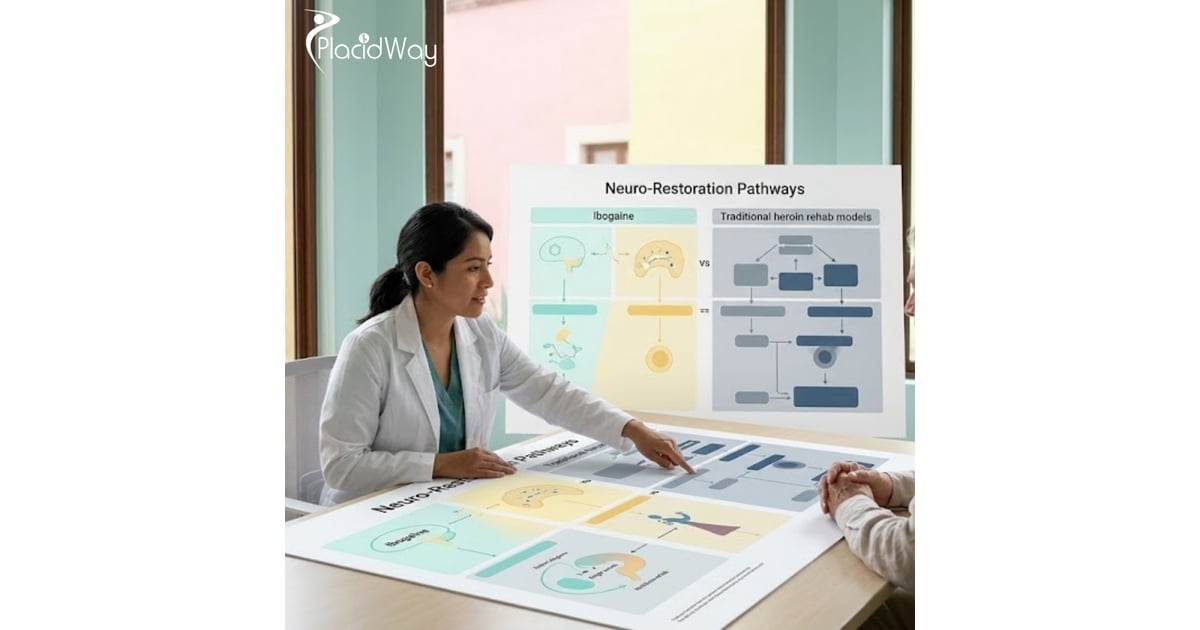
The primary distinction between ibogaine therapy in Mexico and traditional heroin rehab in Mexico lies in the duration and the mechanism of action. Ibogaine is often viewed as a "shortcut" to detox, aiming to bypass weeks of physical withdrawal in a matter of days. In contrast, traditional rehab views detox as only the first step of a much longer journey involving intensive behavioral modification and psychological restructuring.
Furthermore, the philosophical approach differs; ibogaine for heroin addiction focuses on neurochemical restoration and spiritual insight, whereas traditional rehab focuses on habit formation and community integration. Most patients choose based on their personal history—those who have failed multiple 12-step programs often gravitate toward ibogaine, while those seeking a comprehensive, slow-paced clinical recovery opt for traditional inpatient stays.
Comparing the Affordable Heroin Rehab and Ibogaine Therapy Cost in Mexico
One of the most compelling reasons for medical tourism in Mexico is the significant cost savings compared to the United States or Canada. The cost of addiction treatment in Mexico is typically 50% to 70% lower, without a compromise in the quality of care or medical expertise. These savings allow patients to access high-end, luxury facilities that would be financially out of reach in their home countries.
For affordable heroin rehab in Mexico, the pricing structures are usually all-inclusive, covering medical fees, therapy, room, and board. Ibogaine treatments are generally shorter and may seem cheaper upfront, but they require highly specialized medical monitoring. Traditional rehab costs are spread over a longer period, providing a different value proposition focused on long-term residency and intensive daily care.
| Procedure Name | Average Cost in Mexico | Cost in USA/Canada |
|---|---|---|
| Ibogaine Treatment (7-10 Days) | $5,000 - $9,000 | N/A (Limited Legality) |
| Traditional Inpatient Rehab (30 Days) | $6,000 - $15,000 | $25,000 - $50,000 |
| Medical Heroin Detox (7 Days) | $3,000 - $5,000 | $10,000 - $15,000 |
| Intensive Outpatient Program (IOP) | $2,500 - $4,000 | $8,000 - $12,000 |
The Scientific Basis of Ibogaine Treatment in Mexico
The science behind ibogaine therapy centers on its active metabolite, noribogaine. Noribogaine increases serotonin levels and blocks nicotinic acetylcholine receptors, which are heavily involved in the addiction cycle. In Ibogaine clinics in Mexico, this chemical reaction is utilized to effectively "re-wire" the brain’s reward system, potentially erasing the Pavlovian triggers that usually lead to heroin relapse.
Research suggests that ibogaine also stimulates the production of Glial Cell Line-Derived Neurotrophic Factor (GDNF), which promotes the survival and growth of dopaminergic neurons. This biological shift is what allows most patients to emerge from the experience without the crushing physical withdrawals typical of heroin cessation. However, it is essential to understand that while the brain is reset, the patient still requires psychological tools to navigate life sober.
Case Study: Mark's Experience with Ibogaine
After ten years of heroin use and five failed traditional rehab attempts, Mark traveled to Mexico for ibogaine therapy. He experienced a 36-hour introspective journey and reported a 90% reduction in cravings. While he still attends weekly therapy at home, he credits the Mexican clinic with giving him the physical "clean slate" he couldn't achieve elsewhere.
The Structure of Traditional Inpatient Programs in Mexico
A traditional heroin rehab program in Mexico is built on a foundation of stability and routine. Upon admission, patients undergo a thorough medical and psychological assessment to tailor their treatment plan. The first week focuses on a medically managed detox to ensure safety, followed by three to four weeks of intensive group and individual therapy sessions designed to address underlying trauma.
These inpatient addiction programs in Mexico often take place in serene, resort-like settings that promote healing and reflection. The structure includes daily workshops, nutritional guidance, and physical activities. This holistic environment helps patients rebuild their physical health while simultaneously working through the complex emotional baggage that often fuels heroin addiction.
Safety Protocols and Medical Supervision for Addiction Treatment in Mexico
Safety is the most critical factor when considering addiction treatment in Mexico, particularly for ibogaine. High-quality ibogaine clinics in Mexico employ full-time medical staff, including cardiologists and ACLS-certified nurses. Because ibogaine can affect heart rhythm, reputable facilities require extensive pre-screening, including EKGs, blood panels, and liver function tests before any treatment begins.
In traditional rehab settings, safety protocols focus on managing the physical dangers of heroin withdrawal, such as dehydration and respiratory distress. Medical supervision for heroin rehab in Mexico ensures that patients are monitored 24/7 during the acute detox phase. Choosing a facility that prioritizes these medical standards is essential for a safe and successful recovery journey.
Patient Eligibility for Alternative vs. Conventional Rehab in Mexico
Not everyone is a candidate for ibogaine therapy in Mexico. Individuals with certain heart conditions, severe psychiatric disorders like schizophrenia, or compromised liver function are typically excluded for safety reasons. A rigorous screening process is the hallmark of a responsible clinic, ensuring that the patient's body can handle the physiological intensity of the ibogaine experience.
In contrast, traditional heroin rehab in Mexico is generally accessible to a wider range of patients. Since the focus is on gradual withdrawal and behavioral therapy, those with underlying health issues can often be accommodated through customized medical management. However, patients must be mentally prepared for a long-term commitment to the program’s rules and community standards to see lasting results.
Long-Term Success Rates of Heroin Addiction Recovery in Mexico
Measuring the success rates of heroin rehab in Mexico can be complex, as addiction is a chronic relapsing condition. However, data from high-end clinics suggests that combining rapid detox (like ibogaine) with long-term behavioral follow-up leads to the highest success rates. Most patients experience a significant improvement in quality of life and a reduction in drug use for at least six months post-treatment.
Traditional programs emphasize that "success" is defined by the patient's ability to reintegrate into society and maintain sobriety over years, not just months. Heroin addiction recovery in Mexico provides a strong foundation, but the long-term outcome heavily depends on the patient's dedication to aftercare and their environment upon returning home. Statistics typically show that patients who complete a full 90-day traditional program have lower relapse rates than those who only complete a 30-day stint.
Navigating Medical Tourism for Heroin Rehab in Mexico
Choosing medical tourism in Mexico for addiction treatment requires careful logistical planning. Most patients fly into major hubs like Tijuana, Cancun, or Mexico City, where clinics often provide transportation from the airport. The proximity of these clinics to the US border or international airports makes the transition relatively seamless for North American and European travelers.
When traveling for heroin rehab in Mexico, it is important to understand the legal and cultural landscape. While the clinics operate within a legal framework, patients should follow all local laws and clinic guidelines to ensure a safe experience. Engaging with a medical tourism platform can help simplify the process of verifying clinic credentials and arranging the necessary paperwork for an extended stay.
Case Study: Sarah's Journey
Sarah, from Canada, chose a traditional 60-day rehab in Riviera Maya. The peaceful beach setting was instrumental in her recovery from a five-year heroin addiction. She appreciated the focus on "dual diagnosis," which treated both her addiction and her underlying clinical depression simultaneously.
Choosing the Right Heroin Rehab Clinic in Mexico
Selecting from the many heroin rehab clinics in Mexico requires diligent research. Potential patients should look for facilities that offer a high staff-to-patient ratio, transparent medical protocols, and clear communication regarding their treatment methods. It is advisable to request a virtual tour or a direct consultation with the medical director to ensure the clinic’s philosophy aligns with your recovery goals.
For those interested in ibogaine therapy in Mexico, specifically, verify that the clinic has advanced cardiac monitoring equipment and a partnership with a nearby full-service hospital for emergencies. Reading independent reviews and asking for anonymous success stories can also provide insight into the day-to-day experience and the level of care you can expect during your stay.
Post-Treatment Support and Aftercare for Recovery in Mexico
The journey does not end when you leave the clinic; aftercare for addiction in Mexico is a vital component of the recovery process. Most reputable centers provide a comprehensive discharge plan that includes connections to local therapists, support groups, and sometimes remote coaching. These sessions help bridge the gap between the protected environment of the clinic and the challenges of daily life.
For ibogaine patients in Mexico, the "integration" phase is particularly important. The weeks following an ibogaine dose are characterized by high neuroplasticity, making it an ideal time to implement new habits and thought patterns. Traditional rehabs often foster a "alumni network" that allows former patients to stay connected and support one another, which is a powerful tool against the isolation that often leads to relapse.
Case Study: David's Aftercare Success
David completed a 30-day program in Mexico and transitioned to an Intensive Outpatient Program (IOP) back in the US. The clinic in Mexico coordinated his medical records and treatment plan with his hometown therapist, ensuring a seamless handoff that has kept him sober for two years.
Legal and Ethical Framework for Addiction Therapy in Mexico
The legal status of addiction treatment in Mexico provides a unique opportunity for therapies that are restricted elsewhere. However, this freedom also places the onus on the consumer to verify ethical standards. Ethical ibogaine clinics in Mexico will never guarantee a "cure" and will always prioritize patient safety over financial gain. They should provide a clear informed consent document detailing all potential risks.
Traditional facilities in Mexico are regulated by COFEPRIS (the Mexican equivalent of the FDA), ensuring they meet specific health and safety codes. When researching medical tourism for addiction in Mexico, understanding these regulatory bodies can give patients peace of mind that they are entering a legitimate medical facility rather than an unregulated "gray market" operation.
How PlacidWay Assists Your Heroin Rehab Medical Tourism Journey in Mexico?
Navigating the options for heroin addiction treatment in Mexico can be overwhelming, especially during a crisis. PlacidWay serves as a dedicated resource to help patients and their families find the most suitable medical care tailored to their specific needs and budget. By providing a platform for comparison and connection, the process of finding life-saving treatment becomes more manageable and transparent.
PlacidWay focuses on empowering patients through information and accessibility, ensuring that international medical travel is a viable option for those seeking a fresh start. Here is how PlacidWay supports your journey:
- Providing a comprehensive directory of vetted addiction treatment centers in Mexico.
- Facilitating direct communication between patients and clinical medical directors.
- Offering detailed information on both ibogaine therapy and traditional rehab programs.
- Helping patients compare treatment costs in Mexico across various high-quality facilities.
- Supplying educational resources regarding safety standards and medical accreditations.
- Assisting with the initial inquiry and appointment scheduling process.
- Ensuring access to transparent patient reviews and testimonial data.
- Supporting the search for specialized "dual diagnosis" or "luxury rehab" options.
Case Study: Elena's Family Journey
Elena used PlacidWay to find a traditional rehab for her brother in Mexico. She was able to compare three different clinics, review their medical staff credentials, and speak with a coordinator who explained the difference between the medical detox and behavioral phases. Her brother is now six months sober.
Frequently Asked Questions
Yes, ibogaine is not a scheduled substance in Mexico, allowing specialized clinics to offer it under medical supervision for addiction treatment.
Most ibogaine programs in Mexico last between 7 to 10 days, including preparation, the flood dose, and integration sessions.
Rehabilitation in Mexico typically costs 50% to 70% less than equivalent high-end inpatient programs in the United States or Canada.
Most international patients from the US, Canada, and Europe enter Mexico on a standard 180-day tourist visa for medical treatment.
Many top-tier facilities in Mexico hold international accreditations and follow rigorous safety standards similar to those in the US.
The main risks involve cardiovascular stress and electrolyte imbalances, which is why strict medical screening and EKG monitoring are essential.
Some patients choose a hybrid approach, using ibogaine for rapid detox followed by a 30-day traditional inpatient stay for behavioral therapy.
Research the clinic's medical staff credentials, read patient testimonials, and verify their experience in treating heroin-specific addiction.
Most reputable Mexican clinics provide digital aftercare programs or coordinate with local therapists in your home country for continued support.
Success rates vary by individual commitment, but many high-end Mexican facilities report comparable or superior outcomes to US-based inpatient programs.
Ready to take the first step toward a heroin-free life?
Connect with the best addiction specialists in Mexico today.
Medical Disclaimer: This article is for informational purposes only and is not medical advice. Always consult a qualified healthcare provider before any medical decisions. Results may vary. Read Full Disclaimer here.
- Wikipedia. Ibogaine. https://en.wikipedia.org/wiki/Ibogaine
- National Center for Biotechnology Information. Ibogaine Treatment for Opioid Dependence. https://www.ncbi.nlm.nih.gov/pmc/articles/PMC4382526/
- World Health Organization. Management of substance abuse. https://www.who.int/publications/i/item/international-standards-for-the-treatment-of-drug-use-disorders
- Medical Tourism Association. Mexico Medical Tourism Guide. https://www.medicaltourism.com/destinations/mexico
- Psychology Today. Understanding Addiction Recovery Models. https://www.psychologytoday.com/us/basics/addiction




.png)
.png)
.png)








Share this listing