


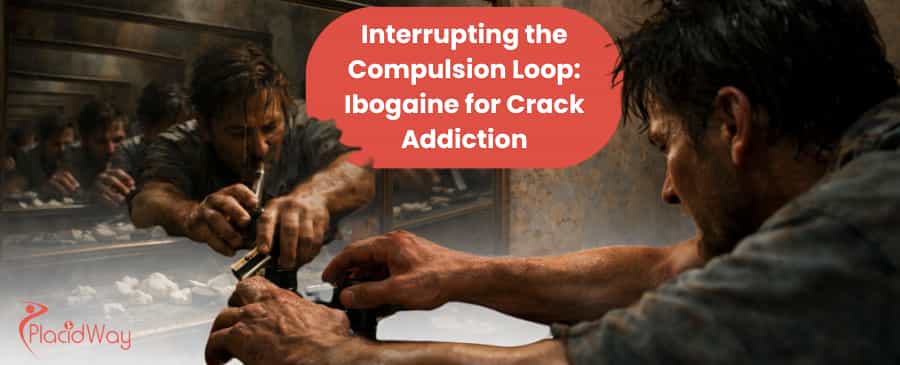
Crack cocaine addiction is characterized by a relentless compulsion loop that traps the brain in a cycle of intense highs followed by devastating lows. For many struggling with this dependency, traditional rehabilitation methods often fall short because they do not address the rapid neurochemical changes caused by the drug. Ibogaine for crack addiction in Mexico has emerged as a powerful alternative, offering a unique pharmacological approach to breaking the chains of dependency.
In recent years, Mexico has become the global epicenter for ibogaine therapy, providing a legal and medically supervised environment for those seeking help. The treatment utilizes a naturally occurring alkaloid found in the African Tabernanthe iboga shrub, which is known for its ability to reset brain chemistry. Patients traveling for medical tourism in Mexico find that these specialized centers offer a combination of clinical safety and holistic care that is difficult to find elsewhere.
Ibogaine is converted in the liver into noribogaine, which acts as a long-acting antidepressant and anti-craving agent that stays in the system for several weeks after treatment.
How Ibogaine Interrupts the Compulsion Loop Safely?
The compulsion loop of crack addiction is fueled by the depletion of dopamine and the overstimulation of the brain's reward centers. Ibogaine therapy for substance abuse works by targeting various neurotransmitter systems simultaneously, effectively "resetting" the brain to its pre-addicted state. This process typically minimizes or entirely eliminates the agonizing withdrawal symptoms that often lead to early relapse in conventional detox settings.
Safety is the paramount concern when administering such a potent substance, and Mexican clinics follow rigorous protocols to ensure patient wellbeing. By carefully managing the dosage and monitoring vital signs, medical professionals can navigate the intense 12-to-24-hour visionary phase that ibogaine induces. This interruption of the addiction cycle provides a critical window of opportunity for patients to begin their journey toward long-term sobriety without the immediate pressure of physical cravings.
Research suggests that ibogaine has a high affinity for the nicotinic acetylcholine receptors and the sigma-2 receptors, which play a major role in how the brain processes addictive stimuli.
Benefits of Seeking Ibogaine Therapy
Choosing ibogaine clinics in Mexico offers several distinct advantages, primarily the ability to receive treatment in a specialized medical facility. Unlike underground or unregulated settings, professional Mexican centers are staffed with experienced doctors, nurses, and ACLS-certified paramedics. This clinical infrastructure is vital for managing the physiological stress that ibogaine can place on the cardiovascular system during the treatment window.
Furthermore, the therapeutic environment in Mexico often incorporates holistic practices like nutritional therapy, yoga, and guided integration sessions. These comprehensive programs ensure that the patient is not just detoxing from a chemical, but is also healing emotionally and mentally. The combination of affordable ibogaine treatment and high-quality medical standards makes Mexico a top choice for international seekers of alternative addiction recovery.
Comprehensive Ibogaine for Crack Addiction Cost
When considering the ibogaine cost in Mexico, it is important to understand that the price reflects a comprehensive medical package. Most facilities provide an all-inclusive experience that covers the medical screening, the ibogaine protocol, 24/7 nursing care, and specialized post-treatment meals. Patients find that the cost of these high-intensity, short-term programs is often more manageable than multi-month stays in traditional private rehab centers in the US or Europe.
Market rates for treatment vary based on the level of luxury and the depth of medical supervision provided. Generally, a mid-range facility offers professional medical care in a comfortable setting, while high-end centers provide resort-like amenities alongside state-of-the-art medical equipment. Below is a comparison of typical costs for addiction-related treatments in Mexico versus traditional destinations like the United States.
| Procedure / Treatment Name | Average Cost in Mexico | Cost in USA / Canada |
|---|---|---|
| Standard 7-Day Ibogaine Protocol | $5,500 - $7,000 | Not Legally Available |
| Luxury 10-Day Detox & Integration | $8,500 - $12,000 | $30,000 - $50,000 (Traditional) |
| Advanced Cardiac-Monitored Ibogaine | $7,500 - $9,500 | Not Legally Available |
Approximately 80% of patients traveling to Mexico for ibogaine report a significant reduction in drug cravings within 48 hours of their treatment session.
Safety Standards and Protocols for Mexican Ibogaine Centers
Safety is the most critical element of ibogaine therapy for crack addiction. Reputable Mexican centers adhere to strict medical guidelines, which include comprehensive pre-treatment screening to identify potential risks. Because ibogaine can affect the heart's electrical rhythm, specifically the QT interval, every patient must undergo an electrocardiogram (EKG) and blood work before the treatment is administered.
During the procedure, patients are monitored by a team of healthcare professionals who track heart rate, blood pressure, and oxygen levels in real-time. This level of oversight is essential to manage the physical manifestations of the "ibogaine reset." Most clinics also have emergency protocols and equipment, such as defibrillators and oxygen tanks, on-site to address any rare complications that may arise during the process.
Never seek ibogaine treatment at a facility that does not require a prior EKG or have a licensed medical doctor on staff. Cardiac safety is the most significant risk factor in ibogaine administration.
The Medical Tourism Experience for Addiction Recovery
Engaging in medical tourism for addiction recovery in Mexico offers a fresh start away from the triggers of home. For many, the physical journey to a new environment serves as a symbolic first step toward a new life. Mexican recovery centers are often located in serene coastal or rural areas, providing a peaceful backdrop that facilitates introspection and healing during the vulnerable post-treatment days.
The experience is designed to be as stress-free as possible, allowing patients to focus entirely on their recovery. From the moment of arrival, patients are guided through a structured program that prioritizes their comfort and privacy. While the primary goal is the ibogaine session itself, the surrounding days are filled with supportive therapies and nutritious meals, ensuring the body is strong enough to sustain the neurochemical changes taking place.
Ensure you have a valid passport with at least six months of validity remaining. It is also wise to notify your bank of your travel to Mexico to avoid any issues with accessing funds for incidental expenses.
Pre-Treatment Screening for Ibogaine Therapy
The journey to successful ibogaine treatment begins long before the actual session with a thorough medical evaluation. This screening process is designed to ensure that the patient’s body can safely handle the physiological effects of the alkaloid. Key components include a detailed medical history, assessment of any co-occurring psychiatric conditions, and specific tests like liver function panels and electrolyte balances.
Clinics also focus on the patient's current drug use, as certain substances must be cleared from the system or transitioned to short-acting alternatives before ibogaine can be administered. This "bridge" period is crucial for preventing dangerous drug-to-drug interactions. By maintaining strict admission criteria, top-rated ibogaine centers in Mexico uphold the highest standards of patient safety and maximize the potential for a positive outcome.
What to Expect During the Ibogaine Treatment Process?
The ibogaine experience itself is often described as a "waking dream" state that lasts for several hours. Patients generally lie comfortably in a darkened room while the medication takes effect, during which they may experience vivid internal imagery and a review of past life events. This phase is not a recreational psychedelic trip but a profound therapeutic process that allows patients to view their addiction from an objective, detached perspective.
After the visionary phase, there is a period of "gray day" or deep reflection, where the brain begins to integrate the insights gained. During this time, physical coordination may be slightly impaired, and patients typically feel a sense of exhaustion. Medical staff remain present throughout, providing emotional support and ensuring that the patient remains hydrated and physically stable as the compulsion loop of crack addiction is systematically dismantled.
Case Summary: A Professional Reset
James, a 45-year-old executive from New York, struggled with a secret crack addiction for five years. After failing three traditional rehabs, he traveled to Mexico for ibogaine. He reported that the treatment "silenced the screaming in my brain" and allowed him to return to his career with a clear mind and no cravings.Addressing the Psychospiritual Aspects of Ibogaine Recovery
Beyond its neurochemical benefits, ibogaine is celebrated for its psychospiritual impact. For many users of crack cocaine, the addiction is rooted in deep-seated trauma or emotional pain that they have tried to anesthetize. Ibogaine for addiction recovery in Mexico provides a unique opportunity to face these underlying issues without the usual defensive mechanisms of the ego.
This psychological "deep dive" often leads to a renewed sense of purpose and self-forgiveness, which are essential components of lasting recovery. Many clinics employ specialized integration therapists who help patients translate their ibogaine visions into actionable changes in their daily lives. By addressing both the brain's hardware and the mind's software, ibogaine offers a holistic path out of the addiction cycle.
The Bwiti religion of West Africa has used the iboga root for centuries in rites of passage and healing ceremonies, long before it was discovered by Western medicine for addiction treatment.
Comparing Mexico to Other Ibogaine Destinations Globally
While ibogaine treatment is available in other countries like South Africa, Brazil, and parts of Europe, Mexico remains the most popular destination for North Americans. The proximity to the US and Canada reduces travel time and costs significantly, making it more accessible for those in urgent need. Additionally, the sheer volume of ibogaine centers in Mexico has led to a highly competitive market where clinics must maintain high standards to thrive.
Mexico's regulatory environment allows for a "medical model" of treatment that is often missing in other regions. In many other countries, ibogaine is either forced underground or exists in a legal gray area that lacks oversight. In contrast, the best centers in Mexico operate with transparency, employing licensed doctors and participating in international medical tourism networks to ensure accountability and patient trust.
Case Summary: Breaking the Generational Cycle
Elena, 28, traveled from Toronto to a clinic in Baja California. Growing up in a household plagued by substance abuse, she found her crack addiction was a way to cope with childhood trauma. The ibogaine session helped her process her past, and she has now been sober for two years, working as a counselor herself.Essential Aftercare for Maintaining Sobriety Post-Ibogaine
Ibogaine is often called a "catalyst" rather than a "cure." While it successfully interrupts the compulsion loop of addiction, the work of maintaining sobriety begins after leaving the clinic. Most reputable Mexican centers emphasize the importance of a 90-day aftercare plan, which may include local therapy, support groups like NA or SMART Recovery, and lifestyle changes like improved diet and exercise.
The period immediately following treatment is characterized by a "neuroplastic window" where the brain is highly adaptable. During this time, it is vital to establish new, healthy habits and avoid the old environments and "people, places, and things" associated with crack use. Effective aftercare ensures that the physiological reset provided by ibogaine therapy in Mexico translates into a permanent lifestyle transformation.
Before leaving Mexico, ask your clinical team for a written summary of your treatment and an integration guide. Having these resources can help your local therapist understand the depth of your ibogaine experience.
Legal Status and Regulation of Ibogaine in Mexico
In Mexico, ibogaine is not a scheduled or prohibited substance, which allows medical professionals to utilize it for therapeutic purposes. This legal clarity is one of the primary reasons why the country has seen a growth in high-quality ibogaine clinics. However, it is important to note that while the substance is legal, the quality of care can vary between facilities, making it essential to choose a center that prioritizes medical safety over marketing.
The Mexican government does not provide a specific "ibogaine license," but clinics must operate under general health regulations (COFEPRIS). This means they must meet sanitation, safety, and professional staffing requirements. Patients should look for centers that are open about their medical credentials and safety equipment, as this is the best indicator of a facility that respects the legal and ethical responsibilities of providing addiction care.
While ibogaine is unscheduled in Mexico, it is a Schedule I substance in the United States, meaning it is not currently recognized for medical use there despite promising research results.
Evaluating Risks and Contraindications for Ibogaine Treatment
While ibogaine is a powerful tool for interrupting addiction, it is not suitable for everyone. Certain medical conditions are strict contraindications for the treatment. Specifically, individuals with pre-existing heart conditions, severe liver disease, or a history of psychosis or schizophrenia are generally advised against ibogaine therapy due to the increased risk of adverse reactions. Professional screening is the only way to determine eligibility safely.
Most patients experience temporary side effects during the treatment, such as ataxia (loss of muscle coordination), nausea, and sensitivity to light and sound. These are typically managed through a supportive environment and medical intervention when necessary. By understanding the risks and adhering to professional medical advice, the vast majority of qualified candidates can undergo ibogaine for crack addiction in Mexico with a high degree of safety.
Case Summary: Overcoming Long-term Dependency
Mark, 52, had used crack cocaine for over 20 years. He was skeptical of ibogaine but felt he had no other options. The treatment in Mexico provided a "profound silence" he hadn't felt since his youth. Six months later, he remains sober and credits the medical team's vigilance for his safe and successful detox.Choosing the Best Ibogaine Treatment Center
Selecting the right facility is the most important decision in your recovery journey. When researching ibogaine treatment centers in Mexico, prioritize those that offer transparency regarding their medical staff and emergency equipment. Don't be afraid to ask detailed questions about their cardiac monitoring protocols, their experience with crack cocaine-specific addiction, and the ratio of staff to patients during the active treatment phase.
A reputable center will also provide a clear breakdown of costs and a detailed itinerary of the treatment week. They should offer a balanced approach that combines medical safety with psychological support. By doing thorough due diligence, you can find a facility that provides the expert care needed to successfully interrupt the compulsion loop of crack addiction and begin a new chapter of health and freedom.
Case Summary: A Second Chance for a Young Father
David, a 30-year-old father of two, was on the verge of losing his family. He chose a medically-focused ibogaine center in Cancun. The experience helped him see the "the theft of time" his addiction had caused. He returned home committed to his aftercare and has regained the trust of his spouse and children.How PlacidWay Assists Your Ibogaine Medical Tourism Journey?
- PlacidWay connects you with a curated network of reputable ibogaine clinics in Mexico that meet high safety and professional standards.
- We provide detailed information on treatment protocols and facility amenities to help you make an informed choice for your recovery.
- Our platform offers transparent pricing comparisons, ensuring you understand the ibogaine cost in Mexico across different centers.
- We facilitate direct communication between you and the medical providers for initial screenings and consultations.
- PlacidWay offers a wealth of educational resources on the ibogaine process, risks, and benefits specifically for international patients.
- We assist in streamlining the process of obtaining quotes and medical evaluations from specialized addiction centers.
- Our team provides guidance on the typical medical tourism journey, helping you prepare for your stay in Mexico.
The first person to discover ibogaine's anti-addictive properties was Howard Lotsof in 1962, who unintentionally cured his own heroin addiction after trying the substance for recreational purposes.
Frequently Asked Questions (FAQ)
No, it is not suitable for those with certain heart or liver conditions. Thorough medical screening is required to ensure eligibility.
The active visionary phase typically lasts between 12 and 24 hours. However, the period of deep reflection and integration continues for several days.
Most patients experience a significant reduction in withdrawal symptoms. Ibogaine works to reset the neurochemistry that causes these physical and mental cravings.
Clinics usually require a 3-to-5-day recovery and integration period post-session. This ensures you are physically stable and mentally prepared for the journey home.
Yes, ibogaine is used for various substance dependencies, including alcohol and opioids. Each protocol is slightly adjusted based on the specific substance involved.
Ibogaine is not considered addictive and does not produce a "high" that encourages repeated recreational use. Its intensity and visionary effects generally discourage casual consumption.
Most centers catering to international medical tourists have English-speaking medical and administrative staff. You should confirm this with the clinic before booking.
While clinics offer integration guides, patients are responsible for securing local therapy. Many clinics offer remote check-ins or video sessions for a limited time post-treatment.
Certain medications must be tapered off or stopped, but this must only be done under the guidance of the clinic's medical director. Never stop medications without consulting a doctor.
While long-term sobriety varies, the success rate for completing the detox phase without relapse is very high. Long-term success is heavily dependent on the quality of aftercare.
Ready to interrupt the cycle and reclaim your life?
Explore your options for ibogaine treatment in Mexico today with PlacidWay.
Medical Disclaimer: This article is for informational purposes only and is not medical advice. Always consult a qualified healthcare provider before any medical decisions. Results may vary. Read Full Disclaimer here.
References
- National Institute on Drug Abuse. Ibogaine. https://www.drugabuse.gov/
- Multidisciplinary Association for Psychedelic Studies (MAPS). Ibogaine Therapy. https://maps.org/research/ibogaine-therapy/
- National Center for Biotechnology Information. Ibogaine treatment for drug dependence. https://pubmed.ncbi.nlm.nih.gov/30016075/
- World Health Organization. Substance abuse and mental health. https://www.who.int/teams/mental-health-and-substance-use
- International Center for Ethnobotanical Education, Research, and Service (ICEERS). Ibogaine Safety. https://www.iceers.org/en/studies/setting-factors-and-ibogaine-safety/





.png)
.png)
.png)








Share this listing