



Post-Traumatic Stress Disorder (PTSD) remains one of the most challenging mental health conditions to treat using conventional pharmaceutical and therapeutic methods. In recent years, alternative PTSD treatments in Mexico have gained significant attention, particularly the use of ibogaine, a naturally occurring alkaloid derived from the West African Tabernanthe iboga plant. For many international patients, Mexico represents a unique destination where this specialized intervention is accessible within a professional medical framework.
The journey to find effective PTSD relief abroad often leads veterans, first responders, and trauma survivors to explore the clinical applications of ibogaine. While the substance remains highly regulated in many countries, Mexico's regulatory environment allows for specialized clinics to offer ibogaine under medical supervision. This provides a critical opportunity for patients to undergo treatment in a setting that prioritizes both safety and therapeutic depth, away from the triggers of their daily environment.
The ibogaine alkaloid was first isolated in 1901, but its potential for treating complex trauma and addiction wasn't widely recognized by Western researchers until the 1960s.
Understanding Ibogaine Therapy for PTSD in Mexico
The therapeutic mechanism of ibogaine is multifaceted, acting on various neurotransmitter systems simultaneously to facilitate what many describe as a "neural reset." Unlike traditional antidepressants that may take weeks to show effects, ibogaine therapy for trauma in Mexico is typically administered in a single, high-intensity session. This session is designed to disrupt the chronic fight-or-flight response associated with PTSD, allowing patients to process traumatic memories without the overwhelming emotional distress usually attached to them.
Clinically, ibogaine interacts with serotonin and dopamine transporters, but its most profound impact may be through the expression of Glial Cell Line-Derived Neurotrophic Factor (GDNF). This protein promotes the survival and differentiation of neurons, potentially fostering neuroplasticity for PTSD recovery. By physically and chemically altering the brain's response to trauma, ibogaine offers a biological bridge to psychological healing that is rarely seen in standard psychiatric care.
Ibogaine is known to induce a dream-like state called "oneirophrenia," where patients often revisit past experiences with the perspective of a detached observer.
Clinical Evidence for Ibogaine as a PTSD Intervention in Mexico
The clinical research on ibogaine for PTSD has seen a surge in interest as observational studies indicate high success rates in symptom reduction. Researchers have documented significant improvements in the Clinician-Administered PTSD Scale (CAPS) scores among patients who underwent ibogaine treatment in Mexican clinics. These studies typically highlight a rapid decrease in symptoms such as hypervigilance, night terrors, and emotional numbing, often persisting for months after a single dose.
Evidence suggests that the "breakthrough" nature of the ibogaine experience allows patients to bypass long-term cognitive barriers. In a medical tourism context, evidence-based ibogaine clinics in Mexico often collaborate with researchers to track patient outcomes through standardized psychological assessments. While larger double-blind clinical trials are still in progress, the current body of observational data provides a compelling case for ibogaine as a potent intervention for treatment-resistant PTSD.
A study involving special operations veterans showed an 80% reduction in PTSD symptoms one month after receiving ibogaine and magnesium therapy in a clinical setting.
Affordable Ibogaine Treatment Cost in Mexico
For many patients, the cost of ibogaine therapy in Mexico is a primary factor in their decision-making process. Compared to high-end residential trauma retreats in the United States or Europe, which can cost upwards of $20,000 for a month of care, Mexican facilities offer specialized medical care at a more accessible price point. The competitive pricing is largely due to lower operational costs and a streamlined regulatory process, without sacrificing the quality of medical supervision.
The total investment typically includes the medical screening, the ibogaine session itself, 24/7 nursing care, and integration counseling. When calculating the affordable ibogaine costs for international patients, it is important to look at the value of a comprehensive 7-to-10-day program. Below is a comparison table showcasing the general market ranges for these specialized services.
| Procedure/Service Name | Average Cost in Mexico | Cost Comparison (USA/UK) |
|---|---|---|
| Full Ibogaine PTSD Protocol (7-10 Days) | $5,500 - $8,500 | $15,000 - $25,000+ |
| Medical Screening (EKG, Labs, Physical) | Included in package | $1,500 - $3,000 |
| Post-Session Integration Therapy | Included in package | $200 - $400 per session |
Ibogaine Treatment Protocols for PTSD in Mexico
The standard ibogaine protocol for PTSD in Mexico involves several distinct phases to ensure patient safety and maximize therapeutic benefit. First, patients undergo an intensive stabilization period where they are introduced to the clinical staff and given time to acclimate to the environment. The actual dosing protocol is often "flood dosing," where a significant amount of ibogaine is administered based on the patient's weight and cardiac health, under constant EKG monitoring.
Following the primary session, there is a crucial "gray day" of physical recovery, where the patient is generally kept in a low-stimulus environment. Medical-grade ibogaine treatment in Mexico emphasizes the importance of the integration phase, which follows the session. During this time, clinicians work with patients to translate their visionary experiences into actionable lifestyle changes and coping mechanisms, ensuring the "reset" leads to long-term psychological stability.
Ensure your chosen facility uses pharmaceutical-grade ibogaine HCL rather than raw root bark to ensure precise dosing and reduced side effects.
Medical Tourism for Ibogaine Therapy in Mexico
Mexico has established itself as a global hub for medical tourism for ibogaine, attracting thousands of patients annually who seek treatments unavailable in their home countries. The infrastructure in cities like Tijuana, Cancun, and Rosarito is well-adapted to international visitors, offering modern medical facilities that meet or exceed international standards. This accessibility, combined with the presence of experienced ibogaine practitioners, makes Mexico a logical choice for those seeking this specific intervention.
The benefits of traveling to Mexico for PTSD treatment go beyond the legality and cost. Many patients find that the change in geography provides a necessary "pattern interrupt" that assists in the healing process. Being in a new, often serene environment helps to create a psychological distance from the stressors of home, allowing the patient to focus entirely on their recovery and the intensive work required during the ibogaine experience.
Case Summary: Veteran Recovery
A 42-year-old combat veteran with chronic PTSD and insomnia reported a "total silencing" of intrusive thoughts after a single ibogaine session in Mexico. He maintained these results at a 6-month follow-up.Safety and Contraindications for Ibogaine in Mexico
While the rewards can be significant, ibogaine is a powerful substance that carries inherent risks, particularly concerning the cardiovascular system. Safe ibogaine administration in Mexico relies heavily on rigorous pre-screening to exclude patients with underlying heart conditions, such as long QT syndrome or severe arrhythmia. Clinics generally require a clean EKG and blood panels (liver and kidney function) before any patient is cleared for a flood dose.
During the treatment, patients most patients experience a significant drop in heart rate and changes in blood pressure, which is why 24/7 medical monitoring is non-negotiable. Typically, clinics will have emergency equipment, including defibrillators and ACLS-certified staff, on-site. Individuals with a history of psychosis, severe liver disease, or those currently on certain medications (like SSRIs or antipsychotics) are generally contraindicated for this treatment due to the risk of serotonin syndrome or adverse metabolic reactions.
Never attempt ibogaine treatment without medical supervision. Heart rhythm monitoring is essential, as ibogaine can cause dangerous QT interval prolongation.
Psychological Benefits of Ibogaine for PTSD Patients
The psychological impact of ibogaine for PTSD is often described as "ten years of therapy in ten hours." Patients frequently report a profound sense of closure regarding past traumas, as the substance allows them to view their life events without the crushing weight of shame or fear. This cognitive reappraisal is a hallmark of the ibogaine experience, helping to break the repetitive loops of traumatic thinking that characterize PTSD.
Furthermore, ibogaine typically helps in reducing the comorbid symptoms of depression and anxiety that often accompany PTSD. By fostering a state of increased introspection, patients can identify the root causes of their maladaptive behaviors. This clarity provides a strong foundation for post-treatment therapy, making subsequent traditional counseling much more effective and productive than it was prior to the ibogaine intervention.
Many researchers believe that ibogaine's effectiveness in PTSD is due to its ability to temporarily suppress the amygdala—the brain's fear center—while stimulating the prefrontal cortex.
Legal Status and Regulation of Ibogaine in Mexico
In Mexico, ibogaine is not listed as a controlled substance, which places it in a legal "gray area" that allows for its use in specialized ibogaine medical centers in Mexico. This lack of prohibition has allowed the country to become a pioneer in the clinical application of the substance. However, it is important to note that while it is legal to administer, the industry is self-regulated, meaning the quality of care can vary between facilities.
Prospective patients should seek out reputable ibogaine clinics in Mexico that adhere to high medical standards and employ licensed doctors and nurses. The regulatory environment is slowly evolving, with more focus on establishing formal safety protocols. For now, the onus is on the medical tourist to conduct thorough research and choose facilities that prioritize medical transparency and rigorous safety data over marketing promises.
Mexico is currently the only country in North America where ibogaine can be legally administered in a residential clinical setting for PTSD.
Preparing for Ibogaine Treatment for PTSD in Mexico
Proper preparation is key to a successful ibogaine journey in Mexico. Patients are usually advised to begin a "clean" diet several weeks before arrival, avoiding processed foods and stimulants that could stress the heart or liver. It is also critical to taper off certain medications under the guidance of a physician, as many psychiatric drugs and even some herbal supplements can interact dangerously with ibogaine.
Mental preparation is equally important. Setting clear intentions for the treatment can help focus the experience toward specific traumatic events or behavioral patterns. Preparing for medical travel to Mexico involves not only the logistical aspects of passports and flights but also the psychological readiness to face deep-seated fears and emerge with a new perspective on one's life and trauma history.
Keep a journal in the weeks leading up to your treatment. Writing down your goals and fears can provide a roadmap for your ibogaine session.
Aftercare and Integration Following Ibogaine in Mexico
The "afterglow" period following an ibogaine session is a window of high neuroplasticity, lasting approximately 3 to 6 months. This is when post-ibogaine integration in Mexico becomes vital. While the clinic provides the initial support, the patient must have a solid plan for aftercare once they return home. This often includes regular sessions with a therapist who understands psychedelic-assisted recovery and lifestyle changes that support mental health.
Many clinics offer aftercare programs for PTSD patients that include remote coaching or check-ins. The goal of integration is to weave the insights gained during the ibogaine session into the fabric of everyday life. Without this follow-up care, the risk of falling back into old traumatic patterns is higher, as the physical "reset" provided by the alkaloid needs to be supported by conscious psychological and behavioral work.
Case Summary: First Responder Resilience
A firefighter suffering from secondary traumatic stress used ibogaine to "unpack" decades of tragic memories. Post-treatment, he reported a significant decrease in hypervigilance and a restored ability to connect with his family.Comparing Ibogaine with Traditional PTSD Treatments
When evaluating ibogaine versus traditional PTSD therapy, the primary difference lies in the speed and depth of the intervention. Conventional treatments like CBT (Cognitive Behavioral Therapy) or EMDR (Eye Movement Desensitization and Reprocessing) are highly effective but often require months or years of consistent work. Ibogaine, conversely, acts as a pharmacological catalyst that can achieve similar "unsticking" of traumatic memories in a very short timeframe.
However, it is not a "magic pill." While medications like SSRIs (Selective Serotonin Reuptake Inhibitors) aim to manage symptoms by altering brain chemistry over time, ibogaine for PTSD recovery focuses on addressing the root cause of the distress. It provides a biological opportunity for the brain to reorganize itself, though it requires more intensive medical supervision and a greater physical commitment than daily pharmaceutical use.
Case Summary: Sexual Assault Survivor
A woman who had struggled with PTSD for 15 years found that ibogaine allowed her to process her assault without the typical dissociative response. She described the experience as "reclaiming her body."Patient Experience and Testimonials for Ibogaine in Mexico
The patient experience of ibogaine in Mexico is often described as the most profound event of their lives. Many testimonials highlight the "panoramic" view of their own history, where they can see the intergenerational roots of their trauma. This experience is frequently accompanied by a physical sensation of lightness or "cleanness" as the body detoxifies and the nervous system settles out of a chronic state of alarm.
While most patients experience positive outcomes, it is essential to acknowledge that the process is physically and emotionally demanding. Testimonials often mention the "gray day" of exhaustion and the vulnerability felt during the recovery phase. These real-world accounts emphasize the necessity of a supportive, professional environment where the patient feels safe enough to go through such a radical transformative process.
Case Summary: Complex PTSD Success
A patient with C-PTSD from childhood neglect reported that ibogaine helped her develop self-compassion for the first time in her life, leading to a permanent reduction in self-harming urges.How PlacidWay Assists Your Ibogaine Medical Tourism Journey in Mexico?
Navigating the landscape of international ibogaine treatment can be overwhelming, but you do not have to do it alone. PlacidWay serves as a comprehensive resource to connect patients with high-quality medical options across the globe. By providing transparent information and a bridge to professional care, we help ensure your journey toward healing is well-supported and informed.
- Providing access to a curated network of reputable ibogaine clinics in Mexico that meet rigorous safety standards.
- Facilitating direct communication between patients and clinical specialists for detailed pre-travel consultations.
- Offering comprehensive guides on what to expect during the medical tourism process for PTSD.
- Helping patients compare different treatment protocols and package inclusions to find the best fit for their needs.
- Assisting with the collection of medical records and EKG results to streamline the pre-screening process.
- Sharing verified patient reviews and case studies to provide realistic expectations of the treatment journey.
- Providing a centralized platform to manage all inquiries and documentation for your PTSD intervention in Mexico.
Ibogaine is currently being studied by major universities for its ability to treat not just PTSD and addiction, but also Parkinson’s disease due to its neuroprotective properties.
No, it is not. Individuals with heart arrhythmias, liver disease, or certain psychiatric conditions like schizophrenia are typically excluded from treatment to ensure safety.
Most comprehensive 7-to-10-day treatment programs in Mexico range between $5,000 and $8,500, which includes medical supervision and integration.
The acute recovery takes about 3 to 4 days, but the full psychological integration process can last several months.
While many do, it is often recommended to have a support person or use a clinic that provides comprehensive 24/7 care and transport assistance.
Observational studies suggest a high rate of symptom reduction, but individual results vary and it is not a guaranteed cure.
Certain medications, especially SSRIs and heart medications, must be tapered off weeks in advance under medical supervision.
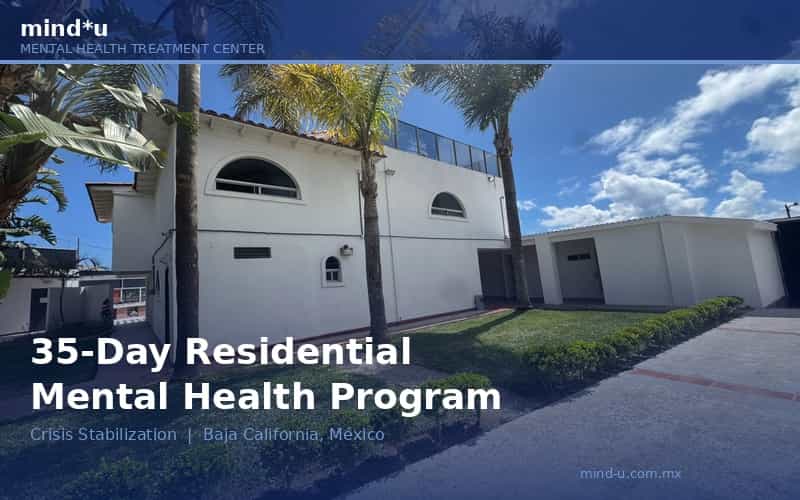
Most treatments occur in specialized residential clinics that are equipped with medical monitoring technology and staffed by healthcare professionals.
If you have a significant heart issue, you will likely be disqualified from treatment due to the stress ibogaine puts on the cardiac system.
Yes, many patients report a significant reduction in generalized anxiety and panic attacks alongside their PTSD symptom improvement.
The "neural reset" is long-lasting, but maintaining results typically requires ongoing therapy and lifestyle changes to avoid re-traumatization.
Find the right path for your recovery!
Connect with top-tier ibogaine clinics in Mexico through PlacidWay today.
References:
- Multidisciplinary Association for Psychedelic Studies (MAPS). Ibogaine Therapy for Drug Addiction and PTSD. https://maps.org/research/ibogaine-therapy
- National Institutes of Health (NIH). The Therapeutic Potential of Ibogaine. https://pubmed.ncbi.nlm.nih.gov/29026417/
- Wikipedia. Ibogaine. https://en.wikipedia.org/wiki/Ibogaine
- International Center for Ethnobotanical Education, Research, and Service (ICEERS). Ibogaine Safety and Research. https://www.iceers.org/en/studies/setting-factors-and-ibogaine-safety/
- Journal of Psychoactive Drugs. Treatment of Pain and PTSD with Ibogaine. https://www.tandfonline.com/toc/ujpd20/current






.png)
.png)
.png)








Share this listing