
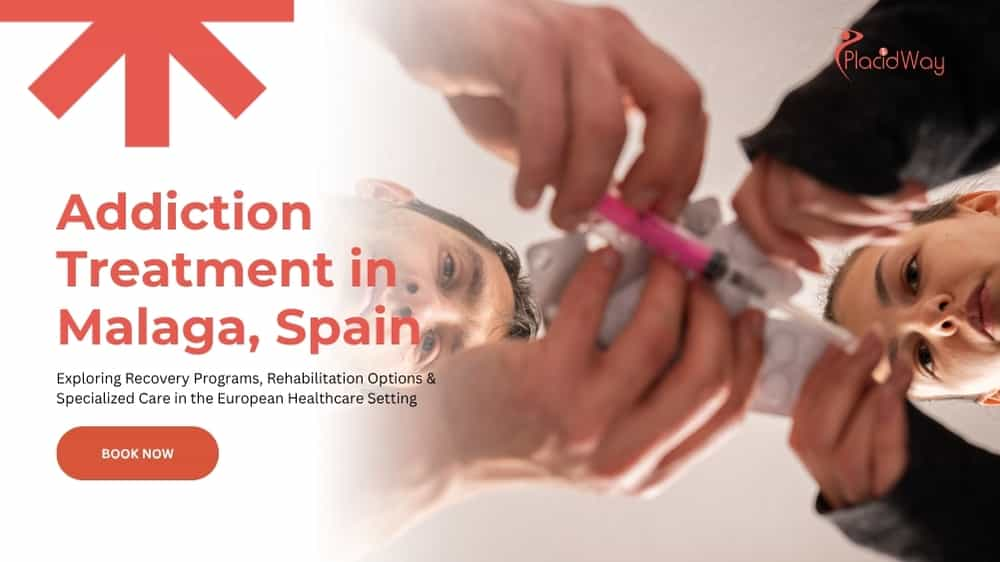
If you are silently struggling with substance abuse or behavioral dependency, seeking addiction treatment in Malaga, Spain offers a highly private, healing environment away from everyday triggers. This guide helps you navigate evidence-based rehabilitation options, average monthly costs ranging from $5,000 to $15,000, and the specific Ministry of Health (Ministerio de Sanidad) certificates you must verify before choosing a clinic. Taking this brave step abroad allows you to focus entirely on your recovery while benefiting from experienced dual-diagnosis specialists and comprehensive European aftercare programs.
Quick Summary
- Estimated Cost: Treatment generally ranges from $5,000 to $15,000 USD per month, depending on luxury amenities, medical detox needs, and therapeutic intensity.
- Ideal Candidate: Individuals seeking a private, trigger-free environment who are medically stable enough to travel and committed to structured residential recovery.
- Recovery Time: Inpatient programs typically last 28, 60, or 90 days, followed by long-term remote or local outpatient aftercare.
- Safety Overview: Spain maintains strict European medical standards; serious complications are rare when treatment is supervised by board-certified psychiatrists.
- Why Choose Malaga: Patients prefer the region for its year-round sunshine, discreet luxury facilities, cost-effectiveness compared to the US or UK, and access to internationally trained, English-speaking specialists.
- Crucial Certifications: Always look for licensing from the Junta de Andalucía (regional health authority) and verify doctors are registered with the Colegio Oficial de Médicos de Málaga.
Introduction to Recovery and Rehabilitation in Southern Spain
Making the decision to seek professional help for substance use or behavioral addiction is life-changing, and choosing the right environment plays a crucial role in early recovery. Many international patients look beyond their home borders for treatment because familiar environments often contain deeply ingrained stressors and social triggers. Southern Spain provides a geographic and psychological reset, allowing you to disconnect from daily pressures and engage entirely in the therapeutic process.
When you travel for rehab, the physical distance creates a necessary boundary between you and the habits you are trying to break. The coastal climate of the Costa del Sol is not merely pleasant; emerging research highlights the positive impact of sunlight, nature exposure, and mild climates on mood regulation during early sobriety, particularly for patients managing dual diagnoses like depression alongside addiction.
Why International Patients Travel to Malaga
- Enhanced Privacy and Discretion: Traveling abroad shields patients from local stigma and maintains strict professional confidentiality.
- Holistic Healing Environment: The Mediterranean setting naturally integrates outdoor therapies, mindfulness, and physical wellness into clinical care.
- Specialized Dual Diagnosis Care: Clinics here frequently employ multidisciplinary teams equipped to handle complex co-occurring mental health disorders.
- Cost-to-Value Ratio: European clinical standards are matched with luxury residential amenities at a lower price point than equivalent centers in the US or Northern Europe.
- Language Accessibility: A large expatriate community means top-tier clinics operate seamlessly in English, German, and Arabic.
Patient Demographics and Travel Trends for Spanish Rehab
Spain has solidified its position as a leading destination for specialized behavioral healthcare. According to recent 2024 healthcare travel surveys, the demographic profile of patients seeking addiction care in this region is diverse, yet distinct patterns emerge regarding origin countries and primary treatment motivations. The majority of international admissions come from Northern Europe and the United Kingdom, driven largely by long waiting lists in public health systems and the high cost of private residential care at home.
Patients typically range between 30 and 55 years of age, often consisting of established professionals, expatriates, and business executives who require utmost confidentiality. Burnout, alcohol dependency, and prescription medication misuse represent the primary clinical drivers for this demographic. Understanding these patterns helps contextualize why local clinics have tailored their programs to emphasize executive care, robust privacy protocols, and immediate admission availability.
Origin of International Patients Seeking Private Rehab in Spain (2024 Data)
Data reflects reported cross-border patient volumes accessing private psychiatric and addiction facilities in Andalusia (2024).
Understanding the Types of Substance and Behavioral Dependencies Treated
Addiction is a complex brain disease that requires highly individualized medical and psychological intervention. Clinics in this region are equipped to handle a broad spectrum of dependencies. Alcohol use disorder remains the most frequently treated condition among international patients. The pervasive social acceptance of alcohol often masks the severity of the dependency until significant health or relationship consequences arise.
In addition to alcohol, specialized protocols exist for prescription drug dependency—particularly opioids and benzodiazepines—as well as illicit substances like cocaine and cannabis. Modern facilities also recognize the rising prevalence of behavioral addictions. Pathological gambling, gaming, and technology addictions activate the same neural reward pathways as chemical substances, requiring similar intensive cognitive-behavioral interventions to achieve lasting remission.
| Category | Specific Dependencies Treated | Common Therapeutic Approach |
|---|---|---|
| Chemical (Depressants) | Alcohol, Benzodiazepines, Barbiturates | Medically supervised tapering, cognitive behavioral therapy (CBT). |
| Chemical (Stimulants) | Cocaine, Amphetamines, MDMA | Dopamine regulation therapies, trauma-informed care, EMDR. |
| Prescription Painkillers | Oxycodone, Fentanyl, Codeine | Medication-assisted treatment (MAT), prolonged withdrawal management. |
| Behavioral Addictions | Gambling, Gaming, Sex, Internet | Schema therapy, impulse control training, family systems therapy. |
The Step-by-Step Rehabilitation Process in Southern Spain
Entering rehab can feel daunting when you do not know what lies ahead. The rehabilitation process is generally broken down into distinct, structured phases designed to stabilize you medically, uncover the root causes of the addiction, and build resilient coping mechanisms. The journey begins with a comprehensive psychiatric and physical assessment. Your doctor will evaluate your substance history, co-occurring mental health conditions, and overall physical health to create a personalized treatment plan.
Following the assessment, patients who are physically dependent on a substance enter the detoxification phase. Once your body is stabilized, the core rehabilitation phase begins. This involves a rigorous schedule of individual psychotherapy, group counseling, psychoeducation, and holistic activities. You will learn to identify triggers, process unresolved trauma, and reconstruct healthy daily routines.
Phase 1: Assessment & Detox
Medical professionals conduct blood panels, psychological evaluations, and create a safe tapering protocol. 24/7 nursing care ensures withdrawal symptoms are managed safely with appropriate medications.
Phase 2: Intensive Therapy
The core of residential care involves daily therapy sessions (CBT, DBT, EMDR) aimed at addressing the psychological dependence, trauma, and emotional dysregulation driving the addiction.
Phase 3: Relapse Prevention
Patients learn practical coping skills, mindfulness techniques, and boundary-setting. Therapy shifts toward preparing the individual for the realities of returning home.
Phase 4: Aftercare Planning
A structured transition plan is created, including remote counseling, local support group integration, and regular virtual check-ins with the Spanish clinical team.
Clinical Retention and Recovery Trends in Residential Care
Success in addiction treatment is rarely a straight line; it is a continuous process of management and growth. Recent 2024-2025 clinical registries monitoring European residential rehab centers emphasize that treatment duration is directly correlated with sustained recovery. Patients who remain in structured care for 60 to 90 days demonstrate significantly higher retention rates in early sobriety compared to those who only complete a short-term 28-day program.
The critical window for relapse typically occurs within the first 90 days post-discharge. The data underscores the importance of a robust aftercare program. Clinics that mandate transitional care—such as virtual therapy and alumni network involvement—show better long-term clinical outcomes. Your doctor will likely recommend committing to the longest residential duration your schedule and resources allow to ensure neuroplastic healing can properly begin.
Post-Discharge Abstinence Rates Based on Treatment Duration (2024 Clinical Data)
Verified 2024 retention curve data illustrating continuous abstinence rates based on residential stay duration.
Cost of Addiction Treatment in Malaga Compared to Your Home Country
Financial transparency is critical when planning for medical travel. The cost of inpatient rehabilitation in this region varies significantly based on the level of luxury, clinical intensity, and the necessity of medical detoxification. In general, patients can expect to pay between $5,000 and $15,000 USD for a standard 28-day residential program. Ultra-luxury facilities tailored for executives, featuring private suites and 1-on-1 therapeutic ratios, can exceed $20,000 per month.
When comparing these figures to the United States or the United Kingdom, the financial advantages become clear. A private, mid-tier rehab in the US routinely costs upwards of $30,000 per month, often with hidden fees for psychiatric consultations and specialized therapies. Spanish clinics generally offer transparent, all-inclusive packages. However, you must carefully review the written quote to ensure medical detox, psychiatric evaluations, and aftercare planning are included in the base price.
| Treatment Type / Inclusions | Estimated Cost (US) | Estimated Cost (UK) | Estimated Cost (Spain) |
|---|---|---|---|
| 28-Day Standard Inpatient Room, meals, group therapy |
$15,000 - $35,000 | $10,000 - $18,000 | $5,000 - $9,000 |
| 28-Day Executive / Luxury Private suite, 1-on-1 therapy, holistic care |
$40,000 - $80,000+ | $20,000 - $40,000 | $10,000 - $25,000 |
| Medical Detoxification (7-10 Days) 24/7 nursing, MAT protocol, physician fees |
$5,000 - $10,000 | $3,000 - $6,000 | $2,000 - $4,500 |
| Outpatient Intensive (1 Month) Day programs, weekly therapy |
$3,000 - $8,000 | $2,000 - $5,000 | $1,500 - $3,000 |
Choosing Accredited Clinics and Rehabilitation Centers in Spain
Safety and clinical efficacy must be your top priorities when selecting a rehabilitation center abroad. Spain boasts a highly regulated healthcare system, but distinguishing between a luxury wellness retreat and a licensed medical facility is vital. A reputable addiction treatment center must be officially licensed as a healthcare provider, not just a hospitality venue. You must look for local governmental accreditations that validate the facility's adherence to European safety and staffing standards.
At a minimum, the clinic must hold a current operating license from the local health authority, the Junta de Andalucía. This ensures the facility meets strict health and safety codes, maintains proper medical equipment for emergencies, and employs certified medical staff. While international accreditations like the Joint Commission International (JCI) are excellent indicators of quality, they are not mandatory for a clinic to provide safe, effective care under strict Spanish national regulations.
Provider Vetting Checklist
- Verify the clinic's registration number with the Spanish Ministry of Health (Ministerio de Sanidad).
- Confirm they possess an official health authorization from the Junta de Andalucía.
- Ensure they offer 24/7 on-site medical staff, not just on-call doctors.
- Ask about their emergency protocol and proximity to a major acute-care hospital.
- Request the staff-to-patient ratio (ideal is 1:3 or lower for intensive care).
- Review their structured aftercare policy and remote support capabilities.
How to Verify Your Addiction Specialist and Psychiatric Credentials
The success of your recovery is heavily dependent on the expertise of your treating medical team. Addiction psychiatry is a specialized field. The lead doctor overseeing your detoxification and therapy should not be a general practitioner; they must be a board-certified psychiatrist or a specialized addiction medicine physician (adicciones). Verifying their credentials provides peace of mind that you are receiving evidence-based care tailored to your neurobiology.
In Spain, every practicing doctor must be registered with the national medical council. For clinics in this specific region, you can request the doctor’s registration number and verify it through the Colegio Oficial de Médicos de Málaga. Additionally, many top specialists hold memberships in professional societies such as the Spanish Society of Dual Pathology (SEPD) or international bodies like the European Psychiatric Association (EPA), demonstrating their commitment to continuing medical education.
Inpatient vs. Outpatient Care for Addiction Recovery
Understanding the difference between inpatient and outpatient care helps you align the treatment level with the severity of your condition. Inpatient, or residential treatment, requires you to live at the facility 24/7. This highly structured environment is typically recommended for individuals with severe dependencies, those requiring medical detox, or patients who have relapsed multiple times. It removes all access to substances and provides a safe haven to navigate the most vulnerable early days of sobriety.
Outpatient care, conversely, allows you to live independently or in a sober living home while attending therapy sessions during the day. While some international patients travel for intensive outpatient programs (IOP), it requires a high degree of self-motivation and a stable living environment in the destination country. For most medical tourists, an inpatient program is the safest and most effective starting point, often transitioning into remote outpatient care once they return home.
| Feature | Inpatient (Residential) | Outpatient (IOP) |
|---|---|---|
| Supervision | 24/7 medical and psychological support. | Part-time support; patient manages evenings. |
| Environment | Completely controlled, trigger-free setting. | Real-world exposure; requires strong discipline. |
| Best Suited For | Severe addiction, dual diagnosis, high relapse risk. | Mild addiction, step-down care post-rehab. |
| Cost Impact | Higher cost due to room, board, and continuous care. | Lower cost, flexible scheduling. |
What to Expect During Medical Detoxification
For many substances, particularly alcohol, benzodiazepines, and opioids, suddenly stopping usage can trigger severe, potentially life-threatening withdrawal symptoms. Medical detoxification is the clinical process of safely managing these acute physical symptoms as the substance leaves your body. This phase is not a complete treatment for addiction; it is merely the vital first step that physically prepares you for psychological rehabilitation.
During detox, you will be monitored around the clock by nursing staff. Your psychiatrist may prescribe medications to alleviate anxiety, prevent seizures, manage pain, and reduce cravings. Depending on your substance history and physiological condition, detox typically lasts between five and ten days. Only after you are medically cleared and stabilized will your intensive therapeutic schedule commence.
Typical 7-Day Detox Timeline
- Days 1-2 (Acute Onset): Symptoms begin (anxiety, sweating, nausea). Constant medical monitoring and administration of comfort medications.
- Days 3-4 (Peak Withdrawal): Symptoms often peak in intensity. Focus remains on hydration, rest, and preventing medical complications.
- Days 5-6 (Subsides): Physical symptoms begin to fade. Energy levels slowly return. Nutritional stabilization continues.
- Day 7 (Transition): Medical clearance is granted. The patient transitions into the daily routine of the residential therapy program.
Integrating Holistic and Psychological Therapies in Rehab
Modern addiction treatment moves beyond merely addressing the physical symptoms; it targets the whole person. The most effective clinics utilize a multidisciplinary approach, combining traditional psychotherapy with holistic modalities. Cognitive Behavioral Therapy (CBT) and Dialectical Behavior Therapy (DBT) form the backbone of psychological care, helping you rewire negative thought patterns and manage emotional distress without resorting to substance use.
Complementing these clinical therapies, clinics in Southern Spain heavily leverage their environment to offer holistic healing. This often includes yoga, guided mindfulness meditation, equine therapy, and nutritional counseling. These holistic practices are not just luxury add-ons; they actively assist in downregulating the nervous system, reducing baseline anxiety, and repairing the physical damage caused by prolonged substance abuse. Your doctor may recommend specific holistic activities based on your individual trauma history and physical capabilities.
Post-Rehab Aftercare and Continuous Remote Support
Completing a residential program is a monumental achievement, but it represents the beginning of lifelong recovery, not the end. The transition back to your home country can be shocking. Triggers that were absent in Spain will suddenly reappear. This is why a comprehensive, structured aftercare plan is non-negotiable for international patients. Reputable clinics will begin drafting your discharge plan weeks before you leave the facility.
Aftercare typically involves scheduled telehealth therapy sessions with your Spanish clinical team to maintain continuity of care. Additionally, the clinic should assist in connecting you with local support groups (like AA, NA, or SMART Recovery) in your home city. Some luxury facilities offer alumni retreats or continuous family therapy sessions online to ensure your support network is educated and equipped to aid your long-term sobriety.
Travel Planning, Privacy, and Visa Considerations for Spain
Organizing travel for medical rehabilitation requires careful coordination, especially when dealing with the physical and emotional toll of addiction. Many premium clinics offer a "bed-to-bed" service. This means a discreet recovery coach or medical coordinator can meet you at your local airport, fly with you to Malaga (AGP), and escort you directly to the facility. This eliminates the risk of relapse during transit and drastically reduces travel anxiety.
From a logistical standpoint, citizens of the US, UK, and most EU nations do not require a visa for stays up to 90 days in Spain, which perfectly accommodates a standard 28-day or 60-day residential program. If your doctor recommends a longer stay (e.g., 6 months in a sober living facility), the clinic's admissions team can typically assist with medical visa extensions. Always ensure your passport is valid for at least six months beyond your planned return date.
Frequently Asked Questions About Recovery in Malaga
Is my addiction treatment in Spain completely confidential?
Yes. Spanish healthcare providers are bound by strict European Union GDPR privacy laws. Reputable clinics will not disclose your presence, medical records, or treatment status to employers, media, or unauthorized family members without your explicit written consent.
Can I keep my phone and laptop during rehab?
This varies by clinic and your specific treatment plan. Many facilities restrict electronic devices during the initial detox and first few weeks of therapy to prevent distraction and contact with toxic influences. Executive rehabs may allow monitored device access for work purposes, but it is heavily regulated.
What happens if I experience a severe medical emergency during detox?
Licensed clinics must have emergency protocols in place. While detox is managed on-site with 24/7 nursing, in the rare event of a severe complication (like a severe seizure), patients are immediately transferred to a partnered local acute-care hospital. Always ask about the clinic's transfer agreements.
Do Spanish rehabs treat dual diagnosis patients?
Yes, many high-tier clinics specialize in dual diagnosis, meaning they treat the addiction alongside co-occurring disorders like depression, anxiety, PTSD, or bipolar disorder. Your treating team will typically include both an addiction specialist and a clinical psychologist.
Are the therapists native English speakers?
Because Malaga caters heavily to medical tourists and expatriates, top private clinics exclusively employ bilingual or native English-speaking medical and therapeutic staff to ensure nuances in therapy are never lost in translation.
Can my family visit me during residential treatment?
Usually, yes, but only after an initial "blackout" period (typically 7 to 14 days) designed to help you settle into the program. Family visits are often integrated into family therapy sessions and must be approved by your primary therapist.
Will my domestic health insurance cover treatment in Spain?
It depends entirely on your specific policy. Most state-funded insurance (like Medicaid or NHS) will not cover international care. Some private international health insurance policies (PPO) may reimburse a portion of the costs through out-of-network benefits, but you will often need to pay upfront and submit claims post-treatment.
What is the success rate of rehab in Malaga?
Medical ethics prevent guaranteeing a "100% success rate." Success depends heavily on the patient's commitment, the severity of the addiction, and adherence to aftercare. However, completing a 90-day program significantly improves the clinical odds of sustained long-term abstinence compared to shorter durations.
Can I smoke cigarettes while in rehab?
Most facilities allow smoking in designated outdoor areas. While quitting all substances is ideal, many psychiatrists prioritize stabilizing the primary life-threatening addiction first before addressing nicotine dependency, unless the patient requests a dual cessation approach.
How soon can I be admitted to a clinic?
Private facilities often facilitate rapid admissions. Once you complete an initial remote assessment and financial clearing, you can typically be admitted within 24 to 48 hours, depending on bed availability and your travel arrangements.
Take the First Step Toward Recovery with PlacidWay
Navigating international healthcare can feel overwhelming, especially during a crisis. PlacidWay can help you compare licensed providers in Malaga, understand transparent treatment costs, ask the right medical questions, and review bespoke treatment options. You do not have to do this alone.
Request Information from ClinicsDisclaimer
Disclaimer: This information is for educational purposes only and does not replace professional medical advice. Always consult a qualified healthcare provider before making medical decisions. Addiction is a serious medical condition; if you are experiencing severe withdrawal symptoms or a mental health crisis, seek immediate emergency medical care.
References
- European Drug Report 2024: Trends and Developments – European Union Drugs Agency (EUDA)
- Registry of Health Centers, Services and Establishments (REGCESS) – Spanish Ministry of Health
- Healthcare Regulation and Licensing in Andalusia – Junta de Andalucía
- Official Medical Registration Directory – Colegio Oficial de Médicos de Málaga
- Guidelines on Dual Diagnosis and Psychiatric Care – Spanish Society of Dual Pathology (SEPD)
- Principles of Drug Addiction Treatment: Treatment Duration – National Institute on Drug Abuse (NIDA)
- Alcohol Use and Healthcare Travel Guidelines – World Health Organization (WHO) Europe


























Share this listing