
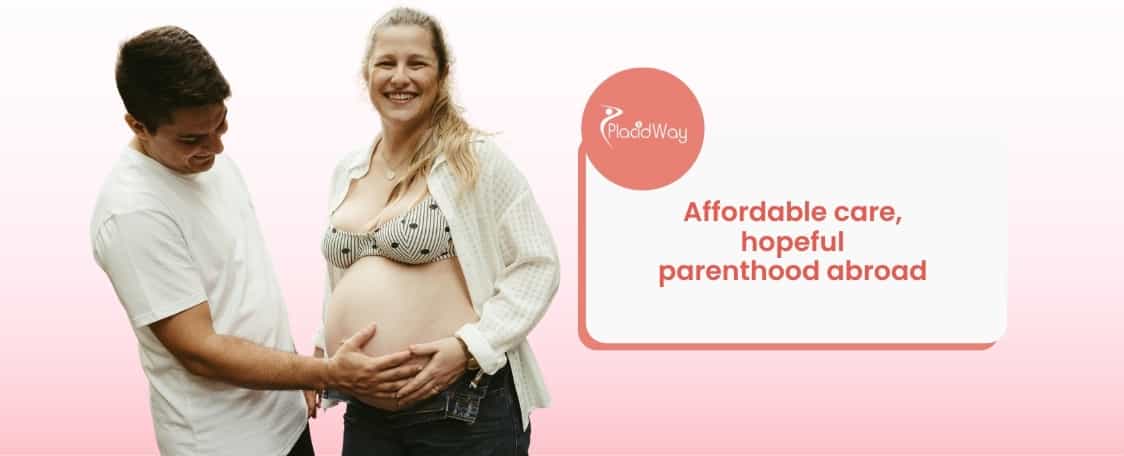
For many US parents-to-be, the emotional and physical journey of expanding a family is often compounded by staggering financial barriers. Fertility treatments, particularly those involving third-party reproduction, can drain life savings. As a result, a growing number of couples are exploring medical tourism in the Dominican Republic to access high-quality, affordable care without sacrificing safety or clinical excellence.
The Dominican Republic has rapidly emerged as a premier destination for reproductive medicine, offering world-class technology combined with a compassionate approach to patient care. By choosing affordable egg donation in the Dominican Republic, intended parents are discovering that cost efficiency does not mean compromising on medical standards. This paradigm shift highlights a globalized approach to healthcare, where borders are no longer a barrier to building a family.
The Dominican Republic boasts a robust healthcare infrastructure with several private hospitals and specialty clinics achieving international accreditations, ensuring patients receive care that parallels US standards.
Why US Couples Choose Egg Donation Clinics in the Dominican Republic
The primary driver for intended parents seeking egg donation clinics in the Dominican Republic is the substantial financial relief. In the United States, an IVF cycle utilizing a donor egg can be prohibitively expensive, often placing an immense burden on couples who have already endured years of fertility struggles. The Caribbean nation offers an attractive alternative, providing identical medical protocols at a fraction of the cost.
Beyond the financial advantages, the Dominican Republic offers a stress-free, restorative environment. Undergoing IVF with donor eggs abroad allows patients to combine a highly clinical procedure with a tranquil, healing atmosphere. The warm climate and welcoming culture provide a serene backdrop, which many patients find beneficial for reducing the high stress levels typically associated with complex fertility treatments.
More than a million US citizens travel abroad annually for medical treatments, with fertility care becoming one of the fastest-growing sectors within global medical tourism.
Evaluating Fertility Clinic Standards and Healthcare Quality
A common concern when traveling for reproductive care is the quality of the medical facilities. Fortunately, top-tier Dominican fertility centers operate under strict international guidelines, frequently employing specialists who have completed their fellowships in the United States or Europe. These facilities are equipped with state-of-the-art embryology laboratories, ensuring that gamete handling and embryo development meet the highest global standards.
Quality assurance is typically maintained through rigorous internal and external audits. Clinics catering to international patients usually feature bilingual staff, cutting-edge incubation technology, and advanced genetic screening capabilities like Preimplantation Genetic Testing (PGT). This commitment to excellence ensures that patients pursuing affordable egg donation in the Dominican Republic receive clinical care that is both innovative and deeply empathetic.
High-quality international fertility clinics frequently maintain ISO certifications and align their clinical practices with guidelines published by the American Society for Reproductive Medicine (ASRM).
Analyzing Egg Donation Cost in the Dominican Republic vs the US
Understanding the economics of fertility tourism requires a direct comparison of expenses. The egg donation cost in the Dominican Republic is significantly lower not due to a drop in quality, but because of a lower cost of living, reduced overhead for facilities, and more accessible localized pricing for medical supplies. In the US, a single cycle can easily exceed the budgets of average-income families, making international options incredibly appealing.
When you break down the expenses—including donor compensation, agency fees, IVF procedures, and medications—the savings become remarkably clear. Even factoring in the cost of flights and a short stay, US parents-to-be routinely save up to 60% on their overall journey. Below is a detailed comparison to illustrate these differences.
| Procedure / Expense Name | Average Cost in Dominican Republic (USD) | Cost Comparison in the US (USD) |
|---|---|---|
| Comprehensive IVF with Donor Eggs (Fresh) | $7,500 - $9,500 | $25,000 - $40,000+ |
| Frozen Donor Egg Cycle (Batch) | $5,500 - $7,000 | $15,000 - $22,000 |
| Fertility Medications (Recipient & Donor) | $1,000 - $2,500 | $4,000 - $8,000 |
| Preimplantation Genetic Testing (PGT-A) | $1,500 - $2,500 | $3,500 - $6,000 |
| Subsequent Frozen Embryo Transfer (FET) | $1,200 - $2,000 | $4,000 - $6,000 |
The Medical Tourism Experience for Fertility Patients
Traveling for medical reasons is no longer the daunting prospect it once was, especially for those pursuing medical tourism in the Dominican Republic. Clinics catering to international intended parents often provide comprehensive concierge services. These teams assist with navigating the logistics of the clinic, coordinating local ground transportation, and ensuring that communication flows smoothly between the patient and the medical staff.
The experience is designed to minimize the stress of undergoing medical procedures in a foreign country. By integrating the clinical journey with the natural beauty and hospitality of the Caribbean, patients often report feeling more relaxed. This holistic approach can be incredibly beneficial, as reducing stress is generally considered a positive factor when undergoing any fertility treatment.
When planning your fertility trip, arrive a day or two before your first appointment. This allows you time to adjust to the climate, rest from traveling, and approach your medical consultations with a calm and focused mindset.
Donor Screening Protocols at Dominican Fertility Centers
A crucial factor in the success of any donor egg cycle is the health and viability of the donor. Reputable Dominican fertility centers enforce rigorous donor screening protocols that closely mirror the standards established by major US reproductive medical associations. Potential donors typically undergo an exhaustive evaluation process that includes comprehensive blood work, pelvic ultrasounds, and detailed genetic carrier screening.
Furthermore, psychological evaluations are generally a mandatory component of the screening process. This ensures that donors fully comprehend the commitment they are making and are emotionally prepared for the procedure. Intended parents can review extensive, non-identifying profiles, giving them peace of mind regarding the health, background, and medical history of their chosen donor.
Always verify that your chosen clinic provides fully documented medical, genetic, and psychological screening reports for your prospective egg donor. Transparency in donor health history is critical for the safety of your future child.
Legal Framework and Anonymity for Dominican Republic Egg Donation
The legal landscape surrounding third-party reproduction varies widely around the world. In the Dominican Republic, the legal framework is highly supportive of intended parents seeking IVF with donor eggs abroad. The process is strictly anonymous, meaning that the identity of the donor is legally protected and kept confidential from the intended parents, and vice versa.
This anonymity generally provides a clear and straightforward legal path to parenthood. At birth, the intended parents are recognized as the sole legal guardians of the child, with no legal rights or obligations attributed to the egg donor. This secure legal environment is one of the many reasons why international patients feel confident choosing egg donation clinics in the Dominican Republic.
In anonymous egg donation frameworks, clinics maintain highly secure medical records of the donor's genetic history, which can be accessed strictly for medical emergencies by the resulting child's healthcare providers in the future.
Step-by-Step Guide to the Donor Egg IVF Process Abroad
Embarking on a journey for affordable egg donation in the Dominican Republic typically follows a structured and well-coordinated path. The process begins with initial virtual consultations, where you meet your medical team, review your medical history, and finalize a personalized treatment plan. From there, you will gain access to the clinic's donor database to select a match that aligns with your family’s physical and educational preferences.
Once a donor is selected, cycles are synchronized using specialized medications. While the donor undergoes ovarian stimulation in the Dominican Republic, the intended mother (or gestational carrier) begins an endometrial preparation protocol at home. Travel is usually only required for a window of 7 to 14 days, during which the fertilization, embryo development, and ultimately, the embryo transfer, take place seamlessly.
Many international fertility clinics utilize ICSI (Intracytoplasmic Sperm Injection) as a standard practice in donor egg cycles to maximize fertilization rates, particularly if there are concurrent male-factor fertility issues.
Balancing Affordability with Fertility Treatment Success Rates
A lower egg donation cost in the Dominican Republic does not equate to diminished clinical outcomes. In fact, due to the young age and rigorous screening of the donor pool, intended parents often experience exceptionally competitive success rates. Clinics heavily invest in sophisticated embryo incubation systems and utilize time-lapse monitoring to ensure only the most robust embryos are selected for transfer.
While no medical procedure can offer absolute guarantees, IVF using young, healthy donor eggs typically yields some of the highest success rates in reproductive medicine. Most patients experience positive outcomes, though individual results will naturally vary based on factors such as uterine health, sperm quality, and the specific medical protocols utilized by your chosen specialist.
According to reproductive health data, IVF cycles utilizing fresh donor eggs from women under the age of 30 generally present a higher clinical pregnancy rate compared to autologous (own-egg) IVF cycles in women over 35.
Preparing Medically and Emotionally for Your Caribbean Journey
Preparation is key when venturing into medical tourism in the Dominican Republic for reproductive purposes. Medically, your local OB/GYN or reproductive endocrinologist will play a collaborative role, performing baseline ultrasounds and blood tests to monitor your uterine lining before you travel. Establishing this partnership ensures you are physically optimized for embryo implantation upon arrival at the clinic.
Emotionally, transitioning to third-party reproduction is a profound step. It is highly recommended that couples engage in counseling with a therapist specializing in fertility issues prior to treatment. Acknowledging the emotional nuances of donor conception can foster resilience, ensuring you are mentally prepared to embrace the journey of parenthood with confidence and clarity.
Keep all your medical records, screening results, and communication with the international clinic neatly organized in a digital folder. Having easy access to your protocol and test results will streamline your travel and clinic visits.
Understanding the Potential Risks of Egg Donation Treatments
While Dominican fertility centers boast high standards of safety, any medical intervention carries inherent risks. For the intended mother undergoing an embryo transfer, risks are generally low but can include mild cramping, spotting, or reactions to the hormone medications used to prepare the uterine lining. Careful medical supervision mitigates the likelihood of severe complications.
It is also crucial to recognize the potential for multiple pregnancies if more than one embryo is transferred, which carries higher risks for both the mother and the babies. Most reputable clinics now advocate for Single Embryo Transfer (SET) to minimize these risks. As always, patients should have thorough, transparent discussions with their physicians regarding contraindications and expected physical responses.
The physical risks of ovarian hyperstimulation syndrome (OHSS) are borne solely by the egg donor, not the recipient. The intended mother primarily receives estrogen and progesterone, which are generally well-tolerated.
Patient Success Stories with Affordable Egg Donation
Real-life experiences highlight the profound impact of accessing affordable egg donation in the Dominican Republic. For many couples, making the leap to travel abroad has ultimately ended years of heartache, culminating in the joyous arrival of healthy babies. These testimonials reflect the combination of expert medical care, cost savings, and a deeply compassionate environment.
Hearing from others who have navigated IVF with donor eggs abroad can provide comfort and validation. Below are short summaries of patients who chose the Dominican Republic for their reproductive journeys, reflecting their unique paths to parenthood.
Sarah and Michael, Texas
After four failed IVF cycles in the US, Sarah and Michael were emotionally and financially exhausted. They chose a clinic in the Dominican Republic for its affordability and advanced technology. The attentive staff made them feel at home, and their first donor egg cycle resulted in a successful pregnancy. They recently welcomed a beautiful baby girl.
Elena and David, Florida
Priced out of third-party reproduction in their home state, Elena and David turned to medical tourism. They found an incredible donor match in the Dominican Republic. They appreciated the strict anonymity and rigorous medical screenings. Today, they are proud parents of twin boys, a reality they thought was financially impossible.
Jessica, New York
As a single woman pursuing motherhood, Jessica was looking for an inclusive, high-quality fertility center abroad. The Dominican clinic provided her with a comprehensive donor profile and exceptional patient care. The serene Caribbean environment allowed her to relax during her transfer, leading to a successful singleton pregnancy.
Mark and Lisa, California
Mark and Lisa chose the Dominican Republic primarily for the cost savings but were blown away by the level of clinical excellence. Their physician, US-trained, guided them meticulously through the process. They were able to freeze three additional high-quality embryos and recently celebrated the birth of their son.
How PlacidWay Assists Your Egg Donation Medical Tourism Journey
Navigating the logistics of international healthcare can feel overwhelming when managing the emotional weight of fertility treatments. This is where dedicated facilitation becomes invaluable. When planning your trip to egg donation clinics in the Dominican Republic, having a trusted partner ensures you connect with accredited, top-tier medical facilities tailored to your specific reproductive needs.
PlacidWay specializes in guiding intended parents through the complex landscape of global healthcare. By leveraging an extensive network of verified international clinics, PlacidWay helps you streamline your decision-making process, allowing you to focus entirely on your physical health and your journey toward parenthood.
- Providing comprehensive profiles of internationally accredited fertility clinics and board-certified reproductive endocrinologists.
- Facilitating direct, secure communication between intended parents and specialized medical teams abroad.
- Assisting in obtaining detailed, transparent cost estimates to help you make informed financial decisions.
- Offering resources and guidance to help you understand international legal frameworks regarding anonymous egg donation.
- Delivering personalized, value-based support to ensure a seamless medical transition from your home country to your destination clinic.
Frequently Asked Questions About Dominican Republic Fertility Treatments
Why is egg donation in the Dominican Republic so much cheaper than in the US?
The lower cost is primarily due to the Dominican Republic's lower cost of living, reduced administrative healthcare overhead, and differences in localized medical pricing. You receive high-quality care without the inflated operational expenses typical of the US healthcare system.
Is it safe to undergo fertility treatments in the Dominican Republic?
Yes, many fertility clinics in the Dominican Republic adhere to strict international standards and are staffed by specialists trained in the US or Europe. However, patients should always thoroughly vet their chosen clinic to ensure they hold proper international accreditations.
Are egg donors screened thoroughly in the Dominican Republic?
Reputable Dominican fertility centers generally follow rigorous donor screening protocols similar to those in the US. This typically includes comprehensive genetic testing, psychological evaluations, and extensive infectious disease screenings.
How long do I need to stay in the Dominican Republic for the egg donation process?
Most patients can expect to stay in the country for approximately 7 to 14 days, depending on their specific treatment protocol. Your clinic will provide a precise timeline based on your individual embryo transfer schedule.
Do I need a special medical visa to travel to the Dominican Republic?
US citizens typically do not need a special medical visa to enter the Dominican Republic; a standard tourist entry is generally sufficient for stays up to 30 days. You will need a valid passport and may need to fill out an electronic entry ticket.
What happens if the first embryo transfer is not successful?
If your initial transfer does not result in a pregnancy, remaining viable embryos are typically cryopreserved for future use. You can return for a frozen embryo transfer (FET) at a later date, which generally costs significantly less than the initial cycle.
Can I select specific physical traits for my egg donor?
Yes, most clinics provide detailed donor profiles that include physical characteristics, educational background, and medical history. This allows intended parents to select a donor who closely aligns with their desired traits and family background.
Is egg donation strictly anonymous in the Dominican Republic?
Egg donation in the Dominican Republic is generally anonymous, protecting the privacy of both the donor and the intended parents. While non-identifying information is shared, the legal framework typically prevents the exchange of contact details.
What kind of follow-up care is required after returning to the US?
Once you return home, your local OB/GYN or reproductive endocrinologist will manage your pregnancy care. Your Dominican clinic will usually coordinate with your local doctor to provide early monitoring, such as blood tests and your initial ultrasounds.
Are success rates for donor egg IVF comparable to US clinics?
Yes, top-tier clinics in the Dominican Republic frequently report success rates that are highly competitive with US averages, often utilizing the same advanced technologies. However, individual success rates vary based on patient health factors.
Ready to take the first step towards building your family with high-quality, affordable care? Connect with top-tier international fertility specialists today.
Medical Disclaimer: This article is for informational purposes only and is not medical advice. Always consult a qualified healthcare provider before any medical decisions. Results may vary. Read Full Disclaimer here.
References
- American Society for Reproductive Medicine (ASRM). Guidelines for Oocyte Donation. https://www.asrm.org/practice-guidance/practice-committee-documents/guidance-regarding-gamete-and-embryo-donation/
- Centers for Disease Control and Prevention (CDC). Medical Tourism: Travel to Another Country for Medical Care. https://wwwnc.cdc.gov/travel/page/medical-tourism
- World Health Organization (WHO). In Vitro Fertilization and Global Fertility Care. https://www.who.int/news-room/fact-sheets/detail/infertility
- Society for Assisted Reproductive Technology (SART). Understanding Success Rates and Donor Egg Data. https://www.sart.org/patients/a-patients-guide-to-assisted-reproductive-technology/general-information/success-rates/





.png)
.png)
.png)
.png)



.png)

.png)








Share this listing