


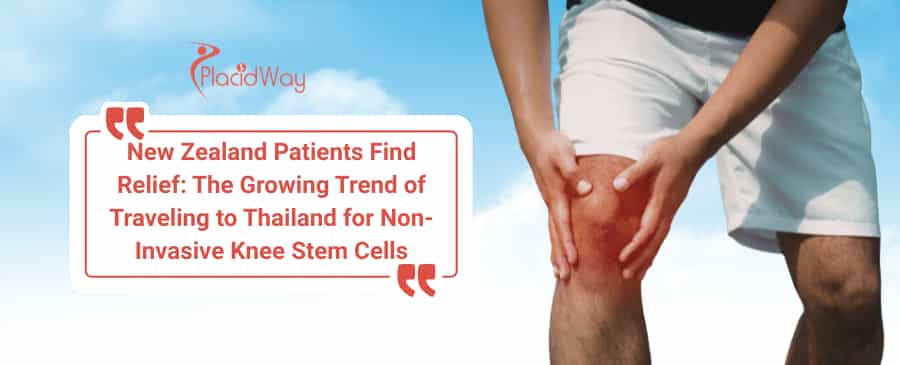
For individuals facing chronic joint pain, the appeal of non-invasive knee stem cells in Thailand has grown significantly in recent years. This regenerative approach focuses on utilizing the body’s own biological materials to potentially reduce inflammation and promote tissue repair. Instead of enduring extensive surgical interventions, many international patients are exploring these modern therapies to manage the debilitating effects of osteoarthritis and joint wear.
Thailand has steadily positioned itself at the forefront of this medical niche, combining advanced biotechnology with a deeply established medical tourism infrastructure. Patients traveling from across the globe often find that Southeast Asian facilities offer a highly sophisticated environment for regenerative medicine for joint pain. By leveraging advanced protocols, medical professionals aim to improve mobility and enhance overall quality of life without the prolonged downtime associated with joint replacement surgeries.
- Autologous treatments: Utilizing the patient’s own biological material to minimize rejection risks.
- Outpatient procedures: Therapies that generally allow patients to leave the clinic the same day.
- Symptom management: Focused on addressing inflammation and pain associated with cartilage degradation.
- Multidisciplinary approach: Combining cell therapy with physical rehabilitation for optimized recovery.
Why New Zealanders Choose Medical Tourism in Thailand
The decision to pursue medical tourism in Thailand is increasingly common among New Zealand citizens dealing with orthopedic issues. Domestic healthcare systems often face heavy burdens, resulting in extended waiting lists for specialist consultations and non-urgent orthopedic surgeries. For a patient experiencing daily knee pain, waiting months or even years for an intervention can be physically and emotionally exhausting.
By looking overseas, New Zealanders find an accessible alternative that provides timely care. Thailand not only offers rapid access to medical evaluations but also provides treatments at a more accessible price point compared to private healthcare markets in Australasia. The integration of high-quality clinical care with the comforting environment of a renowned travel destination makes international medical travel an attractive, practical solution for those seeking prompt relief.
Thailand is routinely ranked among the top global destinations for medical tourism, welcoming millions of international patients annually for procedures ranging from routine health screenings to complex regenerative therapies.
How Stem Cell Therapy for Knees Works
The science behind orthopedic regenerative therapies relies heavily on the natural healing properties of specific biological cells. Most protocols utilize mesenchymal stem cells (MSCs), which are known for their ability to differentiate into various tissue types, including bone and cartilage. In a typical joint application, these cells are isolated, concentrated, and then carefully introduced directly into the affected knee capsule to target areas of inflammation and tissue damage.
Once injected, these cellular structures generally work by releasing growth factors and anti-inflammatory proteins. While they do not "magically" grow a brand-new knee, they are believed to alter the microenvironment of the joint. This process can typically slow down further cartilage degradation and provide substantial pain relief. Though cartilage regeneration techniques are still being refined in clinical research, the symptomatic relief observed in many patients makes it a compelling alternative to immediate surgery.
Adult stem cells used in joint therapies are most commonly harvested from the patient's own adipose (fat) tissue or bone marrow, a method known as autologous transplantation, which significantly reduces the risk of an adverse immune response.
Affordable Knee Stem Cells Cost in Thailand vs New Zealand
One of the primary driving factors for this specific patient demographic is the highly affordable stem cell therapy available in Southeast Asia. When comparing the private sector costs, the financial disparity becomes immediately apparent. In New Zealand, out-of-pocket expenses for cutting-edge regenerative joint injections can be prohibitively high, often placing these innovative treatments out of reach for the average individual.
The knee stem cells cost in Thailand remains highly competitive due to a lower cost of living and favorable currency exchange rates, without compromising on the quality of medical technology. Patients are able to access comprehensive treatment packages that include initial imaging, cell harvesting, processing, and the final injection for a fraction of what they would pay back home. Below is a comparative look at estimated market ranges.
| Procedure Name | Average Cost in Thailand (USD) | Cost Comparison with New Zealand (USD) |
|---|---|---|
| Platelet-Rich Plasma (PRP) with Stem Cells | $2,500 - $4,000 | $6,000 - $9,000 |
| Bone Marrow Aspirate Concentrate (BMAC) | $4,000 - $6,000 | $10,000 - $15,000 |
| Adipose-Derived Stem Cell Therapy | $5,000 - $7,000 | $12,000 - $18,000 |
Evaluating Stem Cell Clinics in Thailand
When traveling abroad for healthcare, the importance of selecting reputable stem cell clinics in Thailand cannot be overstated. The medical tourism boom has led to the rapid growth of clinical facilities, making thorough research essential. Patients should focus on institutions that maintain strict international standards, ensuring that cell processing laboratories adhere to rigorous safety and hygiene protocols.
Many top-tier accredited healthcare facilities hold certifications from global organizations. Identifying JCI accredited hospitals in Bangkok or other major cities provides a baseline of trust, indicating that the facility undergoes regular, stringent evaluations. Evaluating the credentials of the specific orthopedic specialists and laboratory technicians involved in your care is equally vital to ensuring a safe and professionally managed medical journey.
Always request comprehensive documentation regarding a clinic's cellular processing methods. Reputable clinics will gladly provide transparency regarding how cells are harvested, counted, and screened for contamination before injection.
Patient Eligibility for Knee Stem Cell Treatments
Not every individual experiencing joint discomfort is an appropriate candidate for regenerative injections. Proper medical screening is necessary to determine candidates for knee stem cells. Physicians generally look for patients who are suffering from early to mid-stage joint degeneration, where there is still a viable amount of cartilage remaining in the knee capsule.
Those with mild to moderate osteoarthritis often report the most favorable responses to these non-surgical knee treatment options. Conversely, patients with severe, end-stage bone-on-bone arthritis, active infections, or certain underlying systemic diseases are typically contraindicated for this procedure. A thorough evaluation of a patient's medical history ensures that the treatment is only applied when there is a reasonable expectation of symptomatic improvement.
- Ideal candidates: Individuals with partial cartilage loss and chronic inflammation.
- Age considerations: While age is a factor, overall cellular health and joint structure are more critical indicators.
- Failed conservative treatments: Patients who have not found relief through physical therapy or standard corticosteroid injections.
The Medical Consultation Process for International Patients
The journey to restorative joint care begins long before boarding a flight. High-quality clinics offer extensive remote medical consultations to assess the viability of a patient's case. During these initial communications, prospective patients are asked to securely share their local medical records, including recent X-rays or MRI scans, which are essential for accurately evaluating knee joint degradation.
The use of telemedicine for medical tourists allows Thai specialists to review the imaging, understand the patient's pain levels, and discuss realistic outcomes face-to-face via video calls. This preliminary step is crucial as it prevents patients from making an unnecessary international trip if their condition is not suitable for cellular therapy, thereby protecting both their health and financial resources.
Many international departments in Thai hospitals employ dedicated medical coordinators who speak fluent English. These professionals guide overseas patients through every step of the consultation, acting as a liaison between the patient and the medical team.
What to Expect During the Stem Cell Procedure
When the patient arrives at the clinic, the physical process is generally straightforward and designed to minimize discomfort. These outpatient stem cell injections are typically completed within a single day. The process begins with the extraction of the biological material, usually performed under local anesthesia to harvest either fat tissue from the abdomen or marrow from the pelvic bone.
Once extracted, the material is immediately processed in a highly controlled laboratory setting to isolate and concentrate the vital cells. The final phase involves the intra-articular injection process, where the physician uses ultrasound or fluoroscopic guidance to precisely deliver the concentrated cells into the damaged areas of the knee. Because these are minimally invasive knee procedures, patients are usually able to walk out of the clinic shortly after observation.
Results from regenerative therapies can vary widely among individuals. Medical professionals cannot guarantee a successful outcome, pain elimination, or cartilage regeneration. Always maintain realistic expectations and discuss all potential outcomes with your physician.
Post-Treatment Recovery After Knee Injections
Following the procedure, strict adherence to aftercare protocols is vital for optimizing the cellular response. The initial recovery timeline for stem cell therapy typically involves a few days of localized soreness or mild swelling at both the harvest and injection sites. Patients are generally advised to engage in complete joint rest and rehabilitation for the first 48 to 72 hours, avoiding any strenuous weight-bearing activities.
As the initial inflammation subsides, physicians usually recommend a structured course of post-procedure physical therapy. Gentle mobilization helps to encourage blood flow and supports the integration of the therapy into the joint environment. Most patients are cleared to return to their normal daily routines within a few weeks, though high-impact sports should be avoided for several months.
Plan to stay in Thailand for at least 7 to 10 days post-procedure. This allows adequate time for your medical team to conduct a follow-up assessment and ensures you are fit to endure a long-haul flight back to New Zealand safely.
Efficacy and Success Rates of Regenerative Orthopedics
The medical community continues to closely monitor the success rates of knee stem cells. While traditional surgical options like total knee arthroplasty have long-established data pools, ongoing clinical studies on regenerative medicine are yielding promising results for symptom management. Patients frequently report noticeable reductions in pain and improvements in joint function within three to six months following their injections.
It is important to understand that the goal of these treatments is often focused on long-term joint pain relief and delaying the need for invasive surgery. The efficacy depends heavily on the individual’s biological age, the severity of the osteoarthritis, and post-care compliance. While many experience sustained relief lasting several years, others may require booster therapies to maintain their mobility.
Clinical observations suggest that roughly 70% to 80% of properly screened patients with mild to moderate osteoarthritis experience a significant clinical reduction in joint pain following autologous cellular therapies.
Understanding the Risks of Stem Cell Therapy
While utilizing a patient's own biological material significantly mitigates the risk of tissue rejection or disease transmission, potential risks of stem cell treatments still exist. Any procedure involving an injection into a joint space carries a fundamental, albeit low, risk of infection, bleeding, or nerve damage. Patients typically experience minor joint swelling after injection, which is a normal inflammatory response but requires careful monitoring.
Medical providers enforce strict contraindications for regenerative therapy to ensure patient safety. Individuals with active systemic infections, certain blood disorders, or a history of specific cancers are generally excluded from treatment. Transparency regarding personal medical history during the consultation phase is essential to minimizing adverse events and ensuring a safe therapeutic environment.
- Infection risk: A rare but serious possibility associated with any needle puncture into a joint capsule.
- Injection site pain: Temporary discomfort and bruising at both the harvest and application sites are commonly reported.
- Lack of efficacy: The risk that the body may not respond robustly to the cellular injection, resulting in minimal symptom improvement.
Preparing for Your Medical Journey to Southeast Asia
Proper medical travel preparation is fundamental to a stress-free experience. When planning a medical trip from New Zealand, patients must consider logistics beyond just the clinical appointment. Securing comprehensive medical travel insurance that explicitly covers international procedures and potential travel disruptions is highly recommended to protect your financial investment.
Additionally, understanding the healthcare visa requirements for Thailand is crucial. While New Zealand citizens generally enjoy visa-exempt entry for short holidays, individuals planning an extended stay for rehabilitation might require a specific medical tourist visa. Coordinating your travel dates carefully with your clinic’s schedule ensures you have ample time for pre-procedure blood work and post-procedure monitoring.
Thailand’s climate is tropical and humid year-round. Medical tourists are advised to pack loose, comfortable clothing to accommodate any post-procedure swelling and to ensure comfort during their clinic visits.
Real Patient Experiences with Knee Stem Cells in Thailand
Reviewing patient reviews for stem cell therapy can provide valuable insights into the practical realities of the medical journey. Hearing directly from New Zealand medical tourists who have navigated the process helps prospective patients manage their expectations. These narratives often highlight the quality of clinical care, the professionalism of the staff, and the subsequent impact on their daily mobility.
The growing collection of regenerative medicine testimonials underscores a common theme: the pursuit of an active, pain-free lifestyle. While results are highly individual, the shared experiences of traversing international borders for orthopedic care illustrate the viability of this healthcare alternative. Below are conceptual summaries of typical patient experiences.
Testimonial Profile: David, 58 (Auckland)
David struggled with chronic osteoarthritis in his right knee, preventing him from enjoying his weekend hikes. Facing a long waitlist for surgery at home, he traveled to Bangkok for BMAC therapy. Six months post-procedure, he reports a significant decrease in daily stiffness and has successfully returned to light trail walking.
Testimonial Profile: Margaret, 64 (Wellington)
Dealing with cartilage degradation that made stair climbing painful, Margaret sought a non-invasive option. After a thorough tele-consultation, she underwent adipose-derived cellular injections in Thailand. She appreciated the strict hygiene protocols of the clinic and experienced a gradual, steady reduction in joint inflammation over four months.
Testimonial Profile: Ian, 52 (Christchurch)
An ex-rugby player with lingering joint trauma, Ian was told a partial knee replacement was in his future. He opted for an international regenerative approach to delay surgery. While the first few weeks involved careful resting, Ian notes that his knee feels more stable and the sharp pains have subsided substantially.
Testimonial Profile: Susan, 60 (Hamilton)
Susan was nervous about traveling alone for medical care but found the international department at her chosen Thai facility incredibly supportive. Following her stem cell treatment for bilateral knee arthritis, she followed a strict physiotherapy regimen back in NZ and has since regained the ability to garden without severe knee pain.
How PlacidWay Assists Your Knee Stem Cells Medical Tourism Journey in Thailand
Organizing healthcare across international borders can seem overwhelming. Effective medical tourism facilitation ensures that patients make informed, secure decisions regarding their bodies and finances. The goal is to bridge the gap between patients and world-class international healthcare access.
By connecting patients with clinics that meet rigorous global standards, individuals can focus purely on their treatment and recovery. Below are the key ways PlacidWay adds value to your medical journey:
- Providing comprehensive clinic comparisons to help you choose accredited, top-tier medical facilities.
- Facilitating direct communication with board-certified orthopedic specialists for initial evaluations.
- Assisting with the secure transfer of medical records and MRI scans for precise pre-treatment assessments.
- Offering access to transparent treatment plans tailored specifically to your joint health requirements.
- Providing educational resources to help you thoroughly understand your chosen medical procedure.
Frequently Asked Questions
How much do knee stem cells cost in Thailand?
The cost typically ranges between $3,000 and $7,000 USD depending on the specific type of cellular therapy used. This is generally a fraction of the cost compared to private healthcare options in New Zealand.
Is stem cell therapy for knees safe in Thailand?
When performed in internationally accredited facilities by board-certified specialists, the procedure is generally considered safe. However, like all medical treatments, it carries inherent risks that should be discussed with a physician.
How long does a patient need to stay in Thailand?
Most patients are advised to stay in the country for at least 7 to 10 days. This allows adequate time for the initial consultation, the outpatient procedure, and a necessary follow-up appointment before flying.
Are the results of knee stem cells guaranteed?
No medical procedure can guarantee specific results. Efficacy varies based on the patient's age, the severity of joint degradation, and individual biological responses.
Do New Zealand citizens need a visa for medical travel to Thailand?
New Zealand passport holders typically receive a visa exemption for short stays up to 30 days. For longer medical treatments, applying for a specific medical visa may be required.
What is the recovery time after a knee stem cell injection?
Patients usually experience mild soreness for a few days and are advised to rest the joint. Gradual return to light activities is generally permitted within two to four weeks under medical guidance.
Can stem cell therapy replace a total knee replacement?
For mild to moderate osteoarthritis, it may delay or reduce the need for surgery by managing symptoms. However, severe bone-on-bone arthritis typically still requires surgical intervention.
Where do the stem cells come from?
Autologous treatments use the patient's own biological material, typically harvested from adipose (fat) tissue or bone marrow. These are then concentrated and injected back into the knee joint.
Will my New Zealand insurance cover treatments in Thailand?
Most standard domestic health insurance policies do not cover experimental or international regenerative therapies. Patients usually pay out-of-pocket or use specialized medical travel insurance.
How do I communicate with Thai medical staff?
Top-tier hospitals and clinics catering to international patients employ fluent English-speaking doctors and staff. Dedicated international departments also provide medical interpreters to ensure clear communication.
References
- Mayo Clinic. Stem cells: What they are and what they do. https://www.mayoclinic.org/tests-procedures/bone-marrow-transplant/in-depth/stem-cells/art-20048117
- Arthritis Foundation. Stem Cell Guidance. https://www.arthritis.org/science/events-publications/stem-cell-guidance
- National Institutes of Health (NIH). Stem Cell Therapy in Osteoarthritis. https://pmc.ncbi.nlm.nih.gov/articles/PMC3616879/
- OrthoInfo - American Academy of Orthopaedic Surgeons. PRP and Stem Cell Treatments for Osteoarthritis. https://orthoinfo.aaos.org/en/treatment/platelet-rich-plasma-prp/




















Share this listing