
The realm of regenerative medicine has expanded significantly in recent years, shifting global healthcare dynamics. Among the most popular innovations is stem-cell-based skin therapy in South Korea, which consistently attracts international attention. This advanced procedure utilizes the body's natural cellular mechanics to encourage tissue repair and collagen production. Patients globally are seeking these specialized therapies to address signs of aging and environmental skin damage.
South Korea has positioned itself as a global leader in medical aesthetics and advanced biotechnology research. By combining cutting-edge laboratory techniques with specialized dermatological practices, they offer highly refined regenerative protocols. International patients generally find that the expertise of local medical professionals provides a reassuring environment for complex treatments. This unique blend of technological innovation and aesthetic mastery typically sets the standard for modern skin rejuvenation.
- Autologous cell utilization: The procedure generally uses the patient's own biological material to minimize rejection risks.
- Collagen stimulation: Cellular extracts typically promote natural protein synthesis for improved skin elasticity.
- Targeted application: Serums are carefully applied to specific areas requiring targeted dermal repair.
- Advanced extraction techniques: Specialized equipment ensures the highest possible viability of the harvested cells.
Mesenchymal stem cells (MSCs) used in these therapies are highly prized because they can differentiate into various cell types, generally aiding in comprehensive tissue regeneration.
Why Japanese Patients Prefer Medical Tourism in South Korea
Geographic proximity plays a substantial role in the decision-making process for individuals seeking aesthetic treatments abroad. Japanese patients increasingly favor medical tourism in South Korea due to the short, manageable flight times between the two nations. This convenience typically reduces travel fatigue and makes scheduling brief medical getaways remarkably straightforward. Furthermore, cultural similarities often help visiting patients feel more comfortable during their healthcare journey.
Beyond geographical convenience, the reputation of South Korean dermatology clinics remains a powerful magnet for international visitors. The rigorous training standards and highly specialized focus of Korean practitioners generally inspire significant trust among Japanese clientele. Furthermore, advanced facilities often cater specifically to foreign visitors by providing specialized translation services and culturally aware patient coordinators. This comprehensive support system usually ensures a seamless and professional experience from consultation to post-treatment care.
- Geographic convenience: Flight durations are typically under three hours from major Japanese cities to Seoul.
- Cultural affinity: Shared regional customs generally make navigating the medical environment much easier.
- Language support: Many top-tier clinics employ dedicated Japanese translators to ensure clear communication.
- Technological superiority: Access to cutting-edge cosmetic equipment is widely available across the peninsula.
According to regional tourism reports, Japanese visitors consistently rank among the top three demographics traveling to South Korea specifically for dermatological and aesthetic healthcare services.
The Science Behind Stem Cell Anti-Aging Treatments in South Korea
The core scientific principle driving these therapies involves harnessing the body’s intrinsic healing capabilities at a microscopic level. Stem cell anti-aging treatments in South Korea typically focus on extracting potent cellular messengers known as exosomes. These microscopic vesicles are generally responsible for transmitting regenerative signals between aging and youthful cells. When introduced into depleted skin tissues, they typically prompt a robust revitalizing response.
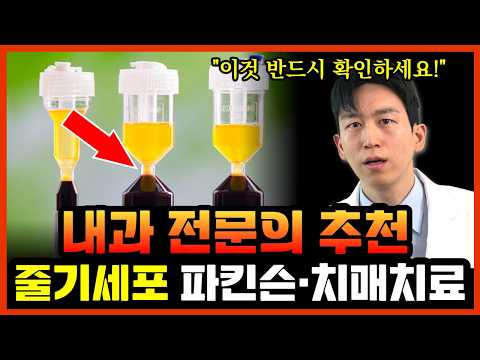
Modern clinical research continually refines how these biological materials are processed and purified prior to application. State-of-the-art laboratory environments in Seoul rigorously test cellular viability to ensure maximum efficacy for the patient. The process generally involves spinning harvested tissues in specialized centrifuges to isolate the most active regenerative components. Medical professionals then carefully formulate these extracts to address specific dermal concerns, such as volume loss and hyperpigmentation.
- Cellular signaling: Exosomes typically send specific instructions to older cells to repair themselves.
- Fibroblast activation: Treatments generally stimulate fibroblasts, the cells responsible for producing structural collagen.
- Angiogenesis promotion: The therapy typically encourages the formation of new blood vessels, improving skin circulation.
- Inflammation reduction: Bioactive compounds generally help soothe chronic micro-inflammation associated with skin aging.
The purification process used in top Korean labs can typically isolate millions of active cellular factors from a remarkably small tissue sample.
Affordable Stem-Cell-Based Skin Therapy Cost in South Korea
Economic considerations consistently remain a primary driver for international patients pursuing regenerative dermatology across borders. The stem cell therapy cost in South Korea is often significantly more competitive than identical procedures offered in Japan. This pricing advantage generally stems from the high density of specialized aesthetic clinics operating within a highly competitive local market. Consequently, patients typically gain access to premium medical technology without facing prohibitive domestic price tags.
Understanding the varied pricing tiers is crucial for medical tourists attempting to budget effectively for their journey. Costs generally fluctuate based on the specific type of cellular extraction required and the complexity of the targeted application. Patients typically find that comprehensive treatment packages, which may include preliminary consultations and follow-up care, offer the most value. Transparent pricing structures generally allow travelers to make informed financial decisions prior to booking their flights.
| Procedure Name | Average Cost in South Korea (USD) | Cost Comparison with Japan (USD) |
|---|---|---|
| Exosome Skin Rejuvenation | $1,200 - $2,500 | $2,500 - $4,000 |
| Adipose-Derived Stem Cell Therapy | $3,000 - $4,500 | $5,500 - $8,000 |
| PRP with Stem Cell Boost | $800 - $1,500 | $1,800 - $3,000 |
| Fibroblast Cultivation Therapy | $2,500 - $4,000 | $4,500 - $7,000 |
Always request a highly detailed quote that breaks down the costs of extraction, laboratory processing, and the clinical application to avoid unexpected clinical expenses.
Types of Stem Cell Skin Rejuvenation Available in South Korea
The aesthetic landscape offers a diverse array of methodologies tailored to address specific dermatological concerns and aging profiles. When researching stem cell clinics in South Korea, patients typically encounter several distinct approaches to cellular rejuvenation. One popular method involves harvesting adipose tissue, which generally yields a highly concentrated amount of mesenchymal stem cells. This fat-derived technique is frequently preferred for patients requiring both volume restoration and deep tissue repair.
Another increasingly prevalent option utilizes advanced exosome technology derived from meticulously screened umbilical cord blood or plant sources. This specific approach generally appeals to individuals seeking less invasive alternatives without the need for personal tissue extraction. Additionally, combining platelet-rich plasma (PRP) with cellular boosters remains a favored protocol for superficial skin brightening. Medical professionals typically customize these distinct modalities based on an individual's unique anatomical requirements and aesthetic goals.
- Adipose-derived extraction: Fat cells are gently harvested, usually from the abdomen, to isolate potent regenerative factors.
- Blood-derived processing: Specific growth factors are carefully extracted from a routine blood draw to stimulate local healing.
- Exosome topical application: Highly purified cellular signals are generally applied following a microneedling session.
- Cultured fibroblast therapy: A tiny skin sample is typically sent to a lab to multiply collagen-producing cells before reinjection.
Adipose (fat) tissue is generally recognized by scientific communities as one of the most abundant and easily accessible sources of viable stem cells in the adult human body.
Who is a Good Candidate for Stem Cell Facial Therapy in South Korea?
Identifying appropriate candidates is a critical first step in ensuring the safety and efficacy of regenerative dermatological procedures. Individuals pursuing stem cell facial therapy in South Korea generally exhibit early to moderate signs of facial aging. Those struggling with chronic skin dullness, textural irregularities, or persistent acne scarring typically respond well to these protocols. A thorough medical evaluation is generally required to confirm that the patient possesses sufficient overall health for tissue harvesting.
Conversely, the therapy is not universally suitable for every individual seeking aesthetic enhancement or skin refinement. Patients harboring certain underlying health conditions typically face strict limitations regarding their eligibility for autologous cellular treatments. Practitioners generally scrutinize a patient's medical history to rule out any disorders that might interfere with cellular regeneration. Safety consistently remains the highest priority, dictating that certain demographics must explore alternative cosmetic solutions.
- Ideal candidates: Typically healthy adults noticing a gradual decline in skin elasticity and firmness.
- Scarring concerns: Generally suitable for patients looking to soften the appearance of atrophic acne scars.
- Poor candidates: Individuals generally suffering from uncontrolled autoimmune diseases or active systemic infections.
- Lifestyle factors: Heavy smokers generally experience diminished results due to impaired blood circulation and cellular health.
Patients with a history of active malignancies or severe bleeding disorders are strictly contraindicated for invasive cellular harvesting procedures and must thoroughly consult their primary physician.
Safety Protocols at Stem Cell Clinics in South Korea
Maintaining a sterile and highly regulated environment is fundamental to the success of any advanced biological treatment. Leading medical tourism facilities in South Korea adhere strictly to rigorous international hygiene and laboratory processing standards. The equipment used for centrifugation and cellular isolation is typically calibrated constantly to prevent any risk of cross-contamination. Visiting patients generally benefit from these stringent protocols, which aim to mitigate the risk of adverse clinical reactions.
Furthermore, the qualifications of the attending medical staff significantly influence the overall safety profile of the procedure. Clinics generally employ board-certified dermatologists and specially trained laboratory technicians to oversee every phase of the cellular extraction. Comprehensive preoperative screening is typically mandatory to evaluate the patient's baseline physiological health before any intervention begins. This multi-layered approach to patient care generally ensures that all therapeutic processes remain highly controlled and clinically secure.
- Sterile environments: Laboratory processing is typically conducted in dedicated cleanrooms to prevent airborne contamination.
- Equipment certification: Centrifuges and isolation devices generally hold strict regulatory approvals from health authorities.
- Staff credentials: Procedures are generally performed exclusively by medical professionals with specialized training in regenerative aesthetics.
- Emergency readiness: Top clinics typically maintain comprehensive emergency response protocols, ensuring immediate care if rare reactions occur.
The Procedure Process for Stem Cell Skin Therapy in South Korea
Understanding the clinical timeline helps international patients adequately prepare for their time spent at the medical facility. The procedure for affordable stem-cell-based skin therapy in South Korea typically commences with a detailed, in-person clinical assessment. During this initial phase, the attending specialist generally finalizes the treatment map and outlines the exact extraction methodology. Most patients experience this preparatory stage as highly informative, allowing them to clarify any last-minute medical concerns.
Following the consultation, the actual physical intervention is typically divided into three distinct, carefully managed clinical stages. The entire process generally spans several hours, depending largely on the specific extraction technique chosen by the medical team. Local anesthesia is commonly administered to ensure the patient remains comfortable throughout the tissue harvesting and reinjection phases. The systematic nature of the protocol typically allows for precise control over the placement of the regenerative serums.
- Extraction phase: The medical team generally harvests a small amount of fat or blood using minimally invasive techniques under local anesthesia.
- Processing phase: The harvested material is quickly transferred to an onsite laboratory where it is typically spun in a centrifuge to isolate active cells.
- Preparation phase: The isolated cells are generally combined with targeted vitamins or hyaluronic acid to create a customized biological serum.
- Application phase: The specialist generally utilizes micro-injections or microneedling to deliver the concentrated serum directly into the targeted dermal layers.
The onsite laboratory processing of autologous tissues typically takes between 60 to 90 minutes, allowing the entire procedure to be completed within a single clinic visit.
Recovery and Aftercare Following Stem Cell Therapy in South Korea
Post-procedural care is just as vital as the clinical intervention itself for achieving optimal aesthetic improvements. Patients recovering from stem cell skin rejuvenation in South Korea generally experience a relatively swift and manageable healing process. Mild redness, slight swelling, and localized tenderness are typically expected during the first forty-eight hours following the micro-injections. These minor inflammatory responses generally indicate that the body's natural healing cascade has been successfully activated by the treatment.
To protect the newly introduced cellular material, patients must carefully adhere to specific aftercare guidelines provided by their specialist. Exposure to harsh environmental elements, particularly direct ultraviolet radiation, must typically be avoided strictly during the initial healing phase. Medical professionals generally advise against using active skincare ingredients like retinoids or harsh chemical exfoliants for at least a week. Following these conservative aftercare measures typically ensures the fragile new cells successfully integrate into the existing skin matrix.
- Initial downtime: Most patients typically resume their normal daily activities within three to five days post-procedure.
- Sun protection: Broad-spectrum sunblock is strictly required to prevent hyperpigmentation on the freshly treated, sensitive dermal layers.
- Hydration requirements: Maintaining high levels of systemic and topical hydration generally supports the cellular regeneration process.
- Exercise limitations: Strenuous physical activity and heavy sweating are typically restricted for at least one week to minimize swelling.
Plan to stay in your hotel and rest for at least 24 hours immediately following the procedure, ensuring you avoid bustling city environments while your skin is highly sensitive.
Comparing Stem Cell Regulations Between Japan and South Korea
Navigating the complex legal frameworks surrounding regenerative medicine requires careful consideration by prospective medical tourists. The regulatory environment governing medical tourism in South Korea often permits a broader application of advanced aesthetic protocols. While Japan maintains famously strict guidelines regarding the cultivation and expansion of stem cells, Korean clinics generally operate under slightly more flexible aesthetic parameters. This regulatory variance typically allows Korean facilities to offer a wider variety of immediate, clinic-based extraction and application methods.
It is important to note that flexibility does not equate to a lack of rigorous safety oversight. The South Korean Ministry of Food and Drug Safety generally maintains strict compliance requirements for medical devices used in cellular isolation. Clinics must typically undergo regular inspections to ensure their laboratory environments meet exacting national biological safety standards. Japanese patients often find that this structured yet progressive regulatory climate generally provides access to highly innovative treatments not easily accessible at home.
- Approval speeds: Novel aesthetic delivery systems generally receive regulatory approval faster in South Korea compared to neighboring nations.
- Cultivation laws: Strict limits typically exist in both countries regarding how long cells can be manipulated outside the body without advanced licensing.
- Device certification: The centrifugation and extraction tools generally face rigorous safety evaluations by Korean health authorities.
- Patient tracking: Clinics are generally required to maintain highly detailed biological records of all autologous tissue transfers.
South Korea was one of the first countries globally to establish specific, streamlined regulatory pathways dedicated explicitly to the advancement of regenerative medical technologies.
Long-Term Benefits of Stem Cell Skin Treatments in South Korea
While traditional cosmetic fillers offer immediate but temporary volume, cellular therapies generally focus on fundamental tissue reconstruction. The long-term benefits of stem-cell-based skin therapy in South Korea typically emerge gradually as the skin fundamentally repairs itself. Patients generally notice progressive improvements in dermal thickness, elasticity, and overall radiance over a period of several months. This slow, structural enhancement typically yields results that look entirely natural rather than artificially augmented.
Furthermore, the regenerative nature of the treatment generally helps fortify the skin against future environmental damage and intrinsic aging. By increasing the underlying density of collagen networks, the skin typically becomes more resilient to daily wear and tear. Most patients experience sustained improvements that can generally persist for a year or longer, depending on their individual metabolic rate. Routine maintenance and healthy lifestyle choices generally serve to extend the longevity of these cellular improvements significantly.
- Structural repair: The therapy generally addresses the root cause of aging by rebuilding depleted collagen frameworks.
- Natural aesthetics: Gradual changes typically ensure the patient's facial expressions remain entirely unaltered and natural.
- Skin barrier strengthening: Cellular signaling generally improves the skin's ability to retain moisture and repel environmental toxins.
- Sustained longevity: Results typically outlast traditional superficial injectables due to the genuine biological tissue renewal.
Clinical studies generally indicate that skin treated with targeted exosome therapy can show up to a 300% increase in collagen production over a six-month observation period.
How PlacidWay Assists Your Stem Cell Medical Tourism Journey in South Korea
Organizing a cross-border healthcare experience requires meticulous planning and reliable access to verified medical information. Coordinating your stem cell therapy in South Korea can be incredibly complex without the right navigational tools and local insights. Patients generally require an authoritative resource to help them compare specialized providers and understand complex medical protocols. Connecting with a trusted global platform generally simplifies the overwhelming process of international clinic selection.
By leveraging dedicated medical tourism resources, patients typically approach their regenerative treatments with far greater confidence. Access to transparent educational materials generally empowers individuals to ask highly informed questions during their medical consultations. This structured approach to international healthcare exploration typically ensures patients connect with facilities that genuinely match their specific aesthetic requirements. Focusing entirely on value-based support typically transforms a daunting medical journey into an organized, stress-free endeavor.
- Providing comprehensive, transparent information regarding international clinic credentials and medical specialist qualifications.
- Offering detailed, side-by-side comparisons of various regenerative procedure types and their respective global market costs.
- Facilitating direct, secure communication channels between prospective patients and verified international medical facilities.
- Supplying extensive educational resources and patient guides to help individuals thoroughly prepare for complex dermatological procedures.
- Assisting patients in obtaining detailed, customized medical treatment estimates directly from chosen healthcare providers.
Real Patient Experiences with Stem Cell Therapy in South Korea
Understanding the firsthand encounters of previous medical tourists can offer invaluable insights into the realities of the procedure. Many individuals seeking stem cell clinics in South Korea find immense comfort in reviewing the documented experiences of their peers. These summaries generally highlight common themes regarding clinic professionalism, the management of procedural discomfort, and the eventual aesthetic outcomes. Observing the healing trajectories of others typically helps prospective patients set highly realistic expectations for their own journeys.
Patient feedback frequently emphasizes the meticulous care provided by local medical staff and the impressive technological standards of the facilities. Most patients generally report that while the initial recovery required patience, the long-term biological improvements were significantly worthwhile. Reviewing these diverse perspectives typically underscores the deeply personal nature of regenerative treatments and the varied rates of individual healing. The following narratives generally reflect the typical experiences of international visitors navigating the Korean aesthetic landscape.
A Journey to Radiance
A 45-year-old patient from Osaka traveled for adipose-derived cellular therapy to address deep structural volume loss. She reported that the extraction process was generally comfortable under local anesthesia, and she noticed a significant, natural-looking improvement in her skin's elasticity by her third month post-treatment.
Overcoming Acne Scars
A 38-year-old visitor sought exosome therapy combined with microneedling to target persistent atrophic scarring. He noted that the clinic's strict hygiene protocols were highly reassuring, and while his face was red for a few days, the gradual smoothing of his skin texture over six months generally exceeded his expectations.
Revitalizing Sun-Damaged Skin
A 52-year-old tourist opted for PRP enriched with cellular boosters to combat years of environmental skin damage. She generally appreciated the swift two-hour procedure time and highlighted that her complexion appeared noticeably brighter and more robust after the initial healing phase concluded.
Seamless Medical Tourism
A 41-year-old executive from Tokyo emphasized the seamless nature of her medical trip, noting the exceptional translation services provided. She generally found the detailed preoperative explanations crucial for her peace of mind and continues to enjoy a significantly refined skin tone nearly a year later.
Frequently Asked Questions About Stem Cell Skin Therapy in South Korea
Prospective patients naturally harbor numerous inquiries when contemplating advanced biological interventions in a foreign country. Researching medical tourism in South Korea requires clarifying various logistical, financial, and purely medical considerations beforehand. Addressing these common concerns generally aids individuals in making highly educated decisions regarding their personal healthcare options. Thoroughly understanding the nuances of the procedure typically reduces anxiety and fosters a more positive treatment mindset.
The following questions represent the most frequent inquiries raised by international visitors regarding regenerative dermatology. Medical professionals generally encourage patients to use these points as a foundational guide for their official clinic consultations. While general answers provide helpful context, individual medical advice must strictly be obtained from a certified healthcare provider. Navigating these details typically ensures a highly organized and clinically safe medical journey abroad.
Is stem-cell-based skin therapy safe for all skin types?
The procedure is generally safe for most skin types when performed by qualified professionals. However, individual suitability must be evaluated during a thorough medical consultation prior to treatment. Minor temporary reactions like redness can typically occur.
How much does stem cell therapy cost in South Korea?
The stem cell therapy cost in South Korea typically ranges from $1,200 to $4,500 depending on the specific technique used. This is generally more affordable than comparable treatments in Japan or Western countries. Pricing fluctuates based on the clinic and complexity of the protocol.
How long does the recovery process take?
Most patients experience a relatively short downtime, often resuming normal activities within three to five days. Mild swelling and redness are typically expected during the initial 48 hours. Full dermal recovery generally progresses over the following weeks.
Do Japanese citizens need a medical visa for South Korea?
Japanese passport holders generally do not need a special medical visa for short-term stays in South Korea. For extended treatments requiring long recovery periods, a specific medical tourist visa might be applicable. Always verify current travel regulations before planning your journey.
When will I see the results of my stem cell facial therapy?
Patients typically begin to notice subtle improvements in skin texture and tone within four to six weeks. The most significant regenerative results generally appear after three to six months as collagen production increases. Individual metabolic rates naturally influence the timeline.
Where are the stem cells sourced from for these treatments?
In aesthetic dermatology, clinics generally use autologous stem cells harvested from the patient's own adipose (fat) tissue or blood. Alternatively, highly purified plant-derived or umbilical cord exosomes are sometimes utilized depending on local regulations. The choice of source typically depends on the patient's specific protocol.
Is the stem cell harvesting procedure painful?
The harvesting process is typically performed under local anesthesia to ensure patient comfort throughout the extraction. Most patients experience only mild pressure or minor discomfort during the fat or blood draw. Post-extraction soreness is generally manageable with over-the-counter pain relievers.
Can I combine stem cell therapy with other cosmetic procedures?
Yes, many patients choose to combine regenerative therapies with complementary treatments like microneedling or laser resurfacing. This combination approach generally enhances the absorption and efficacy of the cellular serums. Your medical provider will typically determine the safest combination for your skin condition.
Are there any strict contraindications for this therapy?
Individuals with active infections, severe autoimmune conditions, or a history of certain cancers are typically advised against this procedure. Pregnant or nursing women are also generally ineligible for elective cellular therapies. A comprehensive medical history review is strictly required beforehand.
How can I maintain the results after returning home?
Maintaining a rigorous sun protection routine and adhering to a high-quality skincare regimen generally helps prolong the benefits. Medical professionals typically recommend avoiding smoking and excessive alcohol consumption to preserve cellular health. Periodic follow-up treatments may also be suggested for optimal longevity.
Ready to explore advanced skin rejuvenation in South Korea? Let PlacidWay guide you toward verified clinics and transparent treatment options tailored to your aesthetic goals.
Medical Disclaimer: This article is for informational purposes only and is not medical advice. Always consult a qualified healthcare provider before any medical decisions. Results may vary. Read Full Disclaimer here.
References
- WebMD. What is Stem Cell Therapy? https://www.webmd.com/vitamins/ai/ingredientmono-1571/stem-cell-therapy-direct-to-consumer
- Medical Tourism Association. Medical Travel Facts and Figures. https://www.medicaltourism.com/mti/home
- Mayo Clinic. Stem Cell Therapy: What it is and What it Does. https://www.mayoclinic.org/tests-procedures/bone-marrow-transplant/in-depth/stem-cells/art-20048117
- Wikipedia. Autologous Stem-Cell Transplantation. https://en.wikipedia.org/wiki/Autologous_stem-cell_transplantation



.png)
.png)
.png)

.jpg)









Share this listing