



The landscape of global aesthetics is rapidly shifting, and exosome therapy in South Korea has emerged as the definitive breakthrough for the upcoming decade. Often referred to as a "cellular reset," this advanced regenerative treatment goes beyond traditional skincare by utilizing the microscopic messengers produced by stem cells. These potent nanoparticles communicate directly with aging cells, instructing them to repair, regenerate, and function optimally.
As international demand for non-surgical longevity treatments skyrockets, patients are increasingly seeking out regenerative treatments in Gangnam for their unparalleled precision and innovation. Rather than merely masking the signs of aging, exosomes fundamentally alter the skin's cellular environment. This biological reboot has captivated medical travelers who desire profound, natural-looking restoration without the extended downtime associated with invasive procedures.
Exosomes are nearly 1,000 times smaller than cells, allowing them to penetrate deep into the skin matrix effortlessly. This microscopic size is what makes them so highly effective at delivering growth factors directly where they are needed most.
Why Gangnam is the Epicenter for Advanced Regenerative Medicine in South Korea
When it comes to cutting-edge cosmetic advancements, the Gangnam district in Seoul is universally recognized as the global gold standard. The concentration of top-tier medical talent and specialized research facilities has made medical tourism in South Korea a premier choice for discerning international patients. Providers in this district continuously pioneer techniques that merge rigorous dermatological science with customized aesthetic artistry.
Beyond the sheer volume of advanced technology, Gangnam's healthcare ecosystem is specifically optimized to serve the global traveler. Clinics are equipped with state-of-the-art sterile compounding labs and employ multi-lingual coordinators to ensure seamless communication. This combination of extreme clinical precision and patient-centric luxury makes it the ultimate destination for those seeking a sophisticated cellular reset.
South Korea invests heavily in biotechnology, with the government allocating substantial funds specifically toward stem cell and regenerative medicine research. This aggressive investment fuels the rapid clinical availability of treatments like exosomes.
How Cellular Reset Treatments Work for Anti-Aging and Rejuvenation
The science behind exosome facial rejuvenation is both elegant and complex, relying on the body's innate healing mechanisms. During treatment, a highly concentrated serum of exosomes—packed with lipids, proteins, and messenger RNA—is introduced into the target area, typically via micro-needling or specialized delivery devices. Once absorbed, these exosomes bind to degraded or aging cells and transfer their rejuvenating payload.
This process triggers a cascade of biological responses, predominantly focusing on the up-regulation of collagen and elastin production. Most patients experience a significant reduction in inflammation and a rapid enhancement of tissue repair. By commanding old cells to behave like young ones, the cellular reset essentially halts and reverses environmental damage, resulting in a remarkably thicker, more hydrated, and resilient dermal layer.
A single vial of medical-grade exosome serum can contain up to 5 billion isolated exosomes, along with over 300 different types of growth factors designed to orchestrate tissue healing.
Affordable Exosome Therapy Cost in South Korea Compared to the West
One of the primary driving forces behind the influx of patients is the affordable exosome therapy cost found in Seoul. In Western nations, the regulatory hurdles and lack of specialized supply chains drive the prices of regenerative therapies to astronomical heights. Conversely, South Korea's streamlined biomedical infrastructure allows clinics to offer superior products at a fraction of the cost.
Medical tourists quickly realize that even when factoring in flights and premium accommodations, undergoing a cellular reset in Gangnam remains incredibly cost-effective. The pricing models are highly transparent, allowing international travelers to budget accurately. Below is a realistic comparison of typical market ranges for various exosome applications.
| Procedure Name | Average Cost in South Korea | Cost Comparison (USA / UK) |
|---|---|---|
| Exosome Facial Rejuvenation (1 Session) | $500 - $900 | $1,500 - $3,000 |
| Exosome Hair Restoration (1 Session) | $600 - $1,100 | $2,000 - $4,500 |
| Acne Scar Cellular Reset Therapy | $700 - $1,200 | $2,500 - $5,000 |
| Comprehensive Anti-Aging Exosome Package (3 Sessions) | $1,400 - $2,500 | $4,500 - $8,000+ |
Candidacy for Exosome Facial Rejuvenation in South Korea
Determining who will benefit most from a cellular reset requires a thorough dermatological evaluation. Generally, the ideal candidates for exosome clinics in South Korea are individuals experiencing early to moderate signs of aging, such as fine lines, dullness, enlarged pores, or loss of skin elasticity. It is also highly effective for patients struggling with post-inflammatory hyperpigmentation or stubborn acne scars.
However, this treatment is not for everyone. Individuals with active systemic infections, severe autoimmune disorders, or those currently undergoing intensive chemotherapy are typically advised against regenerative cell therapies. A qualified physician will evaluate your medical history during your initial consultation to ensure that the biological mechanisms of exosomes align with your current health status.
Clinical observations indicate that nearly 85% of ideal candidates notice improved skin hydration and texture within just 21 days of their initial exosome application.
The Step-by-Step Process of Getting Exosomes in Gangnam
The journey to achieving a cellular reset is highly structured to maximize both safety and efficacy. The process begins with an in-depth, technology-driven skin analysis where South Korean medical experts assess your unique tissue composition. Based on these diagnostics, a customized protocol is designed, detailing the specific concentration of exosomes required and the optimal delivery method.
On the day of the procedure, the skin is thoroughly cleansed and a topical anesthetic is applied to ensure comfort. The physician then uses a specialized device, such as a micro-needling pen or fractional laser, to create microscopic channels in the skin. The pure, chilled exosome serum is massaged deep into these channels, followed by a soothing biocellulose mask or LED light therapy to calm the skin and lock in the growth factors.
Hydrate Before Treatment: Drink plenty of water in the 48 hours leading up to your procedure. Well-hydrated skin responds much better to micro-needling and allows for smoother delivery of the exosome serum.
Expected Recovery and Aftercare for Exosome Treatment in South Korea
One of the most appealing aspects of the cellular reset is its minimal disruption to daily life. Following an exosome therapy in South Korea, most patients experience mild erythema (redness) and slight swelling that typically mimics a moderate sunburn. Because exosomes contain powerful anti-inflammatory properties, this downtime is noticeably shorter than traditional intensive skin resurfacing.
Adhering to strict aftercare protocols is crucial for protecting the newly treated skin barrier. Patients are instructed to avoid direct UV exposure, saunas, and strenuous exercise for at least 48 to 72 hours. Medical professionals will provide specific, gentle aftercare products—free of harsh active ingredients like retinol or heavy acids—to support the delicate regeneration phase over the following week.
- Apply a broad-spectrum, physical sunscreen daily.
- Use only gentle, non-foaming cleansers for the first 3 days.
- Avoid makeup application for at least 24 hours post-procedure.
- Sleep with your head slightly elevated to minimize overnight swelling.
Comparing Exosome Therapy vs PRP Treatments in South Korea
For years, Platelet-Rich Plasma (PRP) was the cornerstone of autologous regenerative treatments. However, medical tourism in South Korea is rapidly transitioning toward exosomes due to their superior potency and consistency. While PRP relies entirely on the patient's own blood—which can vary drastically in quality based on age, diet, and overall health—exosomes are cultivated in controlled laboratory environments to guarantee peak concentration.
Furthermore, the physical experience of the treatments differs significantly. PRP necessitates a blood draw and centrifugation process while the patient waits, whereas exosome vials are carefully preserved and ready for immediate application. This eliminates the discomfort of venipuncture and generally delivers a vastly higher number of targeted growth factors to the dermal layers.
Exosome solutions are cell-free. Because they do not contain live cells or DNA, there is virtually zero risk of cross-reaction or rejection, making them an incredibly safe alternative to traditional stem cell transfers.
Risks and Safety Protocols for Regenerative Treatments in South Korea
While the cellular reset is hailed for its safety profile, all aesthetic procedures carry inherent risks that must be acknowledged. Regenerative treatments in Gangnam are conducted under stringent clinical guidelines, yet a small percentage of patients may experience prolonged redness, localized bruising, or minor skin irritation. It is vital to recognize that results are never completely guaranteed, as individual biological responses to regenerative therapies can vary widely.
To mitigate potential complications, top-tier facilities adhere to strict sterilization and cold-chain storage protocols to maintain the integrity of the fragile exosome proteins. Prospective patients must provide full medical histories, including any history of keloid scarring, bleeding disorders, or active dermatological infections. Compliance with pre- and post-operative instructions drastically reduces the likelihood of adverse events.
Never pursue exosome therapy from non-medical spas or unlicensed practitioners. The efficacy and safety of the cellular reset rely entirely on medical-grade sourcing, proper cold-storage preservation, and sterile application techniques by licensed healthcare professionals.
Exosome Therapy Clinics in South Korea: Standards and Technology
The standard of care found within exosome clinics in South Korea is truly world-class, driven by intense domestic competition and rigorous governmental oversight. Facilities utilize cutting-edge diagnostic imaging tools to map out dermal layers, vascular structures, and hidden pigmentation before a single drop of serum is applied. This heavily data-driven approach ensures that treatments are accurately targeted for maximum cellular absorption.
Furthermore, these clinical environments are designed to offer a seamless, high-tech experience that prioritizes patient comfort and hygiene. From advanced HEPA-filtered treatment rooms to specialized cooling devices that minimize procedural discomfort, every aspect of the clinical setting is meticulously curated. International patients benefit immensely from these elevated infrastructural standards.
South Korean medical regulations mandate strict cold-chain logistics for biologicals. Exosomes must be maintained at specific sub-zero temperatures during transit and storage to ensure the proteins do not denature prior to patient application.
Planning Your Medical Tourism in South Korea for Cellular Reset
Organizing a cross-border trip for healthcare requires careful logistical preparation. When planning for medical tourism in South Korea, timing is a critical factor. Patients should ideally allocate a minimum of five to seven days for their trip. This window allows time for the initial consultation, the procedure itself, and a follow-up appointment to monitor the early stages of the healing process before flying home.
Additionally, travelers must consider visa requirements, local transportation within Seoul, and pre-treatment preparation. It is highly advisable to arrive a day or two before your scheduled procedure to acclimate to the time zone and reduce travel-related stress, which can negatively impact systemic inflammation and skin reactivity.
Schedule Smartly: Book your treatment early in your trip so that you have access to your clinical team for post-procedure check-ups. Also, avoid planning vigorous sightseeing immediately after the procedure to keep your body cool and relaxed.
Patient Experiences with Exosome Hair and Skin Therapy in South Korea
The global reputation of the Gangnam cellular reset is largely fueled by the compelling narratives of international patients who have experienced it firsthand. Those seeking out affordable exosome therapy cost solutions frequently report high satisfaction levels regarding both the clinical expertise and the noticeable regenerative outcomes. The transformations span across diverse age groups and skin concerns.
These real-world experiences highlight the nuanced, personalized approach that foreign patients receive when traveling to Seoul. Below are brief summaries reflecting the typical experiences of medical tourists who have undergone various forms of exosome therapy.
Elena's Facial Rejuvenation Journey
Traveling from Australia, Elena sought a non-surgical solution for deep sun damage. Post-treatment, she noted that the persistent redness in her cheeks faded considerably, and her skin developed a healthy, sustained glow that she hadn't seen in a decade.
Mark's Hair Restoration Protocol
Mark, a patient from the UK, opted for exosome scalp injections to combat early-stage thinning. Within three months of his visit to Seoul, he reported noticing thicker hair shafts and a significant reduction in daily shedding, far exceeding his previous experiences with topical treatments.
Sarah's Acne Scar Recovery
Struggling with textured acne scars, Sarah traveled from Canada for a comprehensive cellular reset. She experienced only 48 hours of mild swelling before her skin began to heal, eventually revealing a visibly smoother and more even complexion after her second session.
Maria's Preventative Anti-Aging
A cosmetic enthusiast from the US, Maria chose exosome therapy in Gangnam purely for preventative maintenance. She was impressed by the meticulous digital skin mapping process and thrilled that the quick recovery allowed her to enjoy her vacation in Seoul almost immediately.
Future Trends of Cellular Reset and Regenerative Tourism in Gangnam
As we look toward 2026, the trajectory for exosome therapy in South Korea is poised for explosive growth and technological refinement. Researchers in Seoul are actively developing specialized exosome formulations targeted specifically at different tissue layers and specific dermatological conditions. This next generation of therapies will likely feature enhanced delivery mechanisms, completely bypassing the need for needles through the use of high-pressure air jets or localized ultrasound.
The concept of regenerative tourism will also evolve, moving away from isolated procedures into holistic, longevity-focused medical retreats. International travelers will soon have access to comprehensive programs that combine topical cellular resets with IV therapies, tailored nutraceuticals, and advanced genetic profiling, solidifying Gangnam’s dominance in the global medical travel landscape.
Industry forecasts predict that the global market for medical aesthetics tourism will grow by over 12% annually through 2026, with South Korea’s advanced regenerative sector acting as a primary catalyst for this international expansion.
How PlacidWay Assists Your Exosome Therapy Medical Tourism Journey in South Korea
Navigating international healthcare systems can be complex, especially when seeking advanced procedures like a cellular reset. PlacidWay serves as a crucial bridge, ensuring that your pursuit of regenerative treatments in Gangnam is safe, transparent, and completely tailored to your individual health profile.
Through our expansive network, we connect you with highly vetted, internationally accredited providers who specialize in the latest biotechnological advancements. Here is how PlacidWay enhances your medical journey:
- Providing comprehensive background profiles and international accreditations of top-tier regenerative facilities.
- Facilitating secure, direct communication and preliminary virtual consultations with specialized medical professionals.
- Supplying transparent, itemized cost estimates so you can confidently budget for your medical care.
- Assisting with the secure transfer of your medical records to ensure accurate pre-treatment assessments.
- Offering dedicated, multi-lingual patient support coordinators to guide you through the clinical intake processes.
Frequently Asked Questions (FAQ)
What exactly is exosome therapy in South Korea?
Exosome therapy involves using cellular messengers derived from stem cells to promote tissue repair and collagen production. In South Korea, it is commonly utilized for facial rejuvenation and hair restoration.
Is exosome therapy safe for everyone?
While generally considered safe with a low risk of allergic reaction, it is not suitable for individuals with active infections, autoimmune disorders, or certain skin conditions. Always consult with a qualified specialist to determine candidacy.
How much does exosome therapy cost in South Korea?
The cost typically ranges from $500 to $2,500 depending on the target area and number of sessions. This is significantly more affordable than comparable treatments in North America or Europe.
How long is the recovery period after the cellular reset?
Most patients experience minor redness or swelling that subsides within 24 to 48 hours. Patients can generally resume normal, non-strenuous activities almost immediately after the procedure.
Do I need a special visa for medical tourism in South Korea?
Many international travelers can enter South Korea visa-free or with an Electronic Travel Authorization (K-ETA) for short visits. For extensive treatments requiring longer stays, a specific medical visa may be required.
When will I see results from my exosome treatment?
Initial improvements in skin texture and hydration are typically noticed within a few weeks. Optimal regenerative results usually develop over two to three months as cellular turnover occurs.
Can exosome therapy treat hair loss effectively?
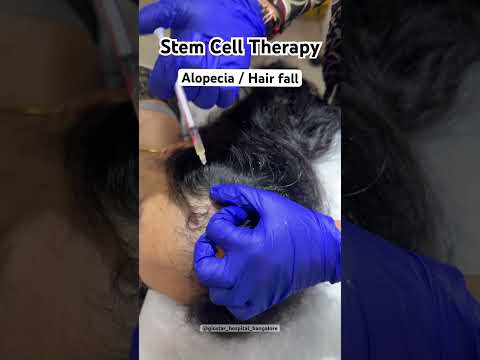
Yes, many clinics use exosomes to stimulate hair follicles and encourage new growth. It is generally combined with micro-needling to enhance absorption in the scalp.
How is exosome therapy different from PRP?
Unlike Platelet-Rich Plasma (PRP) which requires a blood draw, exosomes are derived from purified stem cell cultures and offer a much higher concentration of growth factors. This typically leads to a more standardized and potent regenerative response.
Will there be language barriers at Korean clinics?
Facilities catering to international patients usually have dedicated translation departments and English-speaking staff. This ensures that consultations and medical instructions are clearly communicated.
How many sessions are typically required?
While some patients see benefits after a single session, a typical protocol involves three to five sessions spaced a few weeks apart. Maintenance treatments may be recommended annually.
Ready to experience your own cellular reset? Connect with top-tier, internationally accredited clinics in South Korea through PlacidWay.
References
- National Institutes of Health (NIH). Exosomes in Skin Aging and Rejuvenation. https://pmc.ncbi.nlm.nih.gov/articles/PMC12952817/
- International Society of Aesthetic Plastic Surgery (ISAPS). Global Medical Tourism Trends in Aesthetic Procedures. https://www.isaps.org/discover/about-isaps/global-statistics/
- Wikipedia. Exosome (vesicle). https://en.wikipedia.org/wiki/Exosome_(vesicle)





.png)










Share this listing