
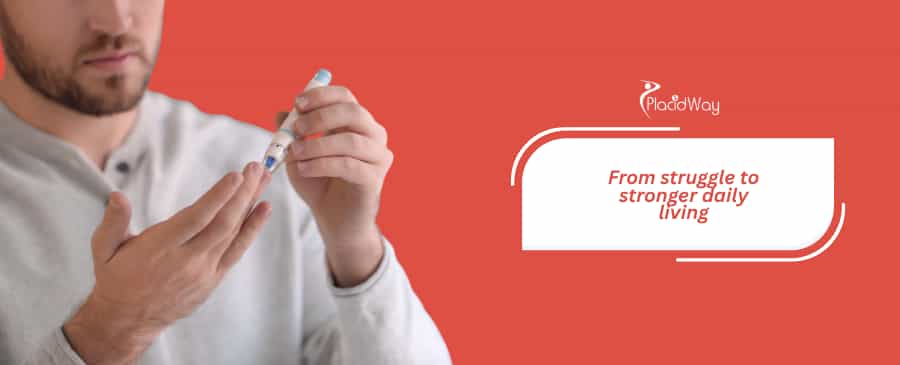
The global healthcare landscape is witnessing a significant shift, with an increasing number of Indonesian patients exploring innovative treatments abroad. Among these modern medical approaches, Stem Cell Therapy for Type 2 Diabetes in Kuala Lumpur has emerged as a highly sought-after option. This regenerative approach typically utilizes specialized cells to address underlying metabolic dysfunctions, offering a new avenue for patients who struggle to manage their condition with conventional oral medications and insulin therapy alone.
As metabolic disorders continue to rise globally, patients in Southeast Asia are actively seeking advanced, research-backed interventions. Kuala Lumpur has strategically positioned itself as a premier destination for this sophisticated care. By combining highly regulated medical environments with state-of-the-art laboratory infrastructure, the city provides an ideal setting for patients from Jakarta seeking rigorous, compassionate, and forward-thinking medical interventions.
- Mechanism of Action: Therapy typically aims to reduce systemic inflammation and support the regeneration of pancreatic beta cells.
- Treatment Protocol: Generally involves the intravenous administration of Mesenchymal Stem Cells (MSCs).
- Patient Profile: Most suitable for individuals whose condition is stable but requires enhanced management approaches.
- Complementary Care: Always functions as an adjunct to traditional lifestyle modifications and prescribed endocrinology care.
Stem cells possess unique immunomodulatory properties. This means they can potentially help regulate the immune system, which is a crucial factor in managing chronic inflammation associated with type 2 diabetes.
Why Jakarta Patients Choose Medical Tourism in Kuala Lumpur
The geographic and cultural proximity between Indonesia and Malaysia plays a pivotal role in the rising trend of medical tourism in Kuala Lumpur. For a patient residing in Jakarta, traveling to the Malaysian capital is often shorter and more convenient than domestic travel across the vast Indonesian archipelago. This logistical ease drastically reduces the physical stress associated with international medical travel, allowing patients to focus entirely on their treatment and recovery.
Beyond convenience, the primary driver is the exceptional standard of healthcare delivery. Malaysian healthcare providers operate under rigorous frameworks that ensure high clinical standards and patient safety. Indonesian patients consistently report feeling comfortable due to the shared language similarities, dietary familiarity, and the robust hospitality that defines the Malaysian medical tourism experience.
- Geographic Proximity: Direct flights between Jakarta and Kuala Lumpur typically take less than two hours.
- Cultural Affinity: Bahasa Indonesia and Bahasa Malaysia are mutually intelligible, significantly reducing communication barriers with medical staff.
- Regulated Ecosystem: Strong oversight by the Malaysian Ministry of Health ensures stringent clinical standards.
- Holistic Experience: Seamless integration of clinical care, patient support, and follow-up communication.
Malaysia receives over 1 million medical tourists annually, with Indonesian patients historically comprising the largest demographic seeking specialized healthcare services across the border.
The Science Behind Stem Cell Therapy for Type 2 Diabetes in Malaysia
To appreciate why patients travel for this care, it is essential to understand the biological mechanisms of stem cell treatment for diabetes. Type 2 diabetes is fundamentally characterized by insulin resistance and progressive pancreatic beta-cell dysfunction. Regenerative medicine utilizes the body's natural healing mechanisms, typically deploying multipotent cells that can migrate to damaged tissues and secrete therapeutic factors to promote cellular repair.
In reputable stem cell therapy clinics in Malaysia, the focus is heavily placed on precision and safety. Medical teams generally use ethically sourced Wharton’s Jelly-derived Mesenchymal Stem Cells due to their potent anti-inflammatory capabilities. While this science is highly advanced, it is important to understand that results vary significantly among individuals, and therapy serves to enhance overall metabolic function rather than providing an absolute cure.
- Paracrine Effect: Stem cells release cytokines and growth factors that naturally promote tissue healing.
- Beta Cell Support: The therapy generally aims to protect and potentially stimulate the remaining insulin-producing cells.
- Insulin Sensitivity: Many patients experience improvements in how their body utilizes natural insulin post-treatment.
- Vascular Health: Therapy may assist in improving endothelial function, mitigating long-term diabetic complications.
Stem cell therapy is not suitable for everyone. Strict contraindications exist for patients with active infections, a history of certain cancers, or advanced organ failure. A comprehensive clinical evaluation is mandatory prior to authorization of any regenerative protocol.
Cost of Stem Cell Therapy for Type 2 Diabetes in Kuala Lumpur vs Jakarta
Financial considerations are undeniably a critical factor for families exploring international healthcare. When evaluating the cost of stem cell therapy in Kuala Lumpur, patients often find that Malaysia offers highly competitive pricing structures. The economic advantage is not a result of compromised quality, but rather stems from favorable exchange rates, government-subsidized healthcare infrastructure, and transparent billing practices.
For patients based in Jakarta, acquiring similarly advanced regenerative therapies domestically can sometimes involve higher costs or limited access to specific cell expansion technologies. The table below illustrates a generalized comparison of anticipated expenses, highlighting why affordable stem cell therapy in Malaysia is so appealing to the Indonesian market. Please note these are estimated ranges and actual costs depend on personalized medical protocols.
| Procedure / Protocol Type | Average Cost in Kuala Lumpur (USD) | Estimated Cost in Jakarta (USD) |
|---|---|---|
| Standard MSC IV Infusion (Base Protocol) | $8,000 - $12,000 | $10,000 - $15,000+ |
| Comprehensive Advanced Protocol (High Cell Count) | $12,000 - $18,000 | $16,000 - $22,000+ |
| Post-Therapy Wellness & Biomarker Testing | $500 - $1,200 | $800 - $1,500 |
When comparing costs, always inquire about what is included in the package. Look for comprehensive pricing that covers pre-treatment blood work, the cellular product, physician fees, and initial post-treatment consultations.
Top Benefits of Affordable Stem Cell Therapy in Kuala Lumpur
Choosing to pursue affordable stem cell therapy in Malaysia presents an array of advantages that extend far beyond financial savings. Kuala Lumpur's healthcare institutions are globally recognized, frequently holding prestigious international accreditations such as the Joint Commission International (JCI). This recognition ensures that the laboratories handling regenerative cells operate under the strictest international guidelines for sterility and viability.
Additionally, the multidisciplinary approach adopted by Malaysian specialists is a significant benefit. Patients do not simply receive an infusion; they typically undergo a holistic evaluation involving endocrinologists, nutritionists, and regenerative specialists. This collaborative care model aims to optimize the patient’s overall metabolic environment, thereby giving the therapy the best possible conditions to be effective.
- International Standards: Use of ISO-certified laboratories for cell culturing and expansion.
- Expertise: Highly trained physicians who frequently participate in global regenerative medicine conferences.
- Comprehensive Care: A holistic focus encompassing dietary guidance and lifestyle intervention alongside cellular therapy.
- Value for Money: Access to world-class medical infrastructure at a fraction of Western healthcare costs.
What to Expect During Stem Cell Treatment for Diabetes in Malaysia
Understanding the clinical timeline helps alleviate anxiety for patients traveling internationally. When undertaking Stem Cell Therapy for Type 2 Diabetes in Kuala Lumpur, the process is generally structured to maximize patient safety and comfort. Upon arrival, the initial phase involves rigorous diagnostic testing, including comprehensive metabolic panels, cardiovascular assessments, and immunological screening.
Once medical clearance is granted, the actual administration is typically minimally invasive. The stem cells are prepared in highly controlled laboratory environments and are generally delivered via an intravenous (IV) drip over a period of hours. Patients are closely monitored throughout the procedure by nursing staff and specialists to ensure hemodynamic stability and comfort.
- Day 1-2 (Screening): Blood draws, physician consultations, and baseline metabolic evaluations.
- Day 3 (Preparation): Final protocol confirmation and pre-infusion hydration.
- Day 4 (Administration): The IV infusion of stem cells, typically lasting 2 to 4 hours in a comfortable clinical suite.
- Day 5-6 (Observation): Immediate post-treatment monitoring before the patient is cleared for travel back to Jakarta.
Stem cells possess an incredible homing mechanism. Once introduced into the bloodstream, they can typically detect chemical signals of inflammation and navigate directly to damaged tissues, such as an inflamed pancreas.
Patient Candidacy for Stem Cell Therapy for Type 2 Diabetes in Kuala Lumpur
It is vital to recognize that not every individual is an ideal candidate for regenerative procedures. Reputable stem cell therapy clinics in Malaysia enforce strict medical criteria to ensure that treatments are only administered to those who stand to potentially benefit safely. Candidacy is determined through a collaborative review of the patient's complete medical history, current HbA1c levels, and overall organ function.
Generally, ideal candidates are patients who have type 2 diabetes that is becoming difficult to manage despite strict adherence to oral medications and lifestyle changes. Patients must have a realistic expectation of outcomes, understanding that regenerative therapy is an adjunct treatment designed to improve the quality of life, not a magical overnight cure.
- Favorable Indicators: Stable cardiovascular health, recent onset of severe insulin resistance, and a commitment to post-treatment lifestyle changes.
- Exclusionary Factors: Active malignancy, chronic recurring infections, severe kidney failure, or end-stage diabetic complications.
- Psychological Readiness: A clear understanding that outcomes typically require time to manifest and vary from person to person.
- Compliance: Willingness to maintain strict follow-up protocols with local doctors in Jakarta.
Advancements in Stem Cell Therapy Clinics in Kuala Lumpur
The technological landscape of medical tourism in Kuala Lumpur is evolving rapidly, particularly within the regenerative sector. Modern clinics in the city are equipped with advanced cleanrooms and utilize automated cell counters and viability analyzers. These technological investments ensure that the cellular products administered maintain the highest possible viability and potency.
Furthermore, continuous research partnerships with international universities allow Malaysian specialists to stay at the forefront of clinical protocols. By integrating advanced cryopreservation techniques and precision delivery systems, these clinics provide patients with medical experiences that rival those found in North America or Europe, but within a much more accessible geographical range for Indonesian travelers.
- Advanced Culturing: Utilization of closed-system bioreactors to prevent contamination during cell expansion.
- Viability Testing: Strict quality control measures ensuring typically over 90% cell viability prior to infusion.
- Biomarker Tracking: Advanced post-treatment testing to measure reductions in systemic inflammatory markers.
- Specialized Protocols: Customized dosages based on a patient's exact body weight and metabolic deficit severity.
The International Society for Stem Cell Research (ISSCR) guidelines emphasize the necessity of rigorous lab processing. Malaysian clinics catering to international patients stringently adhere to these high global standards to maintain cellular purity.
Recovery and Aftercare for Stem Cell Therapy in Malaysia
The recovery phase following stem cell treatment for diabetes is generally quite smooth, which is highly advantageous for patients needing to fly back to Jakarta. Because the procedure is usually non-surgical, most patients experience only minimal downtime. It is typical for patients to feel a mild sense of fatigue for a few days as the body focuses energy on the internal cellular processes.
Long-term aftercare is where the true commitment lies. Successful regenerative outcomes depend heavily on the patient’s adherence to a healthy lifestyle post-infusion. Malaysian clinics prioritize setting up digital follow-up consultations to track progress, ensuring the patient remains supported even after they have crossed the border back home.
- Immediate Recovery: Rest and adequate hydration are strongly recommended for the first 48 hours.
- Dietary Adherence: Continuing a low-glycemic, anti-inflammatory diet to support the newly introduced cells.
- Medication Management: Never altering prescribed diabetes medications unless explicitly directed by a primary endocrinologist.
- Ongoing Monitoring: Routine HbA1c and fasting blood glucose tests at months 1, 3, and 6 post-treatment.
Ensure you bring a comprehensive summary of your medical history from your doctor in Jakarta. Having detailed records of your past blood work and medication history allows the specialists in Malaysia to tailor your aftercare perfectly.
Safety and Regulations for Stem Cell Clinics in Kuala Lumpur
Safety is the paramount concern for any patient venturing abroad for healthcare. The framework governing stem cell therapy clinics in Malaysia is robust and highly regulated by the Malaysian Ministry of Health (MOH). This governmental oversight ensures that facilities cannot operate independently without adhering to strict ethical guidelines and clinical protocols regarding the sourcing and application of regenerative tissues.
For patients from Jakarta, this regulatory environment provides immense peace of mind. Knowing that the facility is subject to routine inspections and that the physicians hold recognized medical board certifications helps alleviate the fears typically associated with advanced, non-traditional medical treatments. Transparency in patient education and informed consent are strictly enforced.
- MOH Guidelines: Facilities must comply with national guidelines on Good Tissue Practice (GTP).
- Ethical Sourcing: Cells are typically derived from rigorously screened, healthy donors in certified environments.
- Infection Control: Sterilization protocols mirror those of major surgical hospitals to prevent nosocomial infections.
- Informed Consent: Clinics mandate comprehensive educational sessions ensuring patients understand the risks, benefits, and variable nature of results.
The Malaysian Healthcare Travel Council (MHTC) acts as an independent regulatory body that champions the safety and transparency of international patient care, making Malaysia a highly trustworthy destination.
Real Patient Experiences with Stem Cell Therapy for Type 2 Diabetes in Malaysia
Personal narratives often provide the most profound insight into the reality of medical travel. Many Indonesian patients who have sought affordable stem cell therapy in Malaysia return home with stories of compassionate care and renewed vitality. While clinical results vary, the overarching sentiment highlights the professionalism and high standards of the Malaysian medical teams.
These generalized accounts reflect the typical journeys of patients from Jakarta who decided to cross the Strait of Malacca to invest in their metabolic health. Their experiences underscore the importance of realistic expectations, comprehensive medical support, and the sheer value of empathetic, patient-centric healthcare delivery.
Budi's Journey from Jakarta
After struggling with fluctuating sugar levels for a decade, Budi traveled for stem cell treatment. He generally noted a gradual improvement in his energy levels and reported feeling more stable in managing his dietary routine alongside his prescribed medications.
Siti's Experience with Malaysian Care
Siti appreciated the seamless communication. The medical team in Kuala Lumpur spoke a familiar language, which eased her anxiety. She experienced a smooth IV infusion process with no adverse effects and felt completely supported during her recovery.
Arif's Focus on Long-Term Health
Understanding that there are no immediate miracles, Arif used the regenerative therapy as a catalyst to reset his health. Three months post-therapy, working closely with his local doctor in Jakarta, he typically observed encouraging trends in his routine biomarker lab tests.
Lina's Seamless Medical Travel
Lina was impressed by the holistic approach. Beyond the cells, the clinic provided her with profound nutritional counseling. She generally felt that the comprehensive care protocol was well worth the short flight from Jakarta.
Traveling from Jakarta for Stem Cell Therapy in Kuala Lumpur
Planning the logistics of an international medical trip requires meticulous attention to detail, even for a destination as close as Malaysia. Engaging in medical tourism in Kuala Lumpur is highly efficient, but patients must ensure all documentation, medical records, and travel itineraries are prepared well in advance to avoid unnecessary stress.
Because the treatment requires only a short clinical stay, patients can usually return to Jakarta within a week. It is generally recommended to travel with a companion for emotional support and assistance with luggage, ensuring the patient focuses purely on rest immediately following the medical procedures.
- Flight Logistics: Numerous daily direct flights operate from Soekarno-Hatta (CGK) to Kuala Lumpur International (KUL).
- Medical Documents: Always hand-carry translated copies of your latest HbA1c, liver, and kidney function panels.
- Local Transport: Clinics often assist in organizing medically trained transport from the airport to the facility.
- Comfortable Attire: Pack loose, comfortable clothing for the clinic visits to allow easy access for IV lines.
How PlacidWay Assists Your Stem Cell Therapy Medical Tourism Journey in Kuala Lumpur
Navigating the complexities of cross-border healthcare can be challenging, particularly when dealing with specialized regenerative treatments. Connecting with reputable and rigorously vetted healthcare facilities is crucial to ensuring a safe and transparent medical journey. Expert facilitation helps bridge the gap between patient needs and international medical capabilities.
PlacidWay serves as a dedicated facilitator designed to empower patients with comprehensive, trustworthy medical information. By focusing on value-based healthcare connections, PlacidWay ensures that patients from Jakarta are matched with esteemed clinical centers that align with their specific medical profiles.
- Connecting patients with internationally accredited, top-tier medical facilities.
- Providing detailed, transparent profiles of clinic specialties and medical staff credentials.
- Facilitating direct initial communication between the patient and international medical specialists.
- Offering objective insights to assist patients in comparing treatment protocols and estimated expenditures.
- Delivering valuable educational resources regarding international medical procedures and clinic standards.
Frequently Asked Questions About Stem Cell Therapy for Type 2 Diabetes in Kuala Lumpur
Making an informed decision about international healthcare requires asking the right questions. We have compiled the most common inquiries from Indonesian patients considering Stem Cell Therapy for Type 2 Diabetes in Kuala Lumpur.
These responses are designed to provide clear, general insights into the practical and clinical realities of regenerative medical travel. Always consult directly with a qualified medical professional for personalized advice regarding your specific condition.
Why are Indonesian patients choosing Kuala Lumpur for stem cell therapy?
Many patients from Jakarta travel due to the high standard of medical facilities, strict healthcare regulations, and geographic proximity. Additionally, medical tourism in Kuala Lumpur typically offers cost-effective treatment options without compromising quality.
Is stem cell therapy for type 2 diabetes guaranteed to cure the condition?
No medical procedure can guarantee a complete cure. Stem cell therapy generally aims to manage symptoms, potentially improve insulin sensitivity, and promote beta-cell regeneration, but individual results will vary based on health status.
What type of stem cells are generally used for diabetes treatment in Malaysia?
Most stem cell therapy clinics in Malaysia utilize Mesenchymal Stem Cells (MSCs) derived from ethically sourced umbilical cord tissue or the patient's own adipose (fat) tissue. These cells are preferred for their immunomodulatory properties.
How long do I need to stay in Kuala Lumpur for the treatment?
Patients typically stay in Kuala Lumpur for about five to ten days. This timeframe generally allows for initial consultations, medical evaluations, the administration of the stem cells, and early post-treatment monitoring.
Do I need a special visa to travel from Jakarta to Kuala Lumpur for medical care?
Indonesian citizens generally do not need a visa for short visits to Malaysia up to 30 days. However, patients should always check current immigration requirements and carry their medical appointment letters for smooth border entry.
Is stem cell treatment for diabetes painful?
The procedure is generally minimally invasive and most patients experience only mild discomfort. Stem cells are typically administered intravenously or through localized injections, using local anesthesia if harvesting is required.
What are the common side effects of stem cell therapy?
While considered generally safe, some patients may experience mild fatigue, low-grade fever, or localized soreness at the injection site. Serious adverse effects are rare but emphasize the need for strict medical screening before treatment.
How is follow-up care managed after returning to Jakarta?
Reputable clinics typically offer telemedicine consultations to monitor your progress after you return home. Patients are also usually advised to continue routine check-ups with their local endocrinologist in Jakarta.
Can I stop taking my diabetes medication after the procedure?
You must never stop or adjust your prescribed diabetes medication without direct instructions from your healthcare provider. Any potential reduction in medication generally happens gradually under strict medical supervision.
How much does stem cell therapy cost in Kuala Lumpur?
The affordable stem cell therapy in Malaysia generally ranges between $8,000 and $15,000 depending on the specific protocol and cell count. This is often significantly more cost-effective compared to similar advanced treatments in other regions.
Ready to explore your options for Stem Cell Therapy for Type 2 Diabetes in Kuala Lumpur? Let PlacidWay guide you toward reputable clinics and comprehensive medical profiles to support your journey to better health.
Medical Disclaimer: This article is for informational purposes only and is not medical advice. Always consult a qualified healthcare provider before any medical decisions. Results may vary. Read Full Disclaimer here.
References
- National Institutes of Health (NIH) - NCBI. Mesenchymal Stem Cells in the Treatment of Type 2 Diabetes Mellitus. https://pmc.ncbi.nlm.nih.gov/articles/PMC5433043/
- World Health Organization (WHO). Diabetes Key Facts and Regional Data. https://www.who.int/news-room/fact-sheets/detail/diabetes
- ClinicalTrials.gov. Ongoing Studies of Stem Cell Interventions for Type 2 Diabetes. https://clinicaltrials.gov/ct2/results?cond=Type+2+Diabetes&term=Stem+Cell

.png)




.png)
.png)
.png)
.png)

-(2).png)
.jpg)
-(7).png)
.png)








Share this listing