


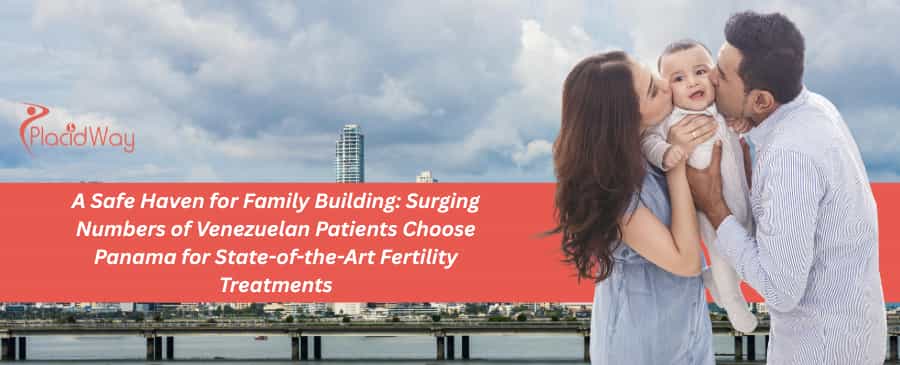
Over the past decade, family building has become an increasingly complex journey for many couples in Venezuela due to limited access to consistent, advanced reproductive care. As a result, individuals are seeking reliable alternatives abroad where high standards of medicine are maintained and resources are readily available. Panama has naturally emerged as a prime destination, offering economic stability, world-class healthcare facilities, and highly trained reproductive specialists. For these hopeful parents, cross-border medical care represents a beacon of hope and a practical path forward to achieving their dreams of parenthood.
The decision to pursue reproductive assistance in a neighboring country is rarely taken lightly, often involving extensive research, financial planning, and emotional preparation. However, the geographic proximity and shared language make this Central American hub an incredibly appealing choice for those facing infertility challenges. Patients find comfort in modern fertility clinics in Panama that adhere strictly to international protocols while maintaining compassionate, culturally familiar care environments. By choosing this destination, they gain access to specialized interventions that might otherwise be unavailable or prohibitively difficult to secure in their home country.
In recent years, reproductive medicine facilities in Central America have seen an estimated 30% increase in consultations from South American patients, primarily driven by individuals seeking stable, uninterrupted healthcare infrastructure.
- Geographic proximity allows for relatively short and direct flights.
- Shared language eliminates stressful translation barriers during complex medical discussions.
- Access to uninterrupted supply chains for essential fertility medications.
- Highly regulated clinical environments ensuring patient safety and care quality.
Understanding State-of-the-Art IVF and Infertility Care in Panama
Modern reproductive medicine relies heavily on sophisticated laboratory environments and precise clinical protocols to give patients the best possible chance of success. The medical infrastructure catering to medical tourism in Panama has seen massive investments, resulting in facilities that rival top-tier institutions in North America and Europe. These centers are equipped with advanced embryology labs, high-resolution ultrasound machines, and clean-room technologies designed to optimize embryo development. For patients traveling internationally, knowing that the technological standards meet global benchmarks provides immense peace of mind.
The specialists leading these institutions are typically board-certified physicians who have completed extensive fellowships in reproductive endocrinology and infertility, often training internationally before returning to practice. They understand that every infertility diagnosis is unique and requires a customized therapeutic approach rather than a one-size-fits-all methodology. By integrating the latest scientific advancements with a deeply personalized patient care model, these experts create comprehensive treatment plans. This dedication to excellence is a primary reason why fertility treatments in Panama are highly regarded globally.
Many top embryology laboratories now use time-lapse incubation systems. This technology allows embryologists to monitor cell division continuously without removing the embryos from their optimal environment, potentially improving selection for transfer.
Top Procedures Available for Medical Tourism in Panama
Patients traveling for reproductive healthcare require access to a full spectrum of diagnostic and therapeutic interventions to address varying types of infertility. The leading centers provide an extensive array of services, ensuring that whether a patient requires basic assistance or highly complex micromanipulation, the necessary tools are available. Standard procedures such as In Vitro Fertilization (IVF) and Intrauterine Insemination (IUI) are routinely performed with high degrees of precision. The availability of these comprehensive services ensures that patients do not have to travel to multiple locations to complete their family-building journey.
Beyond traditional IVF, these advanced clinics offer specialized techniques designed to overcome severe male factor infertility, recurrent pregnancy loss, and age-related fertility decline. The integration of genetic screening technologies has also transformed the landscape of modern fertility care, allowing doctors to identify chromosomally normal embryos before transfer. This broad spectrum of care is what makes finding the right reproductive health specialists in Panama such a pivotal step for international patients. A multidisciplinary approach ensures that all aspects of reproductive health are addressed under one roof.
- In Vitro Fertilization (IVF): The foundational procedure for complex infertility cases.
- Intracytoplasmic Sperm Injection (ICSI): Typically utilized to overcome severe male infertility.
- Preimplantation Genetic Testing (PGT): Screening embryos for chromosomal abnormalities prior to transfer.
- Oocyte Cryopreservation: Egg freezing for fertility preservation and future family planning.
- Frozen Embryo Transfer (FET): Utilizing previously vitrified embryos for a subsequent cycle.
Analyzing Affordable Fertility Treatment Cost in Panama vs. Venezuela
One of the most critical factors influencing the decision to travel for medical care is the overall financial investment required to complete a treatment cycle. The IVF cost in Panama represents a significant advantage for international patients, as it often provides a highly favorable balance of affordability without compromising on medical excellence. In Venezuela, calculating exact costs is often difficult due to economic fluctuations, limited availability of specialized medications, and the high premium placed on imported medical supplies. By looking abroad, couples can often find transparent, bundled pricing structures that allow for accurate financial planning.
When comparing international healthcare options, it is essential to look at the holistic cost, including medications, facility fees, and the cost of living during the stay. While treatments in North America can easily exceed twenty thousand dollars, Central American facilities typically offer the same advanced protocols at a fraction of that price. This financial accessibility makes an affordable fertility treatment in Panama a realistic option for families who might otherwise be priced out of the fertility care market. Patients are advised to request detailed quotes to understand exactly what is included in their care packages.
| Procedure Name | Average Cost in Panama | Estimated Cost (USA/LatAm Avg) |
|---|---|---|
| Standard IVF Cycle | $5,500 - $8,000 | $12,000 - $20,000 |
| IVF with ICSI | $6,500 - $9,000 | $14,000 - $22,000 |
| Egg Freezing (Vitrification) | $3,500 - $5,000 | $8,000 - $15,000 |
| Frozen Embryo Transfer (FET) | $1,500 - $2,500 | $3,000 - $6,000 |
How Advanced Medical Technology Supports Fertility Centers in Panama
The success of any reproductive intervention is deeply intertwined with the quality of the technology utilized within the laboratory setting. Reproductive medicine relies on microscopic precision, requiring advanced air filtration systems to remove volatile organic compounds that can harm delicate embryos. Clinics hosting international patients invest heavily in cutting-edge equipment, such as highly sophisticated micromanipulators for ICSI and laser systems for assisted hatching. These technological investments are vital for maximizing the viability of gametes and embryos during the crucial days they spend outside the human body.
Furthermore, modern data management and cryopreservation technologies have dramatically changed patient outcomes over the last decade. The shift from slow-freezing to rapid vitrification has significantly improved the survival rates of both eggs and embryos, fundamentally altering how specialists approach embryo transfers. For a patient seeking an overseas IVF cycle, knowing that their chosen facility employs state-of-the-art cryo-storage systems ensures that their future family-building potential is protected. This seamless integration of clinical expertise and high-end biotechnology drives the growing appeal of this destination.
The introduction of vitrification—a flash-freezing technique—has resulted in oocyte (egg) survival rates typically exceeding 90%, revolutionizing fertility preservation options for women worldwide.
The Patient Evaluation and Diagnosis Process for Fertility Care
Before any treatment protocol is initiated, a thorough and meticulous diagnostic evaluation must be conducted to uncover the specific root causes of infertility. Medical tourists are typically asked to share their previous medical records, blood tests, and imaging results prior to their arrival, allowing physicians to formulate an initial assessment. Once in the country, patients undergo a comprehensive physical examination, advanced ultrasound imaging, and specialized endocrine testing to establish an accurate baseline. This rigorous investigative process is essential to avoid unnecessary procedures and tailor the treatment for optimal outcomes.
A precise diagnosis dictates the entire trajectory of the patient’s journey, influencing medication dosages, procedural timelines, and realistic expectation management. Both partners are generally evaluated, as male factor infertility contributes to nearly half of all conception difficulties encountered by couples. A collaborative discussion between the medical team and the patients ensures that all findings are clearly understood and that the proposed therapeutic path aligns with the couple's goals. This transparency is a hallmark of reputable infertility specialists in Central America.
A Journey of Discovery and Hope
"We had been struggling for three years with unexplained infertility. The thorough diagnostic process we experienced abroad uncovered a minor thyroid issue and a specific anatomical factor that had previously been missed. Having a clear diagnosis finally gave us a realistic plan of action." — Isabella and Carlos, 34
Preparing for Your Reproductive Health Journey to Panama City
Logistical and emotional preparation are equally important components of a successful medical tourism experience, particularly when navigating the sensitivities of reproductive care. Patients must coordinate their travel timelines meticulously to align with their menstrual cycles, as the stimulation phase of IVF requires strict adherence to medication schedules. It is highly recommended to establish a communication protocol with the chosen clinic well in advance, ensuring that initial prescriptions and pre-treatment supplements can be started before departing Venezuela. Careful planning helps mitigate the stress often associated with international travel.
Beyond medical scheduling, couples should prepare themselves for an extended stay away from home, typically ranging from two to three weeks for a complete IVF cycle. Selecting comfortable lodging near the medical facility can drastically reduce travel fatigue and provide a peaceful sanctuary for rest following procedures like egg retrieval and embryo transfer. Establishing a support system, whether through traveling with a partner or connecting with online communities of fellow medical tourists, is invaluable. Proper preparation lays the groundwork for a smooth, focused, and positive fertility tourism experience.
Always carry your essential fertility medications and important medical documents in your carry-on luggage. Checked baggage delays can occur, and missing a single dose of stimulation hormones can compromise an entire treatment cycle.
Navigating Legal and Ethical Frameworks for Fertility Clinics in Panama
When seeking reproductive care internationally, understanding the regulatory landscape of the destination country is an essential part of the patient’s due diligence. The ethical standards governing safe fertility procedures in this region generally align with international guidelines established by major reproductive medicine societies. These frameworks ensure that laboratories maintain strict protocols regarding patient identification, gamete handling, and the secure storage of cryopreserved biological material. This legal structure protects patients and guarantees that their future family-building efforts are handled with the utmost integrity.
It is important for patients to discuss clinic-specific policies regarding embryo storage limits, the handling of surplus embryos, and genetic testing regulations. Transparency in these matters is a strong indicator of a facility's trustworthiness and dedication to ethical medical practices. Medical tourists from Venezuela often find that the clear, documented consent processes provide them with a profound sense of security. Knowing that legal protections are firmly in place allows patients to focus their energy entirely on their physical and emotional well-being during treatment.
Medical tourism destinations that cater to North and South American patients generally adhere to the rigorous laboratory quality control guidelines similar to those recommended by the American Society for Reproductive Medicine (ASRM).
Common Risks and Considerations for Assisted Reproductive Technology
While modern reproductive medicine is highly advanced, it is imperative to acknowledge that assisted reproductive technologies carry inherent biological and medical risks. Ovarian stimulation involves powerful hormonal medications that can, in some cases, lead to Ovarian Hyperstimulation Syndrome (OHSS), a condition requiring careful medical management. Additionally, the procedures involved, such as the transvaginal egg retrieval, carry small but present risks of bleeding, infection, or pelvic discomfort. Transparently discussing these realities with a physician allows patients to make fully informed decisions about their bodies.
Furthermore, emotional fatigue is a widely recognized side effect of infertility treatments, exacerbated by the stressors of traveling and managing expectations. It is vital to understand that success is never guaranteed; implantation failure or early pregnancy loss remains a possibility despite ideal laboratory conditions. Certain strict contraindications, such as severe uterine anomalies or specific uncontrolled systemic illnesses, may preclude a patient from safely undergoing IVF. Reputable doctors prioritizing patient safety in medical tourism will always conduct a rigorous health screening to minimize these risks.
Patients with a history of severe cardiovascular disease, active estrogen-dependent tumors, or uncontrolled bleeding disorders are generally contraindicated for traditional IVF stimulation protocols. Always provide complete medical history to your specialist to ensure your safety during treatment.
Exploring Success Rates and Emotional Support for Venezuelan Couples
Understanding statistical success rates is a common priority for couples investing significant time and finances into their reproductive journeys. Clinical outcomes are highly dependent on multiple factors, primarily the female patient's age at the time of egg retrieval and the underlying diagnosis. Top-tier clinics generally exhibit success metrics that are highly competitive on a global scale, particularly when utilizing donor eggs or advanced genetic screening techniques. However, trustworthy specialists will provide individualized probability assessments rather than relying on generalized clinic-wide marketing statistics.
Beyond the numbers, the emotional support provided by the clinical team plays a monumental role in the overall patient experience. Navigating the complex emotions of hope, anxiety, and vulnerability requires a compassionate approach from every staff member, from nurses to embryologists. Many Venezuelan couples report that the empathetic, culturally warm environment they encountered abroad significantly eased their psychological burden. Access to dedicated counseling services before, during, and after an IVF treatment cycle is increasingly becoming a standard of comprehensive care.
For women under the age of 35 utilizing their own eggs, modern IVF cycles combined with preimplantation genetic testing (PGT-A) generally show cumulative clinical pregnancy rates approaching 60-65% per euploid embryo transfer.
Feeling Supported Every Step
"We were terrified of the statistics because of my age, but our doctor gave us realistic expectations without taking away our hope. The emotional warmth of the nursing staff made us feel like family, not just medical tourists. That peace of mind was priceless." — Mariana and Luis, 39
Language, Culture, and the Patient Experience During Treatment
One of the most profound advantages for Venezuelan patients traveling to this destination is the complete absence of a language barrier. Clear, nuanced communication is paramount in medicine, especially when explaining complex medication instructions, hormonal side effects, and embryo development reports. Being able to speak directly to the physician in native Spanish removes a massive layer of anxiety that often accompanies international healthcare. This linguistic alignment ensures that informed consent is truly understood and that patients feel confident advocating for their own needs.
Culturally, the shared Latin American heritage fosters a deeply comforting and hospitable clinical environment. Patients often describe the bedside manner of the medical professionals as warm, deeply empathetic, and family-oriented—traits that are highly valued during emotionally taxing times. This cultural synchrony extends beyond the clinic doors, making everyday activities like dining, navigating the city, and interacting with locals feel familiar and secure. A stress-free, welcoming atmosphere is a critical component of a positive medical travel experience for fertility patients.
Research suggests that psychological stress can negatively impact reproductive health. The cultural familiarity and language harmony found in neighboring Latin American countries can measurably lower patient anxiety levels, creating a better environment for treatment.
The Power of Clear Communication
"I had previously consulted with a clinic in Europe, but the translation process left me confused and anxious about the medication protocols. Traveling within Latin America meant I understood every single detail of my chart. It gave me complete control over my body." — Sofia R., 32
Post-Treatment Care and Traveling Back After Embryo Transfer
The days immediately following an embryo transfer are a crucial period requiring specialized post-treatment protocols and a focus on physical relaxation. Most physicians advise patients to rest locally for a short duration—typically 24 to 48 hours—before boarding a flight back to Venezuela. During this time, patients continue strict regimens of progesterone and estrogen supplementation, which are vital for supporting early implantation and sustaining a potential pregnancy. Clinics will provide a detailed, long-term medication schedule to ensure there are no gaps in care during the transition home.
Continuity of care is a primary focus for top-tier international medical facilities handling reproductive medicine abroad. Before departure, a comprehensive follow-up plan is established, often involving collaboration with a local obstetrician or gynecologist back in the patient's home country. Telemedicine has bridged the geographical gap, allowing primary fertility specialists to monitor blood test results—such as the crucial Beta hCG pregnancy test—remotely. This structured, seamless handover ensures that patients feel continuously supported throughout the agonizing wait for their results.
When flying home after an embryo transfer, stay highly hydrated and walk down the airplane aisle periodically. While flying does not negatively affect implantation, prolonged sitting can increase the risk of blood clots, especially when taking hormonal medications.
Seamless Follow-Up Care
"I was nervous about what would happen once I flew back home. But my doctor abroad arranged a video call for the day of my pregnancy test and coordinated perfectly with my local gynecologist. I never felt abandoned after the treatment ended." — Valeria M., 36
How PlacidWay Assists Your Fertility Treatment Medical Tourism Journey in Panama
Embarking on a cross-border medical journey for reproductive care involves coordinating numerous critical details. Partnering with a dedicated medical tourism facilitation platform can alleviate the logistical burdens, allowing patients to focus entirely on their physical and emotional well-being. By utilizing structured assistance, hopeful parents can navigate the complexities of international healthcare with clarity and confidence.
PlacidWay provides comprehensive guidance designed to empower patients throughout their entire healthcare exploration. Our goal is to connect individuals with trusted, internationally recognized medical resources tailored to their specific family-building needs. We support your journey through the following value-based services:
- Providing detailed profiles of accredited medical facilities and board-certified reproductive specialists.
- Facilitating direct, transparent communication between patients and international medical teams.
- Assisting in the acquisition of customized, comprehensive cost estimates and treatment outlines.
- Offering access to verified patient reviews and educational resources regarding medical procedures.
- Helping coordinate the safe and secure transfer of pre-treatment medical records and diagnostic imaging.
Frequently Asked Questions About Panama Fertility Treatments
Deciding to pursue reproductive healthcare across international borders naturally brings up a multitude of logistical, medical, and financial questions. Patients need clear, concise information to effectively plan their time away from work, manage their budgets, and understand the medical processes involved. Transparency in addressing these common concerns is essential for building trust and ensuring a stress-free patient experience.
Below is a curated list of the most frequent inquiries from individuals researching this specific pathway to parenthood. These answers are designed to provide foundational knowledge, though personal medical advice should always be obtained directly from a qualified healthcare provider.
Why are Venezuelan patients traveling for fertility care?
Many patients travel because they seek access to advanced reproductive technologies, stable medical infrastructure, and specialized care that may currently be difficult to access in their home country.
Is it safe to undergo fertility treatments in Panama?
Yes, it is generally considered very safe. Medical facilities in this destination typically follow strict international healthcare protocols and utilize state-of-the-art laboratory standards.
How much does IVF cost in Panama?
The cost of IVF generally ranges from $5,500 to $8,000 per cycle. This is typically much more affordable compared to North American averages, making it an attractive option for medical tourists.
How long do I need to stay in Panama for an IVF cycle?
Most patients typically need to stay for about 14 to 21 days. This allows time for ovarian stimulation, egg retrieval, embryo transfer, and the initial rest period before flying home.
What is the difference between IVF and ICSI?
IVF involves mixing eggs and sperm in a lab dish for natural fertilization. ICSI is a specialized form of IVF where a single sperm is injected directly into an egg, typically used for severe male infertility.
Can I freeze my eggs in Panama?
Yes, egg freezing is a very common procedure offered. Clinics use advanced vitrification (flash-freezing) techniques that generally provide excellent survival rates for oocytes.
What happens if my first embryo transfer is unsuccessful?
If you have frozen embryos from your initial cycle, you can return for a Frozen Embryo Transfer (FET). This process is typically less physically demanding and significantly more affordable than a full cycle.
Are there language barriers for Venezuelan patients?
No, there is virtually no language barrier. The primary language spoken is Spanish, allowing for clear, direct, and comfortable communication between patients and medical staff.
Do I need a special medical visa to travel from Venezuela?
Visa requirements depend on current international immigration policies. Most patients apply for standard tourist visas, but it is always recommended to verify current consular requirements well in advance.
How soon can I fly after an embryo transfer?
Physicians generally recommend resting for 24 to 48 hours post-transfer before taking a flight. The cabin pressure and travel do not typically affect implantation, but resting helps reduce physical stress.
Ready to take the next step in your family-building journey? Let PlacidWay connect you with world-class fertility care today.
Medical Disclaimer: This article is for informational purposes only and is not medical advice. Always consult a qualified healthcare provider before any medical decisions. Results may vary. Read Full Disclaimer here.
References
- World Health Organization (WHO). Infertility Fact Sheet. https://www.who.int/news-room/fact-sheets/detail/infertility
- Mayo Clinic. In vitro fertilization (IVF) - Risks and What to Expect. https://www.mayoclinic.org/tests-procedures/in-vitro-fertilization/about/pac-20384716
- American College of Obstetricians and Gynecologists (ACOG). Evaluating Infertility. https://www.acog.org/womens-health/faqs/evaluating-infertility





.png)

.png)
.png)



.jpg)











Share this listing