
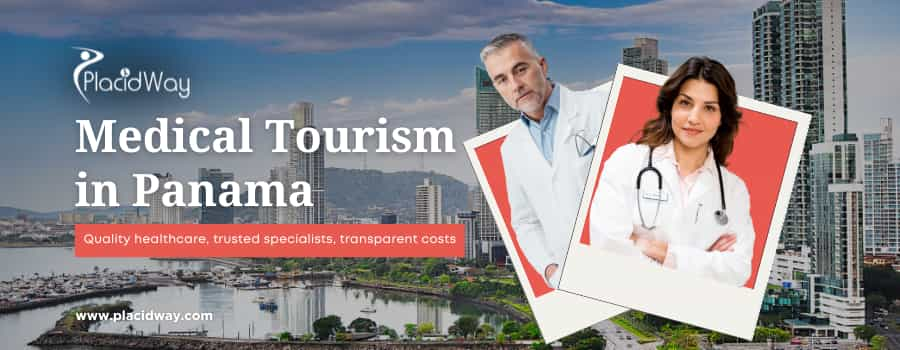
Evaluating Medical Tourism in Panama: How to Choose Clinics and Procedures
A manager from Toronto compares timelines for full-mouth dental implants in Panama City, seeking a way to avoid a two-year waiting and saving process at home. He carefully reviews clinic communication protocols, translating device warranties, and checking bilingual staff availability before making a deposit.
A teacher in Texas evaluates bariatric surgery across the border, weighing the initial appeal of a tropical recovery against the realities of a long flight home post-operation. She focuses heavily on ensuring her local primary care physician is willing to monitor her nutritional blood panels after she returns.
A family in London researches stem cell therapy for a severe orthopedic joint condition, looking past glossy marketing brochures to verify credentials with Panama's Ministry of Health (MINSA). They map out wheelchair accessibility from the international airport to their hotel and the chosen clinic.
All three people are dealing with medical tourism in Panama, but their actual journeys, decisions, and experiences differ significantly.
How do I evaluate if traveling to Panama for treatment is the right clinical, financial, and logistical decision for my specific situation?
Understanding Your Motivation for Seeking Care Abroad
Maybe you are facing a high out-of-pocket cost for orthopedic surgery at home, and your budget simply cannot accommodate the local quotes. The financial strain has forced you to look beyond your immediate geography.
Perhaps you have been told the waiting list for dental implants is months long. The daily discomfort is affecting your ability to eat and speak, making a faster timeline highly appealing.
Maybe you are researching stem cell therapy because standard treatments have plateaued. You are seeking regulated, advanced alternatives abroad that offer a different clinical approach.
Perhaps a friend recently returned from cosmetic surgery in Panama, and their positive outcome sparked a sense of possibility. You are now wondering if you could achieve similar aesthetic results within your own budget.
Maybe you feel overwhelmed by the fragmented care in your local health system. The idea of a dedicated, private medical team coordinating your procedure and recovery sounds like a massive relief.
Which sounds most like you?
"I need a solution that fits my budget without compromising on the medical technology used."
This reader is likely prioritizing total cost versus long-term value. They need extreme transparency regarding the materials used in procedures like dental implants or orthopedic joint replacements to ensure durability.
"I want to explore advanced treatments that are highly restricted in my home country."
This reader is evaluating capability versus verification. When seeking treatments like stem cell therapy, their priority must be distinguishing between officially sanctioned protocols and unverified experimental claims.
"I have the funds, but I want a private, comfortable recovery environment away from daily stressors."
This person prioritizes convenience and aesthetic environment over local accessibility. They view cosmetic or bariatric surgery as a combined medical and wellness retreat, requiring high-end logistical support.
"I cannot afford to take six weeks off work for multiple local appointments."
This reader values speed over proximity. They are weighing the upfront time investment of international travel against the slow pace of domestic scheduling and multiple staggered clinic visits.
This is why choosing medical tourism in Panama should begin with your situation, not a generic ranking, slogan, or price comparison.
One Destination. Several Different Real-World Paths.
Medical tourism in Panama is not a single, uniform industry. Official guidance notes that healthcare infrastructure in Panama City differs significantly from rural or coastal regions.
Capability, quality, timing, and support can differ substantially between providers, locations, or medical models. A clinic catering exclusively to international cosmetic surgery patients operates under a completely different logistical model than a specialized stem cell research facility.
Current international travel health guidance suggests that post-operative flight risks vary dramatically based on the specific procedure performed. A short flight after dental work carries entirely different risks than a long flight following major orthopedic surgery.
This is a planning consideration, not a guarantee. Identifying the right pathway requires understanding how specific clinics manage their unique patient demographics.
Here is what those differences can feel like in real life.
Cosmetic Surgery: When Aesthetic Goals Meet Travel Constraints
A prospective patient reviews a surgical itinerary outlining a tummy tuck and liposuction in a luxury recovery house. The itinerary highlights private nursing, tropical views, and a dedicated chef preparing anti-inflammatory meals.
This option attracts readers seeking a high level of personalized service during their most vulnerable recovery days. It provides an expectation of comfort and absolute privacy that local outpatient centers rarely offer.
However, the less obvious reality involves the physical toll of recovering far from home. Prolonged sitting on a return flight increases the risk of deep vein thrombosis (DVT) after major abdominal cosmetic surgery, requiring careful medical clearance.
Before you decide, ask:
- Who is legally responsible if a complication arises exactly 24 hours before my scheduled flight home?
- What exact medical emergency equipment is physically available inside the luxury recovery house?
- Does the operating surgeon have admitting privileges at a major hospital, or only at their private clinic?
- Who handles the translation of my operative notes back into English for my local physician?
- How many follow-up visits are strictly required before I am formally medically cleared to fly?
Attractive amenities can make the experience easier. It cannot replace clinical accountability.
Bariatric Surgery: When Immediate Action Requires Long-Term Maintenance
A patient books a gastric sleeve package that includes airport transfers, a bilingual coordinator, and three nights in a modern Panamanian clinic. The streamlined, all-inclusive process feels deeply reassuring after facing years of local bureaucratic hurdles.
This path solves the problem of domestic administrative delays and high insurance deductibles. It attracts those who are highly motivated and ready to make an immediate, profound life change.
Yet, bariatric surgery is a lifelong metabolic change, not a one-time vacation event. The operational challenge becomes managing nutritional deficiencies and accessing psychological support once the patient returns to their home country.
Before you decide, ask:
- Will my local primary care doctor agree to order and interpret my post-bariatric blood panels?
- What happens if I experience severe nausea or dehydration while waiting for my international flight?
- Is there a formal, documented virtual handover process between the Panamanian surgeon and my home medical team?
- Who absorbs the financial cost if a stricture requires an emergency return visit to Panama?
- Are there specific dietary protocols I must strictly follow while navigating international airport security?
Convenience can change the calculation. It should not end the research.
Stem Cell Therapy: When Seeking Hope Requires Rigorous Verification
A family contacts a highly visible Panamanian clinic offering regenerative joint treatments. The facility boasts US-trained doctors, sleek modern laboratories, and extensive patient testimonials on social media.
This route attracts patients who feel they have exhausted all conventional orthopedic options at home. It creates an expectation of cutting-edge intervention with fewer bureaucratic restrictions holding back their recovery.
The hidden complexity lies in verifying the source, processing, and ethical compliance of the biological materials. Panama’s Technical Health Council (Consejo Técnico de Salud) regulates medical practice, but oversight nuances require careful patient diligence.
Before you decide, ask:
- Where exactly are the cells sourced, and what independent laboratory tests them for communicable diseases?
- Is this specific treatment protocol actively registered with Panama’s Ministry of Health (MINSA)?
- What objective, quantifiable medical metrics will be used to measure the outcome of the therapy?
- Who do I contact if I experience an unexpected immune response three weeks after returning home?
- Does the clinic provide a complete, legally recognized chain-of-custody document for the biological material?
The most visible clinic is not always the most rigorously regulated.
The Person Beside You Has a Role Too
There is often another person missing from guides like this. Caregivers, spouses, or adult children carry a massive portion of the logistical and emotional weight during medical travel.
They are managing passports, checking hospital discharge times, and organizing transportation in an unfamiliar city. They are providing constant emotional reassurance while navigating a different healthcare culture and language.
They notice subtle changes in your breathing, pain levels, or mood when you are too exhausted to communicate. Their vigilance is often the first line of defense during the critical initial days of recovery.
A responsible decision process should help companions understand exactly who to call if an urgent medical question arises at 2:00 AM. They need to know the expected timeline so they can manage their own work and family obligations back home.
They must understand safety procedures, escalation pathways, and practical details like where they will eat and sleep while you are in surgery. Their comfort directly impacts their ability to care for you.
Better decisions consider everyone affected, not only the person undergoing the procedure.
Moving Beyond "Is Panama the Best Place for Surgery?"
People naturally ask if a destination is "the best" because they want absolute assurance before booking an international flight. It feels like a logical starting point for safety.
This simple question fails to capture the reality that healthcare quality depends entirely on the individual clinic, the specific doctor, and the exact procedure. A hospital might excel in routine dental implants but lack the specialized infrastructure for complex orthopedic joint revisions.
Instead of asking if the country itself is the best, ask these practical research questions:
- What specific international and local safety protocols does this exact clinic follow on a daily basis?
- How does the surgeon's personal complication rate compare to averages in my home country?
- What happens structurally if my recovery timeline extends beyond my booked hotel stay?
- Who legally advocates for me if there is a dispute over the care provided by the facility?
- Are my local physicians willing to collaborate virtually with this foreign medical team?
A first-time patient seeking minor dental work needs very different answers to these questions than a high-risk patient seeking major bariatric intervention.
Shifting from Marketing Claims to Verifiable Responsibility
Attractive websites often blur the line between a luxury vacation and a serious medical intervention. The marketing can easily overshadow the clinical reality.
"Our award-winning clinic provides guaranteed results with internationally certified, US-trained surgeons."
Who is legally responsible for that guarantee, and where can the surgeon's current licensing be independently checked? Claims of "US-trained" often mean a brief fellowship, not necessarily current board certification.
In Panama, medical professionals must be officially registered with the Technical Health Council (Consejo Técnico de Salud Pública). Facility operating licenses and safety audits are overseen by the Ministry of Health (MINSA).
Trust comes from identifiable responsibility, verified evidence, and local accountability, not from website badges or glowing promotional language.
Before You Commit, Try the 4-Point Return-Flight Test
Before booking any procedure in Panama, walk through the stark realities of the journey back home. Marketing materials rarely show the airport experience.
- The Complication Check: If you spike a fever two days after returning home, who exactly are you calling, and will they answer the phone in your time zone?
- The Local Handoff: Do you have your complete medical records, operative notes, and specific implant details translated into English in your physical possession?
- The Airport Reality: Can you comfortably sit in an economy airplane seat for five hours, manage your own luggage, and navigate customs in your current postoperative state?
- The Hidden Budget: Do you have a financial contingency fund of at least 20% to cover extended hotel stays, rebooking flights, or unexpected local medications?
That is the medical tourism test.
Panama Medical Tourism Through Different Patient Perspectives
"I am looking to restore my smile without depleting my retirement savings."
This reader is evaluating full-mouth dental implants. Their most suitable research direction involves comparing specialized dental centers in Panama City that feature in-house manufacturing laboratories.
They should investigate the exact brand of titanium implants being used to ensure local dentists at home have the tools to service them later.
Warning: Do not assume a faster timeline means better care; biological bone integration takes the same amount of time regardless of geography.
"I am a young professional seeking cosmetic surgery with maximum privacy."
This reader is focused on aesthetic changes like liposuction or breast augmentation. Their ideal route involves a surgical center deeply integrated with a specialized recovery boutique.
They must investigate the surgeon's specific board certifications within Panama and check for active affiliations with recognized international plastic surgery societies.
Warning: Avoid choosing a provider based solely on heavily edited social media before-and-after galleries.
"I am living with chronic knee pain and exploring regenerative options."
This patient is looking into stem cell therapy or advanced orthopedic surgery. They require a pathway focused heavily on regulatory compliance, ethical sourcing, and scientific validity.
They should verify if the clinic’s laboratory processes are subject to external, independent quality control audits beyond just local licensing.
Warning: Never proceed if a clinic promises a 100% cure rate for a complex degenerative condition.
"I am preparing for bariatric surgery to regain my mobility."
This reader needs a comprehensive metabolic program, not just a surgical date on a calendar. Their research should prioritize clinics offering extensive pre-operative counseling and post-operative nutritional guidance.
They need to confirm exactly how the clinic handles long-term follow-up once they return to their daily routine in Canada or the USA.
Warning: Do not overlook the intense psychological and dietary support required for a successful long-term bariatric outcome.
Same destination. 4 completely different research journeys.
Looking Beyond the Initial Price Tag
Eventually, almost everybody asks.
“How much will I really save by going to Panama?”
This is a completely reasonable question when facing massive healthcare bills at home, but an upfront quote rarely represents the true financial impact. Prices listed on clinic websites are baseline estimates, not final guarantees based on your specific medical history.
What will the whole journey cost?
- Initial consultation and diagnostic imaging fees.
- The procedure price and facility operating fees.
- Anesthesia and specialized surgical equipment costs.
- Pre-operative blood work and cardiac clearances required before travel.
- Round-trip flights for the patient and a necessary companion.
- Accommodations for the required pre-op and post-op days.
- Local ground transportation and specialized dietary meals.
- Unexpected flight change fees if clinical recovery is delayed.
- Lost wages from taking extended time off work.
- Post-operative medications and medical supplies required for the flight.
- Follow-up appointments with local specialists upon return.
The cheapest clinic may not create the cheapest total experience.
The Daily Reality of Healing in a Foreign Environment
Waiting in a brightly lit clinic lobby while listening to complex medical conversations in rapid Spanish.
Reviewing legal consent forms that require careful reading and, occasionally, translation assistance.
Waking up in a hospital bed with heavy tropical humidity pressing against the window glass.
Coordinating with a bilingual patient coordinator who brings you ice chips and adjusts your pillows.
Navigating uneven city sidewalks very carefully during your first post-operative walk outside.
Relying heavily on your companion to handle local currency, communicate with taxi drivers, and fetch medications.
Feeling a distinct wave of vulnerability when a minor pain spike occurs after standard clinic hours.
Experiencing profound moments of relief when the surgeon finally confirms the procedure was successful.
That is still healthcare and recovery. Just a very different kind.
The Questions Patients Often Realize They Missed
"I wish I’d asked if the quoted price included all post-operative pain medications."
"I wish I’d known exactly how jarring the taxi ride from the clinic to the hotel would feel after abdominal surgery."
"I wish we’d planned for the intense emotional exhaustion my caregiver would experience by day four."
"I wish I’d checked if my local doctor was actually willing to remove my surgical drains once I got home."
"I wish I’d asked for the specific credentials of the anesthesiologist, not just the primary surgeon."
"I wish I’d known that tropical humidity can sometimes make surgical compression garments feel deeply uncomfortable."
"Enjoy a stress-free medical vacation in beautiful Panama."
Real-life questions provide better guidance than promotional messages because they address the physical and emotional realities of recovery. Surgery is a clinical intervention, not a vacation.
Evaluating Suitability and Recognizing Red Flags
Medical tourism in Panama may be worth investigating when:
- Your primary focus is accessing high-quality care at a more manageable price point.
- You have the time and capability to thoroughly verify clinic accreditations and doctor credentials.
- You have a dedicated support person willing to travel with you and manage daily logistics.
- Your local physician is aware of your plans and agrees to assist with post-operative care.
- You can easily afford a contingency fund for unexpected travel delays or minor medical extensions.
- You have highly realistic expectations about the physical discomfort of traveling during recovery.
Who Should Think Especially Carefully?
Medical tourism—or any comparable option—may make less sense when:
- You have multiple severe underlying health conditions, such as uncontrolled diabetes or severe heart disease.
- You are looking for the absolute cheapest option available regardless of facility safety standards.
- You cannot secure a willing companion to assist you during the critical initial recovery phase.
- Your chosen procedure carries a high statistical risk of requiring emergency hospital readmission.
- You are facing intense pressure from social media to undergo a cosmetic transformation quickly.
- You do not have a clear, confirmed plan for managing complications once you return home.
“I’m not comfortable proceeding.”
A responsible guide should make it easier for readers to recognize when not moving forward is the right decision.
What brings you here?
Struggling to afford extensive dental restoration at home.
Focus on specialized dental centers in Panama City offering transparent material tracking for implants.
Seeking alternatives for chronic orthopedic joint pain.
Investigate verified, MINSA-registered stem cell clinics with independent laboratory testing and clear outcome metrics.
Planning for significant weight loss intervention.
Look for bariatric surgical teams that include comprehensive, long-term virtual follow-up care as part of the package.
Desiring cosmetic enhancements with private recovery.
Research board-certified plastic surgeons operating out of fully accredited hospital facilities, not just outpatient clinics.
Looking to combine minor procedures with a supportive environment.
Focus on logistical planning, specifically balancing clinic proximity with appropriate, safe recovery accommodations.
That is not simply a product comparison. It is a decision environment.
Grounding Your Choice in Reality
Maybe a patient decides that the savings on dental implants make the flights to Panama completely worthwhile for their budget. They proceed with confidence after verifying the clinic's materials.
Perhaps a family chooses to delay orthopedic treatment until they can thoroughly verify a clinic’s regenerative medicine claims with local health authorities.
Maybe someone realizes that the physical toll of flying after bariatric surgery outweighs the financial benefits, and they choose to finance a local provider instead.
Perhaps a young professional finds a highly qualified cosmetic surgeon in Panama City and books their procedure with clear, realistic expectations of the recovery process.
Medical tourism should not be reduced to simple promises such as saving money instantly or getting guaranteed results.
It involves balancing individual medical needs, practical travel constraints, emotional support systems, and a clear understanding of long-term consequences.
The best option is not the one with the lowest price tag.
It is the one where:
the right clinical standards,
the right verifiable medical team,
the right support environment,
and a realistic path to safe completion and follow-up
can come together for your particular situation.
"Where is medical tourism in Panama the cheapest and easiest?"
Replace with:
"What is the next informed step that realistically fits my medical and logistical situation?"
Your Way to Hope
Navigating your health options across borders can feel overwhelming. At PlacidWay, we understand that this choice is about more than just a destination or a procedure.
It is about finding a pathway that respects your physical needs, your emotional readiness, and your family's peace of mind.
Maybe international care is the right step for your journey. Maybe it isn't.
Not only finding an affordable option. But finding a verifiable, supportive team.
We believe in equipping patients with the transparency they need to make decisions rooted in confidence, rather than urgency. True hope comes from preparation, realistic expectations, and having the right resources at your fingertips.
What is the most responsible next step for your health?
References
- Travelers' Health: Panama – Centers for Disease Control and Prevention (CDC)
- Patient Safety Guidelines and Frameworks – World Health Organization (WHO)
- Patient Resources on Unproven Cellular Therapies – International Society for Cell & Gene Therapy (ISCT)
- Medical Tourism Safety Guidelines – American Society of Plastic Surgeons (ASPS)
- Statement on Global Bariatric Healthcare and Medical Tourism – American Society for Metabolic and Bariatric Surgery (ASMBS)
Disclaimer: The information provided in this guide is for educational and planning purposes only and does not constitute medical or legal advice. Healthcare capabilities, regulations, and prices vary significantly by clinic and individual situation. Always consult with your primary care physician and verify provider credentials independently before making medical or travel decisions.



















Share this listing