


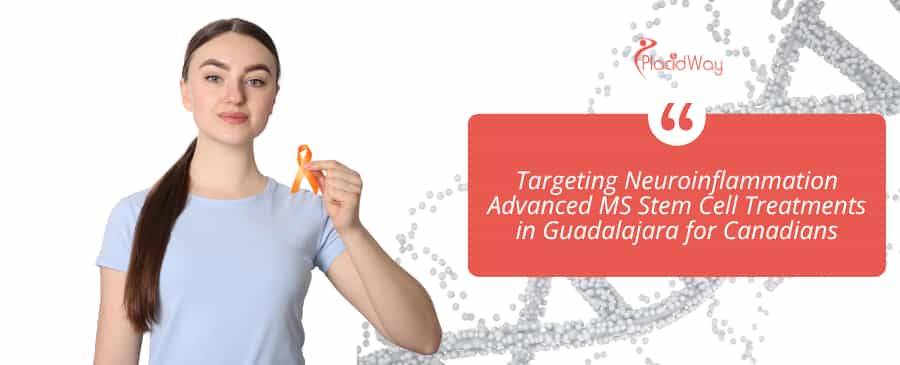
Living with Multiple Sclerosis often means managing a complex array of symptoms caused by chronic neuroinflammation. For many Canadians, the search for affordable MS stem cell therapy leads them across the border to Mexico, a country that has emerged as a global leader in regenerative medicine. By focusing on modulating the immune response, these advanced therapies aim to address the underlying inflammatory processes rather than just the symptoms.
The decision to seek MS stem cell treatment in Mexico is often driven by the desire for access to protocols that may not yet be widely available or affordable in home provinces. Guadalajara, in particular, has become a primary destination for those seeking high-quality care, modern infrastructure, and specialized medical expertise. Most patients find that the combination of lower costs and advanced technology makes this a compelling option for managing their condition.
Targeting Neuroinflammation with Stem Cell Therapy
The primary goal of targeting neuroinflammation is to stabilize the immune system to prevent further damage to the central nervous system. Stem cells, particularly those derived from umbilical cord tissue, possess unique immunomodulatory properties that generally help in reducing the "cytokine storm" associated with MS relapses. This biological approach is designed to foster a more hospitable environment for potential neural repair and systemic stability.
In a clinical setting, advanced MS stem cell treatments involve the intravenous or intrathecal administration of these cells. Once in the body, the cells typically migrate to areas of inflammation, where they may release growth factors and signaling molecules. While individual responses vary, the intent is to dampen the auto-immune attack on the myelin sheath, potentially leading to a reduction in the frequency and severity of MS flares.
Advanced MS Stem Cell Treatments in Guadalajara
Guadalajara has established itself as a hub for medical tourism in Mexico, specifically for neurological disorders. The city's medical facilities are often equipped with state-of-the-art laboratories that adhere to international standards for cell processing and expansion. This ensures that the stem cell protocols for MS delivered to international patients meet rigorous criteria for purity, viability, and safety.
Patients visiting Guadalajara benefit from a multidisciplinary approach where neurologists, cellular biologists, and physical therapists work in tandem. This comprehensive care model is essential because stem cell therapy for Canadians involves more than just the injection; it requires a tailored plan that considers the patient's specific MS subtype—whether Relapsing-Remitting (RRMS) or Primary Progressive (PPMS).
Affordable MS Stem Cell Treatment Cost in Mexico
One of the most significant factors for patients choosing MS stem cell treatment in Guadalajara is the transparent and competitive pricing. In Canada or the United States, similar experimental treatments or private-pay cellular therapies can be prohibitively expensive, often reaching six figures. Mexico offers a more accessible pathway, allowing patients to allocate resources toward long-term rehabilitation and follow-up care.
The cost of MS stem cell therapy in Guadalajara typically covers the initial screening, the cell administration, and immediate post-procedure monitoring. It is important to note that while the prices are lower, this generally reflects the lower operational and administrative costs in Mexico rather than a compromise in the quality of the biological material or medical expertise provided to the patient.
| Procedure Component | Avg. Cost in Guadalajara (USD) | Avg. Cost in Canada/USA (USD) |
|---|---|---|
| Mesenchymal Stem Cell (MSC) IV | $12,000 - $18,000 | $35,000 - $60,000 |
| Combination IV + Intrathecal | $18,000 - $25,000 | $50,000 - $85,000 |
| Initial Diagnostics & Labs | Included or $1,500 | $5,000+ |
Why Canadians Choose Medical Tourism in Mexico
The surge in medical tourism in Mexico among Canadians is partly due to the long wait times for specialized neurological consultations in the public healthcare system. When facing a degenerative disease like MS, time is of the essence. Patients often feel that stem cell clinics in Guadalajara provide a more proactive approach, offering treatments that focus on regenerative potential rather than just pharmacological symptom management.
Additionally, the proximity of Mexico makes it a convenient choice. With direct flights from major Canadian cities to Guadalajara, the travel burden is minimized. This is a critical consideration for those with mobility issues or chronic fatigue, as it allows for a smoother transition from the clinical environment back to the comfort of their home for the long-term recovery phase.
Understanding the Stem Cell Protocol for MS
The specific stem cell protocol for MS usually begins with a thorough evaluation of the patient’s medical history and current neurological status. In Guadalajara, doctors typically use high-dose Mesenchymal Stem Cells (MSCs). These cells are preferred because they are generally considered "immune-privileged," meaning the patient's body is less likely to reject them, and they do not require the intense chemotherapy associated with bone marrow transplants.
The treatment is usually administered over several days. A typical schedule might include an initial systemic IV infusion to address neuroinflammation systemically, followed by targeted injections if deemed appropriate. Patients are generally monitored for any immediate adverse reactions, such as low-grade fever or headache, which most patients experience only mildly and briefly during the first 24 to 48 hours.
Safety and Risks of MS Treatment in Mexico
While stem cell therapy for MS is generally well-tolerated, it is not without potential risks. Transparent communication about these risks is a hallmark of reputable MS stem cell clinics in Guadalajara. Common side effects may include temporary fatigue or soreness at the injection site. More significant risks, though rare, can include infection or an unpredictable immune response to the introduced cells.
Contraindications are also strictly observed. Patients with active infections, certain types of cancer, or advanced organ failure are typically not candidates for this procedure. It is vital for patients to understand that while many experience life-changing improvements, stem cell therapy for Canadians is a biological intervention where results are never guaranteed and can vary based on individual health factors and disease progression.
Patient Experience and Stem Cell Case Summaries
The impact of advanced MS stem cell treatments is best understood through the experiences of those who have undergone the journey. Many international patients arrive in Mexico with limited mobility and leave with a renewed sense of hope. These case summaries reflect the common trajectories of patients seeking to reclaim their independence through medical tourism in Mexico.
While every journey is unique, a recurring theme in patient feedback is the high level of personal attention and "bedside manner" found in Guadalajara. The focus is often on treating the whole person, integrating nutrition and physical therapy alongside the stem cell protocol for MS to maximize the potential for a positive long-term outcome.
Case Summary: Relapsing-Remitting MS A 42-year-old female from Ontario reported a significant reduction in brain fog and improved walking distance three months after receiving MSC therapy in Guadalajara. She noted that her recovery was smooth and her energy levels have remained stable for over a year.
Case Summary: Primary Progressive MS A 55-year-old male from British Columbia sought treatment to slow the progression of his PPMS. While his mobility did not fully return, he experienced a halt in the worsening of his symptoms and a marked decrease in chronic nerve pain, which he attributes to the anti-inflammatory effects of the treatment.
Quality of Stem Cell Clinics in Guadalajara
The best MS stem cell clinics in Guadalajara are those that prioritize clinical excellence and patient safety above all else. These facilities often hold certifications from COFEPRIS (Mexico's health regulatory agency) and follow international GMP (Good Manufacturing Practice) standards in their labs. This level of oversight provides the experience, expertise, and trustworthiness that international patients require when traveling abroad.
When evaluating a clinic, patients should look for a history of treating neurological conditions specifically. A clinic that specializes in targeting neuroinflammation will have a more nuanced understanding of the delicate balance required to treat Multiple Sclerosis compared to a general wellness spa. The presence of board-certified neurologists on the medical staff is a non-negotiable indicator of clinical authority.
The Science of Neuroregeneration and MS
Research into neuroregeneration is the cornerstone of modern MS treatments. While conventional drugs primarily focus on suppressing the immune system, stem cell therapy looks toward the future of repair. The theory is that by introducing young, healthy cells, the body’s own repair mechanisms might be stimulated. This "paracrine effect" is what researchers believe helps in targeting neuroinflammation so effectively.
In Guadalajara, scientists are constantly refining these protocols. By utilizing different delivery methods, such as intranasal or intrathecal routes, they aim to bypass the blood-brain barrier more efficiently. This scientific rigor ensures that MS stem cell treatment in Mexico remains at the cutting edge of what is biologically possible in the realm of regenerative neurology.
Long-term Outlook After Stem Cell Therapy
The long-term outlook for MS patients following stem cell therapy is a subject of ongoing study, but initial years of data are promising. Most patients experience a "window of opportunity" in the 6 to 12 months following treatment where the immune system is most stable. During this time, engaging in intensive physical therapy is generally recommended to "retrain" the nervous system and capitalize on the reduced neuroinflammation.
It is important to manage expectations; stem cell therapy is often a management tool rather than a one-time "cure." Some patients choose to return for "booster" treatments every few years to maintain their results. Staying connected with both your Mexican specialists and your Canadian neurologist is the best way to ensure that your MS treatment in Mexico translates into lasting wellness.
Preparing for Your Medical Trip to Guadalajara
Preparation is key to a successful medical tourism in Mexico experience. For Canadians, this means ensuring your passport is valid for at least six months beyond your stay and coordinating with your local doctor regarding any pre-treatment tests required by the Guadalajara clinic. It is also wise to arrange for "medical travel insurance" that specifically covers international procedures.
Once in Guadalajara, the atmosphere is generally welcoming and patient-centric. Most MS stem cell clinics are located in modern districts like Zapopan or Providencia, which offer a high standard of safety and amenities. Taking a few extra days to acclimate to the city before your procedure can help reduce stress and ensure your body is in the best possible state for targeting neuroinflammation.
Case Summary: Recovery and Mobility A patient from Alberta, Canada, traveled to Guadalajara in late 2025. After a 5-day protocol of umbilical cord MSCs, he reported that his chronic "MS hug" (chest tightness) vanished within two weeks. He now walks without a cane for short distances, something he hadn't done in three years.
Case Summary: Secondary Progressive MS A 60-year-old grandmother from Quebec sought to maintain her cognitive function. Six months post-therapy, her family noted she was much more "present" and had significantly improved speech clarity, highlighting the potential neuroprotective benefits of the treatment.
How PlacidWay Assists Your Medical Journey
PlacidWay serves as a vital bridge for Canadians seeking MS stem cell treatment in Mexico. Navigating international healthcare can be daunting, but having a trusted partner simplifies the process and ensures that patients are connected with verified providers who meet high standards of care.
- Providing comprehensive profiles of MS stem cell clinics in Guadalajara.
- Facilitating direct communication between patients and medical specialists.
- Offering a platform for transparent price comparisons and package details.
- Assisting with the collection and submission of medical records for initial evaluation.
- Sharing verified patient reviews and testimonials to build confidence.
- Helping patients understand the certifications and credentials of Mexican healthcare providers.
Frequently Asked Questions About MS in Mexico
Prospective patients naturally have many questions about MS stem cell treatment in Mexico. Understanding the logistical and clinical aspects of the journey is essential for peace of mind and realistic planning. Below are the most common inquiries from the international medical tourism community.
No, it is not a cure, but it is a potent treatment aimed at modulating the immune system and potentially slowing or halting disease progression.
Typically, provincial health plans and private Canadian insurers do not cover elective treatments performed outside of Canada.
Most doctors recommend waiting at least 3 to 5 days before flying to ensure there are no immediate complications and to allow the body to rest.
Yes, the vast majority of specialists catering to international patients in Guadalajara are fluent in English and often have international training.
This is determined on a case-by-case basis; you should never stop medication without the express guidance of your treating physicians.
While "success" varies by patient, many clinics report that approximately 70-80% of patients see some form of stabilization or symptomatic improvement.
Check for COFEPRIS licensing, look for third-party accreditations, and read verified patient reviews on platforms like PlacidWay.
Yes, many patients with advanced mobility challenges undergo stem cell therapy, though the goals of treatment shift toward symptom management and quality of life.
Long-term side effects are rare for MSCs, as they do not involve genetic modification or high-dose chemotherapy, but long-term monitoring is always advised.
A standard initial treatment usually consists of one intensive session (multi-day), with follow-up sessions recommended only if needed after 12-24 months.




















Share this listing