



The pursuit of managing chronic cardiovascular conditions has led many individuals to explore innovative options beyond traditional medicine. For Canadians dealing with difficult-to-manage hypertension, traveling internationally to access specialized treatments is becoming an increasingly common consideration. While lifestyle modifications and daily pharmaceutical interventions remain the cornerstone of cardiovascular care, stem cell therapy for hypertension in Mexico is drawing significant interest as a complementary approach aimed at supporting cellular repair and systemic health.
Regenerative therapies primarily focus on utilizing the body's natural healing mechanisms to address the underlying inflammation and tissue damage often associated with high blood pressure. These cellular treatments are generally intended to promote healthier blood vessels and improve endothelial function over time. It is crucial to understand that results vary significantly among individuals, and these therapies are typically viewed as supportive measures rather than definitive, standalone cures for chronic conditions.
Hypertension is a leading risk factor for cardiovascular disease globally. Regenerative medicine focuses on addressing endothelial dysfunction, which is often a precursor to stiffened arteries and elevated blood pressure.
Why Canadians Choose Medical Tourism in Tijuana
Navigating the healthcare system in Canada can sometimes involve long waiting periods for specialist consultations and limited access to experimental or newly developed therapies. Consequently, many patients look southward to find accessible and timely medical alternatives. Medical tourism in Tijuana has evolved into a highly organized and patient-centric industry, specifically catering to North American travelers seeking advanced treatments without the extensive delays often experienced domestically.
The proximity of Tijuana to the United States border makes it exceptionally convenient for Canadian travelers who can easily fly into San Diego and cross the border through dedicated medical lanes. Furthermore, the region boasts modern medical facilities equipped with state-of-the-art technology and bilingual healthcare professionals. Most patients experience a highly supportive environment, complete with personalized care coordinators who guide them safely through every step of their international health journey.
Every year, over 1 million medical tourists travel to Mexico for various procedures, making it one of the top destinations worldwide for cross-border healthcare services.
How Regenerative Medicine Targets High Blood Pressure
The core objective of applying regenerative medicine for blood pressure management revolves around the concept of vascular repair. High blood pressure continuously places stress on the inner lining of the arteries, leading to micro-tears and a chronic inflammatory response that further stiffens blood vessels. Administered cellular therapies are typically directed toward reducing this systemic inflammation and releasing growth factors that encourage the regeneration of healthy vascular tissue.
By potentially improving the elasticity of blood vessels and promoting better circulation, these therapies aim to ease the workload on the heart. It is widely recommended that patients undergoing these regenerative protocols continue working closely with their domestic cardiologists. The therapy is generally integrated into a broader, holistic lifestyle plan that includes dietary changes, stress management, and appropriate medical supervision to achieve the best possible outcomes.
Stem cells possess unique immunomodulatory properties, meaning they can potentially help regulate the immune system to lower the chronic inflammation that contributes to arterial stiffness.
Stem Cell Therapy Cost in Tijuana Compared to Canada
One of the primary factors influencing the decision to seek healthcare abroad is the significant financial savings available compared to private treatments in Northern America. The cost of stem cells in Tijuana is notably lower due to reduced administrative overhead, lower real estate costs, and favorable currency exchange rates. Despite the lower price point, leading Mexican clinics continue to utilize premium, ethically sourced cellular products and adhere to rigorous clinical standards.
Canadian patients exploring these options often find that they can receive comprehensive treatment packages—including diagnostics, the therapy itself, and follow-up care—for a fraction of what identical private procedures might cost closer to home. Below is a realistic comparison highlighting what most individuals can typically expect regarding the financial investment for these specific cardiovascular protocols.
| Procedure Name | Average Cost in Tijuana, Mexico | Estimated Cost in US/Canada (Private) |
|---|---|---|
| Autologous Stem Cell Therapy (Bone Marrow/Adipose) | $4,000 - $6,500 | $10,000 - $18,000 |
| Allogeneic MSC Therapy (Umbilical Cord Derived) | $5,000 - $8,500 | $15,000 - $25,000 |
| Comprehensive IV Cardiovascular Protocol (Multi-day) | $6,500 - $10,000 | $20,000 - $35,000+ |
Top Stem Cell Clinics in Tijuana for Cardiovascular Health
Identifying a trustworthy and highly accredited facility is the most critical step for anyone considering affordable stem cell therapy in Mexico. Top-tier clinics in the region distinguish themselves by maintaining fully certified laboratory environments, employing board-certified medical specialists, and practicing complete transparency regarding the origin and quality of their cellular biological materials. Selecting the right clinic ensures that your safety and well-being are prioritized throughout the entire medical journey.
Many international travelers seeking rigorous protocols and specialized cardiovascular focus naturally gravitate toward reputable centers known for personalized care. For instance, you can explore innovative stem cell treatments at CellsTime Clinique Tijuana, which provides structured programs tailored to address vascular health. Diligent research and reviewing clinic accreditations generally help patients make secure and confident healthcare decisions.
Always ask potential clinics for their COFEPRIS certification, which is the Mexican equivalent of FDA approval, ensuring the facility meets strict federal health and safety standards.
Types of Stem Cells Used for Blood Pressure Management
The field of regenerative medicine utilizes various cellular sources, and treatment plans are typically customized based on the patient's specific health profile and the severity of their condition. Mesenchymal stem cells (MSCs) are currently the standard choice for vascular treatments due to their high regenerative capacity and ability to target inflamed tissues. Your attending physician will evaluate your medical history to suggest the most beneficial cellular type.
Understanding the difference between the available options helps patients set realistic expectations and participate actively in their care plan. The most commonly applied cellular variations in top Mexican facilities generally include:
- Umbilical Cord Tissue (Allogeneic): Highly potent, youthful cells that are typically expanded in a lab and administered via IV for systemic anti-inflammatory effects.
- Adipose-Derived (Autologous): Harvested from the patient's own fat tissue through a minor liposuction procedure, generally considered very safe regarding immune rejection.
- Bone Marrow-Derived (Autologous): Extracted from the patient's hip bone, containing a rich mix of growth factors, though this method is slightly more invasive.
Allogeneic umbilical cord cells are considered "immune-privileged," meaning they generally do not trigger a rejection response from the patient's immune system, eliminating the need for matching.
Patient Eligibility and Contraindications for Stem Cell Procedures
Thorough medical screening is an absolute requirement to determine whether a patient is a viable candidate for regenerative care. The ideal candidate for seeking blood pressure treatments in Tijuana is typically someone with manageable cardiovascular issues who is proactive about their health and looking for supportive therapies. Not every individual will qualify, as specific preexisting conditions can significantly alter the safety and efficacy of the procedure.
Medical professionals generally enforce strict contraindications to protect patient safety and prevent potential complications. A responsible clinic will rigorously review your complete medical records before authorizing any travel for treatment. The following profiles are typically contraindicated for these therapies:
- Individuals with an active or recent history (within 5 years) of cancer or malignant tumors.
- Patients suffering from active, severe systemic infections or untreated blood-borne diseases.
- Those in the advanced stages of severe organ failure, such as end-stage renal disease or severe heart failure.
- Women who are currently pregnant or actively nursing.
Never discontinue your prescribed hypertension medications before, during, or after a regenerative procedure without explicit, direct guidance from your primary cardiologist.
The Step-by-Step Treatment Process for International Patients
Anxiety regarding medical travel can largely be alleviated by understanding exactly what the stem cell clinics in Mexico expect during the treatment timeline. The process typically begins weeks before arrival, involving comprehensive virtual consultations where medical histories, recent lab work, and imaging are reviewed by the clinic’s specialists. This pre-planning ensures that the patient is fully qualified before making any travel commitments.
Once you arrive at the designated clinic, the atmosphere is generally highly organized to maximize comfort and efficiency. Most patients experience a streamlined series of events spread out over a few short days, allowing for adequate rest and observation. The typical on-site process generally includes:
- Initial In-Person Assessment: Comprehensive vital checks, physical examination, and secondary blood tests upon arrival.
- Preparation Phase: Reviewing the final customized protocol with the medical team and answering any last-minute questions.
- The Administration: The cellular products are typically administered via a slow intravenous (IV) drip, which usually takes between one to three hours in a comfortable setting.
- Observation Period: A brief monitoring phase to ensure there are no immediate adverse reactions before returning to your recovery space.
Typical Recovery Timeline After Cellular Therapy in Mexico
Because the administration of cellular therapies via IV is minimally invasive, the initial recovery phase is typically quite brief and uncomplicated. Most patients experience only minor side effects, such as mild fatigue or slight soreness if an extraction was performed, allowing them to travel back to Canada within a few days. The immediate goal is simply rest and hydration to support the body as it processes the new cellular material.
However, the actual regenerative biological process is a marathon, not a sprint. It generally takes several weeks to a few months for the cells to integrate and begin positively influencing systemic inflammation and vascular health. Continuous communication with your medical team and adherence to a healthy lifestyle are critical during this secondary, long-term recovery phase.
Post-treatment, focus heavily on an anti-inflammatory diet rich in antioxidants and maintain a moderate, doctor-approved exercise routine to create an optimal environment for cellular repair.
Potential Risks and Safety Protocols in Tijuana Clinics
As with any medical intervention, understanding the inherent risks is vital before committing to international healthcare. While major complications are rare, potential side effects typically include temporary low-grade fever, mild headaches, or slight flushing during the IV administration. A transparent medical provider will always discuss these possibilities openly and never present the procedure as entirely risk-free.
To ensure maximum safety, premier facilities implement rigorous international safety protocols that rival those found in Canadian or US hospitals. These stringent measures are designed to protect the patient from infection and ensure the highest viability of the cellular products. Standard safety protocols generally involve:
- Utilization of ISO-certified clean rooms for all cell culturing and preparation.
- Extensive third-party screening of donor tissue for communicable diseases (e.g., HIV, Hepatitis, Syphilis).
- Strict adherence to Good Manufacturing Practices (GMP) and local regulatory oversight.
- Continuous on-site medical supervision throughout the entire administration process.
According to multiple international health guidelines, the risk of adverse immune reactions is minimized when utilizing properly expanded, high-viability mesenchymal stem cells.
Real Patient Experiences with Regenerative Treatments
Hearing directly from individuals who have successfully navigated the process of seeking medical tourism in Tijuana provides invaluable context for prospective patients. Many Canadians report that the level of empathy, attention to detail, and personalized care they received exceeded their expectations. These narratives help demystify the experience of receiving healthcare across the border.
While individual outcomes naturally vary and specific results cannot be guaranteed, reading about the experiences of others typically highlights the importance of thorough preparation and realistic expectations. Below are summarized accounts of patients who pursued these regenerative pathways.
Robert, 62 (Toronto)
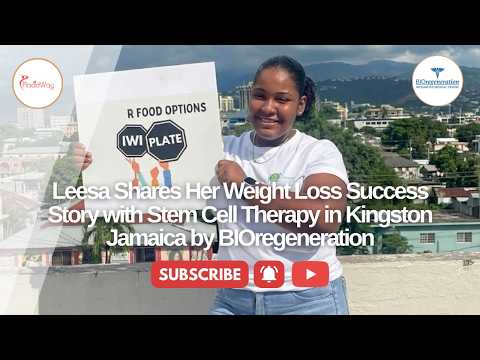
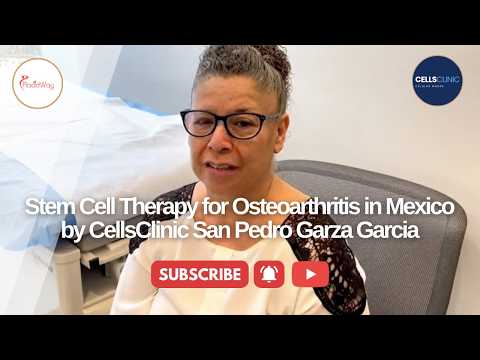
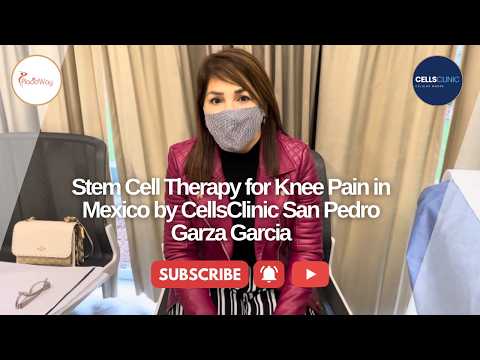
Struggling with fatigue and stubborn blood pressure numbers, Robert traveled for an IV protocol. "The clinic was pristine, and the staff made sure I understood everything. Months later, my cardiologist noted improved vascular markers, and I feel generally more energetic."
Elaine, 58 (Vancouver)
"I was nervous about crossing the border for health reasons, but the logistics were seamless. The treatment itself was painless, just a simple IV drip. It has been an excellent complementary therapy to my daily health regimen."
David, 65 (Calgary)
"I wanted a proactive approach to my arterial health. The doctors in Tijuana took hours to evaluate my history. While I still take my low-dose medication, my daily readings are typically much more stable and my overall vitality has improved."
Sylvia, 60 (Montreal)
"The financial savings allowed me to afford a high-quality allogeneic treatment that wasn't accessible at home. The post-care follow-up from the Mexican team via video calls really made me feel secure during my long-term recovery."
Preparing for Your Medical Journey Across the Border
Meticulous planning is the cornerstone of a successful and stress-free international medical trip. Proper preparation goes beyond simply booking a flight; it requires gathering extensive medical documentation and organizing your recovery environment back in Canada. Establishing open communication between your chosen international clinic and your primary physician at home typically results in the safest, most coordinated care.
To ensure a smooth transition, patients are generally advised to create a comprehensive travel checklist. Traveling with a trusted companion can also provide immense emotional support and logistical help during the initial days of the trip. Essential preparation steps usually include:
- Ensuring your passport is valid for at least six months beyond your planned travel dates.
- Obtaining digital and physical copies of your latest blood work, ECGs, and medical history notes.
- Informing your bank of your travel plans to prevent any issues with international healthcare payments.
- Arranging a clear, documented follow-up schedule with your local Canadian doctor upon return.
San Diego International Airport (SAN) is the preferred gateway for medical tourists heading to Tijuana, as many clinics provide dedicated shuttle services directly from the airport across the border.
How PlacidWay Assists Your Stem Cell Therapy Journey in Tijuana
Coordinating an international medical procedure requires careful research and trusted connections, which is exactly where specialized health platforms step in. PlacidWay is dedicated to empowering Canadian patients with transparent, verifiable information regarding global healthcare opportunities. We recognize the importance of matching patients with facilities that uphold the highest standards of safety and medical ethics.
Our focus is strictly on facilitating seamless access to quality medical care and providing the educational resources necessary for you to make confident health decisions. When you explore stem cell therapy for hypertension in Mexico through our platform, you gain access to comprehensive, value-based assistance tailored to your specific medical goals. We assist you by:
- Connecting you directly with internationally accredited and heavily vetted regenerative clinics in Tijuana.
- Facilitating secure transmission of your medical records for preliminary virtual consultations.
- Providing transparent, detailed cost estimates and comprehensive treatment protocol comparisons.
- Offering unbiased educational resources to help you thoroughly understand the procedure and safety standards.
- Ensuring direct lines of communication between you and certified medical specialists prior to any travel commitment.
Frequently Asked Questions About Stem Cell Treatments in Mexico
When committing to traveling abroad for advanced regenerative medicine in Tijuana, having lingering questions is entirely normal and expected. Gathering as much information as possible is the best way to alleviate concerns and ensure you are mentally prepared for the journey. A well-informed patient is typically a more relaxed and successful patient.
We have compiled a list of the most frequent inquiries raised by our Canadian clients regarding cellular therapies for cardiovascular support. These answers provide general guidance on logistics, safety, and typical expectations.
Is stem cell therapy a guaranteed cure for high blood pressure?
No, regenerative therapies are typically utilized as a complementary approach to manage symptoms and support vascular health. Patients are generally advised to continue their standard medications alongside these treatments.
Do Canadian citizens need a special visa to travel to Tijuana for medical care?
Canadian citizens typically do not need a visa for short-term tourism or medical visits to Mexico lasting under 180 days. A valid Canadian passport is generally all that is required for entry.
How soon can I fly back to Canada after the cellular procedure?
Most patients experience a rapid initial recovery and can usually fly home within 48 to 72 hours following minimally invasive cellular injections. Your attending medical team will provide clearance based on your individual assessment.
Are stem cell clinics in Tijuana regulated and safe?
Reputable clinics in Mexico operate under the strict oversight of COFEPRIS, the national health regulatory agency. Selecting an accredited facility with certified professionals is vital for ensuring high safety standards.
What type of stem cells are most commonly used for blood pressure issues?
Mesenchymal stem cells (MSCs) are the most frequently administered cells for cardiovascular and vascular conditions. These are generally sourced from ethically obtained umbilical cord tissue or the patient's own body.
Will my Canadian health insurance cover stem cell treatments in Mexico?
No, provincial healthcare plans in Canada and standard domestic insurances generally do not cover elective regenerative therapies performed abroad. Patients typically pay out-of-pocket for these international procedures.
Can I stop taking my blood pressure medication after treatment?
You should never alter or discontinue your prescribed blood pressure medication without consulting your primary care physician. Cellular therapy is designed to complement, not instantly replace, traditional medical management.
Are there age restrictions for receiving stem cell therapy in Tijuana?
While there is no strict upper age limit, eligibility is determined by a patient's overall health and specific medical contraindications rather than age alone. A comprehensive pre-treatment evaluation is mandatory for all age groups.
How do clinics ensure the quality of the stem cells being used?
Leading facilities utilize certified clean-room laboratories and adhere to international Good Manufacturing Practice (GMP) standards. Cultured cells are rigorously screened for infectious diseases and viability prior to administration.
How long does it take to notice improvements in blood pressure levels?
The regenerative process is gradual, and biological effects typically take several weeks to a few months to manifest. Most patients are monitored through continuous follow-up care to track vascular improvements over time.
Ready to explore advanced regenerative therapies? Contact PlacidWay today to connect with top-rated stem cell specialists in Tijuana and receive a personalized treatment plan.
References
- National Institutes of Health (NIH). Stem cells in cardiovascular disease management. https://pmc.ncbi.nlm.nih.gov/articles/PMC8001267/
- American Heart Association (AHA). High Blood Pressure Understanding and Management. https://www.heart.org/en/health-topics/high-blood-pressure
- Mayo Clinic. Stem cell transplant: Understanding the basics. https://www.mayoclinic.org/tests-procedures/bone-marrow-transplant/in-depth/stem-cells/art-20048117
- Centers for Disease Control and Prevention (CDC). Medical Tourism Tips and Safety. https://wwwnc.cdc.gov/travel/page/medical-tourism


















Share this listing