


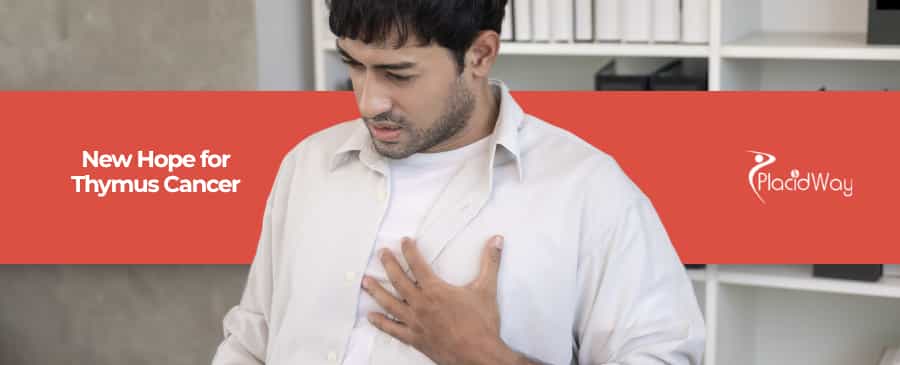
The thymus gland, a small organ located in the upper chest, plays a vital role in the lymphatic system, but when malignancies such as thymoma or thymic carcinoma develop, navigating treatment options can become overwhelming. In recent years, a growing number of patients have begun exploring thymus cancer treatment in Mexico as a viable option. Cross-border medical facilities often combine conventional oncology with advanced integrative methods that might not be widely accessible or affordable in their home countries.
Seeking medical tourism in Mexico allows individuals to access comprehensive, personalized care plans designed to target complex malignancies while prioritizing the patient's overall well-being. Mexican oncology centers typically focus on treating the whole person, utilizing therapies aimed at shrinking tumors, boosting immune response, and mitigating the harsh side effects usually associated with standard cancer regimens. Most patients experience a highly supportive clinical environment that emphasizes patient education and customized therapeutic protocols.
- Comprehensive Diagnostics: Utilizing advanced imaging and molecular profiling to understand the specific nature of the thymic tumor.
- Integrative Oncology: Combining standard treatments like targeted therapy with immune-boosting protocols.
- Personalized Care Plans: Developing unique strategies based on a patient’s specific health profile and cancer stage.
- Holistic Support: Incorporating nutritional counseling and detoxification to strengthen the body's natural defenses.
Thymomas are generally slow-growing tumors, whereas thymic carcinomas are more aggressive. A customized approach is crucial because the treatment pathway for each type differs significantly.
Why US Patients Choose Mexico for Thymus Cancer Care
The decision to travel abroad for critical healthcare is never made lightly, yet thousands of Americans cross the southern border annually seeking affordable thymus cancer clinics in Mexico. One of the primary driving factors is the prohibitive cost of experimental or integrative cancer care in the United States, where therapies outside of standard insurance coverage can quickly drain life savings. Mexico provides a regulatory environment that allows licensed medical professionals to administer safe, globally recognized therapies that may still be pending lengthy FDA approval processes in the US.
Furthermore, wait times for specialized oncology consultations in the US can sometimes span months, a delay that cancer patients simply cannot afford. Facilities in Mexico typically offer rapid intake, meaning patients can often begin their tailored protocols within days of their initial inquiry. This combination of affordability, immediate access to care, and the availability of integrative thymus cancer therapy abroad makes Mexico a premier destination for those seeking comprehensive healing strategies.
- Financial Relief: Access to cutting-edge therapies at a fraction of the out-of-pocket costs seen in US hospitals.
- No Lengthy Waitlists: Rapid scheduling for consultations, diagnostics, and the commencement of treatment.
- Expanded Treatment Options: Availability of globally utilized therapies that focus on immune system restoration.
- Proximity to Home: Clinics in border cities like Tijuana offer easy geographical access for patients flying into Southern California.
According to industry reports, medical tourism in Mexico grows by roughly 10% to 15% annually, largely driven by US and Canadian citizens seeking specialized oncology and dental care.
Advanced Approaches for Thymic Carcinoma in Tijuana
Tijuana has firmly established itself as a global hub for medical tourism in Mexico, particularly in the field of oncology and chronic illness management. Clinics in this region are renowned for deploying a multi-faceted approach to challenging diagnoses like thymic carcinoma, aiming to target cancer cells without severely compromising healthy tissue. Physicians here generally utilize therapies that emphasize immunotherapy, metabolic interventions, and localized tumor treatments.
These advanced approaches are typically administered in a highly controlled, outpatient clinic setting where patients receive daily therapies over a course of several weeks. By utilizing techniques such as localized hyperthermia, high-dose vitamin infusions, and specific targeted therapies, the medical teams work to alter the tumor microenvironment. While results can never be guaranteed, most patients report an improvement in their quality of life and a reduction in standard cancer symptoms while undergoing these innovative protocols.
- Immunotherapy: Stimulating the patient’s own immune system to better recognize and attack thymic cancer cells.
- Localized Hyperthermia: Applying controlled heat to tumor sites to damage cancer cells and increase their sensitivity to other treatments.
- Metabolic Therapies: Utilizing specific dietary and intravenous interventions to starve cancer cells of the glucose they rely on.
- Ozone Therapy: Increasing oxygen levels in the body to create an inhospitable environment for anaerobic cancer cells.
Testimonial Summary: Robert's Journey
Robert, a 62-year-old from Texas, sought care in Tijuana after his thymoma stopped responding to standard therapies. Through a tailored program of hyperthermia and immunotherapy, he experienced stabilized tumor growth and a significant return of his daily energy levels.
Cost of Thymus Cancer Treatment in Mexico
Understanding the financial aspects of international healthcare is critical for patients planning their medical journey. The cost of thymus cancer treatment in Mexico is a major draw, offering significant savings without compromising the quality of the medical staff or the technology utilized. U.S. patients often face staggering out-of-pocket expenses for non-traditional oncology, whereas Mexican clinics provide transparent, comprehensive pricing models.
The table below provides a generalized estimate of what patients might expect to pay for various procedures related to thymoma and thymic carcinoma management. It is important to note that these are average ranges; final costs will strictly depend on the patient's individualized treatment plan, the duration of their stay, and the specific clinic chosen. Medical travelers should always request a detailed, personalized quote before making financial commitments.
| Procedure Name | Average Cost in Mexico | Cost Comparison (US) |
|---|---|---|
| Comprehensive Diagnostic Panel (Imaging & Labs) | $2,000 - $4,000 | $10,000 - $15,000+ |
| Integrative Therapy Program (3-Week Intensive) | $15,000 - $25,000 | $50,000 - $100,000+ |
| Targeted Immunotherapy (Per Session/Cycle) | $1,500 - $3,500 | $8,000 - $12,000+ |
| Hyperthermia Treatments (Package of sessions) | $2,500 - $4,500 | Often not covered / $15,000+ |
Always ask for a line-item breakdown of your estimated medical costs before traveling. This helps ensure you understand exactly which therapies, lab tests, and medical consultations are included in your package.
Specialized Care at Immunity Therapy Center in Tijuana Mexico
When searching for top-tier oncology care, many international patients find themselves drawn to the specialized protocols offered at Immunity Therapy Center in Tijuana, Mexico. This facility is highly regarded for its commitment to personalized medicine, offering a broad spectrum of non-invasive, integrative treatments designed specifically for complex cases like thymus cancer. Patients at this clinic benefit from a medical philosophy that prioritizes halting disease progression while maintaining the highest possible quality of life.
By blending traditional diagnostic science with natural and targeted treatments, the clinical team creates robust, individualized programs. For those looking into alternative cancer treatment at Immunity Therapy Center, the approach typically encompasses over a dozen distinct therapeutic modalities administered concurrently. This comprehensive, multi-targeted strategy is carefully monitored and adjusted daily by attending physicians to ensure the patient's body responds optimally to the treatment.
- Daily Physician Consultations: Continuous monitoring and dynamic adjustment of the treatment plan based on real-time patient feedback.
- Non-Invasive Modalities: A strong emphasis on therapies that do not severely damage healthy tissue or immune function.
- Dedicated Patient Support: Bilingual staff and coordinators dedicated to making the medical journey as smooth and stress-free as possible.
- State-of-the-Art Diagnostics: Utilizing advanced laboratory testing to monitor tumor markers and immune system health continuously.
Integrative cancer centers often utilize up to 15-20 different therapeutic modalities simultaneously to create a synergistic effect against malignant cells while protecting healthy organs.
Integrative Therapies for Thymoma Management Abroad
Managing thymoma effectively often requires a delicate balance between attacking the tumor and preserving the patient's vital immune function. Integrative thymus cancer therapy abroad is defined by this dual-action approach, ensuring that the physical toll of treatment is minimized. Clinics in Mexico are at the forefront of combining pharmacological interventions with powerful biological and holistic therapies.
Patients typically undergo a rigorous daily schedule that might include high-dose intravenous Vitamin C, biological vaccine therapies, and whole-body detoxification. These methods aim to reduce systemic inflammation, an environment where cancers typically thrive. By addressing the root biological terrain of the patient, medical teams strive to make the body less hospitable to thymoma growth while simultaneously boosting the patient’s natural vitality and strength.
- High-Dose IV Vitamin C: Acts as a pro-oxidant at high blood concentrations, selectively targeting and damaging cancer cells.
- Biological Vaccines: Custom formulations aimed at training the immune system to recognize specific tumor antigens.
- Sonodynamic Therapy: Using ultrasound waves combined with specific sensitizing agents to target deep-seated tumors.
- Detoxification Protocols: Enhancing liver and kidney function to help the body process and eliminate cellular waste efficiently.
The thymus is most active during childhood and puberty, slowly shrinking and being replaced by fat in adulthood, which is why thymus cancers are relatively rare and require highly specialized oncological knowledge.
Evaluating Safety and Quality of Mexico Cancer Clinics
When considering thymus cancer treatment in Mexico, ensuring the safety, quality, and accreditation of the chosen medical facility is the most critical step in the patient journey. Top-tier clinics in destinations like Tijuana operate under strict oversight by COFEPRIS, Mexico’s equivalent to the FDA, ensuring adherence to national healthcare standards. Patients should always verify the credentials of the medical staff, confirming they hold specialized degrees in oncology and integrative medicine.
Reputable clinics prioritize patient safety by maintaining pristine, hospital-grade clinical environments and utilizing sterilized, modern medical equipment. Transparency is a hallmark of quality; trusted facilities will openly discuss the potential risks, side effects, and realistic outcomes of their treatments. They generally require comprehensive preliminary medical records before confirming a patient's eligibility to ensure the proposed therapies are safely applicable to their specific condition.
- COFEPRIS Certification: Verify that the clinic is fully licensed and regulated by Mexican federal health authorities.
- Oncologist Credentials: Look for medical teams led by board-certified physicians with specialized training in integrative oncology.
- Transparent Communication: The clinic should provide clear, realistic expectations without making impossible medical guarantees.
- Emergency Protocols: Ensure the facility is equipped to handle medical emergencies or has direct partnerships with nearby full-scale hospitals.
Always exercise extreme caution with any clinic, domestic or international, that guarantees a "100% cure" for cancer. Ethical medical professionals will provide transparent risk disclosures and acknowledge that physiological responses to treatment vary by individual.
Navigating the Cross-Border Medical Tourism Process
Organizing a trip for medical tourism in Mexico involves specific logistical steps, though reputable clinics and medical facilitators strive to make the process as seamless as possible. For clinics located in border cities like Tijuana, the most common route is flying into San Diego International Airport. From there, many clinics provide dedicated shuttle services that smoothly transport patients across the border directly to the medical facility.
Understanding border protocols is essential; US citizens will require a valid passport to re-enter the United States. While specialized medical visas are typically not required for short-term clinical care in Mexico, it is advisable to carry a formal letter from the receiving clinic detailing the medical nature of your visit. Proper preparation allows patients to focus entirely on their healing journey rather than administrative border hurdles.
- Valid Identification: Ensure your passport is up-to-date and valid for at least six months beyond your travel dates.
- Medical Documentation: Carry physical and digital copies of your complete medical history, imaging, and clinical letters.
- Clinic Transportation: Utilize the vetted border transport services offered by the clinic for safe and direct transit.
- Financial Planning: Notify your bank of your international travel to prevent blocks on credit cards used for medical payments.
Keep a dedicated "Medical Travel Binder" with organized sections for your passport, clinic correspondence, imaging discs, and emergency contact numbers for easy access during travel.
Preparing for Your Oncology Consultation in Mexico
A successful outcome in managing thymic cancer relies heavily on the accuracy of the initial consultation. When seeking affordable thymus cancer clinics in Mexico, preparation is key to ensuring the medical team can hit the ground running. Patients are generally required to compile a comprehensive dossier of their medical history, which provides the foundation for their customized integrative treatment plan.
During the initial consultation, whether conducted via a telehealth platform beforehand or in-person upon arrival, the oncologist will review pathology reports, blood panels, and recent PET/CT scans. Patients should come prepared with a detailed list of questions regarding the proposed therapies, expected timelines, and potential side effects. Being an active, informed participant in this process empowers the patient and fosters a collaborative doctor-patient relationship.
- Gather Imaging: Bring the most recent PET, CT, or MRI scans on digital discs, along with the radiologist's written reports.
- Pathology Reports: Provide the exact biopsy reports detailing the specific histology of the thymoma or thymic carcinoma.
- Current Medications: List all prescription drugs, over-the-counter medications, and supplements you are currently taking.
- List of Questions: Write down your concerns regarding treatment duration, daily schedules, and dietary restrictions.
Testimonial Summary: Maria's Experience
Maria, navigating a recent diagnosis, found the consultation process in Mexico incredibly thorough. She noted that the doctors spent over an hour reviewing her scans and answering her questions, providing a level of personalized attention she felt was missing in her previous healthcare experiences.
Recovery and Aftercare for Thymus Cancer Patients
The journey does not end once the active phase of thymus cancer treatment in Mexico concludes; effective aftercare is crucial for sustained health. Upon finishing their multi-week intensive program, patients are typically provided with a comprehensive, customized discharge plan. This home-care protocol is designed to continue the momentum of the therapies received at the clinic and maintain a fortified immune system.
Reputable medical tourism clinics emphasize the importance of continuous remote monitoring. Medical teams generally schedule periodic telehealth check-ins to review new blood work, adjust nutritional supplements, and address any emerging symptoms. Patients are strongly encouraged to maintain open communication with their local US-based primary care physicians or oncologists to ensure seamless, long-term collaborative care.
- Nutritional Protocols: Strict dietary guidelines designed to sustain an anti-inflammatory environment in the body.
- Supplement Regimens: Prescribed natural supplements to continue supporting liver function and immune health.
- Remote Monitoring: Regularly scheduled video consultations with the Mexican medical team to assess ongoing progress.
- Local Collaboration: Sharing post-treatment reports with the patient's home oncologist for cohesive long-term monitoring.
Testimonial Summary: David's Aftercare
After completing his three-week intensive protocol in Tijuana, David returned home with a detailed three-month dietary and supplement plan. He appreciated the clinic's ongoing follow-up calls, which provided him with peace of mind and continued medical guidance.
Success Rates and Realistic Expectations for Treatment
When researching integrative thymus cancer therapy abroad, establishing realistic expectations is a fundamental aspect of the patient journey. Because thymus cancer varies wildly in its aggression and stage—from encapsulated thymomas to metastatic thymic carcinomas—outcomes are highly individualized. No ethical medical institution will guarantee a cure, as biological responses to oncology treatments are inherently unpredictable.
Success in this context is generally defined not just by tumor shrinkage, but by overall disease stabilization, prolonged survival, and significant improvements in the patient's quality of life. Many patients traveling to Mexico seek a reduction in pain, an increase in energy, and a return to daily activities. Clinical teams focus heavily on these quality-of-life metrics alongside traditional diagnostic imaging when evaluating the efficacy of the applied integrative protocols.
- Disease Stabilization: Halting the growth or spread of the tumor, managing it as a chronic rather than acute condition.
- Symptom Management: Alleviating pain, respiratory difficulty, and fatigue associated with thymus malignancies.
- Immune Reconstitution: Rebuilding the body's natural defenses, particularly if the patient has undergone harsh conventional chemotherapy previously.
- Quality of Life: Improving the patient's physical and mental capacity to enjoy their daily routines and time with family.
The 5-year relative survival rate for localized thymoma is generally high, often exceeding 90%, but rates decrease for regional or distant stages, highlighting the importance of customized, comprehensive care plans.
Legal and Ethical Considerations in Medical Travel
Engaging in medical tourism in Mexico involves navigating certain legal and ethical landscapes to ensure patient safety and rights are protected. Before commencing any medical procedure, ethical clinics will provide comprehensive informed consent documents in the patient's native language. These documents must explicitly detail the proposed therapies, their off-label status (if applicable), and all potential risks involved in the treatment.
Patients should be aware that while Mexican health authorities (COFEPRIS) regulate these clinics, malpractice laws and patient recourse differ significantly from the United States judicial system. Consequently, thoroughly vetting the facility, reviewing patient testimonials, and utilizing established medical tourism facilitators are critical steps to mitigate risk. Understanding these parameters ensures that patients embark on their medical journey with full transparency and confidence.
- Informed Consent: Ensuring all documents are understood, translated if necessary, and voluntarily signed.
- Regulatory Compliance: Verifying the clinic operates legally under current Mexican health department guidelines.
- Data Privacy: Confirming the clinic adheres to strict medical confidentiality and secure transfer of medical records.
- Ethical Marketing: Avoiding facilities that utilize high-pressure sales tactics or guarantee absolute medical success.
Cross-border medical facilitators often implement their own rigorous vetting processes, only partnering with clinics that maintain international accreditations and high patient satisfaction scores.
How PlacidWay Assists Your Medical Tourism Journey in Mexico
Planning international healthcare can be an overwhelming task, particularly for patients managing complex conditions. PlacidWay serves as a premier facilitator, dedicated to streamlining access to highly vetted and affordable thymus cancer clinics in Mexico. Our goal is to empower patients with knowledge, connecting them with world-class oncologists while prioritizing safety, transparency, and clinical excellence.
By leveraging our extensive global healthcare network, we remove the guesswork from international medical travel. We assist patients in finding the right medical match for their specific diagnosis, ensuring that all clinical providers adhere to rigorous quality standards. Through customized coordination, we ensure your focus remains exactly where it should be—on your health and recovery.
- Comprehensive research and presentation of highly vetted, accredited oncology clinics in Mexico.
- Verification of medical credentials, ensuring you consult with board-certified and experienced specialists.
- Facilitation of secure, HIPAA-compliant transfer of your medical records and imaging to prospective clinics.
- Coordination of initial virtual consultations, allowing you to speak directly with the medical team before traveling.
- Providing transparent, detailed cost estimates from clinics to help you plan your healthcare budget effectively.
- Delivering continuous educational resources to help you make informed, confident healthcare decisions.
Testimonial Summary: Susan's Support System
Susan was overwhelmed by the prospect of seeking treatment abroad. By utilizing PlacidWay, she was able to securely send her medical files to top clinics in Mexico and schedule video consultations, allowing her to choose her medical team with complete confidence.
Frequently Asked Questions About Thymus Cancer Care
Navigating the intricacies of international oncology care naturally brings up numerous questions regarding logistics, safety, and protocols. Below, we address some of the most common inquiries patients have when considering thymus cancer treatment in Mexico.
These responses are designed to provide clear, concise information to help you and your family make educated decisions about your cross-border medical journey.
What types of thymus cancer can be treated in Mexico?
Clinics in Mexico typically offer supportive and integrative therapies for both thymoma and thymic carcinoma. Treatment plans are generally customized based on the cancer's stage, previous treatments, and the patient's overall health profile.
Is it safe to travel to Mexico for cancer treatment?
Yes, many patients safely travel to established medical hubs like Tijuana for oncology care. It is crucial to choose clinics that are fully accredited and coordinate your journey through trusted medical tourism platforms to ensure safety and quality.
How much does thymus cancer treatment cost in Mexico?
The cost varies depending on the specific protocols used, but patients generally find that treatments in Mexico cost 50% to 70% less than in the United States. A multi-week integrative oncology program typically ranges between $15,000 and $25,000.
Will my US health insurance cover treatment in Mexico?
Most standard US health insurance plans do not cover cross-border medical treatments or alternative therapies. Patients typically pay out-of-pocket, though some clinical financing options and medical loans may be available depending on the provider.
Do doctors in Mexico speak English?
Yes, the majority of leading oncologists and medical staff at clinics catering to international patients are highly fluent in English. Bilingual patient coordinators are also generally assigned to assist throughout the duration of the treatment.
What documents do I need to bring for my oncology consultation?
You should bring all recent medical records, including PET/CT scans, biopsy pathology reports, blood work, and a comprehensive history of past treatments. Providing a complete medical history allows the medical team to formulate the most accurate protocol.
Can I continue my treatment plan after returning to the US?
Yes, reputable clinics typically provide a detailed discharge plan and home-care protocols for patients to follow upon returning. They also often collaborate remotely with your primary care physician or local oncologist to ensure continuity of care.
Are alternative cancer treatments guaranteed to work?
No medical procedure or cancer treatment can ever be guaranteed, and results will always vary based on individual physiological factors. Alternative and integrative therapies are generally intended to support conventional treatments, manage symptoms, and improve quality of life.
How long do I need to stay in Mexico for thymus cancer care?
The duration of your stay depends heavily on the prescribed medical protocol, but most intensive integrative therapy programs require a commitment of three to six weeks. Follow-up visits may be shorter, typically lasting a few days to a week.
Do I need a passport or visa for medical tourism in Mexico?
US citizens require a valid passport to cross the border and return to the United States. A medical visa is typically not required for stays shorter than 180 days, but border authorities should be informed of your medical travel intent.
Ready to explore your options for personalized thymus cancer treatment in Mexico? Contact PlacidWay today for expert guidance and to receive a comprehensive treatment plan from highly vetted medical professionals.
References
- American Cancer Society. (2023). What Is Thymus Cancer?. https://www.cancer.org/cancer/thymus-cancer/about/what-is-thymus-cancer.html
- National Cancer Institute. (2023). Thymoma and Thymic Carcinoma Treatment (PDQ®)–Patient Version. https://www.cancer.gov/types/thymoma/patient/thymoma-treatment-pdq
- American Society of Clinical Oncology (ASCO). (2021). Thymoma and Thymic Carcinoma: Types of Treatment. https://www.cancer.net/cancer-types/thymoma-and-thymic-carcinoma/types-treatment
- Centers for Disease Control and Prevention (CDC). (2023). Medical Tourism: Getting Medical Care in Another Country. https://wwwnc.cdc.gov/travel/page/medical-tourism


















Share this listing