



Osteoarthritis is a progressively debilitating condition that affects millions of people globally, causing severe joint pain, stiffness, and a dramatic reduction in quality of life. For decades, standard treatments have largely relied on pain management through pharmaceuticals, physical therapy, or highly invasive joint replacement surgeries. However, recent advancements in cellular science have introduced alternative options that focus on addressing the root cause of joint degradation rather than merely masking the painful symptoms.
Increasingly, individuals seeking innovative approaches are turning their attention toward international healthcare destinations. Stem cell therapy for osteoarthritis in Mexico has emerged as a compelling choice for North American patients looking to bypass the regulatory delays and high costs found in their home countries. By exploring these cross-border medical opportunities, individuals are discovering specialized centers equipped with modern biotechnology designed to support joint function and mobility.
Osteoarthritis is the most common form of arthritis worldwide. The condition involves the gradual breakdown of the protective cartilage that cushions the ends of the bones, leading to painful bone-on-bone friction in weight-bearing joints.
How Regenerative Medicine Targets Joint Pain and Cartilage
The core objective of regenerative treatments is to harness the body's natural healing mechanisms to repair damaged tissues. Unlike corticosteroid injections that temporarily reduce inflammation but can weaken cartilage over time, cellular therapies aim to modify the actual joint environment. Mesenchymal stem cells (MSCs) are often the foundation of these protocols due to their unique ability to differentiate into various tissue types, including cartilage and bone, while simultaneously releasing anti-inflammatory proteins.
When introduced directly into an arthritic joint, these potent cells generally work to modulate the local immune response, signaling the body to halt further tissue destruction. Over time, the therapeutic elements promote localized healing. While it is important to understand that cellular therapies do not instantly rebuild a brand-new joint, most patients experience a gradual decrease in swelling and an improvement in joint lubrication, which ultimately contributes to improved daily function.
Stem cells naturally secrete growth factors and cytokines. These microscopic proteins are essential for intercellular communication and play a critical role in reducing chronic joint inflammation caused by osteoarthritis.
Why Medical Tourism in Mexico Attracts US Patients
The surge in cross-border healthcare is driven primarily by the stark contrast in healthcare economics between the United States and Latin America. Navigating the US medical system often involves battling high deductibles, limited insurance coverage for experimental treatments, and prolonged waiting periods to see specialists. In contrast, medical tourism hubs in Mexico have optimized their infrastructure to cater specifically to international visitors, offering streamlined services without compromising on medical standards.
Beyond the financial advantages, Mexico is geographically convenient for North Americans. Cities located just across the border or a short flight away host internationally accredited hospitals and English-speaking medical teams. This accessibility makes medical tourism in Mexico for joint pain a practical and appealing option for individuals who may struggle with the physical demands of long-haul international travel but still require specialized regenerative care.
According to medical travel analysts, Mexico welcomes over 1 million medical tourists annually, with regenerative medicine and orthopedic treatments ranking among the most sought-after specialties by U.S. and Canadian citizens.
Affordable Stem Cell Therapy Cost in Mexico Versus the US
One of the most significant barriers to accessing cellular treatments in the United States is the prohibitive out-of-pocket expense. Because these therapies are often considered elective or investigational by standard insurance providers, patients bear the full financial burden. The stem cell therapy cost in Mexico presents a transparent, budget-friendly alternative that does not force patients to sacrifice quality or safety to find relief.
Facilities across Mexico leverage a lower cost of living, reduced administrative overhead, and specialized medical tourism models to offer these procedures at a fraction of North American prices. By seeking an affordable stem cell treatment in Mexico, patients can often allocate their savings toward physical rehabilitation, travel, and comprehensive post-care. Below is a realistic comparison of typical costs.
| Procedure / Target Area | Average Cost in Mexico | Estimated Cost in the US |
|---|---|---|
| Single Joint Injection (Knee or Hip) | $3,500 - $5,000 | $8,000 - $15,000 |
| Bilateral Joints (Both Knees or Hips) | $6,000 - $8,500 | $14,000 - $25,000 |
| Shoulder or Ankle Osteoarthritis | $3,500 - $4,800 | $7,500 - $12,000 |
| Comprehensive Multi-Joint Therapy | $8,000 - $12,000 | $20,000 - $40,000+ |
Exploring Top Stem Cell Therapy Clinics in Mexico
Finding a trusted medical facility is paramount when planning international healthcare. Mexico is home to highly specialized centers that maintain stringent laboratory protocols and employ multidisciplinary medical teams. Among these respected establishments is the Immunity Therapy Center in Tijuana, Mexico, known for its dedication to comprehensive patient evaluation and customized regenerative protocols tailored to complex joint conditions.
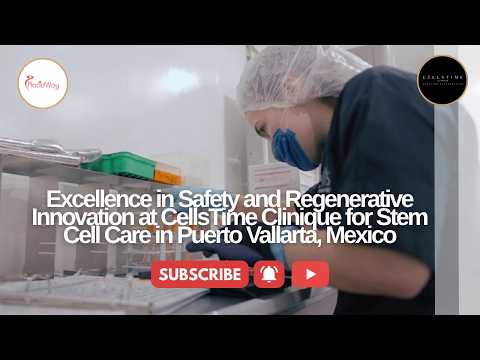
Patients researching affordable stem cell therapy for osteoarthritis in Mexico should prioritize clinics that operate transparently. Premier stem cell therapy clinics in Mexico feature state-of-the-art clean rooms for cell processing, utilize advanced imaging technology for precise injection guidance, and provide thorough pre-treatment medical clearances to ensure patient safety.
Always inquire about the source and viability of the stem cells being used. Reputable clinics will gladly provide documentation regarding their cell processing standards, cell counts, and laboratory accreditations.
Ideal Candidates for Regenerative Joint Treatments
While the prospect of non-surgical pain relief is appealing, regenerative medicine is not a universally applicable solution. Physicians conduct rigorous screenings to determine if a patient's specific type of osteoarthritis responds well to cellular intervention. Typically, the ideal candidate possesses mild to moderate cartilage degradation and has not yet reached the stage of complete bone-on-bone joint collapse.
An individual's overall physiological health greatly influences the potential success of the procedure. Doctors generally look for patients who are dedicated to post-treatment rehabilitation, maintain a relatively healthy body weight, and do not suffer from active systemic infections. Comprehensive blood panels and recent MRI scans are typically required to finalize candidacy.
Regenerative medicine treatments have strict contraindications. Individuals with active cancer, severe blood disorders, active systemic infections, or those undergoing certain immunosuppressive therapies are typically not eligible for these procedures.
The Patient Journey for Knee and Hip Osteoarthritis Therapy
The process of traveling for regenerative medicine in Mexico is thoughtfully structured to minimize stress and maximize clinical outcomes. The journey begins long before the patient crosses the border, starting with a comprehensive virtual consultation. During this phase, international specialists review imaging reports and medical histories to design a customized therapy plan.
Upon arrival at the destination clinic, patients undergo an in-person physical examination to confirm the preliminary diagnosis. The actual treatment protocol generally includes the following steps:
- Pre-treatment Assessment: Final bloodwork and physical evaluations to ensure medical stability.
- Cellular Preparation: Processing of autologous cells (from the patient) or thawing/preparation of ethically sourced allogeneic cells under sterile laboratory conditions.
- Targeted Injection: The physician utilizes ultrasound or fluoroscopy guidance to deliver the biologics precisely into the damaged joint capsule.
- Observation: A brief monitoring period in recovery to ensure there are no adverse immediate reactions.
The use of image-guided injection techniques (like ultrasound) increases the accuracy of cellular delivery significantly, ensuring the regenerative materials reach the exact site of cartilage degradation.
What to Expect During Recovery from Stem Cell Injections
Compared to invasive orthopedic surgeries like total knee replacements, the recovery from stem cell injections is remarkably swift and straightforward. Because the procedure is typically performed on an outpatient basis using localized anesthesia, patients can usually walk out of the clinic on the same day. However, minor swelling, localized stiffness, and mild discomfort at the injection site are incredibly common in the first 48 to 72 hours.
Patients are typically advised to rest the treated joint and avoid strenuous physical activity or high-impact exercises for several weeks. The biological regeneration of tissue is a slow, methodical process; therefore, sudden improvements are rare. Most patients experience a gradual decrease in pain over a period of three to six months as the joint environment stabilizes.
To avoid inhibiting the stem cells' natural inflammatory healing response, most physicians will strictly prohibit the use of NSAIDs (like ibuprofen or naproxen) for a few weeks prior to and following the procedure.
Potential Risks and Safety Protocols in Regenerative Medicine
Transparency regarding risks is a cornerstone of ethical medical practice. While regenerative joint injections are minimally invasive and generally well-tolerated, they are not entirely devoid of risks. Potential complications typically mirror those of any standard joint injection, including a minimal risk of infection, temporary nerve irritation, or bleeding at the injection site. It is vital for patients to understand that results vary widely, and no responsible physician will ever guarantee a complete cure.
To mitigate these risks, accredited clinics enforce rigorous safety protocols. This includes utilizing certified clean rooms for cell handling, adhering to strict sterilization techniques, and employing board-certified specialists to administer the treatments. A thorough understanding of these protocols helps medical tourists make informed, confident healthcare decisions.
The risk of an allergic reaction or tissue rejection is virtually non-existent when using autologous cells (cells derived from the patient's own body), making it one of the safest modalities in regenerative biology.
Real Patient Success Stories with Stem Cell Therapy
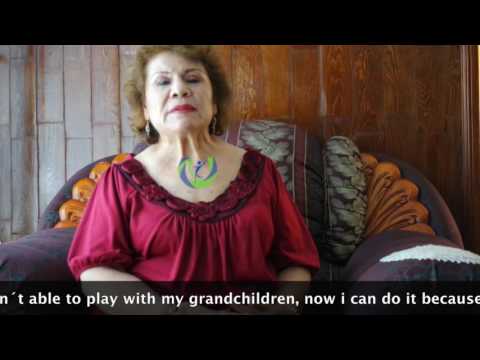
Data and medical facts are essential, but the human element often resonates most deeply with prospective medical travelers. Hearing about the lived experiences of individuals who have successfully navigated the medical tourism landscape provides reassurance and a clearer picture of potential outcomes. Many patients report life-altering improvements in their daily routines.
Below are brief summaries of typical patient experiences following their decision to pursue joint therapy across the border. These cases reflect common trajectories but remember that individual results will inherently vary.
Robert's Return to the Golf Course
Struggling with severe osteoarthritis in his right shoulder, 62-year-old Robert faced imminent surgery. After opting for an affordable stem cell treatment in Mexico, he noted a significant reduction in pain within four months. Today, he generally enjoys golfing twice a week without the need for daily painkillers.
Susan's Knee Mobility Journey
Susan, 58, was told knee replacement was her only option. Unwilling to undergo the invasive procedure, she traveled for cellular therapy. Six months post-injection, she reports improved joint lubrication and can typically walk her dog several miles a day without the bone-grinding sensation she previously suffered.
Michael Defeating Hip Stiffness
A former construction worker, Michael developed chronic hip osteoarthritis that severely limited his mobility. He found the stem cell therapy cost in Mexico manageable and underwent bilateral hip injections. Within five months, he experienced enhanced flexibility and a notable decrease in morning joint stiffness.
Elena's Alternative to Surgery
Dealing with early-stage osteoarthritis in her ankles, Elena sought preventative care to delay surgical fusion. Following her outpatient procedure in Mexico, she generally manages her retail job standing for eight hours a day with minimal to no discomfort, vastly improving her quality of life.
Preparing for Your Medical Travel to Mexico
Proper preparation is the key to a seamless medical tourism experience. Once you have selected a facility, compiling comprehensive medical records is your first crucial task. Ensure you have recent high-resolution MRI scans, X-rays, and detailed notes from your local orthopedic specialist, as these are vital for the Mexican medical team to map out an accurate biological treatment plan.
Logistically, planning requires checking passport validity and understanding cross-border payment protocols. It is highly recommended to communicate clearly with your chosen clinic regarding post-procedure mobility limits so you can arrange suitable transport back home, whether that involves a short flight or a comfortable car ride.
Many international clinics assign a dedicated patient coordinator to assist you with language translation, medical document transfer, and navigating the clinic's local area during your medical stay.
Post-Treatment Care Guidelines for Optimal Joint Health
The success of your regenerative procedure relies heavily on how well you treat your body in the months following the injections. A comprehensive rehabilitation strategy is imperative. Most clinics will recommend engaging a local physical therapist who understands cellular therapies to help you safely strengthen the muscles surrounding the treated joint without placing undue stress on the healing cartilage.
Nutrition and lifestyle modifications also play an undeniable role in joint longevity. Patients are typically advised to maintain an anti-inflammatory diet rich in omega-3 fatty acids, stay highly hydrated to support cellular function, and pursue gentle, low-impact activities such as swimming or cycling to maintain joint mobility.
Clinical observations suggest that patients who strictly adhere to post-injection physical therapy and weight management protocols typically experience a 30% to 40% better long-term outcome in joint functionality.
How PlacidWay Assists Your Medical Tourism Journey in Mexico
Coordinating healthcare in a foreign country can feel overwhelming without the right guidance. Specialized platforms exist to bridge the gap between patients and accredited international medical providers. By utilizing dedicated medical tourism resources, individuals can approach their healthcare journey with confidence and clarity.
PlacidWay serves as an essential facilitator for patients seeking regenerative treatments abroad. Our platform offers value-based assistance tailored to your unique healthcare requirements:
- Access to a thoroughly vetted network of internationally accredited clinics and specialized regenerative medicine centers.
- Direct communication channels to request custom treatment plans and transparent cost estimates from top medical providers.
- Comprehensive profiles of board-certified physicians, complete with qualifications, specialties, and patient reviews.
- Assistance in organizing and transferring complex medical files and imaging securely to your chosen international medical team.
- Educational resources and destination guides to help you understand the standard of care and medical protocols in your target country.
Frequently Asked Questions About Stem Cell Treatment
Making an informed decision about international healthcare requires asking the right questions. Prospective patients often have similar concerns regarding logistics, medical efficacy, and financial implications.
Below is a curated list of common inquiries from individuals considering stem cell therapy for osteoarthritis in Mexico, aimed at providing clear and concise guidance.
How long does stem cell therapy for osteoarthritis in Mexico take?
The actual injection process typically takes a few hours on an outpatient basis. However, patients generally stay in Mexico for a few days to complete initial consultations and follow-up evaluations.
Is regenerative medicine in Mexico safe for US patients?
Yes, when utilizing accredited clinics and certified medical professionals, regenerative treatments maintain rigorous safety standards. It is important to research the facility's international certifications and laboratory protocols.
What is the average stem cell therapy cost in Mexico compared to the US?
The cost in Mexico ranges generally between $3,500 and $6,500 per joint, which is often 50% to 70% lower than prices found in the United States. This significant reduction in price makes it highly attractive to medical tourists.
Will I need a visa to receive stem cell treatments in Mexico?
Citizens of the United States and Canada typically do not require a visa for short medical visits to Mexico. A valid passport and a tourist card, usually provided at the border or airport, are generally sufficient.
How long does it take to see results from stem cell injections?
Most patients experience initial improvements in pain and mobility within four to six weeks following the procedure. However, the cellular regeneration process continues over several months, meaning optimal results typically manifest between three and six months.
Can stem cell therapy completely cure my osteoarthritis?
Currently, there is no definitive cure for osteoarthritis. Regenerative treatments aim to manage symptoms, reduce inflammation, and potentially slow cartilage degradation, but results vary widely among patients.
What type of stem cells are used for joint pain treatments in Mexico?
Clinics generally utilize Mesenchymal Stem Cells (MSCs), which are ethically sourced from the patient's own bone marrow or adipose tissue, or derived from highly screened umbilical cord tissue. Your physician will recommend the best source for your specific condition.
Are there age limits for receiving stem cell therapy?
While there is no strict upper age limit, a patient's overall health and the severity of joint degeneration play critical roles in determining eligibility. A thorough medical evaluation is required to ensure the treatment is a safe option.
Do I need to arrange my own follow-up care back home?
Yes, it is highly recommended to establish a relationship with a local physical therapist or orthopedic specialist in your home country. Many international clinics will provide a detailed medical report to share with your primary care team.
Does health insurance cover medical tourism in Mexico for joint pain?
Most standard US health insurance plans and Medicare do not cover international regenerative medicine procedures. Patients generally pay out-of-pocket, which is why the affordable pricing in Mexico is a primary deciding factor.
Ready to explore your options for overcoming joint pain? Let PlacidWay connect you with top-rated regenerative clinics for a personalized, affordable care plan today.
References
- Mayo Clinic. Osteoarthritis Symptoms and Causes. https://www.mayoclinic.org/diseases-conditions/osteoarthritis/symptoms-causes/syc-20351925
- Arthritis Foundation. Stem Cell Therapy for Arthritis. https://www.arthritis.org/health-wellness/treatment/treatment-plan/disease-management/expert-q-a-stem-cells-and-prp-for-arthritis
- National Institutes of Health (NIH). Mesenchymal Stem Cells in Regenerative Medicine. https://pmc.ncbi.nlm.nih.gov/articles/PMC6721852/



















Share this listing