



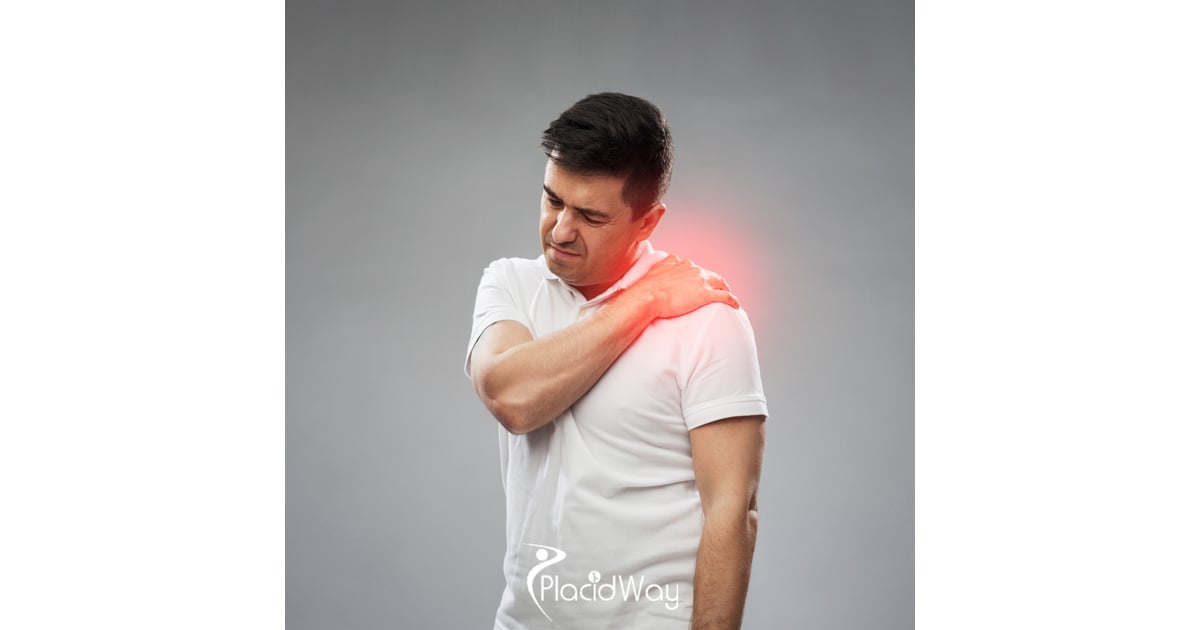
Arthritis affects millions of individuals globally, often leading to chronic pain and a significant decrease in daily mobility. For many Canadians, standard treatments may only offer temporary symptomatic relief or involve long waiting lists for invasive joint replacement surgeries. As a result, stem cell therapy for arthritis in Mexico has emerged as a compelling alternative for those seeking to actively manage joint degeneration.
This innovative approach to regenerative medicine focuses on utilizing biological mechanisms to support joint repair and reduce inflammation. Medical facilities across the border provide access to advanced cellular protocols that are typically restricted or unavailable in Canada. By opting for medical travel, patients can explore modern therapeutic avenues designed to potentially restore joint function and enhance their overall quality of life.
Mesenchymal stem cells (MSCs) are multipotent, meaning they have the unique ability to differentiate into various cell types, including cartilage and bone cells, making them highly valuable for orthopedic applications.
Why Canadians Seek Stem Cell Treatment in Mexico
The Canadian healthcare system, while robust in acute care, often experiences substantial bottlenecks when it comes to elective and orthopedic procedures. Patients dealing with severe osteoarthritis frequently face wait times stretching from several months to over a year just to consult a specialist or schedule a joint replacement. Because arthritis is a progressive condition, waiting prolonged periods can lead to further cartilage deterioration and intensified pain.
Due to these systemic delays, a growing demographic of patients looks outward for timely, accessible solutions. Medical tourism in Mexico offers an immediate pathway to care, bypassing extensive local queues. Additionally, Mexico’s medical sector has invested heavily in regenerative therapies, positioning the country as a global hub for patients demanding alternative options outside of traditional surgical interventions.
- Shorter wait times for medical consultations and procedure scheduling.
- Access to specialized regenerative protocols not yet widely approved in Canadian public health systems.
- Geographical proximity allows for relatively short and straightforward flights from major Canadian cities.
- The opportunity to combine medical care with a restful, warm-weather recovery environment.
How Regenerative Medicine Targets Joint Degeneration
Unlike traditional pain medications that simply mask symptoms or steroid injections that can degrade cartilage over time, cellular therapies aim to address the root cause of joint pain. When stem cells are injected into an arthritic joint, they generally release cytokines and growth factors. These biological signals typically instruct the body to reduce localized inflammation, which is the primary driver of arthritis pain.
Furthermore, these therapies are designed to support the body’s natural tissue repair processes. While they do not magically regrow an entirely new joint, the immunomodulatory properties of the cells may help stabilize cartilage degradation. This process encourages a healthier joint environment, often resulting in improved lubrication, decreased stiffness, and enhanced range of motion for the patient.
Stem cells don't just physically rebuild tissue; they function like "managers" in the joint, secreting proteins that instruct your existing local cells to calm inflammation and begin repairing damage.
Stem Cell Therapy Cost in Mexico vs Canada Comparison
Financial considerations are a major factor when deciding to travel for healthcare. Affordable stem cell treatment in Mexico provides a significant cost advantage over the private clinics operating in Canada and the United States. In North America, out-of-pocket costs for unlisted regenerative treatments can be prohibitively high, often pricing out the average patient.
Mexican clinics are able to offer competitive pricing due to a lower cost of living, reduced administrative overhead, and specialized laboratory infrastructure. It is important to note that costs vary based on the joint being treated, the source of the stem cells (autologous vs. allogeneic), and the specific quantity of cells required for the patient's condition.
| Procedure Name | Average Cost in Mexico | Estimated Cost in Canada (Private) |
|---|---|---|
| Single Joint Injection (Knee/Hip) | $3,500 - $5,500 USD | $8,000 - $12,000 CAD |
| Bilateral Joint Injections (Both Knees) | $6,000 - $8,500 USD | $15,000 - $20,000 CAD |
| Comprehensive IV + Local Injection Package | $8,000 - $12,000 USD | $20,000+ CAD (Rarely Available) |
The Science Behind Joint Restoration Procedures
The efficacy of joint restoration largely relies on the distinct biological mechanisms of mesenchymal stem cells. Once introduced to a damaged knee or hip, these cells navigate toward the site of inflammation—a process known as homing. By sensing the local microenvironment, the cells adapt their behavior to address specific tissue deficits.
Researchers have found that cellular therapies typically inhibit the destructive enzymes that break down cartilage in osteoarthritic joints. Simultaneously, they stimulate native chondrocytes (cartilage cells) to produce new extracellular matrix, essentially attempting to resurface the worn areas. While the science is highly advanced, individual physiological responses dictate the overall success of the treatment.
According to orthopedic studies, regenerative medicine protocols have demonstrated a high safety profile, with adverse events largely limited to mild, temporary swelling or discomfort at the injection site.
Top Stem Cell Clinics in Mexico for International Patients
Selecting the right medical facility is the most critical step in an international health journey. The best stem cell clinics in Mexico feature state-of-the-art laboratories, internationally certified physicians, and stringent quality control protocols for cell harvesting and expansion. Many of these top-tier facilities cater specifically to medical tourists, offering English-speaking staff and comprehensive concierge services.
Patients seeking high-quality, targeted care often research an advanced stem cell clinic in Tijuana, Mexico, such as the Immunity Therapy Center. Facilities like this integrate multidisciplinary medical approaches, combining regenerative injections with supportive therapies. By utilizing advanced imaging technology to guide joint injections, these clinics maximize the precision and potential efficacy of the cellular delivery.
Safety and Regulations for Medical Tourism in Mexico
A common concern among Canadians traveling abroad is the safety and regulatory standards of foreign medical systems. Mexico’s federal health regulatory agency, COFEPRIS (Federal Commission for the Protection against Sanitary Risk), strictly monitors and licenses regenerative medicine facilities. Clinics legally offering these treatments must adhere to rigorous laboratory standards regarding cell cultivation, sterility, and patient safety.
Reputable medical centers prioritize patient screening to ensure safety. Before any procedure is performed, patients generally undergo comprehensive blood work, imaging reviews, and medical history evaluations to confirm they are suitable candidates. Strict contraindications exist; for example, individuals with active systemic infections or certain types of active cancers are typically advised against undergoing stem cell treatments.
Always verify that your chosen medical facility holds active COFEPRIS licensing for regenerative medicine. Unlicensed clinics may use unregulated cell products, significantly increasing health risks.
Types of Arthritis Treated with Regenerative Therapy
Arthritis is not a single disease but an umbrella term for over 100 different joint conditions. Regenerative protocols are customized based on the specific type of arthritis a patient is battling. The therapeutic approach varies significantly depending on whether the joint damage is caused by mechanical wear-and-tear or an autoimmune response.
Clinics offering regenerative medicine in Mexico commonly treat a variety of these conditions, leveraging the anti-inflammatory and tissue-supporting qualities of stem cells. The primary forms of arthritis addressed include:
- Osteoarthritis (OA): The most common form, caused by the gradual breakdown of joint cartilage, typically treated with localized intra-articular injections.
- Rheumatoid Arthritis (RA): An autoimmune condition requiring a systemic approach, often utilizing intravenous (IV) infusions to calm the overactive immune system.
- Psoriatic Arthritis: Similar to RA, systemic cellular therapy is generally used to reduce total body inflammation and joint swelling.
- Post-Traumatic Arthritis: Arthritis developing after a specific joint injury, highly responsive to targeted localized cell delivery.
For autoimmune conditions like Rheumatoid Arthritis, mesenchymal stem cells are valued for their ability to potentially "reboot" the immune system, teaching it to stop attacking healthy joint tissue.
The Typical Patient Journey for Cell Therapy in Mexico
Understanding the logistical flow of receiving medical care abroad helps alleviate anxiety. The journey usually begins weeks before the actual trip, with an initial telehealth consultation. During this phase, Canadian patients submit their MRI or X-ray reports securely so the medical team can evaluate joint spacing and determine if regenerative care is medically appropriate.
Upon arriving in Mexico, patients are usually greeted by clinic representatives and transported to the facility. The treatment protocol typically spans a few days. The first day involves in-person physical examinations and final laboratory testing. The actual cell extraction (if autologous) and injection process generally occurs on the second or third day, followed by a brief period of clinical observation before the patient is cleared to travel back home.
Always bring physical copies of your most recent medical imaging (X-rays, MRIs) on a disc or USB drive, along with the radiologist’s written report, to ensure the local medical team has immediate access to your history.
Preparing for Orthopedic Stem Cell Procedures Abroad
Proper preparation is crucial to maximizing the potential benefits of biological therapies. Medical professionals generally advise patients to optimize their health before the procedure. This typically involves eating an anti-inflammatory diet, remaining adequately hydrated, and halting the use of certain medications, such as NSAIDs (ibuprofen, naproxen) or corticosteroids, which can interfere with stem cell activity.
From a logistical standpoint, preparation also involves securing travel documentation and understanding post-procedure limits. Because the joints will be mildly inflamed and sensitive immediately following the injection, patients should arrange for wheelchair assistance at the airport and plan for a highly relaxed schedule upon returning to Canada.
Coordinate with a local physiotherapist in Canada before you leave. Let them know you are undergoing regenerative joint therapy so they can prepare a gentle, post-procedure rehabilitation plan for your return.
Recovery Expectations After Joint Cell Injections
Recovery from an intra-articular stem cell injection is vastly different from surgical rehabilitation. Patients typically experience a mild to moderate "flare-up" in the treated joint for the first 24 to 72 hours. This is a normal biological response indicating that the cells are active and the healing cascade has begun. Rest and localized ice therapy are usually recommended during this initial window.
After the first week, patients are generally encouraged to perform light, non-weight-bearing mobility exercises to circulate synovial fluid. Most individuals begin noticing a gradual reduction in baseline arthritis pain between the four-to-eight-week mark. Because tissue remodeling is a slow biological process, full structural and functional improvements may continue to develop over six to twelve months.
Patient Experience: Robert from Ontario
Facing a two-year wait for a knee replacement, Robert opted for treatment in Mexico. While the first few days post-injection were stiff, he gradually regained the ability to walk his dog without pain medication by month three.
Patient Experience: Susan from British Columbia
Diagnosed with severe rheumatoid arthritis, Susan received an IV stem cell infusion. She reported a significant decrease in her daily systemic fatigue and joint swelling within six weeks of returning to Canada.
Evaluating Success Rates for Stem Cells in Mexico
When considering stem cell therapy for arthritis in Mexico, managing expectations is vital. Success rates depend heavily on the patient's age, overall health, the severity of joint destruction, and post-treatment compliance with rehabilitation. While no medical procedure carries a 100% guarantee, clinical data points toward a high rate of patient satisfaction regarding pain reduction and mobility enhancement.
For patients with mild to moderate osteoarthritis, regenerative treatments often successfully delay or negate the need for total joint arthroplasty. However, for those with severe, "bone-on-bone" osteoarthritis where no cartilage remains, stem cells may only provide symptomatic pain relief rather than structural regeneration. Thorough pre-treatment screening ensures that only candidates with a high likelihood of benefiting are accepted.
Various international orthopedic studies suggest that up to 70-80% of appropriately screened patients experience a clinically significant reduction in joint pain and an improvement in joint function within six months of regenerative therapy.
Patient Experience: Mark from Alberta
Mark sought alternative options for his degenerating hip. He notes that while he isn't running marathons, the therapy provided enough relief to allow him to sleep through the night and return to golfing.
Patient Experience: Elena from Quebec
Elena treated bilateral knee osteoarthritis abroad. Following strict adherence to her post-treatment physiotherapy, she reports a 75% reduction in pain levels compared to her pre-treatment baseline.
How PlacidWay Assists Your Stem Cell Therapy Medical Tourism Journey in Mexico
Navigating the global healthcare landscape requires careful planning and trusted partnerships. PlacidWay acts as a vital bridge between Canadian patients and highly accredited medical institutions abroad. By utilizing a structured medical tourism platform, patients can make informed, secure decisions regarding their regenerative healthcare.
Our goal is to ensure a streamlined, transparent, and professionally managed medical journey. Here is how PlacidWay facilitates your healthcare experience:
- Coordinating preliminary remote medical evaluations with certified regenerative specialists.
- Providing access to comprehensive clinic profiles, including facility accreditations and physician credentials.
- Facilitating the secure and compliant transfer of your medical records and imaging to the treating facility.
- Offering dedicated patient advocacy to help you compare treatment protocols and clinical options.
- Assisting with clear, itemized medical quotes to ensure financial transparency prior to travel.
Frequently Asked Questions About Stem Cells in Mexico
Deciding to undergo medical treatment in another country naturally raises several questions. Below are some of the most common inquiries Canadian patients have when exploring joint regeneration options.
Is stem cell therapy for arthritis safe in Mexico?
Yes, when performed at certified clinics, stem cell therapy is generally safe. Medical facilities in Mexico typically follow strict international protocols to minimize infection and ensure cell viability.
How long does a stem cell procedure take?
The actual injection or IV infusion usually takes only a few hours. However, patients are typically advised to stay in Mexico for a few days to a week for comprehensive evaluations and follow-up care.
Do I need a special visa to travel to Mexico from Canada for medical reasons?
Canadian citizens generally do not need a special medical visa for short stays in Mexico. A valid passport and a standard tourist entry permit usually suffice for the duration of the treatment.
How soon can I expect results after joint stem cell injections?
Most patients typically notice gradual improvements in pain and mobility within four to twelve weeks. Biological healing takes time, and full regenerative effects may continue developing over several months.
Are the results of stem cell therapy permanent?
Stem cell therapy is not a guaranteed permanent cure, but it generally provides long-lasting relief. Depending on the severity of joint degeneration, results can last for several years before a booster might be considered.
Where do the stem cells come from?
Clinics typically use autologous cells derived from the patient’s own fat or bone marrow, or allogeneic mesenchymal stem cells sourced from ethically donated, thoroughly screened umbilical cord tissue.
Can stem cell therapy help avoid knee replacement surgery?
For some patients with mild to moderate osteoarthritis, regenerative therapy may help delay or eliminate the need for joint replacement. However, severe bone-on-bone arthritis may still require surgical intervention.
What is the follow-up care like when returning to Canada?
Top clinics usually coordinate remote follow-up consultations to monitor your progress. Patients are advised to work with their local Canadian physiotherapists to safely rebuild joint strength post-treatment.
Is stem cell treatment in Mexico covered by Canadian health insurance?
No, elective regenerative treatments abroad are typically not covered by provincial Canadian health plans. Patients generally pay out-of-pocket, though the lower costs in Mexico make it a feasible option.
What happens if my body rejects the stem cells?
If autologous cells (your own) are used, rejection risk is virtually nonexistent. When using screened allogeneic (donor) mesenchymal stem cells, rejection is extremely rare because these cells are highly immunomodulatory and generally evade the immune system.
Ready to explore your options for joint regeneration? Contact PlacidWay today to connect with top-rated medical providers.
References
- Arthritis Foundation. Stem Cell Therapy for Arthritis. https://www.arthritis.org/health-wellness/treatment/treatment-plan/disease-management/expert-q-a-stem-cells-and-prp-for-arthritis
- National Institutes of Health (NIH). Mesenchymal Stem Cells in Osteoarthritis Therapy. https://pmc.ncbi.nlm.nih.gov/articles/PMC7868850/
- Mayo Clinic. Stem cells: What they are and what they do. https://www.mayoclinic.org/tests-procedures/bone-marrow-transplant/in-depth/stem-cells/art-20048117
















Share this listing