


For decades, individuals struggling with severe alcohol use disorder have sought solutions through traditional rehabilitation programs, often facing cycles of relapse. The physical and psychological grip of alcohol dependence makes achieving long-term sobriety incredibly challenging. As awareness of alternative therapies grows, many US patients are turning their attention toward Ibogaine treatment for alcohol addiction in neighboring countries. This naturally occurring psychoactive alkaloid, derived from the root bark of the African Tabernanthe iboga shrub, is gaining international recognition for its unique potential to interrupt deep-seated addiction pathways.
While traditional rehab focuses heavily on gradual detoxification and behavioral counseling, Ibogaine therapy aims to provide a rapid neurochemical reset. Patients who have exhausted standard 12-step programs and conventional detox protocols are increasingly viewing this alternative therapy as a vital stepping stone toward recovery. By targeting the brain's receptor sites, the treatment often significantly diminishes acute withdrawal symptoms and dampens persistent cravings. Consequently, medical tourism in Mexico has become a prominent avenue for those determined to reclaim their lives from the devastating effects of alcohol.
Ibogaine was initially introduced to Western medicine in the 1960s by Howard Lotsof, who accidentally discovered its anti-addictive properties when it eliminated his own substance cravings without experiencing withdrawal symptoms.
Why US Patients Choose Ibogaine Therapy in Mexico
The primary driver behind the surge of US patients seeking alternative addiction treatments abroad is the regulatory landscape in the United States. Ibogaine is currently classified as a Schedule I substance by the FDA, meaning it is strictly prohibited for clinical use or prescription within the country. For individuals whose lives are unraveling due to chronic alcohol consumption, waiting for potential future FDA approval is simply not a viable option. Mexico, sharing a close and accessible border with the US, offers a legally permissive environment where this treatment can be administered in clinical settings.
Beyond legal availability, the overall ecosystem of Ibogaine clinics in Mexico caters specifically to the needs of international patients. Facilities often feature English-speaking medical staff, private recovery suites, and comprehensive holistic care models. The proximity of cities like Tijuana allows for straightforward travel logistics, making the prospect of crossing the border for advanced medical care significantly less daunting. Patients find solace in knowing they can access pioneering therapies just a short flight or drive from their home state.
According to studies on global healthcare travel, Mexico consistently ranks as the second most popular medical tourism destination globally, drawing over 1.2 million international patients annually for various treatments.
How Ibogaine Works to Break Alcohol Dependence
The science behind Ibogaine is complex, yet its impact on the addicted brain is profound. When administered, the alkaloid interacts with multiple neurotransmitter systems simultaneously, including serotonin, dopamine, and NMDA receptors. For an individual dependent on alcohol, these neural pathways have been severely altered, leading to the compulsive need to drink. Ibogaine promotes an increase in Glial Cell Line-Derived Neurotrophic Factor (GDNF), a protein that helps repair and regenerate damaged neural circuits. This biological mechanism typically helps to restore the brain to a pre-addiction state, sharply reducing the physical compulsion to consume alcohol.
In addition to the physical reset, Ibogaine is a powerful oneirogen—a substance that induces a dream-like state while the patient is fully awake. Most patients experience a deeply introspective, visionary phase lasting several hours. During this time, suppressed memories, past traumas, and the root psychological causes of the addiction are often brought to the surface. By confronting these emotional anchors in a safe, clinical environment, patients are generally better equipped to process their trauma, laying a stronger psychological foundation for lasting sobriety.
Unlike traditional maintenance medications (like Methadone or Suboxone for opioids), Ibogaine is not an ongoing replacement therapy. It is generally administered in a single, large macro-dose designed to interrupt the addiction cycle entirely.
Affordable Ibogaine Cost in Mexico Compared to the US
Financial considerations play a major role in the decision-making process for medical tourists. In the United States, standard inpatient luxury rehabilitation programs can be prohibitively expensive, often failing to yield permanent results despite the high investment. Because Ibogaine therapy is not legally available in the US, direct comparisons are drawn against the costs of these standard American luxury rehabs versus the specialized affordable Ibogaine in Mexico. Mexican clinics are able to provide intensive, medically supervised care at a fraction of the cost of standard stateside rehabilitation.
Understanding the breakdown of the Ibogaine cost in Mexico is vital for budgeting your medical journey. Comprehensive packages usually bundle the primary medication, required medical screening, accommodation, nutritional support, and immediate aftercare. The table below illustrates the typical market ranges for these procedures, demonstrating the clear financial advantage of choosing Mexico for this specialized care.
| Procedure / Service Type | Average Cost in Mexico | Standard Cost in the US (Inpatient Rehab Eqv.) |
|---|---|---|
| Full Ibogaine Detox Program (7-10 Days) | $5,000 - $8,500 | $15,000 - $30,000+ (Standard Care) |
| Advanced Medical Screening (ECG, Bloodwork) | $200 - $500 | $1,000 - $2,500 |
| Aftercare & Integration Coaching (1 Month) | $500 - $1,000 | $2,000 - $5,000 |
When evaluating clinic costs, always ask for an itemized breakdown. Ensure that pre-treatment medical evaluations (such as electrocardiograms) and 24-hour nursing care are explicitly included in the quoted price.
The Medical Tourism Experience for Rehab in Mexico
Embarking on a journey for addiction treatment in a foreign country can initially feel intimidating. However, the infrastructure supporting medical tourism in Mexico is highly developed, specifically tailored to put international patients at ease. From the moment you arrive, whether flying into San Diego to cross into Tijuana or landing directly in Cancun, specialized clinics ensure a seamless transition. The facilities are typically designed not as sterile hospital wards, but as serene, retreat-like environments aimed at fostering holistic healing and peace of mind.
During the stay, patients are immersed in an atmosphere completely detached from the daily triggers that fuel their alcohol consumption. The warm climate, hospitable culture, and emphasis on patient-centered care provide a comforting backdrop to what is undeniably a rigorous internal journey. Facilities generally provide chef-prepared meals focused on nutritional rebuilding, alternative wellness practices like yoga or meditation, and tranquil spaces for reflection, all of which are essential components of the recovery process.
Preparing for Your Ibogaine Journey to Mexico
Preparation is the cornerstone of a safe and effective treatment experience. The process begins long before you cross the border, starting with comprehensive remote medical consultations. Due to the intense physiological effects of the treatment, patients must undergo strict medical vetting. This typically includes a full cardiovascular evaluation, liver function tests, and a psychological assessment to ensure they are viable candidates. Honesty about your medical history and current substance use is absolutely non-negotiable during this phase.
Psychological preparation is equally important. Ibogaine is not a passive experience; it demands emotional courage. Patients are encouraged to set clear intentions for their healing, mentally preparing to confront uncomfortable truths about their addiction. Arriving with a mindset focused on transformation, rather than simply expecting an overnight cure, significantly enhances the efficacy of the treatment. Many clinics offer pre-treatment counseling to help align patients' expectations with the realities of the profound visionary journey ahead.
Ibogaine treatment carries inherent cardiovascular risks and is strictly contraindicated for individuals with certain heart conditions, liver disease, or those currently taking specific psychiatric medications. Never undergo this therapy without rigorous medical screening and professional oversight.
Safety Protocols at Top Ibogaine Clinics in Mexico
The safety of international patients is the paramount concern for reputable facilities offering this therapy. Because the substance significantly impacts heart rhythm—specifically by prolonging the QT interval—advanced medical oversight is critical. The highest-rated clinics operate akin to intensive care units during the administration phase. They are fully equipped with emergency life-support systems, advanced cardiac monitoring, and intravenous hydration capabilities to manage any unexpected medical events.
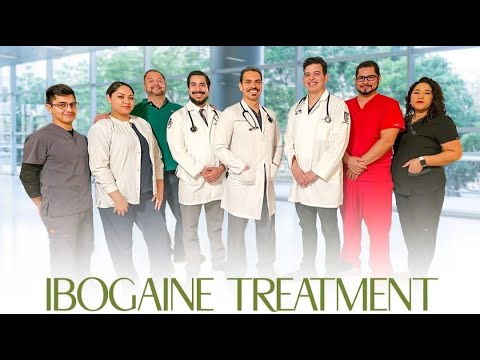
Furthermore, safety is ensured by the presence of a multidisciplinary medical team. Treatments are generally supervised by licensed medical doctors, cardiologists on call, and specialized nurses with extensive experience in psychedelic-assisted therapies. This clinical rigor separates high-quality medical tourism destinations from unsafe, underground operations. Proper safety protocols mean that the patient's vital signs are continuously monitored, ensuring that the physical detox is managed as safely as the psychological journey.
High-standard clinics use purified Ibogaine Hydrochloride (HCl) rather than raw root bark. This precise medical-grade extract allows doctors to calculate exact dosages based on a patient’s body weight and medical profile, drastically improving treatment safety.
What to Expect During the Ibogaine Detox Process
The actual administration of the treatment is a multi-phased physiological and psychological event. Once medical clearance is confirmed, the patient is given a test dose to rule out allergic reactions, followed by the full therapeutic dose. Within the first hour, patients typically experience ataxia (loss of motor coordination) and a buzzing sensation, marking the onset of the acute phase. During this time, it is standard practice to remain lying down in a quiet, darkened room while wearing eye shades, closely monitored by the medical staff.
The visionary phase, often described as an intensely lucid waking dream, can last anywhere from 12 to 24 hours. Patients frequently report viewing their lives through a deeply objective lens, understanding the root causes of their alcohol dependency without the usual emotional defensiveness. As the visionary effects subside, the integration phase begins. This is characterized by profound physical exhaustion but mental clarity. The body is effectively flushed of the severe physical cravings for alcohol, paving the way for the critical work of emotional rebuilding.
The Role of Aftercare Following Ibogaine Therapy in Mexico
A common misconception is that the detox process alone guarantees lifelong sobriety. In reality, Ibogaine acts as a powerful catalyst, opening a crucial window of opportunity where the brain is free from chemical dependency and highly neuroplastic. However, the real work begins during the aftercare phase. Without integrating the insights gained during the treatment into daily life, patients risk returning to old habits. Comprehensive Ibogaine treatment for alcohol addiction must include robust post-treatment support.
Top-tier clinics recognize this necessity and typically provide structured integration programs before the patient returns to the US. This involves working with psychologists and specialized integration coaches to dissect the visionary experience. Patients develop tailored relapse prevention strategies, establish healthy boundaries, and focus on nutritional rehabilitation. Continued therapy, whether through local support groups or telehealth counseling, is essential to maintaining the profound reset achieved during their stay.
Before booking your treatment, organize your post-treatment environment. Remove alcohol from your home, inform a trusted support network of your return, and schedule appointments with a local therapist to ensure a smooth transition back into everyday life.
Exploring New Path Ibogaine Tijuana for Your Recovery
When selecting a destination for this sensitive procedure, Tijuana stands out as one of the most accessible hubs for American citizens. The region boasts a concentration of facilities specializing in advanced addiction therapies. For patients seeking a highly rated environment that balances clinical safety with holistic care, exploring New Path Ibogaine in Tijuana Mexico provides a clear example of the standard of care available. Facilities in this region are designed to offer a tranquil space amidst the necessary medical infrastructure.
Choosing a clinic requires careful consideration of the medical team's expertise and the thoroughness of their protocols. Clinics located in prominent medical tourism hubs like Tijuana usually streamline the entire process, offering specialized transport from San Diego airports directly to their private facilities. By focusing on centers that prioritize comprehensive pre-care, intensive monitoring during the procedure, and structured integration, patients significantly improve their odds of a transformative recovery experience.
Legal Status and Regulations for Ibogaine in Mexico
Navigating the legalities of medical travel is a common concern for international patients. In Mexico, Ibogaine is unregulated; it is not classified as a controlled substance, making it entirely legal to possess, administer, and use within the country. This legal freedom has allowed Mexico to become a global epicenter for psychedelic-assisted therapies. However, it is vital to understand that "unregulated" means the government does not strictly oversee the clinics, which places the burden of due diligence squarely on the patient.
Because there is no central governing body enforcing standardization, the quality of care can vary dramatically between providers. This highlights the absolute necessity of working through reputable medical tourism platforms that thoroughly vet and accredit their partner facilities. Ensuring the clinic adheres to international medical standards, employs certified medical professionals, and follows strict safety protocols is crucial for a secure and legally compliant health journey.
Even though it is legal to receive the treatment in Mexico, it is strictly illegal to bring Ibogaine back into the United States. Patients must complete their entire treatment and recovery protocol before crossing the border back home.
Patient Success Stories with Ibogaine Detox in Mexico
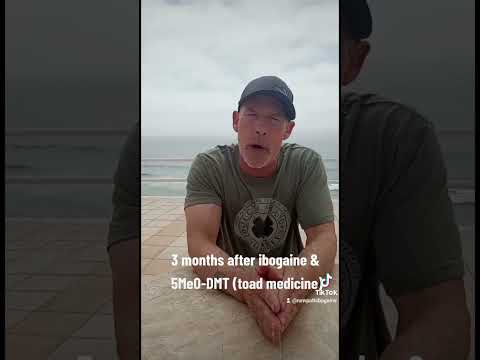
Statistics and medical facts provide the foundation of understanding, but the human element truly illustrates the impact of this therapy. Many individuals who travel for Ibogaine treatment in Mexico arrive feeling hopeless, having tried and failed multiple conventional avenues. Listening to the experiences of those who have walked this path offers immense encouragement and a realistic perspective on the recovery process.
While every individual's physiological and psychological makeup is unique, and results can never be guaranteed, the shared sentiment among successful patients is one of profound mental clarity and liberation from the immediate physical urges of addiction. Here are typical summaries of the transformative experiences shared by medical tourists.
Michael’s Breakthrough
After 15 years of severe alcohol dependency and multiple failed rehab stints in the US, Michael traveled to Mexico. He reported that the treatment completely eliminated his daily withdrawal tremors and allowed him to confront the grief of a family loss that initially triggered his drinking. He has maintained his sobriety with ongoing local therapy.
Sarah’s Shift in Perspective
Sarah felt trapped in a cycle of high-functioning alcoholism. Seeking a discrete and rapid solution, she utilized a medically supervised clinic in Tijuana. She described her visionary phase as a "hard reset" on her brain, allowing her to return to her career with zero cravings and a newfound appreciation for her health.
David’s Physical Relief
Struggling with the severe physical toll of daily drinking, David was terrified of detox seizures. Under expert cardiac and medical care in Mexico, he safely navigated the withdrawal. He emphasizes that the lack of physical cravings post-treatment was the miracle he needed to engage meaningfully in his aftercare coaching.
Elena’s Path to Peace
For Elena, alcohol was a coping mechanism for severe anxiety. Her medical journey abroad provided her with profound psychological insights. By understanding her emotional triggers during the therapy, she returned to the US equipped with the mental fortitude to choose holistic anxiety management over alcohol.
How PlacidWay Assists Your Ibogaine Medical Tourism Journey in Mexico
Navigating the vast landscape of international healthcare can be overwhelming, especially when seeking treatment for something as critical as addiction. Identifying trustworthy clinics, verifying medical credentials, and understanding international care protocols require specialized knowledge. This is where professional medical tourism facilitators step in to bridge the gap between US patients and elite international healthcare providers.
PlacidWay serves as an essential resource, empowering patients with the information and connections needed to make safe, informed decisions. By focusing on quality care and comprehensive support, the platform simplifies the process of finding specialized addiction therapies abroad.
- Facilitating direct connections with heavily vetted and accredited clinical facilities in Mexico.
- Providing comprehensive educational resources to help patients understand complex treatment protocols and medical requirements.
- Coordinating initial remote consultations between the patient and international medical specialists.
- Offering transparent, detailed overviews of medical facility capabilities, emergency preparedness, and physician credentials.
- Assisting patients in comparing different customized health packages based on their unique medical histories and care needs.
Frequently Asked Questions About Ibogaine in Mexico
When considering such a profound medical and psychological undertaking, having clear, concise information is essential. Patients and their families naturally have numerous concerns regarding the safety, logistics, and efficacy of traveling abroad for alternative addiction treatments.
Below are some of the most frequently asked questions from international patients exploring this path to recovery. These insights aim to provide a clearer understanding of what to expect from the medical tourism process.
Is Ibogaine legal in Mexico for alcohol addiction treatment?
Yes, Ibogaine is unregulated and legal to administer in Mexico in specialized clinical settings. This makes it a primary destination for medical tourists seeking alternative addiction therapies not available in the US.
How much does Ibogaine treatment cost in Mexico?
The cost of comprehensive Ibogaine therapy in Mexico generally ranges between $5,000 and $8,500. This typically includes medical screening, the acute treatment phase, and standard inpatient care during recovery.
Is Ibogaine safe for treating alcohol addiction?
While most patients experience a safe detoxification when properly screened, Ibogaine does carry cardiovascular risks. It is crucial to undergo rigorous medical evaluation, including an ECG and liver panel, prior to administration.
How long does the Ibogaine experience last?
The acute visionary phase of Ibogaine typically lasts between 12 to 24 hours. However, the full physical and psychological reset process requires a specialized inpatient stay of at least 7 to 10 days.
Can Ibogaine cure alcoholism permanently?
There is no magic cure for addiction. Ibogaine generally serves as a powerful pattern interrupt, significantly reducing cravings, but long-term sobriety requires dedication to ongoing aftercare and integration coaching.
Do I need a passport to travel to Mexico for medical treatment?
Yes, US citizens need a valid passport to cross the border into Mexico and return to the United States. Ensure your passport is valid for at least six months beyond your planned travel dates.
What medical tests are required before taking Ibogaine?
Reputable clinics require comprehensive blood work, a liver function panel, and a 12-lead ECG. These tests ensure your heart and organs can safely handle the physiological stress of the treatment.
Will I have medical supervision during the treatment?
Yes, top-rated facilities provide 24/7 medical supervision by doctors and nurses. Continuous heart rate and vital sign monitoring are standard protocols during the acute phase of the therapy.
What happens after the Ibogaine treatment is over?
Following the acute phase, patients enter a recovery and integration period. This involves rest, nutritional therapy, and psychological counseling to help process the experience and plan for continued sobriety.
Can I travel alone for my Ibogaine procedure?
While many patients do travel alone, it is highly recommended to arrange proper medical facilitation. Reliable clinics offer local transportation and dedicated support staff to ensure you are safe throughout your medical tourism journey.
Take the first step toward reclaiming your life from addiction. Contact PlacidWay today to explore safely accredited clinics and start your transformative journey to Mexico.
Medical Disclaimer: This article is for informational purposes only and is not medical advice. Always consult a qualified healthcare provider before any medical decisions. Results may vary. Read Full Disclaimer here.
References?
- Multidisciplinary Association for Psychedelic Studies (MAPS). Ibogaine Therapy Research. https://maps.org/ibogaine/
- Centers for Disease Control and Prevention (CDC). Medical Tourism: Travel for Health Care. https://wwwnc.cdc.gov/travel/page/medical-tourism
- National Institutes of Health (NIH). The Globalization of Healthcare: Medical Tourism. https://www.nih.gov/





.png)
.png)
.png)








Share this listing