

For many individuals suffering from treatment-resistant depression, finding a therapeutic approach that brings lasting relief can feel like an insurmountable challenge. In recent years, a growing number of patients have begun researching ibogaine therapy in Mexico as a profound alternative to traditional psychiatric interventions. Derived from the root bark of the West African Tabernanthe iboga plant, this naturally occurring psychoactive alkaloid has historically been utilized in traditional spiritual practices but is now gaining international recognition for its potential to interrupt severe depressive episodes. Although primarily famous for its application in addiction interruption, its unique ability to reset neurological pathways has made it a focal point for mental health researchers globally.
Because the substance remains tightly restricted in countries like Canada and the United States, medical tourists are increasingly seeking care across borders where legislation allows for clinical applications. Opting for medical tourism in Mexico provides these patients with access to specialized facilities that administer the plant medicine under strict medical observation. The journey requires immense courage and thorough preparation, as the psychological experience induced by the alkaloid is generally described as highly intense and physically demanding. However, for those who feel failed by standard medications, exploring this transformative therapy offers a renewed sense of hope.
Ibogaine differs from other psychedelics like psilocybin or LSD because it uniquely targets multiple neurotransmitter systems simultaneously, including serotonin and dopamine, while interacting directly with the brain's opioid receptors.
- Psychoactive Nature: Induces a dream-like state (oneirophrenia) allowing patients to process deeply rooted emotional trauma.
- Neurological Reset: Typically helps in down-regulating receptors that have been chronically disrupted by stress and depression.
- Clinical Setting: Administered in highly controlled environments to monitor cardiovascular and psychological responses.
- Alternative Option: Serves as a last-resort intervention for patients whose depression has not responded to SSRIs or cognitive therapies.
Why Canadians Choose Medical Tourism in Mexico for Mental Health
The Canadian healthcare system is widely respected, but individuals dealing with deeply entrenched, treatment-resistant depression often face long waiting lists and a limited spectrum of available therapies. This limitation drives many to seek innovative depression treatments abroad. Mexico has emerged as a premier destination for Canadians due to its geographical proximity, accessible flight routes, and advanced medical infrastructure catering specifically to international patients. By crossing the border, Canadians can bypass domestic regulatory roadblocks that classify certain psychedelic medicines as Schedule I substances, thereby accessing specialized care that is otherwise legally unavailable to them at home.
Furthermore, medical tourism in Mexico offers a compassionate, holistic approach to mental health care that resonates with international patients. Many clinics in the region employ interdisciplinary teams consisting of cardiologists, psychotherapists, and specialized nurses who understand the unique vulnerabilities of those struggling with severe mood disorders. These centers combine modern clinical safety protocols with integrative therapeutic practices, creating an environment focused entirely on patient healing. This blend of medical oversight and profound psychological intervention makes the destination incredibly appealing for Canadians searching for life-altering mental health breakthroughs.
Testimonial Summary: A Canadian's Perspective
After struggling with clinical depression for over a decade, a patient from Toronto traveled to a specialized clinic in Mexico. They reported that the medically supervised environment helped them feel incredibly safe, allowing them to finally confront the root causes of their emotional distress without judgment.
- Regulatory Freedom: Mexico allows for the legal, clinical administration of therapies restricted in Canada.
- Proximity: Direct flights from major Canadian cities make travel relatively stress-free for patients.
- Specialized Care: Clinics focus specifically on complex psychological traumas and treatment-resistant mood disorders.
- Holistic Focus: Programs typically integrate medical supervision with psychological counseling and mindfulness practices.
How Ibogaine Treatment in Mexico Impacts the Brain
To understand the profound effects of ibogaine treatment for depression, one must look at how the substance actively rewires the brain's intricate neural networks. When administered at a flood dose, the alkaloid promotes an exceptional level of neuroplasticity—the brain’s ability to reorganize itself by forming new neural connections. This biological mechanism is crucial for patients suffering from persistent depressive disorders, as long-term depression often leads to rigid, negative thought loops and a reduction in neural adaptability. By temporarily increasing the production of glial cell line-derived neurotrophic factor (GDNF), the brain is encouraged to repair damaged pathways and regenerate healthy cellular communication.
In addition to promoting structural brain health, this therapy deeply influences major neurotransmitter systems associated with mood regulation. It interacts comprehensively with serotonin and dopamine receptors, gently restoring their natural balance without the chronic dependency associated with daily pharmaceutical use. Most patients report entering an introspective state where they can objectively view traumatic memories and emotional blockages that contribute to their depressive symptoms. This profound psychological journey, coupled with a physiological neurological reset, makes ibogaine therapy in Mexico a uniquely powerful tool for emotional rehabilitation.
Studies published in pharmacological journals suggest that treatments promoting GDNF release, similar to ibogaine's mechanism, can facilitate a neuroplastic window lasting up to several weeks post-treatment, significantly aiding psychological recovery.
- Neuroplasticity Boost: Encourages the brain to build new, healthier thought pathways by releasing vital growth factors.
- Receptor Reset: Works to stabilize serotonin and dopamine systems, which are typically dysregulated in depressed patients.
- Trauma Processing: The oneirophrenic state allows for waking-dream introspection, helping patients confront suppressed traumas.
- Systemic Detoxification: Clears the body and brain of chemical imbalances accumulated through years of chronic stress.
Analyzing the Affordable Ibogaine Therapy Cost in Mexico
Cost is a significant factor for anyone considering international medical travel, and understanding the financial commitment is vital for comprehensive planning. The affordable ibogaine therapy in Mexico is highly attractive when compared to the compounding costs of lifelong psychiatric consultations, various prescription medications, and lost wages due to debilitating depressive episodes. Generally, the cost encompasses a fully integrated residential stay, intensive pre-treatment medical diagnostics, the administration of the medicine, and continuous cardiovascular monitoring. By offering all-inclusive therapeutic packages, Mexican clinics provide exceptional value while maintaining rigorous international medical standards.
When comparing the ibogaine cost in Mexico to potential out-of-pocket expenses for similar alternative treatments in North America, patients find that medical tourism provides substantial financial relief. Below is a realistic comparison of costs associated with extensive mental health interventions. While prices vary based on the specific clinic's amenities and the length of the required post-treatment integration, Mexico consistently offers a highly competitive rate for specialized psychiatric care.
The comprehensive pricing of Mexican ibogaine clinics typically includes 24/7 nursing care, specialized cardiac monitoring equipment, and extensive psychological counseling sessions, making it a high-value medical package.
| Procedure / Service | Average Cost in Mexico (USD) | Estimated Cost in Canada/USA (USD) |
|---|---|---|
| Comprehensive Ibogaine Therapy Package (7-10 Days) | $5,000 - $10,000 | Legally Unavailable / Alternative Therapies: $15,000+ |
| Pre-Treatment Medical Screening (EKG, Blood Work) | Included in Package | $500 - $1,500 |
| Professional Psychological Integration Sessions | Included in Package | $150 - $300 per hour |
What to Expect During Ibogaine Treatment for Depression in Mexico
Embarking on a journey for transformative therapy in Mexico requires mental fortitude and a clear understanding of the treatment protocol. Upon arrival at a reputable facility, patients do not immediately receive the medicine. The first few days are dedicated to acclimatization, psychological preparation, and rigorous medical examinations to ensure the body is ready for the physically demanding experience. During this pre-care phase, patients work closely with therapists to set distinct intentions and outline the personal traumas or depressive symptoms they hope to address during their profound inward journey.
The actual administration of the medicine, known as a "flood dose," is a highly monitored event lasting anywhere from 12 to 24 hours. Most patients experience intense visions and a deep review of their life choices, relationships, and internal blockages. This phase is typically followed by a "gray day," a 24 to 48-hour period of physical exhaustion and emotional vulnerability where the brain actively rests and begins the neuroplastic integration. Being in a supportive environment like an ibogaine clinic in Mexico ensures that medical staff are constantly present to manage any discomfort and provide immediate reassurance during these vulnerable hours.
Approach your treatment with an open mind and practice letting go of expectations. Resistance to the intense emotional surfacing during a flood dose can make the experience more challenging; surrendering to the process is vital.
- Acclimatization Phase: Initial days focus on rest, medical clearance, and setting clear therapeutic intentions.
- The Flood Dose: A 12-to-24-hour period of intense psycho-spiritual introspection under continuous medical watch.
- The Processing Phase: A day of significant physical fatigue where the brain processes the intensive neurological activity.
- Early Integration: Engaging in light counseling and restorative therapies before returning home.
Screening and Medical Safety at Ibogaine Clinics in Mexico
Patient safety is the absolute cornerstone of any legitimate medical procedure, and this holds especially true for psychedelic interventions. Top-tier facilities prioritizing safe medical tourism in Mexico implement exhaustive medical screening protocols long before a patient is cleared for treatment. The primary concern is cardiovascular health, as the alkaloid can significantly impact the heart's electrical system, specifically by prolonging the QT interval. Therefore, comprehensive electrocardiograms (EKGs), thorough liver function panels, and detailed metabolic blood tests are mandatory prerequisites to rule out any underlying health risks.
Moreover, ethical practitioners place high importance on psychological screening to ensure the patient is a suitable candidate for this level of profound therapy. Individuals with a history of schizophrenia, active psychosis, or certain severe personality disorders are generally disqualified due to the risk of exacerbating their conditions. Choosing specialized ibogaine treatment centers in Mexico guarantees that a team of advanced life support (ACLS) certified medical professionals is always on standby, equipped with crash carts and emergency protocols, ensuring that patient well-being is never compromised.
Ibogaine treatment carries serious cardiovascular risks. It is strictly contraindicated for individuals with pre-existing heart conditions, liver disease, or those actively taking certain medications like SSRIs. Complete honesty regarding your medical history is imperative.
- Cardiac Screening: Mandatory EKG testing to measure heart rhythm and rule out QT interval prolongation risks.
- Blood Diagnostics: Comprehensive metabolic panels to ensure the liver and kidneys can safely metabolize the alkaloid.
- Medication Tapering: Strict protocols to safely wean patients off contraindicated psychiatric medications prior to arrival.
- Emergency Preparedness: Reputable centers maintain fully stocked crash carts and employ ACLS-certified nursing staff 24/7.
Legal Status and Regulations of Ibogaine Therapy in Mexico
Navigating the complex landscape of international medical travel requires a thorough understanding of the legal frameworks governing specific treatments. In Canada and the United States, ibogaine is classified as a Schedule I controlled substance, rendering it illegal to possess, distribute, or administer in clinical settings. This strict prohibition is the primary catalyst driving the surge in medical tourism in Mexico for mental health solutions. By traveling south, international patients navigate a completely different regulatory environment where the medicinal application of this alkaloid is permitted under specific clinical guidelines.
In Mexico, the substance is not scheduled as a prohibited narcotic, which allows medical professionals to operate dedicated treatment centers legally. However, it is essential to understand that the industry is largely self-regulated, meaning the quality of care can vary significantly between facilities. International patients seeking ibogaine therapy in Mexico must exercise immense diligence, ensuring they select clinics that voluntarily adhere to global medical standards and adhere to the safety protocols established by international psychedelic research communities.
Because Mexico allows for the legal administration of this treatment, the country has inadvertently become a global hub for pioneering clinical practices and observational research in psychedelic-assisted therapies.
- Unregulated Status: Allows legal operation of clinics but necessitates careful vetting by prospective patients.
- Global Alternative: Provides a legal sanctuary for patients from countries with strict Schedule I drug laws.
- Voluntary Standards: Top-tier clinics willingly adopt strict safety protocols recommended by psychedelic research organizations.
- Prescription Use: Administered as part of a comprehensive therapeutic and medical prescription within the clinic.
Preparing for Your Medical Travel to Mexico for Ibogaine
Preparation is a vital component of ensuring a safe and effective therapeutic experience abroad. When Canadians decide to pursue depression treatment in Mexico, the preparation phase begins weeks, if not months, in advance. Physically, patients are generally required to modify their diets, eliminate alcohol consumption, and engage in specific physical activities to strengthen their cardiovascular system. Most critically, patients must work with their local prescribing physicians to safely taper off any contraindicated medications, such as SSRIs or anti-anxiety drugs, which can cause dangerous interactions if combined with the plant medicine.
Psychological preparation is equally paramount for those embarking on medical travel to Mexico. Patients are encouraged to engage in mindfulness practices, journaling, and pre-treatment counseling to set clear, actionable intentions for their journey. Organizing the logistical aspects—such as securing passports, arranging flights to major hubs like Cancun or Tijuana, and communicating detailed travel itineraries with the chosen clinic—helps minimize pre-treatment anxiety, allowing the patient to focus entirely on their impending healing process.
Create a strong support network back home before you leave. Having trusted friends or a dedicated integration therapist ready to support you upon your return is essential for maintaining the positive shifts achieved during your stay.
- Medical Tapering: Safely discontinuing contraindicated medications strictly under the supervision of a licensed physician.
- Logistical Planning: Ensuring passports are valid and arranging direct flights to the medical destination.
- Dietary Adjustments: Adopting clean eating and abstaining from alcohol or recreational substances prior to treatment.
- Mental Conditioning: Utilizing journaling and meditation to prepare for deep emotional introspection.
The Role of Integration After Ibogaine Treatment in Mexico
While the physical administration of the medicine takes only a few days, the true work of ibogaine therapy in Mexico begins after the patient returns home. The treatment provides a profound "window of neuroplasticity" that typically lasts for several months, during which the brain is highly receptive to behavioral changes. However, the medicine itself is not a magic cure; it is a catalyst. To convert these temporary psychological insights into permanent lifestyle changes, robust and structured post-treatment integration is absolutely critical for patients battling chronic depression.
Integration involves consistently working with a therapist, counselor, or specialized integration coach to process the complex visions and emotions unearthed during the flood dose. For Canadians returning from medical tourism in Mexico, maintaining the momentum of healing means actively implementing healthier habits, establishing boundaries, and utilizing cognitive behavioral tools. Without dedicated integration, patients run the risk of slipping back into familiar depressive thought patterns once the initial neurochemical "afterglow" begins to fade.
Testimonial Summary: The Importance of Aftercare
A patient from Vancouver noted that while the treatment in Mexico broke their severe depressive cycle, the bi-weekly integration therapy they engaged in back home was what truly allowed them to rebuild their life and maintain long-term emotional stability.
- Professional Support: Engaging with therapists trained in psychedelic integration immediately upon returning home.
- Behavioral Changes: Actively applying the psychological insights gained during the treatment to daily life decisions.
- Community Support: Joining support groups or connecting with others who have undergone similar therapeutic journeys.
- Patience and Grace: Understanding that emotional processing is non-linear and allowing time for ongoing emotional healing.
Exploring Alternative Depression Treatments in Mexico
While the profound effects of plant medicines attract many, it is important to recognize that it is not the only option available for international patients. Clinics offering depression treatment in Mexico frequently provide a broad spectrum of alternative and complementary therapies. For individuals who may not medically qualify for a high-intensity cardiovascular experience, exploring options like Ketamine Infusion Therapy, Transcranial Magnetic Stimulation (TMS), or hyperbaric oxygen therapy can offer substantial relief from severe depressive symptoms without the same level of physical risk.
Furthermore, many forward-thinking centers involved in medical tourism in Mexico are beginning to combine these modalities to create highly customized healing protocols. For instance, a patient might undergo mild neurostimulation or ketamine therapy combined with intensive psychotherapy and nutritional recalibration. By exploring a holistic suite of interventions, medical tourists can find a tailored approach that fits their specific physiological profile and psychological needs, ensuring they receive the safest and most effective care possible.
Mexico is home to numerous advanced psychiatric centers that utilize FDA-approved technologies like TMS alongside innovative holistic therapies, offering a comprehensive ecosystem for mental health medical tourists.
- Ketamine Therapy: Offers rapid relief for treatment-resistant depression in a highly controlled, medically safe environment.
- TMS Treatments: Uses magnetic fields to stimulate nerve cells in the brain, improving symptoms of severe mood disorders safely.
- Holistic Protocols: Integrates modern psychiatric care with traditional wellness practices like yoga and advanced nutrition.
- Customized Care: Allows patients disqualified from intense psychedelic treatments to still find effective therapeutic alternatives.
Success Rates and Limitations of Ibogaine Therapy in Mexico
When evaluating international health options, managing expectations regarding outcomes is crucial. The success rates of ibogaine treatment for depression are highly promising, yet subjective. Many patients report a rapid and profound lifting of the heavy emotional fog associated with depression, often describing a renewed sense of clarity and purpose. However, it is deeply important to understand that this treatment does not offer a guaranteed cure. It serves as an incredibly powerful interruptive tool that temporarily clears the psychological slate, giving the patient the mental space required to actively heal.
Recognizing the limitations of ibogaine therapy in Mexico is vital for safe medical travel. The intervention cannot permanently rewrite genetic predispositions to mood disorders, nor can it solve external life circumstances causing distress. Relapse into depressive states is possible if the patient neglects their aftercare protocol or returns to highly toxic environments. Transparency from clinics regarding these limitations is a strong indicator of their trustworthiness and commitment to realistic patient care.
Observational studies suggest that while a significant majority of patients experience an immediate reduction in depressive symptoms post-treatment, long-term success over 12 months is heavily correlated with strict adherence to ongoing psychotherapy.
- Rapid Interruption: Typically provides immediate relief from severe depressive thought patterns and emotional numbness.
- No Guarantees: Results vary wildly based on individual psychological makeup and commitment to post-treatment work.
- Environmental Factors: Success is highly dependent on returning to a stable, supportive environment post-treatment.
- Ongoing Effort: The therapy provides the mental energy required to engage effectively in traditional therapy methods.
Selecting Trustworthy Ibogaine Centers in Mexico
The unregulated nature of the industry makes the selection process the most critical step in a patient's journey. Identifying reliable ibogaine clinics in Mexico requires looking past aesthetically pleasing marketing and focusing strictly on medical qualifications. Trustworthy centers will prioritize transparency, offering clear information about their screening protocols, the medical credentials of their onsite staff, and their emergency response capabilities. They will never promise guaranteed cures and will be upfront about the physical and psychological risks involved in the procedure.
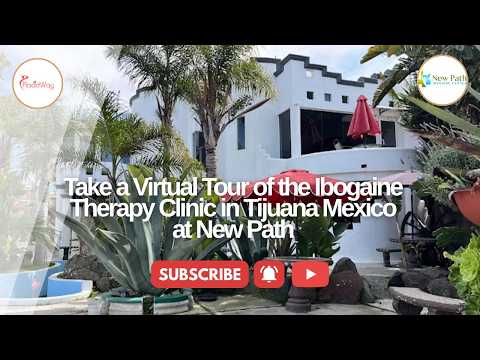
For example, internationally recognized facilities, such as New Path Ibogaine Tijuana, emphasize the necessity of comprehensive medical supervision and deeply integrated psychological support. When researching your options for medical tourism in Mexico, prospective patients should demand to speak directly with the attending physicians, request to see EKG protocols, and inquire about the patient-to-nurse ratio during the administration phase. Thorough vetting ensures that you are placing your life in highly capable, medically trained hands.
Testimonial Summary: Finding the Right Clinic
A medical tourist from Montreal emphasized that their decision rested entirely on a clinic's rigorous screening process. Because the clinic demanded exhaustive blood work and a cardiologist’s sign-off, the patient felt confident in the facility's commitment to safety over profit.
- Medical Staffing: Ensure the clinic employs full-time, ACLS-certified doctors and specialized psychiatric nurses.
- Screening Rigor: Avoid any facility that agrees to treat you without first requiring extensive medical records and cardiac tests.
- Transparent Communication: The clinic should openly discuss risks, contraindications, and realistic outcome expectations.
- Post-Care Planning: Reputable centers will insist on discussing your integration plan before you even arrive for treatment.
How PlacidWay Assists Your Ibogaine Medical Tourism Journey in Mexico
Organizing healthcare across international borders can be an overwhelming task, particularly for individuals already battling the heavy burdens of severe depression. Choosing to undergo ibogaine therapy in Mexico requires seamless coordination to ensure that medical records, clinic communications, and pre-treatment requirements are handled efficiently. Relying on an experienced medical tourism platform eliminates the guesswork, allowing patients to connect securely with thoroughly vetted international medical facilities.
PlacidWay serves as a crucial bridge for patients seeking safe medical tourism in Mexico. By prioritizing transparency and access to high-quality healthcare networks, the platform empowers patients to make informed decisions regarding their mental health treatment. Navigating the complex landscape of alternative therapies becomes significantly safer when guided by a platform dedicated to international medical excellence.
Testimonial Summary: Seamless Coordination
An international patient highlighted that utilizing a medical tourism facilitation platform allowed them to focus entirely on their psychological preparation, rather than getting bogged down by the stress of vetting international clinic credentials.
- Connecting patients with highly qualified, internationally vetted medical centers and specialized psychiatric teams.
- Facilitating secure and transparent communication between the patient's local doctors and the overseas medical facility.
- Providing comprehensive access to verified clinic profiles, authentic patient reviews, and detailed medical protocols.
- Empowering individuals with educational resources to make highly informed decisions regarding their mental health care.
Frequently Asked Questions About Ibogaine Therapy in Mexico
It is entirely normal to have a multitude of questions when considering a profound intervention like ibogaine treatment for depression in a foreign country. International patients must be fully informed about every aspect of the procedure, from safety guidelines to legal considerations. Comprehensive education is the best tool for alleviating anxiety and ensuring that medical tourists are fully prepared for the journey ahead.
Below are some of the most common inquiries related to medical tourism in Mexico for mental health interventions. These answers aim to provide clarity on the clinical processes, safety standards, and logistical requirements necessary for a successful therapeutic experience abroad.
Is ibogaine therapy in Mexico safe for treating depression?
When performed in a medically supervised setting with comprehensive cardiac screening, ibogaine therapy in Mexico is generally considered safe for eligible candidates. However, it carries significant cardiovascular risks, making professional medical oversight absolutely essential.
Why do Canadians travel to Mexico for ibogaine treatment?
Canadians typically travel to Mexico because ibogaine remains a restricted substance in Canada, making it unavailable for clinical use. Mexico offers a regulatory environment where specialized clinics can administer the treatment legally under medical supervision.
How much does ibogaine therapy cost in Mexico?
The cost of ibogaine therapy in Mexico typically ranges from $5,000 to $10,000 USD, depending on the clinic's medical protocols, length of stay, and comprehensive pre-treatment screening. This is highly cost-effective compared to long-term traditional psychiatric care.
Can ibogaine guarantee a cure for severe depression?
No medical treatment, including ibogaine, can guarantee a complete cure for severe depression. Most patients report profound shifts in perspective and mood, but long-term success requires dedicated aftercare and continuous therapeutic integration.
What medical screenings are required before taking ibogaine?
Reputable clinics require an extensive cardiovascular evaluation, including an EKG, comprehensive blood panels, and liver function tests. These tests are critical to ensure the patient's heart can withstand the physical demands of the treatment.
How long does the actual ibogaine experience last?
The active phase of an ibogaine flood dose generally lasts between 12 to 24 hours, characterized by deep introspection and vivid, dream-like states. A subsequent recovery phase of 24 to 48 hours is required to process the experience.
Do I need a visa to travel from Canada to Mexico for medical care?
Canadian citizens typically do not need a visa to enter Mexico for short-term tourism or medical visits lasting under 180 days. A valid Canadian passport and a completed tourist card, usually provided by the airline, are required upon entry.
What is post-ibogaine integration, and why is it important?
Integration involves working with therapists or counselors after the treatment to process the insights gained during the ibogaine session. It is critical for translating temporary neuroplasticity into long-lasting, positive behavioral changes.
Are there any medications that interact dangerously with ibogaine?
Yes, ibogaine has strict contraindications, particularly with certain antidepressants like SSRIs, anti-anxiety medications, and cardiovascular drugs. Patients must safely taper off specific medications under doctor supervision before undergoing treatment.
How soon will I feel the effects on my depression after ibogaine?
Many patients experience a noticeable 'afterglow' and a reduction in depressive symptoms within a few days of completing the treatment. However, the emotional processing continues for months, making ongoing psychological support vital.
Ready to take the next step in your mental health journey with PlacidWay? Connect with top-tier, medically vetted clinics offering transformative therapies in Mexico today.
References
- Multidisciplinary Association for Psychedelic Studies (MAPS). Ibogaine Therapy and Research. https://maps.org/research/ibogaine-therapy/
- World Health Organization (WHO). Depressive disorder (depression). https://www.who.int/news-room/fact-sheets/detail/depression
- Health Canada. Controlled Drugs and Substances Act. https://laws-lois.justice.gc.ca/eng/acts/c-38.8/








.png)
.png)

.png)



.jpg)
.jpg)
.jpg)
.jpg)








Share this listing