



The landscape of global healthcare is rapidly shifting, as a notable increase in the demand for advanced chronic wound care echoes across Southern Europe. In particular, Italian healthcare seekers are increasingly looking across borders to find innovative solutions for complex neuropathic and vascular complications. Diabetic foot regeneration in Slovakia has emerged as a beacon of hope, combining stringent European Union medical standards with cutting-edge regenerative protocols. This growing trend is fueled by the critical need to preserve limb function and dramatically improve the quality of life for those suffering from non-healing ulcers.
Slovakia’s strategic positioning as a biotechnology hub is fundamentally changing the paradigm of medical tourism in Slovakia. Patients are discovering that they do not need to compromise on quality when seeking more accessible care outside their home country. By prioritizing advanced clinical methodologies and patient-centric care models, Slovakian medical institutions are perfectly positioned to meet the escalating international demand. This synergy of need and high-quality supply represents a transformative era for cross-border medical collaborations within the European continent.
Slovakia is rapidly establishing itself as one of the leading biotechnology and regenerative medicine hubs in Central Europe, drawing top medical talent and significant investment in clinical research.
- Regulatory Excellence: Medical facilities strictly follow comprehensive EU health directives.
- Geographic Proximity: Short travel distances make it an ideal choice for Italian citizens.
- Language Accessibility: Many leading medical professionals are multilingual, ensuring seamless communication.
- Holistic Care Models: Clinics emphasize comprehensive pre-and post-treatment evaluations.
Understanding Stem Cell Therapy for Diabetic Foot Ulcers in Slovakia
Navigating the complexities of regenerative medicine requires a clear understanding of how these advanced cellular treatments interact with the human body. Stem cell therapy for diabetic foot ulcers generally utilizes mesenchymal stem cells (MSCs) derived from the patient's own body or ethically sourced tissues. These powerful cells are expertly processed and reintroduced into the compromised tissue, where they typically begin to orchestrate a sophisticated healing response. The primary goal is to stimulate angiogenesis—the formation of new blood vessels—which is essential for restoring microcirculation to oxygen-starved extremities.
The clinical approach in Slovakia focuses heavily on precise delivery mechanisms to maximize the therapeutic potential of the administered cells. Most patients experience a gradual stabilization of the wound environment, as the regenerative cells work to modulate local inflammation and promote tissue remodeling. While individual metabolic factors play a significant role in the overall outcome, the targeted application of regenerative protocols generally provides a substantial biological boost to the body’s innate healing capabilities. This meticulous process underscores why affordable stem cell therapy for diabetic foot is gaining immense traction.
Clinical observations indicate that advanced regenerative protocols generally contribute to a noticeable reduction in wound size over a 12-week period for appropriately selected candidates.
- Cell Harvesting: Minimally invasive techniques are utilized to extract viable adult stem cells.
- Laboratory Processing: State-of-the-art sterile environments ensure maximum cell viability and purity.
- Targeted Application: Precisely guided injections directly address the areas of severe vascular deficit.
- Microcirculation Enhancement: The therapy actively supports the creation of critical new capillary networks.
Why Medical Tourism in Slovakia is Attracting European Patients
The decision to seek healthcare abroad is rarely made lightly, yet an increasing number of individuals are finding compelling reasons to choose Eastern and Central European destinations. Medical tourism in Slovakia is experiencing unprecedented growth due to its unique combination of rigorous clinical oversight and highly personalized patient experiences. Italian patients, faced with long waiting lists or limited access to specific regenerative therapies at home, are finding immediate and attentive care in Slovakian facilities. The appeal lies not just in the medical interventions, but in the overarching commitment to clinical transparency and patient safety.
Furthermore, the modern infrastructure of Slovakia’s private healthcare sector rivals that of many Western European nations. High-tech diagnostic equipment, modern recovery suites, and internationally accredited medical personnel create a reassuring environment for international travelers. By integrating advanced technology with a compassionate approach to chronic disease management, the country has carved out a distinct and highly respected niche. This strategic focus ensures that those seeking diabetic foot regeneration in Slovakia receive comprehensive care that addresses both their physical and psychological well-being.
Slovakia's capital, Bratislava, is located less than a two-hour flight from major Italian cities like Rome and Milan, making cross-border medical travel highly convenient and less physically taxing.
- Shorter Waiting Times: Private clinics offer expedited access to necessary regenerative evaluations.
- Internationally Trained Specialists: Many leading physicians have completed fellowships across Europe and North America.
- Stringent Safety Protocols: Facilities operate under the strict oversight of European health ministries.
- Comprehensive Patient Support: Multidisciplinary teams manage everything from initial diagnostics to final discharge.
Diabetic Foot Regeneration Cost in Slovakia vs Italy
Understanding the financial implications of advanced cellular treatments is a critical step for any prospective medical tourist evaluating their options abroad. The cost of diabetic foot ulcer treatment in Slovakia presents a highly attractive alternative for Italian patients who often face prohibitive private healthcare fees domestically. While exact pricing is deeply dependent on the specific clinical indications and the number of treatment sessions required, the general market economics consistently favor Slovakian providers. This cost efficiency does not translate to compromised care; rather, it reflects a lower national cost of living and more streamlined administrative operations within the private sector.
When analyzing the overall financial commitment, it is essential to look beyond the primary procedure and consider the comprehensive scope of care. A detailed cost breakdown typically reveals that pre-operative diagnostics, laboratory processing, and immediate post-operative monitoring are structured more favorably in Central Europe. By providing transparent, bundled pricing models, clinics empower international patients to make informed, financially sound decisions regarding their health. The table below outlines a comparative look at the realistic market ranges for affordable stem cell therapy for diabetic foot.
Always request a detailed, itemized quote from your chosen clinic to ensure you understand exactly which diagnostic tests, cellular processing fees, and follow-up consultations are included.
| Procedure / Treatment Component | Average Cost in Slovakia (EUR) | Average Cost in Italy (EUR) |
|---|---|---|
| Initial Diagnostic & Vascular Assessment | €300 - €600 | €800 - €1,500 |
| Autologous Stem Cell Harvesting & Processing | €3,500 - €5,500 | €7,000 - €12,000 |
| Targeted Regenerative Application Therapy | €1,500 - €2,500 | €3,500 - €6,000 |
| Post-Treatment Monitoring (1 Week) | €500 - €900 | €1,200 - €2,000 |
Top Stem Cell Clinics in Slovakia for International Patients
Selecting the appropriate medical facility is arguably the most critical step in an international patient's healthcare journey. The top stem cell clinics in Slovakia distinguish themselves through their unwavering dedication to maintaining world-class laboratory standards and employing highly specialized medical teams. These institutions are frequently audited to ensure their cellular processing units meet stringent Good Manufacturing Practice (GMP) guidelines, a vital indicator of quality and safety. For international patients, finding a clinic that seamlessly blends cutting-edge science with compassionate, culturally sensitive care is paramount to a positive experience.
Among the leaders in this specialized field, certain facilities have purposefully designed their clinical environments to cater to the unique logistical and medical needs of cross-border travelers. For those exploring top-tier options, advanced stem cell therapy clinics in Slovakia like CellCenter in Slovakia offer specialized protocols tailored to complex vascular conditions. These premier institutions employ a multidisciplinary approach, ensuring that every aspect of the patient's metabolic and vascular health is optimized prior to the commencement of regenerative cellular therapy.
- Dedicated Cleanrooms: Laboratories utilize highly controlled environments to prevent cellular contamination.
- Multidisciplinary Teams: Care involves collaboration between endocrinologists, vascular surgeons, and regenerative specialists.
- Patient-Centric Coordination: Clinics provide dedicated international patient departments for seamless communication.
- Advanced Imaging Integration: Facilities utilize real-time imaging to ensure precise cellular delivery.
The Step-by-Step Patient Journey for Diabetic Foot Care in Slovakia
Embarking on a medical journey abroad requires a clear, structured roadmap to alleviate anxiety and ensure optimal clinical preparedness. The typical patient journey for diabetic foot regeneration in Slovakia is meticulously planned, beginning long before the patient ever boards a flight. The initial phase generally involves comprehensive remote consultations, where medical records, recent blood panels, and high-resolution images of the affected extremity are thoroughly reviewed by the clinical team. This pre-screening is essential to confirm preliminary candidacy and set realistic expectations for the therapeutic outcomes.
Upon arrival at the chosen facility, the in-person journey transitions into a rigorous phase of localized diagnostics and physical evaluations. The clinical team works closely with the patient to finalize the highly customized treatment protocol, ensuring every medical nuance is addressed. Following the minimally invasive procedure, patients enter a closely monitored observation phase before being cleared for travel. The structured approach guarantees that the standards of medical tourism in Slovakia remain consistently high throughout every stage of care.
- Phase 1 - Remote Evaluation: Initial telemedicine assessments to review vascular history and current wound status.
- Phase 2 - On-Site Diagnostics: Comprehensive Doppler ultrasounds and metabolic profiling upon arrival.
- Phase 3 - Intervention Day: The careful harvesting, processing, and targeted administration of regenerative cells.
- Phase 4 - Immediate Aftercare: A monitored recovery period focused on stabilizing the local tissue environment.
Advanced Technologies Driving Diabetic Foot Regeneration in Slovakia
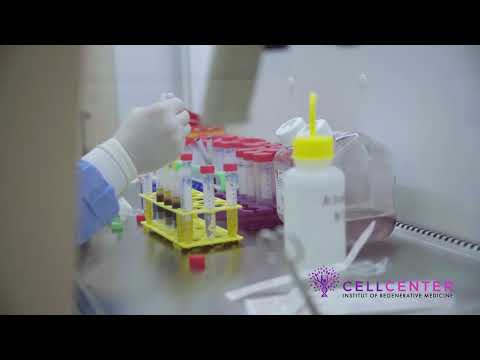
The remarkable progress observed within the field of regenerative medicine is heavily reliant on the continuous evolution of supportive medical technologies. Facilities offering diabetic foot regeneration in Slovakia leverage an impressive array of advanced laboratory equipment designed to isolate, purify, and concentrate viable cellular materials with exceptional precision. Technologies such as automated closed-system cell processors minimize human handling, thereby significantly reducing the risk of contamination while maintaining high cellular yields. This technological foundation is what elevates the standard of care to an internationally competitive level.
Beyond the laboratory, the application phase utilizes highly sophisticated imaging systems to ensure the therapeutic agents reach the exact areas of critical vascular starvation. High-resolution ultrasound guidance and specialized micro-injection techniques allow physicians to bypass necrotic tissue and directly target the viable margins of the wound bed. This fusion of cellular biology and advanced technical application underscores why the cost of diabetic foot ulcer treatment in Slovakia represents such substantial value for patients seeking cutting-edge interventions.
Advanced flow cytometry technology is frequently used in top Slovakian laboratories to precisely count and analyze the viability of stem cells before they are administered back to the patient.
- Closed-System Processing: Ensures sterile, highly controlled manipulation of autologous tissue samples.
- High-Resolution Ultrasound: Provides real-time visual guidance for targeted cellular injections.
- Cryopreservation Units: Maintains the absolute integrity of any stored biological materials if needed.
- Advanced Wound Mapping: Utilizes digital software to accurately track healing progression over time.
Candidacy and Risks for Stem Cell Treatments in Slovakia
Determining true medical candidacy is the most crucial ethical and clinical responsibility of any regenerative medicine provider. Not every patient is ideally suited for stem cell therapy for diabetic foot ulcers, and strict contraindications are heavily enforced by responsible medical boards. Generally, ideal candidates are those with stable metabolic control, adequate remaining vascular flow to support tissue regeneration, and a clear absence of active, deep systemic infections. Patients with severe, uncontrolled osteomyelitis or end-stage arterial blockages typically require traditional surgical interventions rather than cellular therapies.
Furthermore, it is vital to approach regenerative medicine with a clear understanding of transparent risk disclosures. While autologous treatments (using the patient's own cells) inherently minimize the risk of immunological rejection, the procedure itself carries standard medical risks. Most patients experience mild, localized discomfort, temporary swelling, or minor bruising at the injection and harvest sites. Thorough pre-operative screenings are designed to mitigate these risks, but it is imperative to acknowledge that biological responses vary, and no clinical team can definitively guarantee a complete reversal of tissue damage.
Patients presenting with active malignancy, severe blood clotting disorders, or deep, systemic, uncontrolled bone infections are strictly contraindicated for this type of cellular regenerative therapy.
- Strict Contraindications: Active cancers, uncontrolled septicemia, and profound vascular occlusions.
- Mild Side Effects: Localized pain, minor swelling, and transient fatigue are commonly reported.
- Metabolic Prerequisites: A stable HbA1c level is highly recommended to support cellular survival.
- Vascular Baseline: Minimal viable blood flow must be present to deliver oxygen to the newly regenerating tissues.
Recovery Expectations After Stem Cell Therapy in Slovakia
Managing post-procedural expectations is a fundamental aspect of the comprehensive care provided within the realm of cross-border medical travel. Recovery following affordable stem cell therapy for diabetic foot is generally a phased, gradual process rather than an immediate transformation. In the immediate days following the procedure, patients are typically advised to strictly limit weight-bearing activities on the treated extremity. This acute resting phase allows the freshly localized cells to adhere and initiate the complex biological signaling required for angiogenesis and tissue repair.
As the weeks progress, the long-term recovery phase focuses on consistent wound care management and metabolic control to support the ongoing cellular activity. Most patients experience a gradual shift in the wound environment over three to six months, often noting changes in local skin color, temperature, and a reduction in wound depth. Slovakian clinical teams generally emphasize that continuous collaboration with the patient’s local endocrinologist in Italy is vital to sustaining the regenerative momentum initiated during their time abroad.
- Immediate Rest: Strict off-loading of the affected foot is critical in the first 72 hours.
- Wound Management: Meticulous adherence to sterile dressing changes prevents secondary infections.
- Gradual Timeline: Visible tissue remodeling generally unfolds slowly over a period of 12 to 24 weeks.
- Local Collaboration: Ongoing metabolic monitoring by the patient's primary care physician is essential.
Affordable Diabetic Foot Regeneration in Slovakia Unpacked
The financial accessibility of high-tier medical treatments is a driving force reshaping the borders of modern healthcare. When examining the cost of diabetic foot ulcer treatment in Slovakia, it is helpful to unpack the exact variables that contribute to its affordability. Unlike many Western European medical systems that are burdened by immense insurance administration costs and high real estate overheads, the Slovakian private sector operates with a leaner, more efficient economic model. This efficiency allows clinics to invest heavily in top-tier medical technology and highly qualified personnel without passing exorbitant fees directly onto the patient.
Moreover, the pricing structures are intentionally designed to be transparent, catering directly to the needs of the self-paying international patient. This approach eliminates the opaque billing practices that often cause financial anxiety for medical tourists. By providing clear insight into laboratory processing fees, physician consultation rates, and facility costs, clinics ensure that diabetic foot regeneration in Slovakia remains an economically viable option for those urgently needing advanced limb preservation strategies.
When budgeting for your medical trip, factor in auxiliary costs such as specialized off-loading footwear or custom orthotics which may be required during your long-term recovery phase back home.
- Favorable Exchange Dynamics: Broader economic conditions in Central Europe benefit international self-pay patients.
- Reduced Administrative Bloat: Streamlined private clinics operate with less bureaucratic overhead.
- Transparent Bundling: Comprehensive packages prevent unexpected secondary billing post-treatment.
- High Investment Focus: Savings are frequently reinvested directly into advanced clinical technologies rather than administrative marketing.
Real Patient Experiences with Diabetic Foot Regeneration in Slovakia
There is profound value in exploring the firsthand narratives of individuals who have navigated the complexities of seeking medical care abroad. For many Italian patients, the decision to pursue medical tourism in Slovakia was born out of a critical need for alternative solutions when traditional wound care yielded limited results. Their documented journeys highlight not only the clinical professionalism encountered but also the empathetic, highly personalized support systems established by the medical teams. These shared experiences serve to demystify the process and provide realistic insights into the recovery trajectory.
While every medical case is distinct and individual biology dictates the final healing outcome, these testimonial summaries reflect the general operational excellence found within top-tier facilities. They emphasize the importance of thorough pre-treatment communication, the cleanliness and modern aesthetics of the clinical environments, and the profound relief associated with taking proactive steps toward limb preservation through affordable stem cell therapy for diabetic foot.
Marco's Journey to Better Mobility
After struggling with a non-healing neuropathic ulcer for eight months, Marco found the advanced protocols in Slovakia offered a structured approach. He appreciated the extensive vascular mapping performed before any treatment was administered.
Elena's Focus on Preventive Care
Facing recurring microvascular complications, Elena sought care in Central Europe to explore regenerative options. She found the clinical staff to be incredibly communicative, ensuring her local endocrinologist in Milan was kept fully informed.
Giovanni's Experience with Clinical Transparency
Concerned about costs and hidden fees, Giovanni was relieved by the transparent, itemized pricing he received. His recovery period was carefully monitored, and he felt supported throughout the entire logistical process.
Lucia's Appreciation for Modern Facilities
Lucia was initially hesitant about traveling abroad for a medical procedure. However, the state-of-the-art laboratory equipment and the stringent hygiene protocols she observed quickly alleviated her concerns regarding international healthcare standards.
Traveling from Italy to Slovakia for Medical Care
The logistical ease of cross-border travel within the European Union plays a major role in facilitating access to specialized healthcare. Traveling from Italy to seek diabetic foot regeneration in Slovakia is characterized by minimal bureaucratic hurdles, allowing patients to focus entirely on their upcoming medical evaluations. Major airlines operate frequent, direct flights connecting Italian hubs with Bratislava or nearby Vienna, significantly reducing the physical strain of travel for individuals managing chronic foot complications. This seamless connectivity is a cornerstone of effective medical tourism.
Furthermore, the shared regulatory frameworks of the EU provide an added layer of peace of mind. Patients are secure in the knowledge that medical devices, cellular processing standards, and patient data privacy laws adhere to rigorous European directives. This level of standardized protection ensures that engaging in medical tourism in Slovakia is not an expedition into the unknown, but a calculated, secure step toward accessing high-level regenerative expertise.
The EU Cross-Border Healthcare Directive allows EU citizens the right to access medical treatments in another member state, ensuring high standards of safety and care continuity.
Vienna International Airport is located merely 45 minutes by car from Bratislava, providing an alternative, highly convenient entry point for international medical travelers.
- Visa-Free Travel: As Schengen Area members, Italian citizens require only a standard national ID to enter.
- Short Flight Durations: Typical direct flights from Italy range from just 1.5 to 2 hours.
- Accessible Ground Transport: Clinics often facilitate dedicated ground transfers to accommodate patients with mobility issues.
- European Medical Compliance: Strict adherence to European Medicines Agency (EMA) guidelines for patient safety.
How PlacidWay Assists Your Stem Cell Therapy Journey in Slovakia
Navigating the global healthcare landscape can be complex, but having an experienced facilitator ensures that you connect with reputable, highly vetted medical institutions. PlacidWay serves as a dedicated partner in streamlining your pursuit of specialized regenerative care abroad.
By leveraging an extensive network of accredited providers, PlacidWay focuses on empowering you with the necessary information to make confident, well-informed medical decisions regarding your limb preservation strategy.
- Providing comprehensive access to detailed profiles of accredited, specialized regenerative clinics.
- Facilitating direct, secure communication channels between patients and top-tier international medical teams.
- Assisting with the acquisition of transparent, itemized medical estimates to ensure clear financial planning.
- Supplying educational resources and clinical background information to support informed healthcare choices.
- Offering dedicated patient support to guide you through the initial evaluation and documentation phases.
Frequently Asked Questions About Stem Cell Tourism in Slovakia
How does stem cell therapy for diabetic foot regeneration typically work?
Stem cell therapy generally involves using regenerative cells to stimulate local tissue repair and encourage the growth of new blood vessels. While results vary, most patients experience an improvement in local circulation and gradual wound healing over several months.
Is diabetic foot regeneration in Slovakia safe for international patients?
Yes, medical facilities in Slovakia strictly adhere to European Union healthcare directives and rigorous safety standards. The protocols utilized for stem cell therapy are carefully monitored to minimize risks for international medical tourists.
Why is the cost of diabetic foot ulcer treatment in Slovakia lower than in Italy?
Slovakia benefits from a lower overall cost of living and more favorable administrative overhead costs compared to Italy. This economic distinction allows top-tier clinics to offer advanced regenerative treatments at a more accessible price point.
What is the typical recovery time after receiving stem cell therapy?
Recovery is generally phased, with the initial acute healing phase taking a few days to a week. Long-term tissue regeneration typically continues over three to six months as the cells actively promote sustained microcirculation improvements.
Do I need a special medical visa to travel from Italy to Slovakia?
Because both Italy and Slovakia are members of the European Union and the Schengen Area, Italian citizens do not require a visa. Patients can travel freely across borders using just a valid national identity card or passport.
Am I guaranteed to avoid amputation after this regenerative treatment?
No medical procedure can guarantee specific outcomes or entirely rule out the need for future surgical interventions like amputation. Stem cell therapy aims to significantly reduce risks and promote healing, but individual responses to the treatment vary widely.
How soon can I travel back to Italy following the procedure in Slovakia?
Most clinics recommend that patients stay in Slovakia for a short observation period, typically ranging from three to seven days after the injections. Once the primary physician clears the patient, they are generally safe to undertake a short flight or drive home.
What specific tests are required before undergoing treatment?
Patients typically undergo comprehensive vascular assessments, blood panels, and neurological evaluations to determine baseline foot health. These pre-treatment diagnostics are critical for ensuring the patient is a suitable candidate without severe contraindications.
Can I receive follow-up care in Italy after my procedure in Slovakia?
Yes, many Slovakian clinics provide detailed discharge summaries and post-operative care instructions specifically designed for your local physician in Italy. Continuity of care is maintained through remote consultations and local medical collaboration.
Are there any age restrictions for stem cell medical tourism in Slovakia?
While there is no strict upper age limit, candidacy is determined by the patient's overall systemic health, vascular status, and ability to endure mild procedural stress. Older patients undergo rigorous screening to ensure the treatment is a safe and viable option.
References
- European Commission. Cross-border healthcare overview. https://health.ec.europa.eu/cross-border-healthcare_en
- World Health Organization (WHO). Diabetes fact sheet. https://www.who.int/news-room/fact-sheets/detail/diabetes
- Mayo Clinic. Stem cells: What they are and what they do. https://www.mayoclinic.org/tests-procedures/bone-marrow-transplant/in-depth/stem-cells/art-20048117
- European Medicines Agency (EMA). Advanced therapy medicinal products. https://www.ema.europa.eu/en/human-regulatory/overview/advanced-therapy-medicinal-products-overview





.png)










Share this listing