

Cystic fibrosis is a complex genetic disorder that primarily impacts the lungs and digestive system, requiring intensive, lifelong management. For years, patients have relied on conventional treatments to manage symptoms, clear airways, and prevent severe respiratory complications. Recently, however, international medical travel has opened doors to innovative therapeutic approaches for chronic disease management. German patients are increasingly exploring alternative options abroad, seeking comprehensive care that complements their existing, strict medical protocols.
The emergence of regenerative medicine in Slovakia represents a significant development in European cross-border healthcare. Medical facilities in this region are investing heavily in advanced cellular therapies and customized treatment plans. While these treatments are never a cure, they aim to modulate acute inflammation and support pulmonary tissue repair. This geographic proximity combined with high medical standards provides a compelling option for those seeking specialized, supportive care outside their home country.
Cystic fibrosis affects over 50,000 individuals across Europe. While traditional treatments focus on managing the thick mucus build-up, regenerative medicine specifically targets the secondary chronic inflammation that causes long-term tissue scarring.
Understanding Cystic Fibrosis and Regenerative Therapies
Cystic fibrosis is characterized by the production of thick, sticky mucus that persistently obstructs airways and pancreatic ducts. This physiological malfunction leads to chronic respiratory infections, localized inflammation, and progressive, irreversible lung damage over time. Conventional treatments typically involve daily airway clearance techniques, potent antibiotics, and the utilization of CFTR modulators. While highly effective for symptom management, these conventional approaches do not inherently reverse the underlying cellular damage caused by years of chronic inflammation.
Regenerative therapies, particularly mesenchymal stem cell (MSC) treatments, focus on supporting the body's natural healing mechanisms. These specialized cells possess unique immunomodulatory and anti-inflammatory properties, which may help mitigate the aggressive inflammatory response typically seen in the lungs of CF patients. Advanced stem cell treatments are designed to support tissue repair and potentially slow the aggressive progression of the disease. Patients generally undergo thorough, multi-disciplinary evaluations to determine if they are suitable candidates for this supportive therapy.
Mesenchymal stem cells (MSCs) do not function by simply turning into lung cells. Instead, they operate through a "paracrine effect," secreting beneficial proteins and growth factors that calm the immune system and promote a healing environment in damaged tissues.
Why German Patients Choose Regenerative Medicine Clinics in Slovakia
Germany boasts a robust and highly respected healthcare system, yet some patients face bureaucratic hurdles or stringent criteria for experimental and advanced regenerative therapies. Because cystic fibrosis requires aggressive and timely intervention, many individuals look beyond their borders for immediate access to innovative treatments. Slovakia has emerged as a premier destination due to its modern medical infrastructure and rigorous adherence to European Union healthcare directives. German patients find the geographical proximity incredibly convenient, allowing for shorter travel times and significantly less physical strain during transit.
Furthermore, medical tourism in Slovakia provides a holistic approach to patient care, combining cutting-edge biotechnology with personalized treatment protocols. Facilities such as CellCenter in Slovakia are at the forefront, offering specialized cellular therapies tailored to chronic inflammatory conditions. By choosing advanced stem cell treatment in Slovakia, patients can access highly trained specialists dedicated exclusively to regenerative science. This cross-border healthcare mobility empowers individuals to take an active role in expanding their chronic illness management strategies.
Always travel with fully translated copies of your most recent medical records, including sputum cultures, PFT (Pulmonary Function Test) results, and current medication lists. Clear medical history is vital for your receiving clinic.
Affordable Regenerative Medicine Cost in Slovakia
One of the primary drivers for cross-border medical travel is the significant difference in healthcare pricing without a drop in regulatory standards. The regenerative medicine cost in Slovakia is notably more accessible compared to similar private treatments in Western European nations. This cost-effectiveness is primarily due to lower regional operational and administrative expenses, rather than any compromise in medical quality, laboratory hygiene, or safety standards. German patients often find that they can receive comprehensive cellular therapies without facing prohibitive, life-altering financial burdens.
Transparency in medical pricing is a hallmark of reputable international clinics catering to medical tourists. Patients typically receive detailed, itemized quotes that outline the entire scope of the procedure, from initial diagnostics to the final administration of stem cells. By evaluating the affordable regenerative medicine in Slovakia, families can better allocate their long-term healthcare budgets. Below is a realistic cost comparison demonstrating the financial landscape of seeking treatment across the border.
| Procedure / Treatment Phase | Average Cost in Slovakia (€) | Cost Comparison with Germany (€) |
|---|---|---|
| Initial Medical Consultation & Diagnostics | €500 - €900 | €1,200 - €2,000 |
| Mesenchymal Stem Cell Processing | €3,500 - €5,000 | €7,000 - €12,000 |
| Intravenous Cellular Infusion | €2,000 - €3,500 | €4,500 - €8,000 |
| Post-Treatment Monitoring Program | €600 - €1,000 | €1,500 - €2,500 |
| Total Estimated Package | €6,600 - €10,400 | €14,200 - €24,500 |
The Science Behind Stem Cell Therapy for Cystic Fibrosis in Slovakia
The application of stem cells in treating chronic respiratory conditions relies on complex biological interactions at the microscopic cellular level. Mesenchymal stem cells are frequently utilized because they can secrete highly active bioactive molecules that communicate with the patient's immune system. These paracrine effects generally help reduce severe airway inflammation, which is the primary culprit behind cystic fibrosis exacerbations and tissue scarring. Researchers globally continue to study how these cellular mechanisms can be optimized to improve lung function capacity and overall patient quality of life.
In Slovakian medical facilities, scientists and specialized physicians employ advanced, sterile laboratory techniques to process, cultivate, and administer these cells safely. The laboratory protocols strictly adhere to international biological safety standards, ensuring optimal cell viability, purity, and dosage. Stem cell therapy for cystic fibrosis in Slovakia is typically administered intravenously, allowing the cells to naturally circulate and migrate to areas of acute systemic inflammation, particularly the pulmonary tissue. This scientific approach aims to provide targeted, supportive care that enhances traditional medical management.
Clinical observations indicate that the primary goal of MSC therapy in pulmonary conditions is a reduction in pro-inflammatory cytokines, with clinical trials globally monitoring potential 10% to 15% improvements in patient stabilization metrics over 12 months.
Preparing for Regenerative Treatments in Slovakia
Preparation is a critical component of any international medical journey, requiring careful coordination between the patient and the foreign medical team. Before traveling, patients usually undergo a comprehensive remote consultation to assess their current health status, active infection rates, and pulmonary function. Medical records, recent chest imaging, and detailed laboratory results are thoroughly reviewed by the attending regenerative specialists. This meticulous screening ensures that the chosen regenerative medicine clinics in Slovakia can safely and effectively administer the planned biological therapy.
Once medically cleared, patients receive a highly detailed itinerary outlining specific pre-treatment protocols, which may include dietary adjustments or scheduling therapy around antibiotic cycles. Physical preparation is equally important, as individuals should be in a clinically stable health condition to travel and receive immune-modulating therapy. Engaging with comprehensive medical tourism in Slovakia means being fully informed about every single step of the process. Clear, ongoing communication with the medical staff helps mitigate travel anxiety and ensures a smooth clinical transition into care.
Coordinate closely with your local pulmonologist in Germany before departing. Setting up a communication channel between your home doctor and your Slovakian specialist ensures safety and continuity of care.
What to Expect During the Procedure in Slovakia
Upon arrival at the clinic, patients typically undergo a final series of in-person diagnostic tests and baseline health evaluations to confirm stability. The medical team will review the precise treatment plan, addressing any last-minute questions and ensuring the patient is completely comfortable and informed. The actual administration of regenerative cells is generally a minimally invasive process, mostly performed on an outpatient basis. This convenient approach significantly reduces the physical stress and nosocomial infection risks often associated with prolonged hospital admissions.
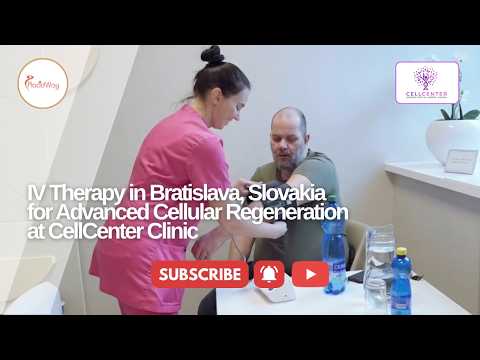
The therapy involves the intravenous infusion of highly processed stem cells, which usually takes a few hours to complete under close, specialized medical supervision. Patients are monitored continuously for any immediate adverse reactions, though side effects are typically mild and transient. Receiving regenerative medicine in Slovakia involves spending time in modern, relaxing recovery suites during the slow infusion process. The clinical staff remains highly attentive, strictly prioritizing patient safety, vital sign stability, and physical comfort throughout the duration of the procedure.
Stem cell infusions are remarkably similar in experience to standard IV vitamin or saline drips. Because it is an outpatient procedure, patients can usually walk out of the clinic unassisted shortly after the observation period ends.
Recovery and Follow-Up Care After Stem Cell Therapy in Slovakia
The initial recovery phase following cellular therapy is generally swift, with most patients safely returning to their local accommodations the same day. Mild fatigue or a low-grade fever are common, temporary physiological responses as the body adjusts to the active cellular infusion. Physicians typically advise resting in a low-stress environment for a few days before undertaking the journey back to Germany. Post-treatment care for regenerative medicine requires patients to strictly avoid strenuous physical activities and crowded, poorly ventilated places to protect their adjusting immune system.
Long-term follow-up is an integral part of assessing the therapy's overall effectiveness and ensuring ongoing patient safety. Reputable clinics establish structured remote monitoring programs, scheduling regular virtual check-ins with the patient and their local healthcare provider back home. Measuring lung capacity (FEV1), tracking respiratory infection frequency, and monitoring weight are vital metrics evaluated during these follow-ups. Consistent communication between the Slovakian medical specialists and German pulmonologists ensures cohesive, continuous, and highly personalized patient care.
- Days 1-3: Rest at accommodation in Slovakia. Monitor for mild fever or fatigue.
- Days 4-7: Return travel to Germany. Maintain a low-stress routine.
- Weeks 2-4: First virtual follow-up. Resume normal, non-strenuous daily activities.
- Months 3-6: Comprehensive pulmonary function testing with local pulmonologist to assess stabilization.
Risks and Strict Contraindications of Regenerative Medicine
While regenerative therapies present new possibilities for chronic disease management, they are accompanied by inherent medical risks that must be transparently disclosed to all patients. Patients may experience adverse physiological reactions such as localized pain at the injection site, transient fever, or allergic responses to the cell processing agents used in the lab. More severe, albeit rare, complications could involve active infections or unexpected systemic immune system reactions. It is crucial to understand that stem cell therapy for cystic fibrosis is strictly an adjunctive treatment, and definitive health improvements are never guaranteed.
Strict contraindications exist to absolutely protect patient safety; individuals with active systemic infections, advanced cancer, or severely compromised primary organ function are generally disqualified immediately. Pregnant or nursing women are also strictly excluded from receiving these advanced cellular therapies. Thorough medical screening is stringently enforced to identify these risk factors before any travel or treatment is authorized. A profound commitment to safe medical tourism in Slovakia means prioritizing patient well-being and clinical ethics over procedural volume.
Regenerative medicine does not replace conventional cystic fibrosis treatments. Patients must absolutely continue their prescribed airway clearance routines, antibiotics, and CFTR modulator therapies. Discontinuing standard care can lead to life-threatening exacerbations.
Patient Case Summaries: Medical Tourism in Slovakia
Real-world experiences offer valuable insights into the practical realities of seeking international regenerative care. While individual medical outcomes vary significantly depending on disease severity, understanding the journeys of others can help prospective patients set realistic, grounded expectations. Many German patients report feeling exceptionally well-supported by the comprehensive, patient-first care models provided in Slovakian clinics. These narratives highlight the logistical, emotional, and physical aspects of managing cross-border medical travel.
The following summaries reflect the experiences of individuals who have undergone cellular therapies to support their ongoing cystic fibrosis management. They heavily emphasize the importance of thorough independent research, transparent clinical communication, and realistic, achievable health goals. Exploring these medical tourism experiences in Slovakia underscores the absolute necessity of choosing accredited, highly regulated medical facilities.
Lukas M. (Munich, Germany)
Lukas sought supportive therapy to manage frequent respiratory inflammations. After rigorous screening, he traveled to Slovakia. He reported a smooth, well-coordinated process and noted that the clinical staff maintained excellent communication with his doctor in Munich post-treatment.
Clara S. (Berlin, Germany)
Dealing with severe fatigue from chronic lung infections, Clara evaluated several EU clinics. She found the cost-to-quality ratio in Slovakia compelling. While her CF remains an ongoing battle, she experienced temporary stabilization in her energy levels during the months following her infusion.
Markus T. (Hamburg, Germany)
Markus was initially skeptical about medical travel. However, the comprehensive pre-treatment virtual consultations reassured him. The procedure itself was straightforward, and he appreciated the strict hygiene protocols that matched German clinical standards.
Sophie K. (Frankfurt, Germany)
Seeking an adjunctive treatment alongside her CFTR modulators, Sophie opted for stem cell therapy. She highlighted the ease of travel between Germany and Slovakia and felt the medical team set realistic expectations without making false promises about curing her genetic condition.
Comparing Healthcare Standards: Slovakia vs. Germany
Both Slovakia and Germany operate under the stringent healthcare regulations mandated by the European Union, ensuring universally high standards of biological safety and patient care. Germany is globally recognized for its massive healthcare infrastructure and pioneering research in conventional pulmonary treatments. However, bureaucratic hurdles and slow administrative pathways sometimes delay the implementation or accessibility of progressive, personalized regenerative therapies. This administrative bottleneck is a primary reason patients proactively look toward neighboring EU nations for alternative solutions.
Slovakia has actively positioned itself as a progressive, agile hub for specialized medical treatments, investing heavily in state-of-the-art biological laboratories. The medical professionals in these specialized clinics often hold international certifications and collaborate extensively with global clinical research institutions. When evaluating Slovakian medical clinics for German patients, individuals consistently find that the quality of care, laboratory hygiene, and technological advancement safely rivals that of Western Europe. This regulatory parity provides profound peace of mind for traveling patients.
The EU Cross-Border Healthcare Directive allows European citizens the right to access medical treatments in another EU country. This framework ensures that clinics in Slovakia must abide by the same fundamental safety and transparency laws as those in Germany.
To ensure patient safety, Slovakian clinics generally require the following recent tests from your German provider before approval:
- Recent Sputum Culture (to check for active, severe bacterial infections like Pseudomonas)
- Comprehensive Pulmonary Function Test (Spirometry/FEV1)
- Recent Chest X-Ray or High-Resolution CT Scan
- Complete Blood Count (CBC) and Metabolic Panel
How PlacidWay Assists Your Medical Tourism Journey in Slovakia
Navigating the complexities of international healthcare requires expert guidance, reliable resources, and trustworthy global connections. Patients seeking specialized treatments abroad often face significant challenges in verifying clinic credentials, translating medical documents, and understanding complex medical proposals. Having a dedicated partner simplifies this daunting process, ensuring that the patient's focus remains entirely on health and recovery. PlacidWay connects patients globally with highly reputable, fully accredited medical providers.
By facilitating transparent communication and providing access to extensive, verified provider profiles, the platform empowers patients to make informed, safe healthcare decisions. Those actively looking for regenerative medicine for cystic fibrosis can utilize these streamlined resources to evaluate their medical options carefully. Here is how PlacidWay supports your healthcare journey:
- Providing direct access to certified, highly regulated international clinics specializing in regenerative therapies.
- Facilitating secure, transparent communication channels between you and specialized medical experts.
- Offering comprehensive, comparative information to help you evaluate medical credentials and expertise.
- Empowering you with extensive patient education resources to make well-informed healthcare choices.
- Assisting with the acquisition of detailed, transparent medical proposals directly from the providers.
Top Questions About Regenerative Medicine Clinics in Slovakia
Deciding to pursue advanced cellular therapies abroad naturally generates numerous questions regarding international logistics, biological safety, and overall medical efficacy. Prospective patients frequently inquire about the local regulatory environment, the specific types of cells cultivated in labs, and the compatibility of these treatments with their ongoing pulmonary care in Germany. Addressing these valid concerns through clear, strictly factual information is essential for building trust and reducing pre-treatment anxiety.
Comprehensive knowledge enables patients to engage much more effectively with their medical teams during remote and in-person consultations. The following section systematically addresses the most common inquiries related to regenerative treatments in Slovakia. These answers are specifically designed to provide straightforward, educational insights for international medical travelers seeking clarity.
Is stem cell therapy a cure for cystic fibrosis?
No, regenerative therapies are not a cure for cystic fibrosis. They are designed as a supportive treatment aimed at modulating inflammation and supporting tissue repair alongside conventional medical care.
Are regenerative medicine clinics in Slovakia regulated?
Yes, Slovakia is an EU member state, meaning its medical facilities strictly adhere to the biological safety and healthcare directives mandated by the European Union.
How long does the stem cell procedure take?
The cellular infusion is generally performed on an outpatient basis and typically takes a few hours to complete, allowing patients to return to their local accommodations the same day.
Do German health insurances cover treatments in Slovakia?
Coverage varies significantly. While cross-border care is recognized in the EU, experimental or advanced regenerative therapies are typically paid out-of-pocket by the patient.
What type of stem cells are used for CF?
Clinics most commonly utilize adult mesenchymal stem cells (MSCs) due to their recognized immunomodulatory properties and lower risk of adverse immune reactions.
Can I stop my regular CF medications after treatment?
Absolutely not. Stem cell therapy is strictly an adjunctive treatment. Patients must continue their prescribed antibiotics, airway clearance techniques, and CFTR modulators.
Are there age restrictions for regenerative treatments?
Yes, clinics typically evaluate adult patients. Pediatric cases involve much stricter medical criteria and are generally evaluated on a highly restricted, case-by-case basis.
How is post-treatment monitoring handled?
Reputable clinics arrange structured virtual follow-ups. They work in tandem with your primary pulmonologist in Germany to monitor lung function and clinical outcomes safely.
Do I need a visa to travel from Germany to Slovakia for medical care?
No. Because both Germany and Slovakia are part of the Schengen Area, German citizens can travel freely across the border without requiring a medical visa.
What are the main side effects of the infusion?
Most patients experience mild and temporary side effects, such as a low-grade fever, general fatigue, or minor localized discomfort at the intravenous insertion site.
Next Steps for Cystic Fibrosis Treatment in Slovakia
Taking the initiative to explore advanced medical options requires careful consideration, extensive personal research, and in-depth consultation with primary healthcare providers. The integration of regenerative medicine into a comprehensive cystic fibrosis care plan represents a supportive, rather than curative, approach to chronic disease management. Patients are highly encouraged to gather all necessary medical records and engage in open, transparent dialogues with their local pulmonologists. Thorough preparation is the essential cornerstone of any successful international medical journey.
If you are actively considering cross-border healthcare, the next phase involves systematically connecting with accredited medical facilities to determine your clinical candidacy safely. Exploring innovative cystic fibrosis treatments in Slovakia could potentially provide a supportive pathway alongside your conventional medicine regimen. Empower yourself with factual information, prioritize your medical safety above all else, and evaluate all available options methodically.
References
- European Commission. Cross-border Healthcare Directives and Patient Rights. https://health.ec.europa.eu/cross-border-healthcare/overview_en
- Cystic Fibrosis Trust. Understanding CF and Future Therapies. https://www.cysticfibrosis.org.uk/what-is-cystic-fibrosis
- Mayo Clinic. Stem Cell Transplant: Understanding the Risks and Benefits. https://www.mayoclinic.org/tests-procedures/bone-marrow-transplant/in-depth/stem-cells/art-20048117
- World Health Organization (WHO). Global Observatory on Health Research and Quality of Care. https://www.who.int/observatories/global-observatory-on-health-research-and-development
.png)


















Share this listing