


The global aesthetic dentistry landscape is experiencing a massive technological shift, and metropolitan hubs in South Asia are currently at the forefront of this evolution. The concept of the "Mumbai Glow" refers to the highly sought-after, radiant cosmetic dental transformations achieved through cutting-edge, AI-assisted planning. Utilizing advanced Digital Smile Design in India, specialized prosthodontists are seamlessly blending dental engineering with facial aesthetics. This modern approach ensures that patients receive highly personalized, structurally sound restorations that harmonize perfectly with their natural facial symmetry.
Simultaneously, this technological boom is significantly disrupting the traditional US aesthetic dentistry market. American patients seeking comprehensive cosmetic rehabilitations frequently face prohibitive out-of-pocket expenses for premier veneer treatments. By looking internationally, individuals are discovering that they can access identical, FDA-approved materials and sophisticated digital workflows at a fraction of domestic costs. Consequently, international medical travel for advanced dental care has transformed from a budget alternative into a pursuit of elite, technology-driven excellence.
- Predictable Outcomes: AI algorithms simulate the final result before any physical dental work begins.
- Facial Integration: The software analyzes lip dynamics and facial midlines to ensure natural-looking proportions.
- Minimally Invasive: Enhanced precision allows for conservative tooth preparation, preserving more healthy enamel.
- Patient Participation: Individuals co-design their smiles, selecting tooth shapes and shades on a digital interface.
Digital Smile Design was originally conceptualized by a dentist and dental technician to improve communication between the clinic, the lab, and the patient. Today, it incorporates artificial intelligence to automatically calculate the golden proportions of a perfect smile.
Understanding AI-Assisted Dental Veneers in India
Artificial Intelligence is rapidly revolutionizing how complex cosmetic dental cases are evaluated and executed across international borders. When patients travel for dental veneers in India, they are generally greeted by high-tech diagnostic suites featuring intraoral 3D scanners and high-resolution facial photography. The AI software processes these intricate biometric data points to generate a comprehensive three-dimensional model of the patient's craniofacial structure. This allows the specialist to map out the exact dimensions, angles, and textures required for a flawless set of porcelain restorations.
This transition from traditional impression materials to digital data capture has practically eliminated the margin for human error during the modeling phase. AI algorithms assist in calculating the precise thickness required for each individual veneer, which typically ranges from 0.3 to 0.5 millimeters. Furthermore, this digital precision drastically streamlines communication with the fabrication laboratory. The resulting restorations generally fit with microscopic accuracy, reducing chair time and minimizing the need for physical adjustments during the final placement.
- Biometric Mapping: Evaluates over 50 unique data points on the patient's face to guide veneer fabrication.
- Virtual Try-In: Allows the patient to visually experience their new smile via augmented reality before committing.
- Gingival Architecture: AI assesses gum symmetry to determine if minor laser contouring is necessary for ideal results.
- Occlusal Harmony: Software calculates bite forces to ensure the new veneers can withstand daily mastication safely.
Research indicates that clinics utilizing CAD/CAM and digital smile design technologies can reduce veneer fabrication times by up to 40%, significantly benefiting medical tourists on tight travel schedules.
Why US Patients Choose the Hollywood Smile in India
The primary motivation for North American patients seeking cross-border healthcare is the compelling intersection of premium quality and economic feasibility. A full Hollywood smile in India encompasses more than just placing veneers; it involves a comprehensive aesthetic overhaul. Top-tier metropolitan facilities employ internationally trained prosthodontists who are fluent in English and well-versed in Western standards of patient care. This ensures that American tourists do not have to compromise on clinical expertise or communication while saving substantially on their procedures.
Additionally, the time efficiency associated with international dental tourism is highly attractive to busy professionals. Dedicated medical travel facilities often prioritize overseas patients, streamlining complex multi-visit procedures into a condensed timeframe. Advanced in-house laboratories equipped with 3D milling machines mean that what might take months to complete in the United States can typically be accomplished in just one or two weeks abroad. Patients appreciate this expedited service, which allows them to return home promptly with fully restored aesthetics.
- Comprehensive Care: Access to multi-disciplinary teams including periodontists, endodontists, and cosmetic specialists under one roof.
- Shorter Wait Times: Priority scheduling for international patients allows for immediate commencement of treatment upon arrival.
- Holistic Experience: The ability to undergo life-changing dental work while recovering in a culturally rich, hospitable environment.
- Premium Materials: Guarantee of using identical global brands (like Ivoclar Vivadent) utilized by top Beverly Hills practitioners.
Testimonial: A Seamless Transformation
"I was hesitant about traveling halfway across the world for dental work, but the digital mock-up they sent me beforehand eased my mind. The technology they used was miles ahead of my local provider, and the final results exceeded all my aesthetic expectations." - Sarah, United States
Cost of Dental Veneers in India vs. the US
Navigating the financial realities of comprehensive cosmetic dentistry in the United States often leads patients to explore global alternatives. Aesthetic procedures are rarely covered by dental insurance, leaving individuals responsible for the entirety of the high domestic fees. However, by leveraging the favorable exchange rate and lower operational overheads, patients can access . This pricing disparity exists without any reduction in the quality of the ceramic materials used or the stringent sterilization protocols adhered to by top-rated providers.
The transparent pricing models utilized by international medical hubs empower patients to budget effectively for their entire journey. A complete smile makeover, which might involve 16 to 20 veneers alongside professional whitening and 3D diagnostics, typically costs a fraction of the US equivalent. It is vital for patients to review comprehensive quotes that itemize clinical fees, laboratory costs, and necessary diagnostic imaging to avoid unexpected expenses.
| Procedure Name | Average Cost in India (USD) | Average Cost in US (USD) |
|---|---|---|
| Porcelain Veneer (Per Tooth) | $250 - $400 | $1,500 - $2,500 |
| E-max Veneer (Per Tooth) | $300 - $450 | $1,800 - $3,000 |
| Full Hollywood Smile (16-20 Veneers) | $4,500 - $7,000 | $30,000 - $50,000 |
| Digital Smile Design & 3D Wax-up | $150 - $300 | $800 - $1,500 |
| Laser Gum Contouring (Per Arch) | $200 - $350 | $1,000 - $3,000 |
Advanced Technologies for Aesthetic Dentistry in India
The infrastructure supporting the booming aesthetic dentistry market in India rivals that of any prominent medical district in North America or Europe. Contemporary facilities are heavily invested in computer-aided design and computer-aided manufacturing (CAD/CAM) systems. This advanced ecosystem allows prosthodontists to bypass the messy, uncomfortable alginate impressions of the past. Instead, optical wands capture thousands of images per second, creating a flawlessly accurate digital replica of the patient's oral cavity.
Furthermore, many premium centers boast in-house 3D printing capabilities and ceramic milling machines. These tools empower clinicians to fabricate temporary veneers and physical mock-ups rapidly, allowing patients to test-drive their new smiles before the permanent porcelain is bonded. By maintaining tight control over the entire digital workflow internally, these high-tech centers generally ensure a superior level of quality assurance and artistic customization.
- Intraoral Scanners: Devices like Trios or CEREC capture real-time, highly accurate 3D color images of the dentition.
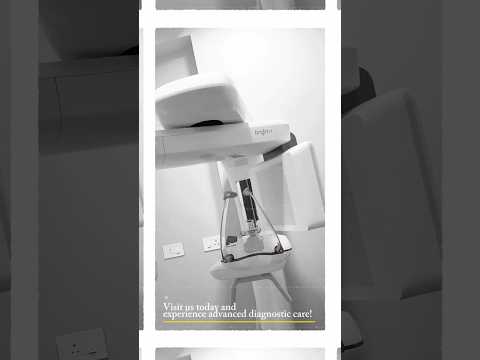
- Cone Beam Computed Tomography (CBCT): Provides 3D radiographic imaging to assess bone density and root health prior to cosmetic work.
- Spectrophotometers: Digital shade-matching tools that guarantee the porcelain color blends flawlessly with adjacent natural teeth.
- T-Scan Technology: Computerized occlusal analysis systems that precisely measure the timing and force of a patient's bite.
Modern 3D dental printers can fabricate highly accurate temporary veneers in under an hour using bio-compatible resins, allowing international patients to maintain perfect aesthetics during the interim fabrication phase.
The Process of Getting a Hollywood Smile in India
The clinical journey for international medical tourists is meticulously structured to maximize efficiency without sacrificing safety or attention to detail. Upon arrival, the process typically commences with an exhaustive clinical evaluation, incorporating digital radiography, periodontal assessment, and the initial AI smile mapping. Following a collaborative discussion regarding goals and expectations, the dentist prepares the teeth by removing a microscopic layer of enamel, ensuring the final veneers will sit flush against the gum line.
Once the teeth are prepped, the digital impressions are securely transmitted to the master ceramist. During the few days it generally takes to hand-finish the permanent restorations, patients wear custom-milled temporaries that protect the teeth and mimic the final design. The concluding visit involves removing the temporaries, trying in the permanent porcelain for a final aesthetic check, and permanently bonding them using light-cured resin cements for unparalleled durability.
- Consultation & Planning: Extensive digital imaging and collaborative design approval.
- Tooth Preparation: Gentle reshaping of the enamel under local anesthesia, followed by digital scanning.
- Temporary Placement: Fitting of aesthetic temporaries while the final restorations are crafted.
- Final Bonding: Meticulous placement, cementation, and occlusal adjustment of the permanent veneers.
Dental veneers are strictly contraindicated for individuals with active periodontal (gum) disease, severe tooth decay, or insufficient enamel density. A comprehensive clinical examination must clear you of any underlying oral health issues before any cosmetic preparation can begin.
Materials Used for High-Quality Veneers in India
When investing in cosmetic restorations, the quality of the raw materials directly dictates both the visual appeal and the longevity of the final result. Indian dental centers targeting international clientele predominantly utilize ultra-premium glass-ceramics such as Lithium Disilicate, widely known commercially as E-max. This material is globally celebrated for its exceptional translucency, which mimics the light-reflecting properties of natural human enamel far better than older, opaque ceramics.
For patients requiring structural reinforcement or those attempting to mask severe intrinsic staining, Zirconia-based restorations are often recommended. Zirconia offers unparalleled tensile strength, making it highly resistant to chipping or fracturing during normal use. Skilled master ceramists will typically layer translucent porcelain over a robust Zirconia core, achieving a perfect synthesis of aesthetic beauty and functional durability.
- Lithium Disilicate (E-max): Best for front teeth; offers superior translucency and requires minimal enamel removal.
- Feldspathic Porcelain: Hand-layered artisan veneers that provide highly customized, natural-looking aesthetics.
- Translucent Zirconia: Ideal for patients with heavy bites or those masking dark underlying tooth structures.
- Composite Resin: A more budget-friendly, direct application option, though generally less durable than porcelain.
Always ask your chosen specialist for a "material passport" or certificate of authenticity. Reputable clinics will gladly provide documentation proving they utilized genuine, globally recognized brands for your dental restorations.
What to Expect During Dental Recovery in India
Recovering from a comprehensive veneer procedure is generally straightforward, but patients must remain mindful of their oral habits during the initial healing phase. Because a thin layer of enamel is removed during preparation, most patients experience mild thermal sensitivity to hot and cold foods for the first week or two. This temporary discomfort is typically managed effectively with over-the-counter anti-inflammatory medication and desensitizing toothpastes recommended by the specialist.
The soft tissues and gums surrounding the new restorations may also feel slightly inflamed or tender as they adapt to the new contours of the teeth. While recuperating, medical tourists can safely enjoy India's diverse culinary offerings, though it is highly advisable to adhere to a soft-food diet during the first few days. Patients are generally cleared to fly home immediately following their final post-operative check-up.
- Manage Sensitivity: Utilize prescribed desensitizing gels and avoid extreme food temperatures initially.
- Dietary Adjustments: Stick to soft foods like yogurt, mashed vegetables, and smoothies for the first 48 hours post-bonding.
- Oral Hygiene: Resume gentle brushing and flossing immediately, utilizing a soft-bristled toothbrush to maintain gum health.
- Follow-Up: Attend the mandatory bite-check appointment before departing the country to ensure perfect occlusal balance.
Testimonial: Rapid Recovery
"I anticipated a painful recovery after getting 16 veneers, but I was pleasantly surprised. The sensitivity only lasted about three days, and I was able to comfortably enjoy my vacation sightseeing around Mumbai just a few hours after the final placement." - David, Canada
Risk Factors and Candidacy for Dental Veneers in India
While cosmetic restorations boast exceptionally high patient satisfaction rates, full disclosure of potential risks is an essential component of ethical medical tourism. Veneers represent an irreversible commitment; once enamel is removed, the tooth will permanently require a covering. Rare but possible complications include the debonding of the porcelain, micro-leakage causing underlying decay, or persistent nerve inflammation that could eventually necessitate root canal therapy.
Ideal candidates for this procedure are individuals with fully developed jaws, excellent periodontal health, and adequate remaining tooth structure to support the bonded ceramic. Patients with severe bruxism (chronic teeth grinding) may require a night guard to protect their investment, while those with significant malocclusion (bite misalignment) might need orthodontic correction prior to considering restorative cosmetic work.
- Irreversibility: Traditional veneers require permanent alteration of the natural tooth structure.
- Bond Failure: Biting into excessively hard objects (like ice or pens) can cause the ceramic to chip or detach.
- Gum Recession: Poor oral hygiene post-procedure can lead to gum recession, potentially exposing the margins of the veneer.
- Bruxism Risks: Unmanaged teeth grinding applies excessive force that can fracture even the strongest porcelain over time.
Porcelain is highly resistant to staining from coffee, tea, and red wine compared to natural tooth enamel. However, the composite resin cement used at the margins can attract stains if rigorous dental hygiene is neglected.
Combining Tourism with Dental Treatments in India
The allure of medical tourism in India extends far beyond the clinical environment, offering a culturally enriching backdrop for recovery. Metropolitan centers like Mumbai provide an eclectic mix of historical architecture, luxury hospitality, and vibrant local markets. Many international patients strategically schedule their dental appointments to allow for brief tourism excursions during the laboratory fabrication phase, turning a medical necessity into a memorable global adventure.
However, patients must balance their exploration with adequate rest and strict adherence to post-operative guidelines. It is vital to stay hydrated, avoid rigorous physical activities immediately after procedures, and maintain a travel itinerary that prioritizes healing. The warm hospitality and widespread use of English make navigating the city generally stress-free, contributing positively to the overall healing experience.
- Luxury Recovery: Access to world-class, affordable five-star hotels located in close proximity to major dental centers.
- Cultural Excursions: Utilizing the "downtime" between appointments to explore local museums, art galleries, and historical monuments.
- Wellness Integration: Combining dental procedures with traditional Ayurvedic spa treatments for holistic relaxation.
- Culinary Tourism: Safely enjoying the region's famous soft delicacies, ensuring the diet remains veneer-friendly.
Testimonial: A Dental Vacation
"Getting my smile redesigned was the primary goal, but the downtime allowed me to experience the incredible culture and hospitality of the city. The entire journey felt more like a luxury wellness retreat than a major dental procedure." - Elena, United Kingdom
Selecting the Right Dental Clinic in India
Choosing the appropriate healthcare provider is the most critical decision an international patient will make during their medical tourism journey. Thorough due diligence is required to ensure the facility meets rigorous global safety and quality standards. Prospective patients should look for a dental clinic in India that boasts formal accreditations from respected regulatory bodies, such as the National Accreditation Board for Hospitals & Healthcare Providers (NABH) or the Joint Commission International (JCI).
Equally important is verifying the credentials of the operating specialist. Patients should request detailed portfolios of previous cosmetic cases, specifically focusing on before-and-after photographs of digital smile design procedures. Transparent communication during the initial virtual consultation is a strong indicator of a reputable facility; the dentist should openly discuss potential risks, material options, and provide a clear, itemized breakdown of all anticipated costs.
- Verify Accreditations: Ensure the facility holds valid national or international healthcare certifications.
- Review Portfolios: Request to see high-resolution, unedited case studies of previous international patients.
- Check Technology: Confirm the clinic utilizes in-house CAD/CAM technology and genuine dental materials.
- Read Independent Reviews: Seek out genuine patient testimonials on third-party medical tourism platforms.
During your virtual consultation, ask the specialist how they handle complications or required revisions once you return to your home country. Top clinics usually have partnerships with local US dentists or offer robust guarantee policies.
Success Rates of Aesthetic Dentistry in India
The long-term success of cosmetic dental procedures performed internationally closely mirrors the excellent outcomes observed in top-tier Western clinics. When executed by highly skilled prosthodontists using premium E-max or Zirconia materials, porcelain veneers generally boast a survival rate exceeding 90% over a ten-year period. The integration of AI and digital mapping has further improved these statistics by ensuring optimal structural fit and balanced bite forces, which drastically reduces the risk of mechanical failure.
Ultimately, the longevity of a newly designed smile relies heavily on the patient's commitment to ongoing maintenance. While the ceramic materials themselves will not decay, the underlying natural tooth structure remains vulnerable to cavities and periodontal issues. Adhering to strict daily hygiene routines, wearing prescribed occlusal guards at night, and visiting a local hygienist biannually are essential practices for protecting the investment.
- High Durability: Modern glass-ceramics are engineered to withstand immense biting pressures over decades.
- Stain Resistance: Glazed porcelain maintains its radiant color far longer than natural human enamel.
- Biocompatibility: Premium dental ceramics are highly accepted by gum tissues, reducing the risk of chronic inflammation.
- Patient Compliance: Long-term success is fundamentally tied to diligent home care and regular professional cleanings.
According to prosthodontic literature, properly bonded porcelain veneers placed on teeth with adequate enamel have an estimated survival rate of 93% at 10 years, and 83% at 20 years.
Testimonial: Lasting Results
"It has been over five years since my trip to get my veneers done, and they still look as flawless as the day they were placed. My local dentist in New York is continually impressed by the precision of the margin work." - Michael, United States
How PlacidWay Assists Your Digital Smile Design Journey in India
Organizing complex international healthcare can be overwhelming for patients unfamiliar with cross-border logistics. Navigating language nuances, vetting facility credentials, and securing transparent pricing require dedicated advocacy and specialized industry knowledge. This is where strategic medical tourism platforms step in to bridge the gap between global patients and elite healthcare providers safely.
PlacidWay serves as a crucial partner in facilitating your aesthetic dentistry goals, offering comprehensive guidance tailored specifically to medical tourists. By leveraging established global networks, patients gain access to thoroughly vetted, world-class dental facilities equipped with the latest digital smile design technology.
- Connects international patients with highly credentialed, English-speaking dental specialists and prosthodontists.
- Provides comprehensive facility profiles, verified patient reviews, and detailed doctor credentials for informed decision-making.
- Facilitates direct digital consultations between the patient and the specialist to discuss customized AI smile plans prior to travel.
- Assists in gathering and comparing multiple, transparent cost estimates from accredited centers to ensure competitive pricing.
- Offers dedicated patient advocacy and ongoing communication support throughout the entire medical journey.
Thousands of international patients utilize PlacidWay annually to securely coordinate their medical and dental treatments across dozens of countries, ensuring a streamlined, vetted, and highly professional healthcare experience.
Frequently Asked Questions About Dental Veneers in India
Prospective medical tourists understandably have numerous inquiries regarding the logistics, safety, and clinical expectations of receiving cosmetic dentistry abroad. Thoroughly addressing these common concerns is essential for alleviating travel anxiety and empowering patients to make confident, well-informed healthcare decisions. A well-prepared patient is generally a relaxed patient, which directly contributes to a smoother clinical workflow.
Below are detailed answers to the most frequently asked questions regarding international aesthetic dentistry. This information aims to clarify the realities of cross-border care, from visa requirements and material quality to long-term maintenance and post-operative support.
Are dental veneers in India as good as those in the US?
Yes, top dental facilities in India utilize the exact same FDA-approved materials and CAD/CAM technologies found in American clinics. Patients generally receive world-class care from internationally trained prosthodontists.
How long does it take to get a Hollywood smile in India?
The entire process typically takes about one to two weeks, depending on the complexity of your case. This timeframe allows for thorough digital smile design, laboratory fabrication, and final fitting.
Is it safe to travel to India for aesthetic dentistry?
Medical tourism in India is highly regulated, with top-tier hospitals holding international accreditations like JCI and NABH. Proper research and preparation generally ensure a safe and successful medical journey.
Do I need a special visa for dental treatments in India?
Most international patients apply for an e-Medical Visa, which is specifically designed for individuals seeking healthcare services. The application process is typically streamlined and can be completed online prior to travel.
Will my dental veneers look unnatural or bulky?
By utilizing AI-assisted digital smile design, dentists can meticulously map your facial features to create ultra-thin, highly customized veneers. This technology generally prevents the bulky, artificial look often associated with older techniques.
What happens if a veneer chips or falls off after I return home?
While rare, bond failures can happen. Most reputable international providers supply detailed digital records, allowing your local dentist in the US to easily replace or re-bond the veneer using the exact same specifications.
Are there language barriers when undergoing dental procedures in India?
English is widely spoken across the Indian healthcare sector, especially in metropolitan areas like Mumbai. US patients typically experience seamless communication with their medical teams and support staff.
How long do porcelain veneers usually last?
With proper oral hygiene and regular dental check-ups, high-quality porcelain veneers typically last between 10 to 15 years. Individual longevity varies based on dietary habits and whether the patient grinds their teeth.
Can anyone get digital smile design veneers?
Not everyone is an immediate candidate for veneers; excellent gum health and sufficient enamel are required beforehand. Dentists typically conduct comprehensive evaluations to ensure you are medically fit for the procedure.
Does the procedure for dental veneers cause pain?
The procedure is typically performed under local anesthesia, ensuring patients remain comfortable during the tooth preparation phase. Post-treatment sensitivity is common but generally subsides within a few days.
References?
- WebMD. (n.d.). Dental Veneers: Cost, Procedure, vs. Crown. https://www.webmd.com/oral-health/guide/veneers
- Cleveland Clinic. (n.d.). Porcelain Veneers: Procedure, Advantages & Disadvantages. https://my.clevelandclinic.org/health/treatments/23522-dental-veneers
- Wikipedia. (n.d.). Veneer (dentistry). https://en.wikipedia.org/wiki/Veneer_(dentistry)


















Share this listing