
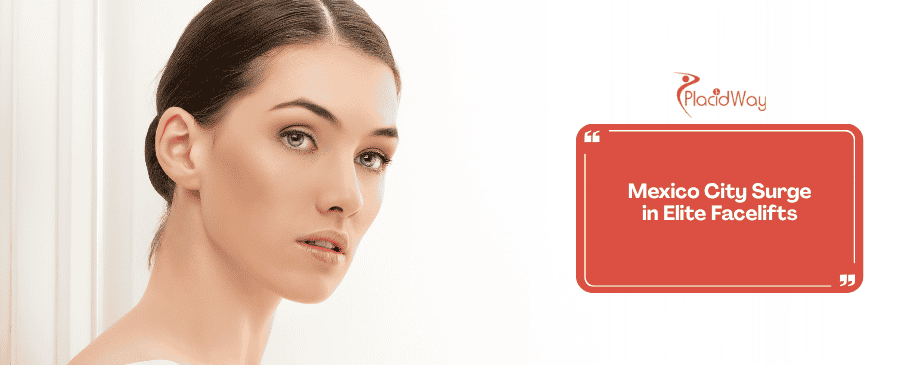
In recent years, a noticeable surge has occurred among international travelers seeking advanced aesthetic procedures, particularly the deep plane facelift in Mexico City. Elite expatriates, executives, and discerning patients are increasingly looking southward, drawn by a sophisticated blend of world-class medical expertise, privacy, and cultural richness. Unlike older surgical techniques that relied on stretching the skin, the modern approach to facial rejuvenation focuses on restoring the foundational architecture of the face.
A deep plane facelift involves repositioning the deeper anatomical layers—specifically the SMAS (superficial musculoaponeurotic system) and platysma—as a single unit. By releasing the retaining ligaments of the face, surgeons can elevate drooping fat pads and muscles without placing tension on the overlying skin. This complex, highly specialized procedure is gaining massive traction within the medical tourism in Mexico City sector, offering patients the opportunity to age gracefully without the telltale "windswept" look.
The deep plane technique was initially developed in the early 1990s but has recently seen a massive resurgence due to advancements in anatomical understanding and the modern patient's desire for highly natural, undetectable results.
Why Elite Expats Choose Mexico City for Facial Rejuvenation
The cosmopolitan landscape of Mexico's capital has quietly transformed into a premier destination for high-end healthcare. Expats and medical travelers are no longer just looking for basic dental work or minor cosmetic tweaks; they are actively seeking complex, transformative surgeries. Facial rejuvenation in Mexico appeals to this demographic because it combines access to elite, internationally trained surgeons with exclusive, boutique-style medical facilities that rival those in Beverly Hills or Manhattan.
Furthermore, the city offers an unparalleled environment for recovery. Elite patients often choose to recuperate in luxury wellness retreats or private, high-end accommodations nestled in historic, tree-lined neighborhoods like Polanco or Condesa. This allows them to undergo an affordable deep plane facelift while enjoying a discreet, stress-free healing period far removed from their daily social and professional obligations.
According to global medical travel reports, Mexico consistently ranks within the top tier worldwide for cosmetic surgery procedures, drawing hundreds of thousands of international patients annually due to its high standards of private healthcare.
The Science Behind Advanced Deep Plane Facelift Techniques
Understanding why this specific surgery has become the gold standard requires a brief look at facial anatomy. As we age, the structural ligaments of our face weaken, causing the midface fat pads, jowls, and neck tissues to descend. Traditional facelifts often separate the skin from the underlying muscle, pulling the skin tight to flatten the wrinkles. However, the advanced deep plane facelift technique dives deeper, passing beneath the SMAS layer.
By operating in this deeper, essentially bloodless plane, the surgeon releases specific tethering points (zygomatic and masseteric ligaments). Once freed, the entire soft tissue structure can be smoothly elevated to a more youthful position. Because the skin remains attached to the underlying muscle, blood supply is generally better preserved, which typically results in more robust healing and a vastly more natural aesthetic outcome for patients undergoing plastic surgery in Mexico.
Because a deep plane approach leaves the skin attached to the underlying tissue, the risk of "pixie ear" (where the earlobe is pulled downward due to skin tension) is drastically reduced compared to older skin-only facelifts.
Affordable Deep Plane Facelift Cost in Mexico City
One of the most compelling reasons elite expats and international patients travel southward is the highly attractive cost-to-quality ratio. The deep plane facelift cost in Mexico City is generally a fraction of what one would expect to pay in major aesthetic hubs in the United States, Canada, or the United Kingdom. This pricing efficiency is driven by a lower cost of living, reduced clinical overhead, and favorable exchange rates, rather than a compromise in medical safety or surgical talent.
While prices can vary depending on the complexity of the individual case and the specific clinic chosen, patients often save tens of thousands of dollars. These savings frequently allow medical tourists to afford complementary procedures, extended luxury stays for recovery, and comprehensive post-operative care without exceeding their original budget for affordable cosmetic surgery in Mexico.
| Procedure Name | Average Cost in Mexico City | Estimated Cost in US/Canada |
|---|---|---|
| Deep Plane Facelift (Standalone) | $7,000 - $12,000 USD | $20,000 - $45,000 USD |
| Deep Plane Facelift + Neck Lift | $9,500 - $15,000 USD | $25,000 - $60,000 USD |
| Facelift + Upper/Lower Eyelid Lift | $10,000 - $16,500 USD | $30,000 - $70,000 USD |
When budgeting for your medical journey, always factor in the costs of pre-operative lab tests, post-operative garments, prescribed medications, and a comfortable accommodation for at least 10 to 14 days of recovery.
Comparing Deep Plane vs Traditional Facelift Methods
For patients researching a facelift procedure in Mexico City, understanding the distinction between various methods is crucial. A traditional SMAS facelift typically involves undermining the skin, lifting it, and then tightening or folding the underlying SMAS layer with sutures (SMAS plication). While this provides good results for some, it relies heavily on lateral (sideways) pulling, which can sometimes create an overly tight or flattened midface appearance.
In contrast, the deep plane method creates a vertical lift. Because the surgeon gets entirely under the SMAS layer and releases the facial retaining ligaments, the soft tissues can be lifted upwards—counteracting the direct downward pull of gravity. Elite expats frequently seek out top cosmetic surgeons in Mexico City specifically for this technique, as it generally restores the heart-shaped volume of youth rather than simply smoothing out wrinkles.
Patient Case Summary: Elena's Journey
A 56-year-old executive from Toronto traveled to Mexico City seeking rejuvenation without an "operated" look. After opting for a deep plane approach, she reported that her colleagues simply thought she had returned from a long, restful vacation. The lack of visible skin tension was the key factor in her satisfaction.
Top Medical Tourism Trends in Mexico City Cosmetic Surgery
The landscape of medical tourism in Mexico City is rapidly evolving. We are witnessing a distinct shift from mass-market medical travel toward boutique, highly personalized healthcare experiences. Elite expats and travelers now expect a concierge-level approach, where every detail—from airport transfers to private nursing—is meticulously arranged to ensure ultimate safety and comfort.
Furthermore, there is a growing trend of integrating holistic wellness into the surgical journey. Many state-of-the-art cosmetic surgery clinics in Mexico now coordinate with local hyperbaric oxygen therapy centers, specialized lymphatic drainage massage therapists, and IV vitamin drip providers. This comprehensive approach is designed to theoretically accelerate healing and optimize aesthetic outcomes.
Data from international cosmetic surgery societies indicates that facial rejuvenation surgeries, particularly complex lifts, have seen over a 20% increase in patient demand over the last five years, largely fueled by the "Zoom boom" and high-definition video conferencing.
Ideal Candidates for Facial Aging Reversal in Mexico
While the prospect of aging backwards is highly appealing, not everyone is an immediate candidate for a deep plane facelift. The ideal candidate for facial aging reversal in Mexico is typically between the ages of 45 and 70, exhibiting significant signs of facial sagging, deep nasolabial folds, descended cheek fat (malar fat pads), and prominent jowling along the jawline.
More importantly, surgical safety relies on robust overall health. Candidates must generally be non-smokers (or willing to quit completely weeks before and after surgery), free from uncontrolled medical conditions like severe hypertension or diabetes, and hold realistic expectations about their outcomes. An honest, comprehensive virtual or in-person consultation is mandatory to determine if this advanced aesthetic procedure is appropriate.
Nicotine constricts blood vessels drastically. Because facial plastic surgery relies heavily on optimal blood flow for healing, responsible surgeons will strictly contraindicate the procedure for active smokers due to the high risk of tissue necrosis.
Preparing for Your Plastic Surgery Journey in Mexico
Thorough preparation is the bedrock of a safe and successful medical tourism experience. Months before stepping onto a plane, patients must undergo extensive pre-operative evaluations, including blood panels, electrocardiograms, and medical clearances from their primary care physicians at home. Reputable clinics offering plastic surgery in Mexico City will demand these records to ensure absolute patient safety.
Additionally, preparation involves lifestyle optimization. Patients are typically advised to halt the intake of blood-thinning medications, specific herbal supplements, and alcohol at least two weeks prior to surgery. Establishing a communication plan, securing a travel companion, and organizing a comfortable recovery sanctuary are vital steps for anyone planning an international medical travel journey.
Pack front-opening clothing, such as button-down shirts and zip-up hoodies. Pulling clothing over your head after facial surgery can be difficult and risks catching on sensitive healing incisions or bandages.
The Deep Plane Facelift Procedure Step by Step
The operative day for a deep plane facelift in Mexico City is highly structured. After arriving at the accredited surgical facility, the patient meets with the anesthesiologist and surgeon for final markings. The procedure is typically performed under general anesthesia or deep intravenous sedation, ensuring complete comfort and stillness throughout the meticulous 3 to 5-hour surgery.
The surgeon begins by creating incisions that artfully follow the natural hairline and the contours around the ear. They then navigate past the SMAS layer to access the deeper facial structures, releasing the retaining ligaments. Once the underlying musculature and fat pads are elevated to a youthful position and secured, the excess skin is gently draped and trimmed without tension. This advanced facelift surgery concludes with meticulous suturing to minimize visible scarring.
Patient Case Summary: Robert's Experience
Robert, a 62-year-old expat living in Panama, sought to address severe lower facial sagging that affected his confidence in business meetings. The deep plane procedure restored his jawline definition. He emphasized that the meticulous step-by-step care he received from the nursing staff in Mexico City made the complex surgery feel highly managed and secure.
Post Operative Recovery and Aftercare in Mexico City
Recovery is a critical phase where the body truly heals and adapts to its new facial architecture. Most patients experience a degree of swelling, bruising, and a feeling of tightness during the first 72 hours. Because the deep plane technique elevates tissue below the muscle, superficial bruising is sometimes less severe than traditional methods, though individual responses vary widely when undergoing facial rejuvenation recovery.
Elite expats usually remain in Mexico City for 10 to 14 days post-operation. During this time, they attend multiple follow-up appointments to monitor healing and have sutures removed. Engaging in prescribed lymphatic drainage massages, resting with the head elevated, and strictly avoiding sun exposure are imperative protocols to ensure the best possible results from an overseas cosmetic procedure.
Patient Case Summary: Sarah's Healing Process
Traveling from California, Sarah booked a luxury recovery retreat in Mexico City for two weeks. She noted that having round-the-clock nursing assistance during the first three days and specialized soft-diet meals provided a stress-free environment, which she attributes to her smooth and rapid recovery timeline.
Understanding the Risks of Deep Plane Facelifts
While the aesthetic outcomes can be highly rewarding, it is crucial to approach medical tourism with a clear understanding of potential complications. Every surgery, regardless of where it is performed or the skill of the surgeon, carries inherent risks. Common surgical risks typically include hematoma (blood collection under the skin), infection, adverse reactions to anesthesia, and delayed wound healing.
Specific to the deep plane approach, there is an elevated risk of facial nerve injury due to the procedure's proximity to the facial nerve branches beneath the SMAS layer. While transient weakness is a risk that some patients experience, permanent nerve damage is generally rare when performed by extensively trained experts. Strict adherence to post-operative instructions is vital for anyone pursuing a deep plane facelift in Mexico to minimize these risks.
Transparent risk disclosure is mandatory for patient safety. Never undergo major facial surgery without fully understanding the possibility of complications like nerve weakness, asymmetrical healing, or the rare need for revision surgery. No surgical outcome can ever be 100% guaranteed.
Selecting Board Certified Plastic Surgeons in Mexico City
The success and safety of your procedure rest heavily on the hands of your chosen specialist. Mexico boasts exceptional medical talent, but patients must practice rigorous due diligence. When researching board certified plastic surgeons in Mexico City, ensure that the doctor is certified by the Consejo Mexicano de Cirugía Plástica, Estética y Reconstructiva (CMCPER), which is the authoritative body in Mexico.
Beyond basic board certification, prospective patients should seek out surgeons who possess highly specific fellowship training in facial plastic surgery and a robust portfolio of long-term deep plane facelift results. Reviewing consistent, unedited before-and-after photos, checking international memberships (such as ISAPS or ASPS), and having detailed virtual consultations are mandatory steps for finding top tier medical care in Mexico.
Many of the leading cosmetic surgeons in Mexico City frequently attend and present at global aesthetic symposiums, sharing techniques and keeping abreast of the latest international safety protocols in facial reconstructive surgery.
Combining Treatments with a Facelift for Optimal Results
Facial aging does not occur in isolation; it affects the brow, eyes, midface, and neck concurrently. To achieve comprehensive facial harmony, elite expats frequently opt to combine their deep plane facelift in Mexico City with synergistic cosmetic procedures. The goal is to ensure that the entire face ages at the same refreshed pace, preventing a youthful jawline from clashing with heavily hooded eyes.
Common adjunct procedures include upper and lower blepharoplasty (eyelid surgery), brow lifts, and facial fat grafting. Fat grafting is particularly popular because it restores the natural volume and plumpness to areas like the cheeks and temples that hollow out over time. By addressing both structural descent and volume loss simultaneously, patients often achieve the most transformative facial rejuvenation outcomes.
Patient Case Summary: David's Transformation
A 58-year-old from London combined a deep plane facelift with lower eyelid surgery and a subtle chin implant to restore his facial proportions. He highlighted that combining the surgeries meant a single recovery period, saving him significant time and allowing him to return to his active expat lifestyle more efficiently.
Combining surgeries during a single operation is often more cost-effective and reduces the patient's overall exposure to general anesthesia, compared to undergoing multiple, separate surgical events.
How PlacidWay Assists Your Deep Plane Facelift Medical Tourism Journey in Mexico City
Navigating the complex world of international healthcare can be daunting without expert guidance. PlacidWay serves as a vital bridge connecting discerning patients with highly vetted, globally recognized healthcare providers. When planning a medical tourism journey to Mexico City, having an experienced partner simplifies research, enhances safety, and empowers you to make highly informed healthcare decisions.
Our dedicated platform focuses on providing transparent, value-driven assistance for international medical travelers seeking specialized care. Here is how PlacidWay supports your aesthetic surgery planning:
- Providing access to profiles of thoroughly verified, internationally accredited medical facilities.
- Facilitating direct communication and virtual consultations with board-certified plastic surgeons.
- Offering comprehensive cost estimates to help you understand the full financial scope of your procedure.
- Supplying patient education resources regarding surgical techniques, risks, and recovery expectations.
- Assisting with medical record transfers to ensure your chosen surgeon has your complete health history.
- Connecting you with dedicated international patient coordinators to streamline your clinic experience.
Frequently Asked Questions
How long does a deep plane facelift typically last?
While results vary by individual, patients generally enjoy the outcomes of a deep plane facelift for 10 to 15 years. Maintaining a healthy lifestyle and protecting your skin from the sun can help prolong these effects.
Is it safe to travel to Mexico City for plastic surgery?
Medical tourism in Mexico City is highly regulated within premium healthcare sectors, making it generally safe when utilizing internationally accredited facilities. However, patients must diligently verify the credentials of their board-certified surgeons.
When can I fly home after a facelift in Mexico City?
Most plastic surgeons recommend staying in the destination for at least 10 to 14 days post-operation. This timeframe allows for initial recovery, the removal of sutures, and necessary follow-up evaluations before air travel.
What is the difference between a SMAS and a deep plane facelift?
A standard SMAS facelift typically lifts the connective tissues above the facial muscles, while a deep plane facelift releases the retaining ligaments to lift the entire muscle and fat structure as a single unit. This often results in a more natural, tension-free appearance.
Will I have visible scars after the procedure?
Incisions are strategically placed within the hairline and the natural contours around the ears to minimize visibility. While scarring is an unavoidable risk of any surgery, they typically fade significantly over time.
How painful is the recovery from a deep plane facelift?
Patients typically report feeling tightness and mild discomfort rather than severe pain, as the procedure releases tension under the muscle rather than pulling the skin. Appropriate pain management protocols are provided to ensure a comfortable recovery.
Can I combine a neck lift with my deep plane facelift?
Yes, many patients choose to combine these procedures, as treating the face and neck together often creates a more cohesive and harmonious rejuvenation. A deep plane approach inherently addresses the upper neck, but a dedicated neck lift can further refine the jawline.
Do surgeons in Mexico City speak English?
The vast majority of top-tier plastic surgeons catering to international patients in Mexico City are fully bilingual. Many have undergone portions of their medical training or fellowships in the United States or Europe.
What are the primary risks of a deep plane facelift?
General surgical risks include hematoma, infection, adverse reactions to anesthesia, and temporary or, rarely, permanent facial nerve weakness. Thoroughly discussing these risks during your consultation is essential for informed decision-making.
Why is the deep plane facelift cost so much lower in Mexico?
The lower cost is primarily due to the significantly reduced cost of living, lower overhead expenses for medical facilities, and favorable exchange rates. The affordability does not inherently reflect a compromise in medical quality or surgical expertise.
Ready to take the next step in your aesthetic journey? Contact PlacidWay today to connect with internationally accredited clinics and board-certified surgeons in Mexico City. Let our experts assist you in finding the best options tailored to your facial rejuvenation goals.
Medical Disclaimer: This article is for informational purposes only and is not medical advice. Always consult a qualified healthcare provider before any medical decisions. Results may vary. Read Full Disclaimer here.
References
- American Society of Plastic Surgeons. (n.d.). Facelift. https://www.plasticsurgery.org/cosmetic-procedures/facelift
- International Society of Aesthetic Plastic Surgery (ISAPS). (n.d.). Global Survey Results. https://www.isaps.org/discover/about-isaps/global-statistics/global-survey-2024-full-report-and-press-releases/
- Mayo Clinic. (n.d.). Face-lift: What you can expect. https://www.mayoclinic.org/tests-procedures/face-lift/about/pac-20394059
- Cleveland Clinic. (n.d.). Facelift (Rhytidectomy). https://my.clevelandclinic.org/health/treatments/11023-facelift
- National Center for Biotechnology Information. (n.d.). Deep Plane Facelift Techniques and Outcomes. https://www.ncbi.nlm.nih.gov/books/NBK545277/






.png)
.png)




.jpg)
.jpg)
.jpg)
.jpg)








Share this listing