



For decades, patients suffering from debilitating knee osteoarthritis were told their only long-term option was a highly invasive total joint arthroplasty. Today, the landscape of orthopedic medicine is experiencing a massive paradigm shift toward regenerative healing, moving away from metal and plastic implants. At the forefront of this medical evolution are advanced biological treatments utilizing mesenchymal stem cells in Cancun, Mexico. These therapies are designed to address the root cause of joint degeneration rather than simply masking the pain or removing the biological joint entirely.
The term "bionic joint" does not refer to robotic parts, but rather to a joint biologically optimized and fortified through the application of High-Dose Mesenchymal Stem Cell (MSC) protocols. These specialized cells, often sourced ethically from Wharton's Jelly in donated umbilical cords, possess profound immunomodulatory and regenerative properties. By introducing tens of millions of these youthful cells directly into a damaged knee, specialists are successfully creating an environment where cartilage degradation can slow down, and tissue repair can naturally occur.
- Targeted Inflammation Control: MSCs actively seek out inflammatory signals within the joint and release proteins that neutralize chronic swelling.
- Cellular Signaling: Through paracrine signaling, injected MSCs instruct your body's own dormant repair cells to wake up and begin the healing process.
- Minimally Invasive Application: Unlike joint replacement surgery, this protocol involves precise, ultrasound-guided intra-articular injections requiring no hospitalization.
- Preservation of Native Anatomy: The ultimate goal of high-dose MSC protocols in Cancun is to keep your original biological joint intact for as long as possible.
Mesenchymal Stem Cells are completely "immune-privileged." This means that when using ethically sourced allogeneic (donor) cells, your body typically does not recognize them as foreign, meaning there is virtually no risk of rejection or need for immunosuppressive drugs.
Why Stem Cell Therapy for Knees in Cancun is Gaining Global Popularity
Patients worldwide are increasingly seeking out orthopedic regenerative medicine in Mexico as a viable alternative to local treatments. One of the primary drivers of this medical migration is the stringent regulatory environment in North America, which heavily restricts the laboratory expansion of stem cells. In the United States and Canada, doctors are largely limited to using same-day autologous treatments (using a patient's own bone marrow or fat), which typically yield a relatively low cellular count, especially in older adults.
Conversely, Mexico's advanced healthcare sector operates under a progressive legal framework that permits the ethical cultivation and expansion of stem cells in highly regulated cleanrooms. This allows specialists to administer highly concentrated doses—often exceeding 50 to 100 million viable cells per joint. This mathematical advantage is crucial; older, severely damaged joints generally require a massive cellular payload to overcome years of degenerative damage and chronic inflammation effectively.
Research indicates that cultured umbilical cord tissue can yield up to 100 times more potent, youthful mesenchymal stem cells compared to what can typically be harvested from the bone marrow of an adult over the age of 60.
- Access to advanced laboratories utilizing state-of-the-art cell expansion techniques.
- Ability to receive treatments utilizing youthful, highly potent umbilical cord derivatives.
- Integration of comprehensive therapies, including exosomes and hyperbaric oxygen therapy.
Evaluating the Bionic Joint Alternative to Total Knee Replacement
When considering a total knee replacement, patients must weigh the significant risks of general anesthesia, potential blood clots, prolonged immobility, and a grueling physical therapy schedule. A standard knee replacement involves surgically amputating the end of the femur and tibia, then cementing artificial components into the bone. While effective for many, it alters the body's biomechanics permanently and typically requires a lengthy, painful rehabilitation period.
The concept of the "bionic joint" via high-dose MSC protocols focuses on biological restoration rather than mechanical replacement. The goal is to naturally resurface frayed cartilage, heal minor meniscal tears, and drastically reduce synovial inflammation. While this treatment cannot grow a brand-new knee, most patients experience significant pain relief and enhanced mobility, allowing them to delay or entirely bypass the need for an artificial implant.
While highly effective for many, regenerative therapy is not a miracle cure for every patient. Individuals with severe "bone-on-bone" osteoarthritis where the joint space has completely collapsed may not be suitable candidates, as there must be a minimum structural foundation left for the cells to effectively do their work.
| Feature | Total Knee Replacement | High-Dose MSC Protocol |
|---|---|---|
| Procedure Type | Major Invasive Surgery | Minimally Invasive Injection |
| Anesthesia | General or Spinal Anesthesia | Local Anesthetic only |
| Initial Downtime | 4 to 6 weeks of limited mobility | 2 to 3 days of rest |
Affordable High-Dose MSC Therapy Cost in Cancun, Mexico
One of the most compelling reasons patients travel for medical care is the drastic difference in healthcare economics. The cost of stem cell therapy for knees in Mexico represents a fraction of what comparable, albeit lower-dose, treatments cost in the United States and Canada. This affordability is not a reflection of lower medical standards, but rather differences in operational overhead, medical liability insurance, and living costs in Mexico.
When reviewing prices, it is crucial to understand that the total investment depends heavily on the cellular dosage and the specific sub-treatments utilized. A comprehensive protocol in Cancun may include high-dose umbilical cord MSCs, supplementary exosome injections, Platelet-Rich Plasma (PRP) scaffolding, and specialized joint imaging—all bundled into a single, transparent cost.
| Procedure Name / Sub-Treatment | Average Cost in Cancun, Mexico | Average Cost in US/Canada |
|---|---|---|
| Autologous Bone Marrow Aspirate (BMAC) | $2,500 - $3,500 | $5,000 - $8,000 |
| High-Dose Umbilical Cord MSCs (50M Cells) | $3,500 - $4,800 | $8,000 - $12,000 (often restricted) |
| Ultra High-Dose MSC Protocol (100M+ Cells) | $5,000 - $7,500 | $15,000+ (rarely available) |
| Exosome Therapy Add-On | $1,000 - $2,000 | $3,500 - $6,000 |
Always ask for a precise breakdown of the cell count you will be receiving. A quote for "$3,000 stem cell therapy" could mean a low-dose 5-million cell injection, which may not yield the desired results for advanced osteoarthritis. Transparency in cellular count is a hallmark of a reputable provider.
The Science Behind Regenerative Orthopedics for Osteoarthritis
Understanding how regenerative joint treatments in Cancun function requires looking at the micro-environment of a deteriorating knee. Osteoarthritis is not merely a mechanical "wear and tear" disease; it is a highly active, biologically toxic inflammatory process. Enzymes within the joint actively break down healthy cartilage tissue, creating a hostile environment that prevents your body's natural repair mechanisms from working.
When high doses of MSCs are introduced into this toxic environment, they act as cellular managers. They do not immediately turn into cartilage; rather, they first deploy an arsenal of anti-inflammatory proteins to alter the joint's chemistry. Once the inflammation is subdued, the cells secrete growth factors that stimulate angiogenesis (new blood vessel formation) and encourage chondrocytes (cartilage cells) to multiply and repair the extracellular matrix.
Scientific studies demonstrate that MSCs can secrete over 300 distinct therapeutic proteins and growth factors, making them highly effective at interrupting the vicious cycle of osteoarthritis degradation.
Key Growth Factors Secreted by MSCs:
- TGF-beta (Transforming Growth Factor): Essential for cartilage repair and maintaining tissue health.
- VEGF (Vascular Endothelial Growth Factor): Promotes blood flow to surrounding supportive tissues.
- IL-1ra (Interleukin-1 Receptor Antagonist): A powerful blocker of the specific proteins that cause joint pain and cartilage destruction.
Patient Candidacy for Advanced Knee Stem Cell Treatments in Mexico
Not everyone is a suitable candidate for a bionic joint protocol. Comprehensive medical screening is the most critical step in the medical tourism journey to ensure that the patient has a realistic chance of success. Ideal candidates are generally individuals suffering from mild to moderate osteoarthritis, partial meniscal tears, ligament laxity, or chronic patellofemoral pain syndrome.
To determine eligibility for affordable knee stem cell treatments in Cancun, specialists require recent imaging, usually an MRI taken within the last six months, and a detailed medical history. Patients with active cancers, systemic infections, or severe biomechanical deformities (such as extreme bow-leggedness) are generally advised against this specific cellular therapy.
Testimonial Summary: James T. (58), Canada
James was diagnosed with Grade 3 osteoarthritis and told surgery was inevitable. Wanting to continue his active lifestyle without a metal joint, he sought high-dose MSCs in Cancun. Within four months post-treatment, he reported a 70% reduction in daily stiffness and recently returned to playing recreational golf without relying on daily anti-inflammatory medication.
- Must have preserved joint space visible on x-ray or MRI.
- Should be willing to commit to post-procedure physical rehabilitation.
- Ideally, should maintain a healthy body mass index (BMI) to reduce mechanical stress on the newly treated joint.
What to Expect During Your Stem Cell Procedure in Cancun
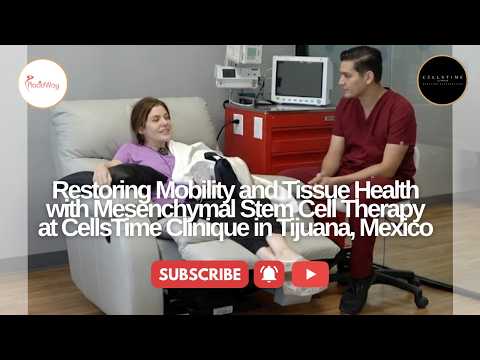
The patient experience for an orthopedic cell therapy procedure in Mexico is designed to be highly streamlined and patient-centric. Upon arriving at the medical facility, you will undergo an in-depth clinical evaluation, review your imaging with the lead orthopedic specialist, and have blood drawn if Platelet-Rich Plasma (PRP) is being used as a scaffolding agent alongside the donor cells.
The procedure itself takes place in a sterile clinical environment. Using real-time fluoroscopy or high-resolution ultrasound guidance, the physician ensures pinpoint accuracy when delivering the high-dose MSC solution directly into the joint capsule. This precision is vital; blind injections run the risk of missing the target tissue entirely, drastically reducing the efficacy of the treatment.
Many top-tier clinics in Cancun incorporate a mild hyperbaric oxygen therapy (HBOT) session either immediately before or after the injection. This saturates your blood plasma with oxygen, creating an optimal, nutrient-rich environment for the newly injected cells to thrive.
Standard Procedure Day Breakdown:
- Morning: Pre-treatment consultation, vital checks, and blood draw (for PRP).
- Mid-Day: Local anesthesia administration followed by the ultrasound-guided joint injection (typically lasting 20-30 minutes).
- Afternoon: Brief observation period, post-treatment instructions provided, and patient discharge.
Recovery Timeline After MSC Knee Injections in Cancun
A common misconception is that stem cell therapy provides instantaneous pain relief. Because the bionic joint MSC protocol relies on natural biological processes, the healing timeline requires patience. Immediately following the procedure, patients typically experience localized swelling and an "aching" sensation in the knee for a few days, which is a normal response to the injection volume and cellular activity.
During the first month, the primary activity within the joint is inflammation modulation. Patients generally begin to notice a decrease in their baseline pain levels between weeks four and eight. The actual structural remodeling and tissue support phases occur over the ensuing three to six months, which is when the most significant improvements in mobility and function are typically realized.
Testimonial Summary: Maria S. (62), United States
Maria traveled for bilateral knee MSC injections. During the first two weeks, she felt slightly more sore than usual and used a cane. By month two, she noticed the stairs in her home were no longer a daunting obstacle. By month six, she reported being completely off her prescription pain medications and enjoyed walking pain-free.
- Weeks 1-2: Strict resting phase. Mild walking is permitted, but strenuous activity is prohibited to allow cell attachment.
- Weeks 3-6: Introduction of gentle range-of-motion exercises and water aerobics.
- Months 3-6: Progressive strengthening of the surrounding leg muscles and gradual return to normal athletic activities.
Safety Protocols and Medical Tourism Standards in Cancun
Safety is the paramount concern for anyone traveling internationally for healthcare. When exploring safe medical tourism in Cancun, patients are often pleasantly surprised by the world-class infrastructure and strict regulatory compliance maintained by top medical facilities. Legitimate regenerative medicine clinics operate under the strict oversight of COFEPRIS (the Mexican equivalent of the FDA), ensuring high standards for laboratory practices and cellular viability.
Ethical clinics source their umbilical cord MSCs from fully screened, healthy, full-term cesarean section births. These tissues undergo rigorous multi-step communicable disease testing, mirroring or exceeding international blood bank standards. Furthermore, treatments are administered in clinical settings equipped with advanced life-support and monitoring systems, ensuring a safe patient experience.
Always verify that the clinic utilizes an independent, third-party laboratory to test their cellular products. You have the right to ask for a "Certificate of Analysis" (COA), which proves the viability, cell count, and sterility of the exact batch of MSCs used for your treatment.
Comparing Cellular Therapies: Exosomes vs. High-Dose MSCs
As the field of orthobiologics expands, patients frequently encounter terms like "exosomes" alongside stem cell therapies. To understand the advanced joint treatments available in Mexico, it is helpful to know the distinction. Mesenchymal stem cells are complete, living cells that function as miniature factories; they travel to sites of injury and manufacture healing proteins based on the local environment's needs.
Exosomes, on the other hand, are the actual micro-vesicles (the "packages") secreted by stem cells. They are not living cells themselves but contain highly concentrated growth factors and mRNA. Many top-tier protocols in Cancun now combine both: they inject millions of exosomes for an immediate anti-inflammatory burst, paired with high-dose MSCs to provide long-term, sustained healing orchestration within the joint.
Testimonial Summary: Robert L. (50), United Kingdom
An avid runner suffering from early-stage arthritis, Robert opted for a combination therapy of High-Dose MSCs and Exosomes in Cancun. He noted an incredibly rapid reduction in joint swelling (attributed to the exosomes) followed by steady strength improvements over the next several months, allowing him to resume light jogging safely.
Real Patient Success Stories with MSC Knee Treatments
While clinical data and mechanism-of-action science are critical, the most compelling evidence for high-dose regenerative therapy in Cancun, Mexico comes from the patients themselves. Across the globe, thousands of individuals have successfully utilized these protocols to regain their quality of life, avoiding the risks and downtimes associated with surgical interventions. Their experiences provide valuable insight into the realistic outcomes of biological joint repair.
It is important to remember that results vary, and regenerative medicine typically does not create an anatomical knee of an 18-year-old. Instead, success is defined functionally: a drastic reduction in visual analog scale (VAS) pain scores, increased walking distances, and the ability to sleep through the night without joint aching. For many, these improvements are life-changing.
Testimonial Summary: Susan W. (68), Australia
Facing a bilateral knee replacement that would require months of painful rehab, Susan flew to Cancun. Nine months post-MSC injection, she reports that while her knees still occasionally click, the deep, burning pain is gone. She considers the treatment a massive success, as she can now play on the floor with her grandchildren—a task she couldn't do for five years.
- Patients frequently report a significant decrease in reliance on NSAIDs and prescription pain relievers.
- Many experience an improvement in joint fluid viscosity, leading to smoother, less "grinding" movement.
- Psychological benefits are widely reported as patients regain independence and return to hobbies.
Combining Physical Therapy with Regenerative Medicine in Mexico
The injection of mesenchymal stem cells is only one-half of the bionic joint equation; the other half is targeted, biomechanical rehabilitation. Movement is medicine. The newly repairing cartilage and modulating joint capsule require mechanical signaling to heal correctly. To achieve the best outcomes from regenerative knee treatments in Cancun, patients must commit to a structured physical therapy regimen upon returning home.
Physical therapy helps correct the compensatory movement patterns that patients often develop after years of knee pain. If a patient receives an advanced stem cell treatment but continues to walk with a misaligned gait or has severe muscle atrophy in their quadriceps, the mechanical stress on the joint remains. Strengthening the surrounding musculature provides a protective shock-absorption system for the newly treated knee.
Clinical observations suggest that patients who adhere to a strict, 12-week post-injection physical therapy plan experience up to a 40% greater improvement in overall joint functionality compared to those who remain highly sedentary.
Navigating Medical Tourism in Cancun for Joint Therapies
Beyond its reputation as a premier vacation spot, Cancun has established itself as a heavily specialized medical tourism hub, particularly for North American and European patients. The logistics of organizing medical tourism in Cancun, Mexico are remarkably straightforward. The city's international airport offers direct, short-duration flights from major hubs across the globe, minimizing the physical stress of travel on aching joints.
Upon arrival, the medical tourism infrastructure is tailored to international standards. Many top-tier clinics employ bilingual medical staff, utilize dedicated patient coordinators, and ensure seamless transfers from the airport to the medical facility. This structured approach allows patients to focus entirely on their treatment and recovery, rather than worrying about logistical hurdles in a foreign country.
Cancun is home to numerous internationally accredited hospitals and specialized clinics that cater specifically to foreign patients, featuring amenities that often rival or exceed the comfort levels of private clinics in the United States and Canada.
- Short travel times reduce the risk of deep vein thrombosis (DVT) and joint stiffness.
- The warm, tropical climate is naturally conducive to reducing joint pain and aiding in relaxation post-procedure.
- Familiarity with international patient expectations ensures high-quality customer service and transparent medical communication.
How PlacidWay Assists Your MSC Therapy Medical Tourism Journey in Cancun
Embarking on a cross-border medical journey requires careful planning, trusted connections, and comprehensive medical advocacy. PlacidWay acts as a pivotal facilitator in your quest to explore bionic joint alternatives, bridging the gap between international patients and certified regenerative medicine specialists in Mexico. We streamline the initial steps of your medical journey, ensuring you have the correct information to make an empowered decision regarding your joint health.
Our goal is to connect you with authoritative healthcare providers that adhere to the strictest international safety standards. Navigating international medical options can be overwhelming, but PlacidWay provides a structured pathway to access top-tier therapies that align with your health objectives.
- Connecting you directly with highly vetted regenerative orthopedic specialists.
- Assisting with the secure transfer of your medical records and MRI imaging for accurate specialist evaluation.
- Providing transparent, comprehensive quotes so you can accurately compare treatment options.
- Coordinating remote video consultations with your prospective medical team prior to your travel.
- Offering dedicated, multi-lingual support to answer procedural questions and clarify medical protocols.
Frequently Asked Questions
How long does a high-dose MSC treatment take in Cancun?
The actual injection process typically takes only a few hours on an outpatient basis. However, patients generally stay in Cancun for three to five days to allow for initial consultations, the procedure, and a brief follow-up.
Is stem cell therapy for knees painful?
Most patients experience only mild discomfort during the injection, as local anesthesia is used to numb the joint area. Post-procedure soreness is common but generally subsides within a few days.
Why are MSC doses higher in Mexico compared to the US?
Regulatory frameworks in Mexico permit the laboratory expansion and culturing of mesenchymal stem cells to reach higher therapeutic numbers. This advanced culturing process is strictly regulated but allows for high-dose protocols that are often restricted in North America.
Will I still need a knee replacement later?
While regenerative treatments aim to delay or prevent the need for invasive surgery, they do not guarantee permanent avoidance of a knee replacement. Individual results vary based on age, lifestyle, and the progression of osteoarthritis.
Do I need a special visa for medical tourism in Cancun?
Patients from the US, Canada, and many European countries do not typically need a special medical visa for short stays in Mexico. A standard tourist visa granted upon arrival is generally sufficient for the duration of the treatment.
Are umbilical cord MSCs safe to use?
Yes, umbilical cord-derived MSCs are generally considered highly safe and are rigorously screened for infectious diseases. Because they are immune-privileged, they rarely trigger a rejection response from the patient's immune system.
How soon can I walk after the procedure?
Patients can typically walk immediately after the procedure, though it is highly advised to limit weight-bearing activities. Using a supportive brace or crutches for the first few days is often recommended to protect the joint.
Can I combine MSC therapy with PRP?
Yes, many protocols in Cancun combine Platelet-Rich Plasma (PRP) with high-dose MSCs to enhance the healing environment. The growth factors in PRP can help stimulate the activity of the injected stem cells.
What kind of follow-up care is required after returning home?
Follow-up care typically involves virtual check-ins with your medical team and a structured physical therapy program prescribed by your specialist. Imaging, such as an MRI, may be requested six months later to evaluate tissue changes.
Does insurance cover stem cell therapy in Cancun?
Most international health insurance providers do not currently cover regenerative treatments like MSC therapy, as they are often classified as elective or experimental. Therefore, patients usually pay out-of-pocket, taking advantage of the lower costs in Mexico.
Ready to explore the Bionic Joint alternative and see if High-Dose MSC Therapy is right for you? Contact PlacidWay today to connect with top-rated regenerative clinics in Cancun, Mexico, and take the first step toward a pain-free future.
Medical Disclaimer: This article is for informational purposes only and is not medical advice. Always consult a qualified healthcare provider before any medical decisions. Results may vary. Read Full Disclaimer here.
References
- National Institutes of Health (NIH). Mesenchymal stem cells in the treatment of joint disease. https://pmc.ncbi.nlm.nih.gov/articles/PMC7868850/
- Mayo Clinic. Knee Replacement - Overview and Risks. https://www.mayoclinic.org/tests-procedures/knee-replacement/about/pac-20385276
- Arthritis Foundation. Stem Cell Therapy for Arthritis. https://www.arthritis.org/science/events-publications/stem-cell-guidance
- American Academy of Orthopaedic Surgeons (OrthoInfo). Osteoarthritis of the Knee. https://orthoinfo.aaos.org/en/diseases--conditions/osteoarthritis/
- World Health Organization (WHO). Osteoarthritis fact sheet. https://www.who.int/news-room/fact-sheets/detail/osteoarthritis


















Share this listing