
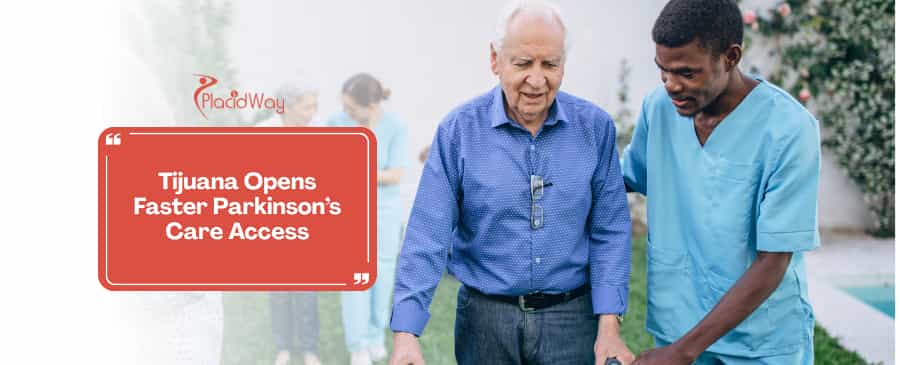
Navigating the complex landscape of neurological care requires a deep understanding of emerging, complementary therapies. Parkinson's IV therapy in Tijuana has garnered significant global attention as a targeted approach to managing oxidative stress and cellular energy deficits. These specialized protocols utilize direct bloodstream administration of potent antioxidants and coenzymes to bypass digestive degradation. By doing so, patients receive a concentrated delivery of neuroprotective agents directly to the cellular level.
The core objective of these intravenous treatments is to support existing neural networks and promote overall brain health. Medical professionals in this region typically employ customized blends tailored to an individual’s specific neurodegenerative progression. This approach ensures that patients traveling for medical tourism in Tijuana access therapies designed around holistic, restorative principles. Most patients experience these adjunctive therapies as a supportive measure alongside their standard medical management.
- Direct Cellular Delivery: Intravenous administration ensures 100% bioavailability of vital neuro-nutrients.
- Oxidative Stress Reduction: High-dose antioxidants aim to neutralize harmful free radicals in the brain.
- Customized Care Plans: Dosages and compounds are typically adjusted based on individual health profiles.
- Adjunctive Approach: Designed to complement, not replace, traditional dopamine therapies.
Why Medical Tourists Choose Neuroprotective Protocols in Mexico
The steady rise of international patients seeking advanced care south of the border is driven by a convergence of innovation and accessibility. Neuroprotective IV therapies available in Mexico often incorporate specialized compounds that are either prohibitively expensive or strictly limited in neighboring countries. Tijuana has positioned itself as a premier hub, offering state-of-the-art facilities that rival top-tier global medical institutions. The proximity to the United States border makes it an exceptionally convenient destination for North American patients.
Furthermore, the compassionate, patient-centric culture prevalent in Mexican healthcare provides a deeply reassuring environment for individuals facing chronic conditions. Patients report that the extended consultation times and highly personalized attention greatly enhance their therapeutic journey. When exploring affordable Parkinson's treatment in Mexico, medical tourists find a blend of scientific advancement and holistic support. This integrated care model empowers patients to take a proactive role in their neurological health management.
Tijuana welcomes over one million medical tourists annually, making it one of the most visited healthcare destinations globally for specialized treatments, including advanced neurological support protocols.
- Geographic Convenience: Just minutes from the San Diego border, facilitating easy cross-border transit.
- Advanced Formulations: Access to cutting-edge restorative compounds under expert medical supervision.
- Patient-Centric Care: Extended doctor-patient interaction times compared to standard domestic healthcare models.
- Global Accreditations: Many destination clinics hold rigorous international healthcare certifications.
Types of Intravenous Treatments for Parkinson's Disease
The foundation of these specialized interventions relies on the precise formulation of cellular building blocks and detoxifying agents. A primary component often utilized is NAD+ (Nicotinamide Adenine Dinucleotide), a critical coenzyme that typically declines with age and neurodegeneration. By replenishing NAD+ levels intravenously, clinicians aim to support mitochondrial function, which is the powerhouse of cellular energy. Glutathione, a master antioxidant, is also heavily featured to help clear neurotoxins and reduce inflammation.
Beyond these core elements, modern Parkinson's IV protocols in Tijuana may also incorporate high-dose Vitamin C, complex B vitamins, and specialized amino acids. Some advanced centers are additionally exploring the use of cellular support therapies designed to foster a restorative microenvironment in the nervous system. The synergy of these varied compounds is intended to optimize neuronal resilience. Most patients generally undergo a combination of these specific drips over a scheduled timeframe.
Intravenous delivery of Glutathione ensures that almost 100% of the antioxidant reaches the bloodstream, whereas oral supplements often lose up to 80% of their efficacy during gastrointestinal digestion.
- NAD+ Infusions: Targeted at restoring cellular energy and supporting DNA repair mechanisms.
- Glutathione Therapy: Focuses on intensive neurological detoxification and mitigating free radical damage.
- Myer’s Cocktail Variations: Enhanced vitamin and mineral blends customized for neurological support.
- Amino Acid Complexes: Designed to provide the essential building blocks for neurotransmitter synthesis.
Affordable Parkinson's IV Protocols Cost in Tijuana
Financial considerations remain a significant driving force behind the global medical tourism industry. The Parkinson's IV protocols cost in Tijuana is highly attractive to international patients seeking high-quality care without the exorbitant markups found in the US or Europe. Overhead costs, administrative expenses, and pharmaceutical pricing structures in Mexico allow top-tier clinics to offer these therapies at substantially reduced rates. This affordability does not generally mean a compromise in medical standards or the quality of the compounds used.
Patients typically discover that they can afford a comprehensive, multi-week treatment protocol in Mexico for the price of just a few sessions domestically. When calculating the total investment, evaluating the inclusion of consultations, follow-up care, and the specific types of infusions is vital. Many clinics offer bundled packages designed specifically for traveling patients to maximize clinical value. Below is a comparative overview to help you understand the realistic market ranges.
| Procedure Name | Average Cost in Tijuana, Mexico | Estimated Cost in USA / Canada |
|---|---|---|
| NAD+ IV Therapy (Per Session) | $300 - $600 | $800 - $1,500 |
| High-Dose Glutathione Infusion | $150 - $300 | $400 - $800 |
| Comprehensive 2-Week Parkinson's Protocol | $3,500 - $6,500 | $12,000 - $25,000 |
| Specialized Amino Acid & Vitamin Drip | $100 - $250 | $300 - $600 |
How Neuroprotective IV Drips Support Brain Health
The human brain is highly susceptible to oxidative stress due to its immense oxygen consumption and lipid-rich composition. Neuroprotective IV drips are meticulously formulated to directly counter this ongoing cellular damage. By flooding the system with potent antioxidants, these therapies aim to create a supportive environment where compromised neurons can function more efficiently. This biochemical intervention is designed to protect surviving dopaminergic neurons from further accelerated decay.
In addition to mitigating oxidative damage, these protocols strive to enhance overall metabolic function within the central nervous system. Improving cellular metabolism typically results in better energy utilization, which is frequently impaired in neurodegenerative profiles. The systemic delivery ensures that the beneficial compounds bypass the blood-brain barrier more effectively than oral supplements. While results naturally vary, the underlying goal is to establish a robust defense mechanism for the brain.
While neuroprotective IV therapies offer supportive benefits, they are not a cure for Parkinson's disease. They should always be administered under strict medical supervision and strictly as a complementary adjunct to your prescribed pharmacological treatments.
- Free Radical Neutralization: Actively reduces the molecular damage caused by environmental and internal stressors.
- Metabolic Enhancement: Optimizes how brain cells utilize energy, potentially reducing chronic fatigue.
- Inflammation Reduction: Targets systemic inflammation which is closely linked to neurological decline.
- Enhanced Permeability: IV delivery helps vital nutrients cross the blood-brain barrier more efficiently.
The Patient Experience at Parkinson's Clinics in Tijuana
Stepping into a specialized facility for Parkinson's IV therapy in Tijuana often challenges preconceived notions of international healthcare. Modern clinics are designed to evoke a sense of calm and comfort, providing a spa-like environment crucial for nervous system relaxation. Upon arrival, patients generally undergo a comprehensive medical evaluation to baseline their current neurological status. This thorough onboarding process ensures that the subsequent treatment protocols are precisely calibrated to their unique needs.
During the infusion sessions, which can last from one to several hours, patients rest in ergonomic, private suites equipped with modern amenities. Attentive nursing staff continuously monitor vital signs, ensuring safety and comfort throughout the procedure. The multilingual medical teams prioritize clear communication, explaining each step of the process to alleviate any anxiety. This compassionate approach significantly enriches the overall medical tourism experience.
Testimonial: Improved Daily Vitality
"Traveling to Tijuana for my NAD+ treatments was a decision that required careful thought. The facility was impeccably clean, and the staff treated me with profound respect. After a two-week protocol, I generally experienced a noticeable lift in my daily energy levels." - David R., Canada
Testimonial: A Supportive Healing Environment
"The personalized attention I received during my Glutathione infusions was outstanding. The medical team clearly explained the science behind the neuroprotective therapies. Most importantly, I felt safe and comprehensively cared for throughout my entire stay in Mexico." - Susan M., USA
Evaluating Success Rates and Realistic Expectations
Approaching specialized Parkinson's IV clinics in Mexico requires a balanced perspective regarding therapeutic outcomes. It is vital to understand that neuroprotection aims to stabilize and support, rather than reverse, existing neurodegeneration. Success is typically measured by an improvement in the quality of life, increased energy, and the potential slowing of symptomatic progression. Medical professionals emphasize that patient responses are highly individualized and dependent on the disease's current stage.
Establishing realistic expectations is a cornerstone of ethical medical tourism. Patients who engage in these therapies often report subjective improvements in cognitive clarity and a reduction in medication-induced fatigue. Clinical transparency dictates that no responsible facility will guarantee a specific outcome or cure. Open dialogue with your treating physician ensures that your therapeutic goals align logically with the scientific capabilities of the treatments provided.
According to medical tourism surveys, approximately 75% of international patients seeking adjunctive neurological therapies report high satisfaction with the personalized care and the subsequent improvements in their general well-being.
- Quality of Life Metrics: Primary success is evaluated through enhanced daily functioning and stamina.
- Individual Variability: Genetic factors and disease progression heavily influence how one responds to IV protocols.
- Symptom Management: Many find relief from secondary symptoms such as brain fog and chronic lethargy.
- Continuous Monitoring: Real-time adjustments are made to protocols based on patient feedback during the process.
Preparing for Your Medical Tourism Journey to Tijuana
Proper preparation is critical to ensuring a seamless and stress-free medical travel experience. Before embarking on medical tourism in Tijuana, patients must compile all recent medical records, including imaging and specialist notes. This documentation is crucial for the receiving international physicians to understand your complete medical history accurately. Coordinating a pre-travel telemedicine consultation is highly recommended to establish rapport and clarify the proposed protocol.
Logistical planning also plays a significant role in the success of your trip. Identifying convenient border crossing methods, such as medical fast-passes offered by many top clinics, can drastically reduce wait times. Patients should also prepare a detailed schedule that accounts for daily treatment times, necessary resting periods, and dietary needs. Approaching the journey with meticulous organization allows you to focus entirely on your health and recovery upon arrival.
Always request a comprehensive, itemized quote before traveling. Ensure you understand exactly what the protocol includes—such as consultations, specific IV compounds, and follow-up care—to budget appropriately for your medical journey.
- Medical Records Transfer: Ensure all relevant neurological files are translated and transmitted securely.
- Travel Documentation: Verify passport validity and any specific medical entry requirements.
- Local Transportation: Utilize clinic-provided shuttle services for safe cross-border transit from San Diego.
- Companion Support: Traveling with a caregiver is generally advised to assist with daily logistical needs.
Safety Standards and Regulations in Mexican Healthcare
A common and understandable concern for international patients involves the regulatory oversight of foreign medical facilities. Leading centers offering neuroprotective IV therapies in Tijuana adhere to stringent local and international safety standards. Many top-tier clinics aggressively pursue accreditation from recognized global healthcare bodies to validate their operational excellence. These certifications require rigorous adherence to hygiene, sterilization, and patient safety protocols.
The Mexican government, alongside state health departments like COFEPRIS (Federal Commission for the Protection against Sanitary Risk), strictly regulates medical practices and pharmacological supplies. Reputable clinics use only pharmaceutical-grade compounds sourced from certified laboratories. By diligently researching and selecting vetted facilities, medical tourists generally secure a treatment environment that is as safe as, or safer than, those in their home countries.
Tijuana features a dedicated "Medical Lane" at the international border crossing, specifically designed to expedite the return trip to the USA for medical tourists, significantly reducing border wait times.
- COFEPRIS Regulation: Ensures all medical facilities comply with strict national health and sanitary laws.
- International Accreditation: Look for clinics holding certifications such as the Joint Commission International (JCI).
- Pharmaceutical Integrity: Premium clinics utilize traceable, sterile compounds for all intravenous therapies.
- Highly Trained Specialists: Many treating physicians have completed advanced fellowships internationally.
Combining IV Protocols with Traditional Parkinson's Care
Integrative medicine represents the modern frontier of chronic disease management, particularly within neurology. Incorporating Parkinson's IV protocols in Tijuana is not an abandonment of traditional neurology, but rather a strategic enhancement. Mainstream medications like Levodopa manage the immediate chemical deficits, while IV therapies target the underlying cellular environment. This dual approach aims to provide a more comprehensive defense against disease progression.
Open communication between your international providers and your local neurologist is paramount for this integrative strategy to succeed. Most specialized clinics in Mexico actively encourage collaborative care and will readily share treatment charts with your primary physician. This transparency ensures that there are no contraindications between the new IV supplements and your existing pharmaceutical regimen. Patients generally experience optimal results when both medical teams work in unison.
Testimonial: A Seamless Integration
"I was hesitant to mix treatments, but the doctors in Tijuana were incredibly professional. They communicated directly with my neurologist in Chicago to ensure the NAD+ protocol complemented my standard medications. The collaborative approach gave me great peace of mind." - Robert T., USA
Testimonial: Comprehensive Support
"Adding IV Glutathione to my routine was a game-changer for my cognitive fatigue. The Mexican clinic provided a full dossier of my treatments to take back home. My local doctor was impressed by the thoroughness of the medical tourism in Tijuana experience." - Elena K., UK
Assessing the Long-Term Benefits of Neuroprotection
The journey toward sustained neurological health does not end when the final IV drip is removed. Evaluating the long-term benefits of affordable Parkinson's treatment in Mexico requires careful observation over the subsequent months. The primary goal of these restorative therapies is to initiate cellular repair processes that continue to unfold long after you return home. Patients are typically advised to maintain a healthy lifestyle to protect the cellular gains achieved during the protocols.
Follow-up care and maintenance are critical components of a successful long-term strategy. Many clinics recommend returning for booster infusions periodically, depending on how the body sustains the initial improvements. Additionally, transitioning to high-quality oral supplements or local maintenance drips can help prolong the neuroprotective effects. Consistency in care is vital for maximizing the therapeutic window created by these advanced interventions.
The half-life of intravenous neuro-nutrients can vary, but the cellular environment changes initiated by treatments like NAD+ can positively influence mitochondrial function for several weeks or months post-infusion.
- Sustained Energy: Long-term reports often highlight a prolonged reduction in disease-related exhaustion.
- Maintenance Protocols: Booster sessions every 3 to 6 months are commonly integrated into ongoing care plans.
- Lifestyle Synergy: Maximum benefits are achieved when combined with physical therapy and proper nutrition.
- Telemedicine Follow-ups: Continuous virtual monitoring helps track progress and adjust future recommendations.
How PlacidWay Assists Your Parkinson's IV Therapy Medical Tourism Journey in Tijuana
Organizing international medical care can be an overwhelming endeavor for patients and their families. Engaging with a specialized medical tourism platform streamlines this process, ensuring that you connect with highly reputable and verified providers. Through structured guidance, patients bypass the confusion of independent research and gain immediate access to top-tier international healthcare networks.
PlacidWay serves as a crucial bridge, linking patients to pre-screened medical facilities that specialize in neuroprotective protocols. By focusing on comprehensive patient education and provider transparency, the platform empowers individuals to make highly informed healthcare decisions. The support provided is designed to facilitate a smooth, secure, and medically sound journey to recovery.
Utilizing a reputable medical tourism facilitator ensures you only engage with clinics that have undergone strict credential verification, greatly reducing the risks associated with international healthcare.
- Provider Network Access: Direct connections to internationally accredited clinics specializing in neurological care.
- Credential Verification: Strict vetting of medical professionals, ensuring they meet global standards of excellence.
- Medical Record Transfer: Assistance in securely transmitting your diagnostic files to international specialists for review.
- Procedure Education: Providing comprehensive resources and information regarding specific IV protocols and their scientific basis.
- Communication Facilitation: Bridging language and logistical gaps to ensure clear dialogue between you and the medical team.
Frequently Asked Questions About Parkinson's IV Therapy in Tijuana
When considering crossing borders for advanced neurological therapies, having clear, accurate information is paramount. Patients naturally have numerous inquiries regarding the safety, logistics, and efficacy of international treatments. Understanding the nuances of the medical tourism process helps alleviate anxiety and sets realistic expectations.
The following section addresses the most common concerns raised by patients seeking Parkinson's IV protocols in Tijuana. These curated answers are designed to provide foundational knowledge to assist in your decision-making process. Always consult directly with your selected medical provider for answers tailored to your specific health profile.
What are Parkinson's IV protocols in Tijuana?
These protocols involve intravenous administration of neuroprotective substances like NAD+, Glutathione, and specialized vitamins. They aim to support brain health and manage oxidative stress in Parkinson's patients. These treatments are often sought as complementary therapies to traditional management.
Is it safe to travel to Tijuana for medical treatments?
Tijuana hosts many internationally accredited facilities that adhere strictly to global healthcare standards. Medical tourists generally experience safe environments when choosing vetted, certified clinics. Proper research and coordination are vital for a secure journey.
How much do Parkinson's IV protocols cost in Tijuana?
The cost of these intravenous therapies typically ranges from $1,500 to $4,500 per session or package in Mexico. This is generally 50% to 70% less expensive than comparable treatments in the United States or Canada. Pricing depends heavily on the specific compounds utilized.
What is NAD+ therapy for Parkinson's disease?
Nicotinamide Adenine Dinucleotide (NAD+) is a coenzyme crucial for cellular energy and mitochondrial function. In Parkinson's care, intravenous NAD+ is utilized to potentially support neuron vitality and slow cellular degradation. Most patients experience a well-tolerated infusion process.
How long does the recovery process take after an IV infusion?
Recovery from a standard IV therapy session is typically immediate, with minimal downtime required. Patients are generally able to resume normal, light activities the same day. However, resting and staying hydrated post-treatment are highly recommended.
Do I need a visa for medical tourism in Mexico?
Citizens from the US, Canada, and many European nations typically do not require a visa for short medical visits to Mexico. A valid passport and a completed tourist card (FMM) are usually sufficient at the border. Always verify current entry requirements with your local consulate before travel.
Can IV therapy replace my current Parkinson's medication?
No, IV therapy is not intended to replace traditional dopamine replacement therapies or other prescribed medications. It is typically used as an adjunct or complementary approach to support overall neurological health. Always consult your primary neurologist before altering any medication regimen.
What makes Glutathione important in these protocols?
Glutathione is a powerful antioxidant that helps mitigate oxidative stress, a known factor in neurodegenerative conditions. Intravenous delivery ensures maximum absorption, bypassing the digestive system where it is often broken down. Many clinics include it to support brain detoxification and cellular defense.
How many sessions of IV therapy will I need?
The number of required sessions varies widely based on individual patient progression and specific protocol designs. A typical foundational protocol might involve daily sessions over a period of one to two weeks. Follow-up maintenance infusions are also common and depend on patient response.
How can I ensure continuous care once I return home?
Reputable centers generally provide comprehensive discharge summaries and medical records for your home physician. Telemedicine follow-ups with the treating specialists in Mexico are often available. It is crucial to establish a collaborative communication line between your international team and your local neurologist.
Take the Next Step Toward Neuroprotection Today
Embracing a proactive approach to managing Parkinson's disease opens doors to innovative therapies that support long-term cellular health. Exploring the possibilities of Parkinson's IV therapy in Tijuana provides access to highly specialized, affordable care in a compassionate environment. Empowering yourself with knowledge is the first step toward reclaiming your quality of life.
Do not let geographic borders limit your access to transformative neurological support. By thoroughly researching your options and utilizing professional facilitation services, you can safely navigate the international healthcare landscape. Seize control of your neuroprotective journey and discover the advanced protocols waiting for you.
Early intervention with adjunctive neuroprotective therapies is widely considered by integrative specialists to be critical in maximizing the potential preservation of dopaminergic neurons.
Connect with leading specialists for Parkinson's IV Therapy in Tijuana today. Let PlacidWay guide you toward safe, affordable, and vetted neuroprotective protocols.
References
- Michael J. Fox Foundation for Parkinson's Research. Navigating Complementary Therapies. https://www.michaeljfox.org/sites/default/files/media/document/Guide_For_Newly_Diagnosed_120921.pdf
- National Institutes of Health (NIH). Glutathione and Parkinson's Disease: A Review. https://pmc.ncbi.nlm.nih.gov/articles/PMC3736736/
- Centers for Disease Control and Prevention (CDC). Medical Tourism: Getting Medical Care in Another Country. https://wwwnc.cdc.gov/travel/page/medical-tourism
- Mayo Clinic. Parkinson's disease - Diagnosis and treatment. https://www.mayoclinic.org/diseases-conditions/parkinsons-disease/diagnosis-treatment/drc-20376062
- World Health Organization (WHO). Parkinson disease. https://www.who.int/news-room/fact-sheets/detail/parkinson-disease
.png)
.png)



.png)
.png)
.png)




.jpg)








Share this listing