


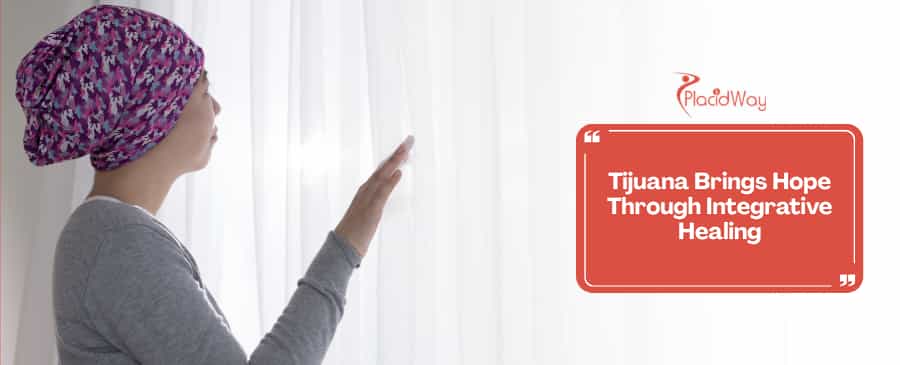
The landscape of global healthcare is rapidly evolving, leading many international patients to seek integrative oncology in Tijuana. This vibrant border city has steadily emerged as a major hub for medical tourists seeking comprehensive, whole-body approaches to wellness. Clinics in this region generally combine conventional medical frameworks with advanced holistic modalities to create customized care plans. These modern facilities typically aim to support the body’s natural healing capabilities while addressing the complex nature of cellular disease.
Patients traveling for holistic cancer treatment in Mexico often discover a highly personalized medical environment tailored to their unique needs. The clinical focus is rarely on a single modality, but rather a synergistic blend of therapies designed to target individual metabolic profiles. Many international visitors report feeling significantly more empowered when actively participating in these comprehensive care programs. By utilizing a multidimensional approach, these centers generally strive to improve overall quality of life alongside traditional therapeutic goals.
- Evaluation of the patient's comprehensive medical and nutritional history.
- Integration of mind-body therapies to support emotional resilience.
- Focus on altering the cellular microenvironment through natural interventions.
- Utilization of cutting-edge diagnostics to monitor systemic inflammation.
Tijuana is geographically uniquely positioned just minutes from the US border, allowing clinics to easily collaborate with international medical researchers and import cutting-edge holistic technology.
The Rise of Alternative Cancer Treatments in Mexico
The global surge in chronic illnesses has prompted a massive shift toward alternative cancer treatments in Mexico. Patients from North America, Europe, and beyond are increasingly looking outside their domestic healthcare systems for more diverse options. This migration is largely driven by a desire for therapies that focus on preserving immune function and minimizing severe side effects. Tijuana, with its established infrastructure, has naturally become the epicenter for this integrative medical revolution.
Medical tourism for cancer care in Tijuana is no longer just a last resort; it is often a proactive choice. Global patients appreciate the extensive time doctors spend during consultations, which typically contrast sharply with the brief appointments common in conventional systems. The regulatory environment in Mexico allows for the safe administration of evidence-informed therapies that are sometimes still pending lengthy approval processes elsewhere. Consequently, patients generally experience a broader spectrum of complementary interventions during their stay.
- Access to advanced intravenous nutritional therapies.
- Availability of non-toxic, targeted biological treatments.
- Enhanced focus on detoxification pathways and organ support.
- Multidisciplinary medical teams collaborating on a single patient case.
According to recent medical tourism industry reports, the demand for integrative and alternative therapies globally is projected to grow at a compound annual rate of nearly 20% through the next decade.
How Metabolic Therapies for Cancer Work in Tijuana
At the core of many protocols in this region are metabolic therapies for cancer, which view cellular disease through the lens of energy production. These therapies typically target the altered metabolism of compromised cells, restricting their primary energy sources. By manipulating the biological environment, clinicians generally aim to create conditions where healthy cells thrive while distressed cells are starved. This approach is often supported by rigorous dietary modifications, such as ketogenic protocols, to lower systemic glucose levels.
Implementing metabolic cancer treatments in Mexico usually involves a combination of targeted supplements, repurposed medications, and advanced clinical nutrition. Patients typically undergo extensive biomarker testing to ensure the metabolic interventions are safely aligned with their physiological state. Most patients experience a gradual adjustment period as their bodies adapt to new dietary and metabolic parameters. While outcomes naturally vary, the primary objective is generally to suppress disease progression by addressing the root metabolic dysfunction.
- Implementation of strictly monitored low-glycemic or ketogenic diets.
- Administration of specialized enzymatic therapies to break down cellular shields.
- Utilization of high-dose vitamin C to create pro-oxidative environments in specific cells.
- Use of hyperbaric oxygen chambers to combat cellular hypoxia.
Strict contraindications apply to certain metabolic therapies; patients with specific organ failures or severe metabolic disorders may not be eligible. Always provide comprehensive, up-to-date medical records to your chosen clinic before traveling.
Affordable Integrative Oncology Cost in Mexico
One of the most compelling reasons international patients seek care here is the affordable integrative oncology cost in Mexico. Comprehensive, multi-week holistic programs in North America can be financially devastating and are rarely covered by standard health insurance. In contrast, Tijuana’s medical sector offers premium care at a fraction of the expense without generally compromising on facility standards. This price disparity allows patients to access a wider array of daily, intensive therapies that would otherwise be cost-prohibitive.
When evaluating the cost of alternative cancer treatments in Tijuana, it is crucial to consider the bundled nature of these programs. Clinics typically provide inclusive packages that cover daily doctor consultations, specialized therapies, and tailored nutritional meals. Most patients experience significant savings, often reducing their total medical expenditure by more than half compared to private US centers. Below is a realistic market range comparison demonstrating these potential financial advantages.
| Procedure / Therapy Name | Average Cost in Tijuana, Mexico | Estimated Cost in USA / Canada |
|---|---|---|
| Intravenous (IV) Nutrient Therapy (Per Session) | $100 - $250 | $300 - $800 |
| Hyperbaric Oxygen Therapy (HBOT) (Per Session) | $150 - $300 | $400 - $1,000 |
| Photodynamic (Light) Therapy (Per Protocol) | $3,000 - $6,000 | $10,000 - $25,000 |
| Comprehensive 3-Week Integrative Program | $15,000 - $35,000 | $50,000 - $100,000+ |
When budgeting for your medical journey, always ask clinics for an itemized estimate to understand exactly which therapies, diagnostic tests, and follow-up consultations are included in the baseline quote.
The Role of Light and Sound Therapies in Cancer Care
A fascinating evolution within integrative oncology clinics in Mexico is the integration of advanced biophysical treatments. Therapies utilizing specific frequencies of light, such as photodynamic therapy, are generally employed to induce targeted cellular reactions. Light-sensitizing agents are typically administered and then activated by precise wavelengths to support localized immune responses. This non-invasive modality generally offers a highly focused approach to managing complex tissue environments.
Similarly, the use of sound frequency therapy is gaining traction within holistic medical tourism in Tijuana. Sonodynamic therapy and specialized acoustic frequencies are typically designed to stimulate cellular resonance and promote deep systemic relaxation. Most patients report feeling deeply calmed during these sessions, which helps mitigate the high stress levels associated with medical travel. Together, these biophysical interventions represent a gentle, non-toxic addition to a comprehensive wellness strategy.
- Activation of light-sensitive compounds to target specific tissues.
- Utilization of infrared spectrums to improve deep tissue circulation.
- Application of low-frequency sound waves to support nervous system regulation.
- Reduction of chronic pain and inflammation through non-chemical biophysics.
Biophysical interventions like photodynamic therapy were initially discovered over a century ago, but have recently seen a massive resurgence due to modern advancements in precise laser and LED technology.
Comparing Conventional vs Integrative Oncology Hubs in Tijuana
Understanding the distinction between traditional and integrative oncology hubs in Tijuana is essential for medical tourists. Conventional centers typically focus predominantly on standard clinical interventions aimed directly at disease eradication. In contrast, integrative hubs generally utilize these traditional tools only as one part of a much larger, patient-centric ecosystem. The holistic model typically prioritizes the host’s overall terrain, ensuring the immune system is fortified rather than depleted during care.
Global patients exploring medical tourism in Mexico often appreciate this dual approach. Integrative centers generally employ multidisciplinary teams consisting of clinical oncologists, nutritionists, naturopaths, and psychologists. This collaborative environment usually means patients receive a more cohesive, well-rounded treatment experience. Most patients experience a profound sense of psychological relief knowing their whole being is being cared for, not just a set of symptoms.
- Conventional care strictly isolates the disease; integrative care treats the whole person.
- Integrative hubs typically focus heavily on post-treatment immune restoration.
- Holistic models usually incorporate daily stress-reduction therapies.
- Both systems generally require rigorous diagnostic monitoring to track progress.
Many conventional oncologists around the world are beginning to refer their patients to integrative centers for complementary therapies that help manage the side effects of traditional medical treatments.
Safety and Protocols at Medical Tourism Clinics in Mexico
A primary concern for any international traveler is the safety of medical tourism clinics in Mexico. It is vital to recognize that top-tier integrative centers in Tijuana generally adhere to stringent international safety standards and operational protocols. These facilities are typically staffed by highly credentialed doctors who often hold memberships in global integrative medicine boards. Stringent sanitation, high-quality medical equipment, and precise clinical documentation are generally the norm at reputable hubs.
When committing to safe integrative oncology in Tijuana, patients undergo exhaustive pre-screening processes. This ensures that the proposed holistic therapies do not contraindicate any existing conditions or current medications. Most clinics typically assign a dedicated medical coordinator to monitor the patient’s daily vital signs and therapy responses. This high level of continual oversight generally ensures rapid adjustments to the protocol if the patient experiences any discomfort.
Patient Case Summary: Sarah M.
Sarah traveled from Canada for metabolic therapy and appreciated the rigorous daily blood tests and constant medical supervision that made her feel entirely secure during her three-week protocol.
Patient Case Summary: David L.
Initially hesitant about safety, David found that his clinic's multidisciplinary team meticulously reviewed his US medical records, ensuring his light therapy sessions perfectly complemented his overall health status.
Preparing for Your Holistic Cancer Treatment in Tijuana
Proper preparation is crucial when planning a trip for holistic cancer treatment in Tijuana. International patients should generally begin by gathering comprehensive medical records, including recent scans, biopsy reports, and detailed medication lists. Translating these documents is usually unnecessary, as top clinics employ fully bilingual medical staff. It is also advisable to stabilize your diet at home prior to arrival, gradually eliminating processed foods and excess sugars.
Mental preparation is equally important before embarking on integrative oncology medical tourism in Mexico. Patients typically undergo a significant shift in routine, dedicating several hours a day to various therapies. Setting realistic expectations is essential; holistic healing is generally a marathon, not a sprint. Most patients experience a smoother transition into clinic life when they arrive with an open, resilient mindset and a supportive travel companion.
- Compile all medical imaging and bloodwork from the past six months.
- Consult with your local physician regarding your intent to travel.
- Pack comfortable, loose-fitting clothing suitable for daily IV sessions.
- Organize your finances and notify your bank of international travel plans.
Create a designated health folder—both physical and digital—containing your essential medical documents. Having immediate access to this information can significantly streamline your intake process at the destination clinic.
What Global Patients Can Expect During Recovery
The recovery phase during and after integrative cancer care in Mexico is generally distinct from traditional medical experiences. Because therapies are designed to be non-toxic, patients typically do not experience severe physical depletion. Instead, the focus is generally on cellular detoxification and gradual rebuilding of systemic vitality. Most patients experience a fluctuation in energy levels during the first week as their bodies adapt to the intensive metabolic and biophysical interventions.
Upon returning home from their medical tourism journey in Tijuana, patients typically enter a remote maintenance phase. Reputable holistic hubs generally provide an extensive home-care protocol, detailing nutritional guidelines and required oral supplements. Follow-up consultations via telehealth are typically scheduled to monitor ongoing progress and make necessary adjustments. Maintaining the lifestyle changes initiated in Mexico is generally the key to supporting long-term holistic wellness.
Patient Case Summary: Elena G.
After completing her four-week integrative program, Elena noted that the clinic's comprehensive post-care nutritional guide was instrumental in helping her maintain her energy levels back home in the UK.
Patient Case Summary: Mark T.
Mark was surprised by how effectively the sound therapy sessions managed his anxiety, reporting that he returned home feeling more emotionally balanced than he had in years.
Personalized Nutrition and Immunity Boosting Protocols
Nutrition forms the bedrock of nearly all integrative oncology programs in Tijuana. Rather than offering a generalized hospital menu, these facilities typically view food as a critical medicinal intervention. Clinical nutritionists generally design highly personalized meal plans aimed at reducing inflammation and alkalinizing the body. This approach usually involves organic, locally sourced, and phytonutrient-dense foods tailored to the patient’s specific metabolic requirements.
Alongside dietary changes, clinics typically implement aggressive immunity boosting protocols in Mexico. Intravenous therapies delivering high doses of vitamin C, essential minerals, and immune-modulating compounds are generally administered daily. The goal is typically to saturate the tissues with vital nutrients that oral supplementation alone cannot achieve. Most patients experience a noticeable improvement in overall vitality as these nutritional deficiencies are systematically addressed.
- Implementation of plant-based, organic dietary frameworks.
- Exclusion of refined sugars, processed oils, and common allergens.
- Administration of tailored orthomolecular IV therapy blends.
- Use of specialized botanical extracts to support the microbiome.
High-dose intravenous Vitamin C behaves fundamentally differently in the body compared to oral Vitamin C. At high IV concentrations, it generally acts as a pro-oxidant rather than an antioxidant, uniquely interacting with specific cellular environments.
Mental Health and Emotional Support in Holistic Cancer Care
Addressing psychological well-being is a non-negotiable component of holistic cancer care in Mexico. Chronic illness often brings severe emotional trauma, anxiety, and depression, which can actively hinder the body's healing processes. Integrative hubs generally employ mind-body practitioners who facilitate therapies such as meditation, breathwork, and individual psychological counseling. These interventions are typically designed to lower cortisol levels and shift the nervous system from a state of stress to one of repair.
For patients engaging in medical tourism for alternative oncology, this emotional support is generally transformative. Being away from home can be daunting, so clinics typically foster a deeply compassionate, community-oriented environment. Most patients experience immense comfort connecting with other global travelers undergoing similar health journeys. This shared camaraderie, combined with professional psychological support, generally plays a crucial role in overall therapeutic success.
- Regular sessions of guided mindfulness and deep-breathing exercises.
- One-on-one psycho-oncology counseling to address illness-related trauma.
- Group support meetings to foster connections among international patients.
- Utilization of biofeedback technology to monitor and manage stress responses.
Clinical studies regularly indicate that patients who actively engage in structured emotional and psychological support programs generally experience improved clinical outcomes and a statistically higher quality of life during complex medical treatments.
Navigating Medical Tourism for Integrative Oncology in Mexico
Successfully planning a trip for integrative oncology medical tourism in Mexico requires careful logistical consideration. The vast array of available options can be overwhelming for a patient already dealing with a health crisis. It is generally imperative to verify that your chosen clinic possesses valid operating licenses from the Mexican Ministry of Health. Additionally, understanding the nuances of cross-border travel, such as medical passes for faster reentry into the US, typically eases the journey.
Leveraging a reputable facilitator is often the safest way to navigate Tijuana’s holistic medical hubs. Expert platforms typically vet facilities for compliance, medical staff credentials, and transparent patient communication. Most patients experience significant stress reduction when their informational and scheduling needs are professionally managed. This allows the individual to focus entirely on their upcoming healing journey rather than logistical burdens.
- Verify clinic accreditation and physician board certifications.
- Ensure clear communication regarding daily treatment schedules.
- Understand the protocols for emergency medical situations.
- Utilize recognized platforms to secure transparent treatment quotes.
Tijuana features a dedicated medical lane at the international border crossing, which generally allows patients carrying official clinic documentation to bypass standard traffic and return to the United States efficiently.
How PlacidWay Assists Your Integrative Oncology Journey in Tijuana
Embarking on a journey for complex medical care in a foreign country requires trusted guidance and accurate information. PlacidWay serves as a premier global facilitator, bridging the gap between international patients and certified integrative medical centers. Our platform generally ensures that you have access to comprehensive details about treatments, costs, and clinic credentials. We typically strive to empower patients with the knowledge needed to make confident healthcare decisions.
When seeking integrative oncology in Mexico, having a dedicated support system is invaluable. PlacidWay connects you directly with transparent, patient-reviewed medical facilities. Most patients experience a highly streamlined process, from the initial inquiry to finalizing their medical appointments. Our goal is generally to facilitate a secure, informative, and empowering medical tourism experience.
- Providing direct access to certified, highly-rated integrative clinics in Tijuana.
- Assisting with the collection of transparent, detailed treatment quotes.
- Facilitating secure, direct communication between patients and international medical teams.
- Offering comprehensive resources to verify clinic and physician credentials.
- Supplying unbiased educational content to help you understand various therapy protocols.
Frequently Asked Questions About Integrative Oncology in Mexico
Navigating the specifics of international health care often brings up a multitude of valid questions. Patients considering holistic cancer treatments in Tijuana must have absolute clarity on the protocols, safety, and logistics involved. Below, we address some of the most common inquiries from our global community.
Reviewing these answers generally helps patients and their families set realistic expectations. For any highly specific medical inquiries, it is always best to consult directly with the clinical team. Most patients experience greater peace of mind when they fully understand the journey ahead.
What exactly is integrative oncology in Tijuana?
Integrative oncology in Tijuana combines conventional medical practices with evidence-informed complementary therapies like metabolic, light, and nutritional support. The goal is typically to enhance the patient's quality of life and support the body's overall wellness during recovery.
Are alternative cancer treatments in Mexico safe?
When pursued at internationally accredited medical tourism clinics, alternative cancer treatments generally follow strict safety protocols. However, patients must always consult their primary oncologist before integrating any new holistic therapies into their regimen.
Do I need a special visa to travel to Mexico for medical care?
Most international patients from the US, Canada, and Europe do not need a special medical visa for stays under 180 days. A valid passport and a standard tourist entry permit are typically sufficient for your treatment duration.
How much does integrative oncology cost in Mexico?
Comprehensive treatment protocols generally range from $15,000 to $35,000 for a multi-week program, depending on the specific therapies utilized. This is typically 50% to 70% less than comparable integrative private facilities in the United States or Canada.
What are metabolic therapies for cancer?
Metabolic therapies aim to alter the cellular environment by focusing on how cells consume energy, often utilizing specific nutritional protocols and targeted supplements. Most patients experience improved energy levels, though results vary based on individual health conditions.
How does light therapy assist in holistic cancer care?
Photodynamic or light therapy typically uses specific wavelengths of light to stimulate cellular repair and target specific tissues. It is generally used as an adjunctive treatment to help manage symptoms and support localized wellness.
Can I continue my regular treatments while in Tijuana?
Yes, many integrative oncology hubs in Tijuana are designed to work harmoniously alongside standard treatments. Medical teams generally collaborate to ensure that complementary therapies do not interfere with your primary medical protocols.
How long do patients usually stay in Tijuana for treatment?
Most comprehensive integrative protocols require a stay of 3 to 6 weeks to properly implement therapies and monitor the body's response. Shorter intensive programs are sometimes available, depending on the patient's specific health requirements.
What kind of follow-up care is provided after leaving Mexico?
Reputable clinics typically offer remote follow-up consultations via telehealth to monitor your progress once you return home. They also provide comprehensive medical records and nutritional guidelines to share with your local healthcare provider.
How do I choose the right medical tourism clinic in Mexico?
Focus on clinics that demonstrate transparent practices, possess international certifications, and employ highly credentialed multidisciplinary teams. Utilizing an established medical tourism facilitator can greatly simplify the process of verifying clinic credentials and safety standards.
Ready to explore holistic healing options? Contact PlacidWay today to connect with top integrative oncology centers in Tijuana and receive your personalized treatment quote.
References
- National Cancer Institute. Complementary and Alternative Medicine. https://www.cancer.gov/about-cancer/treatment/cam
- Memorial Sloan Kettering Cancer Center. Integrative Medicine Therapies. https://www.mskcc.org/cancer-care/integrative-medicine
- National Center for Biotechnology Information (PubMed). Metabolic therapy in cancer management. https://pmc.ncbi.nlm.nih.gov/articles/PMC9793001/
- American Cancer Society. High-Dose Vitamin C. https://frederick.cancer.gov/news/intravenous-high-dose-vitamin-c-cancer-therapy
- World Health Organization (WHO). Traditional, Complementary and Integrative Medicine. https://www.who.int/health-topics/traditional-complementary-and-integrative-medicine





.png)
.png)
.png)
.png)











Share this listing