


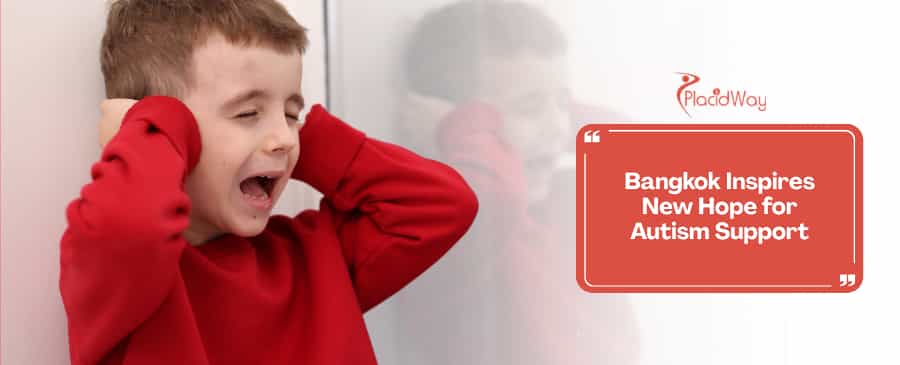
The global landscape of regenerative medicine is experiencing significant shifts, with pediatric stem cell therapy for autism in Bangkok emerging as a focal point for international medical travel. For many years, families have sought multidisciplinary approaches to support children on the autism spectrum, relying heavily on behavioral, speech, and occupational therapies. However, recent advancements in cellular science have introduced supportive biological protocols aimed at addressing the underlying neuroinflammation and immune dysregulation often observed in these patients. Bangkok has strategically positioned itself at the forefront of this movement, integrating advanced laboratory technologies with comprehensive pediatric care models.
Australian families, in particular, are increasingly looking toward Southeast Asia to access these specialized regenerative protocols. Due to stringent regulatory environments back home, commercial access to expanded cell therapies remains highly restricted outside of specific clinical trials. In Thailand, international medical hubs have developed integrated treatment pathways that combine ethically sourced cellular applications with intensive supportive therapies. This holistic approach aims to optimize the microenvironment of the developing brain, potentially fostering better clinical outcomes for pediatric patients.
- Focus on Neuroinflammation: Protocols are designed to target and reduce systemic and neurological inflammation.
- Mesenchymal Stem Cells (MSCs): Utilization of multipotent cells known for their immunomodulatory properties.
- Multidisciplinary Integration: Combining cellular infusions with physical, occupational, and nutritional therapies.
- Global Standards: Adherence to rigorous international cell cultivation and administration guidelines.
Umbilical cord-derived Mesenchymal Stem Cells (UC-MSCs) are highly favored in pediatric protocols because they are immunologically privileged, meaning they typically do not provoke an adverse immune response in the recipient.
Why Australian Families Choose Stem Cell Treatment for Autism in Thailand
The decision to pursue cross-border healthcare is never taken lightly, particularly when it involves pediatric care. Australian families are driven to explore medical tourism for autism in Thailand due to a combination of clinical accessibility, multidisciplinary expertise, and advanced medical infrastructure. In Australia, the prevailing medical consensus strongly supports traditional behavioral interventions, while regenerative therapies remain largely inaccessible to the general public. Consequently, parents seeking to complement conventional therapies with biological interventions often find themselves looking abroad for accredited options.
Bangkok has cultivated a reputation as a leading destination for complex medical tourism, offering healthcare facilities that mirror or exceed Western standards. These institutions are staffed by internationally trained specialists who understand the unique anxieties and requirements of traveling families. Furthermore, the geographical proximity between Australia and Thailand makes the logistics of medical travel more manageable compared to destinations in North America or Eastern Europe. The combination of direct flight routes, world-class clinical environments, and dedicated international patient departments creates a supportive ecosystem for families undertaking this journey.
- Accessibility of Advanced Care: Access to cutting-edge regenerative protocols currently unavailable in Australia.
- Expert Medical Professionals: Consultations with specialists trained in leading global medical institutions.
- Comprehensive Patient Support: Facilities equipped with dedicated international liaisons to bridge cultural and language gaps.
- Geographic Convenience: Relatively short, direct flights from major Australian cities to Bangkok.
According to regional medical tourism reports, Thailand processes over 2 million international patients annually, with a growing percentage specifically seeking advanced pediatric and regenerative treatments.
The Science Behind Autism Stem Cell Protocols in Bangkok
The scientific rationale underpinning pediatric stem cell clinics in Bangkok focuses on the unique biological capabilities of Mesenchymal Stem Cells (MSCs). Autism Spectrum Disorder (ASD) is a complex neurodevelopmental condition, and while its exact etiology remains multifaceted, extensive research indicates that immune system dysregulation, neuroinflammation, and cerebral hypoperfusion (reduced blood flow to the brain) play significant roles. MSCs are not utilized to "rebuild" the brain; rather, they are employed for their paracrine effects. Through the secretion of specific cytokines and growth factors, these cells interact with the patient's existing biological environment.
When administered, MSCs naturally migrate toward areas of inflammation within the body—a process known as homing. Once there, they release anti-inflammatory molecules that help modulate the immune response, potentially calming the overactive inflammatory processes that can hinder neural connectivity. Furthermore, these cells secrete neurotrophic factors, which are proteins that support the survival, development, and function of neurons. This dual action aims to create a more favorable neurological environment, potentially enhancing the efficacy of standard behavioral and educational therapies the child receives.
- Immunomodulation: Balancing the immune system to reduce systemic and localized inflammation.
- Paracrine Signaling: Releasing exosomes and growth factors to stimulate natural tissue repair.
- Angiogenesis: Promoting the formation of new blood vessels to improve cerebral blood flow.
- Neuroprotection: Supporting the health and connectivity of existing neural networks.
Research into MSCs has shown they possess the unique ability to cross the blood-brain barrier under certain conditions, allowing their therapeutic proteins to directly influence the central nervous system.
Comprehensive Cost of Pediatric Stem Cell Therapy for Autism in Bangkok
Financial planning is a critical component for families considering international healthcare. Understanding the autism stem cell treatment cost in Thailand requires looking beyond the basic price of cell infusions. Comprehensive treatment protocols in Bangkok are typically packaged to include pre-treatment medical evaluations, the cellular products themselves, administration fees, and adjunctive therapies such as hyperbaric oxygen therapy or transcranial magnetic stimulation. These multidisciplinary additions are designed to maximize the receptivity of the patient's body to the cellular intervention.
When comparing costs, Australian families generally find that affordable autism therapies in Bangkok present a more viable financial option than comparable alternative treatments in other global medical hubs like the United States or Central America. While this treatment is largely unavailable commercially in Australia, patients seeking similar experimental treatments in Western nations often face costs exceeding $35,000 AUD. In contrast, Thailand offers highly regulated, comprehensive care packages at a significantly lower price point due to lower operational costs, without compromising on laboratory standards or medical expertise.
| Procedure / Service Component | Average Cost in Bangkok (AUD) | Cost Comparison Context (Australia/West) |
|---|---|---|
| Comprehensive Initial Evaluation & Diagnostics | $800 - $1,500 | $2,000+ (Private Specialist Fees) |
| Mesenchymal Stem Cell Infusion (Per Session) | $5,000 - $8,000 | Restricted / $15,000+ globally |
| Adjunctive Therapies (HBOT, Nutrition, etc.) | $1,500 - $3,000 | $4,000 - $6,000+ |
| Total Average Comprehensive Package | $15,000 - $25,000 | $35,000 - $50,000+ (If available) |
Advanced Cellular Technologies Used for Autism Care in Thailand
The efficacy and safety of regenerative therapies depend entirely on the quality of the laboratory processes. The advanced cellular technologies utilized in top-tier Bangkok facilities reflect the latest global standards in biotechnology. Treatment centers heavily invest in ISO-certified cleanrooms and employ strict Good Manufacturing Practice (GMP) protocols. The cells used are primarily derived from Wharton's Jelly—a gelatinous substance found in the umbilical cord—which is recognized for yielding high concentrations of robust, highly viable MSCs.
Prior to any therapeutic application, these cells undergo rigorous expansion and screening processes. Scientists cultivate the cells to reach the specific therapeutic dosages required for pediatric patients, carefully monitoring the cell lines to ensure they maintain their multipotent characteristics without genetic mutation. Furthermore, extensive viability testing is conducted to guarantee that a high percentage of the cells remain active and potent at the exact moment of infusion. This dedication to biotechnological excellence ensures that international patients receive biological products of the highest possible standard.
- GMP-Certified Laboratories: Ensuring aseptic conditions during cell cultivation and processing.
- Rigorous Screening: Comprehensive testing of donor tissues for infectious diseases and genetic abnormalities.
- Cell Viability Assurance: Advanced cryopreservation and thawing techniques to maintain high cell survival rates.
- Exosome Integration: Many protocols now include cell-free exosome therapy to boost cellular communication.
Exosomes are microscopic vesicles released by stem cells that carry genetic information and proteins. They are increasingly being used alongside stem cells to significantly enhance the signaling pathways necessary for neurological repair.
Patient Evaluation Criteria for Stem Cell Therapy in Bangkok
A cornerstone of ethical regenerative medicine is the stringent implementation of patient evaluation criteria. Reputable facilities offering pediatric stem cell therapy for autism in Bangkok do not accept every applicant; they conduct thorough preliminary assessments to ensure the treatment is medically appropriate. This process typically begins before the family even leaves Australia, involving the submission of detailed medical histories, genetic test results, neurological evaluations, and records of past therapies. The goal is to determine if the child is a suitable candidate and to customize the protocol specifically to their biological needs.
Medical teams evaluate various factors, including the child's age, the severity of symptoms, and the presence of any underlying comorbidities. Strict contraindications exist to protect patient safety. For instance, children with active acute infections, severe bleeding disorders, or certain genetic syndromes may be advised against the treatment or required to stabilize their condition first. This rigorous vetting process is essential not only for mitigating risks but also for setting realistic clinical expectations regarding what cellular therapy can and cannot achieve.
- Comprehensive Medical Review: Analyzing pediatric neurology reports and developmental milestones.
- Biochemical Profiling: Assessing metabolic markers, immune status, and inflammatory indicators.
- Age Considerations: Early intervention is often preferred, though protocols adapt to various age groups.
- Multidisciplinary Consultation: Input from pediatricians, immunologists, and regenerative medicine specialists.
Medical Warning: Stem cell therapy for autism remains an investigational treatment. It is not a cure. Results vary significantly, and clinics should never guarantee results. Treatment is generally contraindicated for patients with active viral/bacterial infections, specific autoimmune conditions, or uncontrolled seizure disorders without prior medical stabilization.
Step-by-Step Procedure for Stem Cell Autism Support in Thailand
Understanding the clinical pathway helps alleviate anxiety for families preparing for medical tourism for autism in Thailand. The treatment process is systematically structured over a typical 10 to 14-day period. Upon arrival in Bangkok, the initial phase involves in-person consultations and localized diagnostic testing to confirm baseline health metrics. This ensures the child is physically ready for the procedures and allows the medical team to make any final adjustments to the personalized therapy plan.
The actual administration of the stem cells is designed to be as minimally invasive and stress-free as possible for the pediatric patient. Most protocols utilize an intravenous (IV) drip, introducing the cells directly into the bloodstream over several hours in a comfortable, child-friendly environment. In some specific cases, specialists may recommend an intrathecal injection to deliver cells directly into the cerebrospinal fluid, overcoming the blood-brain barrier more efficiently. This is performed under mild sedation by specialized anesthesiologists to ensure complete comfort and safety.
- Phase 1: Diagnostic Confirmation: Blood tests, vital checks, and specialist consultations upon arrival.
- Phase 2: Pre-Conditioning: Utilization of supportive therapies like nutritional IVs or oxygen therapy to prepare the body.
- Phase 3: Cellular Administration: Safe delivery of MSCs via targeted intravenous or intrathecal methods.
- Phase 4: Observation and Monitoring: Immediate post-treatment monitoring to ensure there are no adverse reactions.
Bring your child's favorite comforting items from home, such as a beloved blanket, tablet, or noise-canceling headphones. Familiar items can significantly reduce sensory overload and anxiety during hospital visits.
Typical Recovery and Follow-Up Care After Stem Cell Treatment in Bangkok
The immediate post-treatment phase in pediatric stem cell clinics in Bangkok is generally characterized by rapid physical recovery. Because the procedures are minimally invasive, most patients experience only mild, transient side effects such as fatigue, slight fever, or localized soreness at the injection site. These symptoms typically resolve within 24 to 48 hours. Families are usually advised to observe a period of rest in their hotel, avoiding strenuous activities while the body begins the initial stages of cellular integration and immunomodulation.
The true journey, however, begins when the family returns to Australia. Regenerative medicine is not a standalone solution; it acts as a catalyst. Post-treatment protocols require families to strictly adhere to ongoing conventional therapies. The neuro-regenerative process occurs gradually, with biological changes unfolding over a period of three to six months. Reputable facilities provide structured, long-term follow-up schedules, utilizing telehealth platforms to conduct regular assessments, track developmental milestones, and offer continued medical guidance to the family.
- Immediate Rest: Minimizing physical and emotional stress in the days following the infusion.
- Integration Period: The body gradually utilizes the cellular signals over several months.
- Resuming Conventional Therapy: Reintegrating speech, occupational, and behavioral therapies is crucial.
- Virtual Check-Ins: Scheduled telehealth appointments at 1, 3, and 6-month intervals.
Before leaving Thailand, ensure you receive a comprehensive, translated medical report detailing the specific cell types, dosages, and exact procedures performed. This documentation is vital for your local healthcare providers in Australia.
Potential Benefits of Stem Cell Therapy for Autism in Thailand
While discussing the outcomes of regenerative medicine in Thailand, it is paramount to utilize cautious, transparent language. The therapeutic effects of stem cell interventions are highly individualized, depending on the child's unique biology and the severity of their condition. However, clinical observations and parental reports frequently highlight several areas of potential improvement. Most patients typically experience gradual changes rather than immediate shifts, with benefits often becoming noticeable during the first few months post-treatment.
The core objective of reducing neuroinflammation can translate into varied developmental enhancements. Many families report improvements in their child's capacity for social interaction, enhanced eye contact, and better regulation of emotional outbursts. Additionally, advancements in expressive and receptive language skills, as well as a decrease in repetitive behaviors and sensory sensitivities, are commonly noted. These biological improvements often create a window of opportunity where traditional educational and behavioral interventions become markedly more effective.
- Cognitive Function: Potential improvements in focus, attention span, and learning capabilities.
- Behavioral Regulation: A frequently reported decrease in hyperactivity and aggressive tendencies.
- Communication Skills: Enhancements in both verbal articulation and non-verbal social cues.
- Physical Health: Better gastrointestinal function and improved sleep patterns are often observed.
In various international observational studies regarding MSC therapy for autism, a significant percentage of parent-reported outcomes reflect positive shifts in the Childhood Autism Rating Scale (CARS) within 6 months post-intervention.
Safety Standards and Regulatory Compliance for Stem Cells in Bangkok
Patient safety is the absolute priority when engaging in international healthcare. The leading facilities offering pediatric stem cell therapy for autism in Bangkok operate under strict regulatory frameworks mandated by the Thai Ministry of Public Health. Furthermore, to attract and reassure international patients, many top-tier clinics and hospitals voluntarily subject themselves to rigorous international accreditation bodies. This dual layer of oversight ensures that the clinical practices align with accepted global standards for patient safety and ethical medical care.
The safety of the cellular products themselves is maintained through rigorous donor screening and laboratory processing. Umbilical cord tissue is sourced exclusively from healthy, pre-screened donors following full-term, uncomplicated pregnancies. The cultivation process occurs in tightly controlled, sterile environments designed to prevent any risk of contamination. Before any cell batch is approved for therapeutic use, it is subjected to extensive karyotyping and endotoxin testing to guarantee its genetic stability and absolute purity.
- Government Oversight: Compliance with national healthcare regulations regarding advanced medical treatments.
- International Accreditations: Facilities often hold certifications demonstrating global quality standards.
- Ethical Sourcing: Transparent, ethical collection of donor tissues with full informed consent.
- Infection Control: State-of-the-art sterilization and aseptic administration techniques.
Stem cell treatments utilizing expanded MSCs have demonstrated a robust safety profile in numerous clinical applications, primarily because these cells are non-tumorigenic and lack the specific surface markers that typically trigger immune rejection.
Patient Experiences with Stem Cell Therapy for Autism in Thailand
Hearing from other families who have navigated the path of international medical travel can provide invaluable perspective. Medical tourism for autism in Thailand has facilitated journeys for countless Australian families seeking to broaden their child's therapeutic horizons. While clinical data provides the foundation, patient experiences illustrate the human impact of these protocols. It is important to remember that these summaries reflect individual experiences, and outcomes naturally vary from patient to patient.
The following case summaries highlight the diverse ways in which comprehensive regenerative care in Bangkok has supported pediatric patients from Australia. From improvements in daily living skills to enhanced communication, these stories underscore the potential of integrating cellular interventions with ongoing holistic therapy.
Liam's Journey to Improved Focus
A 6-year-old from Sydney underwent a comprehensive MSC protocol in Bangkok. His parents reported that within four months post-treatment, Liam exhibited significantly enhanced attention during his local occupational therapy sessions, allowing him to engage more deeply with complex tasks.
Sophie's Step Forward in Communication
An 8-year-old from Melbourne, previously largely non-verbal, received targeted stem cell support and integrated speech therapy in Thailand. Her family observed a gradual increase in spontaneous vocalizations and a stronger attempt to form words over the following six months.
Oliver's Behavioral Regulation
Experiencing frequent sensory overloads, a 5-year-old from Brisbane traveled to Bangkok for regenerative care. Post-treatment, his parents noted a marked decrease in the frequency and intensity of his meltdowns, attributing this to a calmer overall sensory response system.
Mia's Enhancements in Daily Living
A 7-year-old from Perth participated in a specialized pediatric protocol. Her caregivers highlighted noticeable improvements in her sleep architecture and digestive health, which in turn fostered a more cooperative attitude toward her daily learning routines back in Australia.
Preparing Your Child for Stem Cell Medical Tourism in Bangkok
Thorough preparation is the key to a successful experience when pursuing affordable autism therapies in Bangkok. Traveling with a child on the autism spectrum requires meticulous planning to minimize disruptions to their routine and mitigate potential travel-related stress. Families must manage logistical aspects such as securing appropriate travel insurance, understanding visa requirements, and organizing comprehensive medical documentation well in advance of departure.
Equally important is the emotional and psychological preparation of the child. Parents are encouraged to use visual schedules, social stories, and familiar coping mechanisms to explain the upcoming journey. By creating a predictable framework around the travel and medical appointments, parents can significantly reduce anxiety. Many specialized facilities in Bangkok actively assist in this phase by providing preparatory materials and ensuring their clinical environments are as sensory-friendly as possible.
- Medical Documentation: Compiling organized files of all diagnoses, genetic tests, and therapy reports.
- Travel Arrangements: Requesting special assistance or sensory-friendly seating from airlines.
- Social Stories: Using visual aids to walk the child through the airport, hotel, and clinic experiences.
- Pre-Travel Consultations: Discussing the travel plans with the child's local Australian pediatrician.
Many international airports, including major hubs in Australia and Suvarnabhumi Airport in Bangkok, offer "Hidden Disabilities Sunflower" lanyards, signaling to staff that a passenger may require additional support, time, or a quiet space.
How PlacidWay Assists Your Stem Cell Therapy Medical Tourism Journey in Bangkok
Navigating the complex ecosystem of international healthcare can be daunting. Engaging a dedicated medical tourism facilitator streamlines this process, ensuring you are connected with reputable, accredited institutions. Our platform focuses entirely on empowering patients with transparent information and secure connections to global healthcare providers, specifically for advanced procedures like pediatric stem cell therapy for autism in Bangkok.
Through our comprehensive network, Australian families receive structured, professional assistance tailored to the unique demands of pursuing regenerative medicine abroad. We prioritize your child's safety and your peace of mind by facilitating seamless communication and thorough pre-travel medical evaluations.
- Providing access to a curated network of highly accredited regenerative medicine facilities in Bangkok.
- Facilitating the secure transfer of comprehensive pediatric medical records and genetic testing results.
- Coordinating direct, transparent communication between your family and specialized international medical teams.
- Assisting in scheduling preliminary virtual consultations to verify patient candidacy and discuss personalized protocols.
- Supplying detailed, comparative information regarding facility safety standards, laboratory certifications, and medical team credentials.
Frequently Asked Questions About Autism Stem Cell Therapy in Thailand
Making informed healthcare decisions requires addressing all underlying concerns. Families exploring medical tourism for autism in Thailand frequently have questions regarding the safety, logistics, and expectations of regenerative procedures. A clear understanding of the clinical realities helps build a solid foundation for the medical journey ahead.
Below are some of the most common inquiries regarding the pediatric protocols offered in Bangkok, providing concise insights into the practicalities of cross-border cellular therapy.
Is stem cell therapy a guaranteed cure for autism?
No, stem cell therapy is not a cure for autism and results are never guaranteed. It is an investigational supportive treatment aimed at potentially reducing inflammation and improving cellular communication, with outcomes varying significantly among patients.
Why do Australian families travel to Bangkok for this procedure?
Australian families often choose Bangkok due to the availability of advanced regenerative medicine protocols that are currently restricted or limited to clinical trials in Australia, alongside comprehensive multidisciplinary support.
What type of stem cells are typically used for pediatric patients?
Medical facilities in Thailand generally utilize ethically sourced, lab-expanded Mesenchymal Stem Cells (MSCs) derived from umbilical cord tissue, known for their immunomodulatory properties.
How much does autism stem cell treatment cost in Thailand?
The comprehensive cost of pediatric stem cell therapy for autism in Bangkok typically ranges between $15,000 and $25,000 AUD, depending on the number of infusions and adjunctive therapies required.
Are there strict contraindications for this treatment?
Yes, standard contraindications include active viral or bacterial infections, severe genetic anomalies, uncontrolled seizure disorders, and certain underlying autoimmune conditions that require stabilization first.
How long is the typical stay required in Bangkok?
Most international patients are advised to plan for a stay of 10 to 14 days. This allows adequate time for pre-treatment evaluations, the cellular infusions, and initial post-treatment monitoring.
Does the treatment involve invasive surgery?
No, the procedure is generally minimally invasive. The stem cells are most commonly administered via intravenous (IV) drips or standard intrathecal injections under mild sedation, avoiding major surgical intervention.
How does PlacidWay assist international patients?
PlacidWay facilitates the medical tourism journey by connecting patients with accredited global facilities, coordinating medical record transfers, assisting with specialist consultations, and providing transparent healthcare guidance.
What kind of follow-up care is required back in Australia?
Continuous multidisciplinary support is vital. Patients generally resume their standard occupational therapy, speech therapy, and behavioral interventions in Australia, while completing scheduled virtual check-ups with their Bangkok specialists.
Are the facilities in Bangkok internationally accredited?
Many top-tier regenerative medicine centers in Bangkok hold international accreditations, adhering to strict global safety standards for cell cultivation, sterilization, and patient monitoring.
Take the first step toward advanced supportive care for your child. Connect with globally accredited facilities for pediatric stem cell therapy in Bangkok through PlacidWay.
References
- National Institutes of Health (NIH) - ClinicalTrials.gov. Stem Cell Therapies for Autism Spectrum Disorder. https://clinicaltrials.gov/search?cond=Autism&term=Stem%20Cell
- National Center for Biotechnology Information (NCBI). Therapeutic Potential of Mesenchymal Stem Cells in Autism Spectrum Disorder. https://pubmed.ncbi.nlm.nih.gov/26230216/
- World Health Organization (WHO). Autism Spectrum Disorders Fact Sheet. https://www.who.int/news-room/fact-sheets/detail/autism-spectrum-disorders
.png)



.png)
.png)
.png)
.png)

.png)









Share this listing