
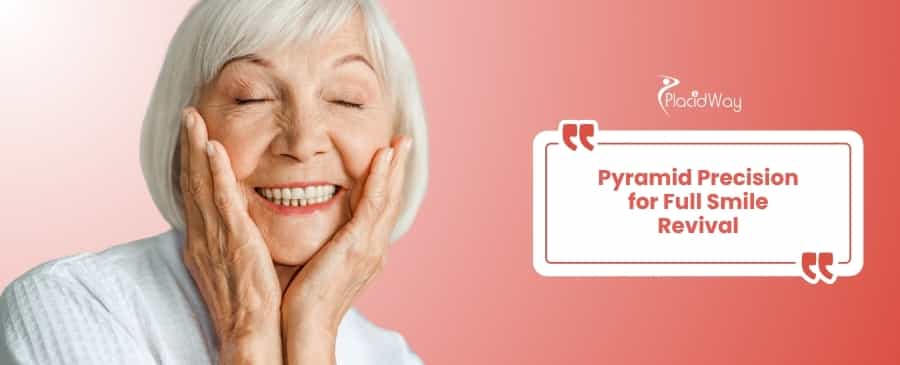
In recent years, the global healthcare landscape has witnessed a dramatic shift, with international patients seeking out destinations that offer both clinical excellence and profound cultural experiences. Looking ahead to 2026, medical tourism in Egypt is experiencing a remarkable surge, particularly in the realm of advanced restorative dentistry. Giza, a city historically synonymous with ancient architectural marvels, is now building a new legacy built on cutting-edge dental precision.
International travelers are increasingly turning their attention to All-on-X full mouth reconstruction in Giza Egypt as a premier solution for extensive tooth loss. This influx of dental tourists is driven by a unique convergence of highly specialized surgical expertise, state-of-the-art clinical technology, and an incredibly favorable economic exchange rate. Patients are discovering that they can access world-class oral rehabilitation without the prohibitive financial burdens often found in North America and Western Europe.
Giza's healthcare sector is rapidly integrating digital dentistry workflows. Many top-tier clinics now utilize the same imported European and American dental implant brands found in the highest-priced dental boutiques worldwide.
Understanding the All-on-X Dental Implant Procedure
The "All-on-X" concept represents a revolutionary approach to full arch dental implants abroad. Rather than replacing each missing tooth with an individual implant—which requires extensive bone volume and prolonged surgical times—this technique utilizes a strategic number of implants (typically four, six, or eight) to support a complete, fixed prosthetic bridge. This biomechanical design maximizes the use of available jawbone, often bypassing the need for complex bone grafting surgeries.
During the procedure, the posterior implants are generally tilted at specialized angles. This angling not only avoids critical anatomical structures like the sinus cavities and nerve canals but also provides a robust, immediate anchor for the new teeth. Most patients experience a transformation where they enter the clinic with failing teeth and leave with a functional, fixed set of temporary teeth on the very same day.
- Biomechanical Stability: Tilted implants offer enhanced support for the prosthetic arch.
- Immediate Load: Temporary acrylic teeth are typically attached immediately after surgery.
- Bone Preservation: Implants naturally stimulate the jawbone, helping prevent facial collapse over time.
- Custom Aesthetics: The final prosthetic is meticulously designed to match natural facial proportions.
Why Medical Tourism in Egypt is Booming for Dental Care?
The magnetism of Giza dental tourism stems from a strategic national initiative to elevate healthcare standards to an international level. Over the past decade, Egyptian medical professionals have aggressively pursued continuous education, often training, interning, or acquiring board certifications in the United States, the United Kingdom, or Germany. This cross-pollination of knowledge ensures that clinical protocols align with strict global standards.
Furthermore, the logistical infrastructure supporting health travelers has matured significantly. Modern clinics in Giza are designed with the international patient in mind, featuring multilingual care coordinators, VIP concierge services, and transparent treatment planning. The combination of clinical sophistication and profound hospitality makes the pursuit of dental implant clinics in Egypt an attractive proposition for those requiring complex rehabilitation.
According to regional market projections, inbound medical tourism to Egypt is expected to grow by over 15% annually heading into 2026, with major restorative dentistry being one of the top three primary drivers of this growth.
Cost of All-on-X Full Mouth Reconstruction in Egypt vs Global Prices
The primary catalyst for patients crossing oceans for dental care is the dramatic reduction in out-of-pocket expenses. Securing affordable All-on-X full mouth reconstruction in Egypt does not mean compromising on the quality of materials; rather, the savings are a byproduct of the lower local cost of living, reduced overhead for clinical facilities, and favorable currency exchange rates.
Understanding the cost of All-on-X implants in Giza requires looking at the comprehensive treatment plan. Below is a detailed comparative breakdown illustrating the realistic market ranges for various components of full arch restorations, contrasting Egyptian prices with typical costs found in the United States and the United Kingdom.
| Procedure / Sub-Treatment | Average Cost Range in Egypt (USD) | Average Cost Range in US/UK (USD) |
|---|---|---|
| All-on-4 (Single Arch, Temporary Acrylic) | $3,000 - $4,800 | $15,000 - $24,000 |
| All-on-6 (Single Arch, Final Zirconia) | $4,500 - $7,000 | $22,000 - $35,000 |
| 3D CBCT Panoramic Scan | $50 - $120 | $300 - $700 |
| Complex Tooth Extraction (Per Tooth) | $40 - $90 | $150 - $400 |
| IV Sedation / Anesthesiologist Fee | $200 - $450 | $800 - $1,500 |
High-Tech Dental Innovations Found in Giza Clinics
Stepping into a modern clinic catering to the 2026 medical tourist is akin to entering a technological sanctuary. The integration of CAD/CAM (Computer-Aided Design and Computer-Aided Manufacturing) technology allows for unprecedented precision in crafting dental prosthetics. Full mouth dental restoration cost evaluations must consider the immense value these technologies bring to patient safety and outcome predictability.
Digital workflows minimize human error. From intraoral scanners that eliminate the need for uncomfortable traditional putty impressions to guided implant surgery driven by 3D mapping, the margin for surgical deviation is significantly reduced. This tech-forward approach ensures that the "Pyramid Precision" experienced by patients is factual and measurable.
Surgical guides 3D-printed directly in the clinic's in-house laboratory allow implantologists to place titanium posts with sub-millimeter accuracy, which generally reduces soft tissue trauma and accelerates the patient's healing timeline.
Ideal Candidates for Full Arch Dental Implants
While the All-on-X procedure is highly versatile, it is not universally applicable to every individual suffering from tooth loss. Ideal candidates are typically those who have lost the majority of their teeth in an arch, suffer from severe periodontal disease, or have failing traditional dental bridges and dentures. A thorough virtual consultation is often the first step to determining preliminary eligibility.
A candidate's systemic health plays a crucial role. Patients must generally have sufficient bone density—though the All-on-X method is forgiving—and their immune system must be capable of supporting the critical phase of osseointegration, where the titanium fuses with the human bone.
Strict contraindications apply. Individuals with uncontrolled diabetes, actively undergoing certain types of radiation therapy to the head/neck, or those currently taking intravenous bisphosphonates are typically advised against undergoing immediate-load dental implant surgery.
The Step-by-Step Patient Journey for Dental Implants in Egypt
The journey toward a revitalized smile requires meticulous planning, especially when traveling internationally. The process generally begins weeks before you board a flight, involving the remote sharing of dental records, localized X-rays, and comprehensive video consultations with your chosen specialist to align expectations regarding affordable dental implants in Egypt.
Upon arriving in Giza, the clinical phase unfolds in distinct stages. Day one typically involves a deep-dive physical assessment and 3D scanning. Surgery is often scheduled for the following day, where any remaining failing teeth are extracted and the implants are precisely placed. Within 24 to 48 hours, the immediate temporary bridge is affixed, allowing the patient to leave with a complete smile while the bone begins its healing process.
Always allocate at least 2 to 3 buffer days in your travel itinerary. This provides the clinical team with necessary flexibility for post-operative adjustments to your temporary bite alignment before you fly home.
Recovery Expectations After All-on-X Implants
Post-surgical recovery is highly individualized, but clear clinical patterns exist. Most patients experience moderate swelling and mild bruising around the lower face and jawline, peaking around the third day post-operation. Medical tourism in Egypt facilities generally provide comprehensive medication packs, including antibiotics, anti-inflammatories, and specialized medical mouthwashes to manage this phase effectively.
During the critical healing months that follow, adherence to a soft-diet protocol is absolutely essential. The temporary acrylic teeth are beautiful but they are not designed to shear or crush hard foods. Allowing the implants to rest undisturbed ensures that they integrate tightly with the jawbone, laying the foundation for the permanent zirconia teeth that will be placed upon your return trip.
Patient Case Summary: Michael from the UK
"I traveled to Giza anticipating a tough recovery, but the initial discomfort was surprisingly manageable. The swelling subsided by day four. The temporary teeth felt incredibly natural, though I strictly adhered to the mashed potato and smoothie diet as instructed."
Patient Case Summary: Sarah from the USA
"My biggest fear was the plane ride home. Thankfully, my care team in Egypt prepared me perfectly. They provided clear guidelines on managing cabin pressure and hydration, making the transit back home generally uneventful."
Potential Risks and Contraindications of Full Mouth Restoration
While modern implantology is highly advanced, it remains an invasive surgical procedure. Transparency regarding potential complications is a hallmark of trustworthy healthcare providers. Dental implant surgery typically carries a high success rate, yet biological factors mean that absolute perfection can never be guaranteed.
Patients must be fully aware of the clinical risks involved. A robust preoperative screening is designed to mitigate these, but understanding the potential hurdles ensures that international patients make informed, pragmatic decisions regarding their oral health.
- Peri-implantitis: An infection of the tissue surrounding the implant, which can lead to bone loss if untreated.
- Implant Non-Integration: Rarely, the titanium post fails to fuse with the jawbone, necessitating removal and a secondary grafting procedure.
- Nerve Disturbance: Minor, typically temporary tingling or numbness in the lower lip or chin due to proximity to the mandibular nerve.
- Prosthetic Fractures: Excessive biting force on temporary acrylic teeth can cause chipping or fractures before the permanent arch is placed.
Combining Dental Care with Cultural Tourism in Giza
One of the most profound benefits of Giza dental tourism is the backdrop against which your healing takes place. Giza is home to the Great Pyramids and the Sphinx, offering a therapeutic environment immersed in ancient wonder. However, blending surgery with sightseeing requires strategic and cautious planning.
It is generally recommended to tackle extensive, physically demanding excursions—like navigating the uneven terrain of the Giza Plateau or exploring the Grand Egyptian Museum—prior to your surgical date. Post-surgery, your body requires energy to heal. Gentle activities, such as enjoying a Nile dinner cruise or relaxing at a high-end hotel overlooking the pyramids, are far more suitable during the initial recovery window.
Sun exposure can exacerbate post-operative swelling. If you choose to sightsee after your procedure in Egypt, clinicians typically advise wearing a wide-brimmed hat and staying strictly hydrated to assist your body's inflammatory response.
Choosing Top Dental Implant Clinics in Egypt
The success of your All-on-X full mouth reconstruction in Giza Egypt hinges entirely on the caliber of the clinical team you select. Navigating foreign healthcare systems can feel daunting, making rigorous due diligence imperative. The focus should always remain on clinical credentials rather than solely on promotional aesthetics.
When evaluating options, prioritize facilities that demonstrate transparent international accreditations. Look for surgical teams led by specialists in maxillofacial surgery or advanced prosthodontics. Additionally, verify that the clinic utilizes verifiable, globally recognized implant brands, ensuring that any future maintenance can be handled seamlessly by a dentist in your home country.
Always request a "Dental Implant Passport" or a formal document detailing the exact brand, size, and lot number of the titanium implants placed in your jaw. This is critical for long-term global maintenance.
Long-Term Maintenance of Your All-on-X Dental Prosthetics
Achieving a complete dental transformation is only the beginning of the journey. To protect your investment in full arch dental implants abroad, establishing a rigorous long-term oral hygiene protocol is non-negotiable. While titanium and zirconia cannot decay like natural teeth, the gums and bone holding them in place remain susceptible to bacterial disease.
Patients are typically instructed to utilize a water flosser (like a Waterpik) twice daily to flush out microscopic debris trapped beneath the prosthetic arch. Furthermore, committing to bi-annual professional cleanings with a local dental hygienist ensures that any tartar buildup is safely removed without scratching the specialized materials of your new smile.
Patient Case Summary: David from Australia
"Transitioning to the permanent zirconia bridge six months later was incredible. I’ve incorporated a strict water flossing routine, and my local dentist at home has been easily able to manage my routine cleanings without any issues."
Patient Case Summary: Elena from Canada
"The aftercare education I received in Giza was top-notch. They equipped me with special soft-bristle brushes and taught me exactly how to clean under the bridge. Two years later, the implants are generally stable and look fantastic."
How PlacidWay Assists Your All-on-X Medical Tourism Journey in Egypt?
Embarking on a cross-continental journey for major dental surgery requires a trusted navigator. PlacidWay serves as a crucial bridge between international patients and top-tier healthcare providers, ensuring your path to clinical excellence is streamlined, informed, and highly professional.
When planning your comprehensive dental reconstruction, leveraging specialized assistance can significantly reduce the complexity of international health logistics:
- Extensive Provider Network: Access a curated selection of highly vetted, internationally accredited dental facilities and specialists.
- Transparent Treatment Profiles: Review comprehensive clinic profiles, doctor credentials, and technological capabilities before making a decision.
- Direct Communication Facilitation: Seamlessly coordinate initial consultations and securely transfer dental records and X-rays to specialist teams.
- Customized Care Planning: Receive personalized, value-based quotes tailored specifically to your unique clinical needs and restorative goals.
- Educational Empowerment: Utilize vast resources to thoroughly understand the procedures, risks, and recovery protocols associated with advanced dental treatments.
Frequently Asked Questions
Many international travelers can obtain a visa on arrival or an e-Visa before traveling to Egypt. It is generally recommended to check with your local Egyptian consulate for the most up-to-date requirements based on your citizenship.
Most patients stay for about 7 to 10 days during the initial surgical phase. A secondary trip of similar length is typically required 4 to 6 months later to place the final permanent restorations.
Yes, when choosing accredited dental implant clinics in Egypt that follow strict international sterilization and hygiene protocols. Many specialists in the region hold international certifications.
The procedure is typically performed under local anesthesia or IV sedation, meaning patients generally do not feel pain during surgery. Post-operative discomfort is common but can usually be managed with prescribed medications.
The temporary arch is usually made of durable acrylic. For the final arch, high-quality materials like monolithic zirconia or porcelain-fused-to-metal are typically used for superior strength and aesthetics.
It is generally advised to rest for the first 48 to 72 hours after implant surgery to minimize swelling and bleeding. Sightseeing should typically be scheduled before the procedure or during the later days of your recovery.
Most patients must adhere to a strict soft-food diet during the initial osseointegration phase, which lasts several months. Normal chewing functionality typically resumes once the permanent zirconia arch is securely placed.
Reputable clinics strive for transparency in their treatment plans. However, patients should always ask for a comprehensive breakdown, including scans, extractions, and temporary prosthetics, to understand the total cost of All-on-X implants in Giza.
Top-tier clinics often provide detailed post-operative care instructions and remote follow-up consultations. It is highly advisable to establish a relationship with a local dentist in your home country who can assist with routine maintenance or unexpected issues.
Yes, smoking significantly restricts blood flow to the gums, which can impede healing and increase the risk of implant failure. Dentists generally require patients to quit smoking several weeks before and after the procedure.
Ready to explore your options for full mouth reconstruction in Giza?
Connect with top-tier, vetted specialists through PlacidWay and take the first step toward a revitalized smile.
References
- Mayo Clinic. Dental implant surgery. https://www.mayoclinic.org/tests-procedures/dental-implant-surgery/about/pac-20384622
- Cleveland Clinic. Dental Implants. https://my.clevelandclinic.org/health/treatments/10903-dental-implants
- WebMD. What to Know About Dental Implants. https://www.webmd.com/oral-health/guide/dental-implants
- FDI World Dental Federation. Oral Health and General Health. https://www.fdiworlddental.com/sites/default/files/2025-06/FDI%20Raising%20awareness%20of%20oral%20health%20and%20global%20oral%20health%20Fact%20Sheet.pdf

.png)
.png)
.png)
.png)
.png)
.jpg)



.png)









Share this listing