


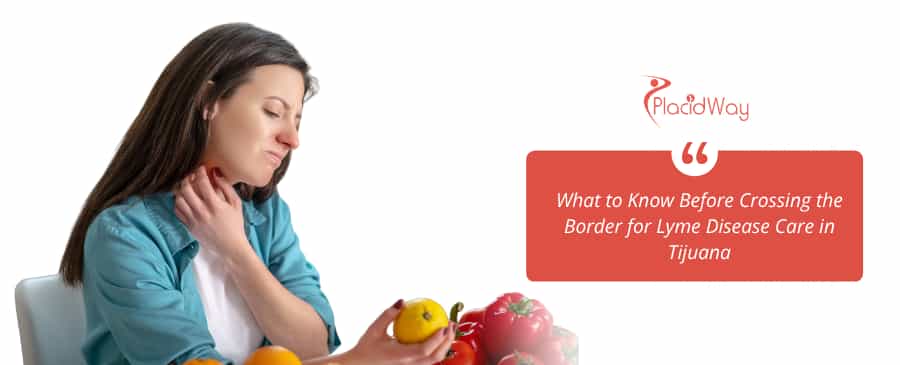
Living with a chronic tick-borne illness in the United States often involves a frustrating cycle of brief doctor visits, strict insurance denials, and highly limited treatment options. For residents of California, Arizona, and Texas, the reality of navigating the rigid US medical system leaves many patients feeling unheard and chronically ill. Because standard protocols frequently fail to address the long-term complexities of this condition, thousands of patients look just across the border for comprehensive Lyme disease care in Tijuana.
Tijuana has quietly established itself as a premier hub for integrative medicine, specifically catering to North Americans who have exhausted their local options. The proximity of these clinics means that US patients do not have to endure grueling, long-haul flights while battling severe fatigue and joint pain. By taking a short drive down the I-5 or a quick regional flight to San Diego, patients gain access to aggressive, holistic therapies designed to treat the root cause of the infection rather than just masking the symptoms.
More than 1.5 million Americans cross the border into Baja California annually specifically for medical care, with chronic disease management driving a massive portion of this cross-border traffic.
Why Southwest US Residents Choose Clinics in Mexico
The primary reason US patients cross the border is the ability to access therapies that are heavily restricted or entirely unavailable in their home states. In the US, medical boards generally enforce strict guidelines regarding long-term antibiotic use, often cutting off treatment even if the patient is still highly symptomatic. Seeking an affordable Lyme disease treatment in Mexico removes these bureaucratic barriers, allowing doctors to treat the clinical presentation of the patient rather than adhering to rigid insurance codes.
Accessibility is the second major factor driving this regional medical migration. For someone living in Los Angeles or Phoenix, Tijuana is incredibly accessible, making a multi-week outpatient protocol logistically feasible. Many US patients choose to drive their personal vehicles across the border or utilize dedicated medical shuttles operating directly from Southern California. This regional proximity reduces the profound stress associated with seeking complex medical care away from home.
Tick-borne illnesses have been steadily rising in Western states like California and Nevada over the last decade, driving a proportional increase in patients seeking specialized cross-border care.
Integrative Therapies Available Just Across the Border
Mexican clinics typically operate on an integrative medical model, meaning they freely combine standard allopathic medicine with advanced complementary therapies. When standard oral antibiotics fail to clear a chronic infection, patients require a much more aggressive and comprehensive approach. The chronic Lyme disease therapies offered in Tijuana generally focus heavily on reducing total body inflammation while simultaneously attacking the stubborn bacterial loads.
These specialized facilities offer protocols that US patients often spend years trying to access. Treatments typically include high-dose intravenous (IV) vitamin C, oxidative medicine such as ozone therapy, and advanced detoxification regimens. Furthermore, whole-body hyperthermia—a procedure intended to raise the core body temperature to create an inhospitable environment for the bacteria—is frequently utilized. Most patients experience these therapies as part of a heavily structured daily schedule.
Clinical observations suggest that up to 70% of patients seeking treatment for chronic tick-borne illnesses present with multiple co-infections, such as Babesia or Bartonella, which require specialized, multi-tiered therapy plans.
Lyme Disease Treatment Cost in Tijuana vs US Out-of-Pocket
Because chronic Lyme disease is rarely recognized or fully covered by US insurance providers, patients in the states are almost always forced to pay out-of-pocket for specialist visits and alternative therapies. These out-of-network costs can financially devastate families very quickly. In stark contrast, the Lyme disease cost in Mexico presents a much more predictable and manageable financial structure for patients paying cash. The lower cost of clinical operations south of the border translates directly into massive savings for the patient.
Clinics in Tijuana typically bundle their services into comprehensive weekly or monthly packages. This means that daily IV drips, doctor consultations, and specialized therapies are grouped together rather than billed individually at exorbitant markups. It is crucial for US patients to review exactly what is included in these bundles before making a commitment. Below is a breakdown comparing the typical out-of-pocket cash prices in the US versus the bundled costs in Tijuana.
| Procedure / Therapy Name | Average Cash Cost in Tijuana (USD) | Average Out-of-Pocket Cost in US (USD) |
|---|---|---|
| Initial Consult & Advanced Blood Panels | $300 - $800 | $1,500 - $4,000 |
| Intensive IV Therapy (Ozone/Vitamins per week) | $1,000 - $2,500 | $3,500 - $8,000 |
| Whole Body Hyperthermia (Per Session) | $1,000 - $1,800 | $3,000 - $6,000+ |
| Comprehensive 3-Week Protocol (Bundled) | $12,000 - $25,000 | $35,000 - $70,000+ |
When evaluating costs, factor in the price of local accommodation in Tijuana or South San Diego, as most comprehensive protocols are handled on an outpatient basis over several weeks.
Overcoming US Diagnostic Limitations in Mexico
A massive point of frustration for US patients is the standard two-tier testing system (ELISA and Western Blot) mandated by stateside medical organizations. These tests frequently return false negatives, leaving patients desperately ill but without a confirmed diagnosis. Facilities focused on Lyme disease care in Tijuana typically disregard these limited parameters, understanding that chronic infections require a much deeper investigatory approach.
Upon arrival, US patients generally undergo comprehensive diagnostic screenings that look far beyond standard serology. Mexican clinics routinely test for a broad spectrum of vector-borne co-infections, assess heavy metal burdens, and analyze cellular immune function. By identifying the exact pathogens and the concurrent systemic breakdowns, the medical team can design a highly targeted therapeutic strategy. For many border-state patients, this is the first time their physical symptoms are truly validated by clinical data.
Many top-tier facilities in Tijuana actually draw your blood on-site but send the samples to highly specialized, independent laboratories in the US or Germany to ensure the most sensitive detection methods are utilized.
Standard Medical Care and Intensive Antibiotic Protocols
While the holistic environment is a major draw, conventional pharmaceutical interventions are still a foundational part of the medical protocols offered in Tijuana. Unlike many general practitioners in the US who are hesitant to prescribe long-term antimicrobials, Mexican physicians understand that chronic cases often require sustained, aggressive medical management. Rigorous antibiotic protocols are typically integrated seamlessly into the daily treatment schedule.
Doctors across the border frequently utilize intravenous antibiotics, which are notoriously difficult to get approved by US insurance companies outside of a hospital setting. The IV route generally ensures that the medication bypasses the digestive system and achieves maximum concentration directly in the bloodstream. Medical staff monitor patients closely during these intense daily administrations, adjusting dosages to ensure safety and improve patient tolerance.
Intensive bacterial die-off can trigger a severe "Herxheimer reaction," causing a temporary spike in joint pain and fatigue. US patients should discuss Herx-management protocols with their Tijuana physician before starting IV antibiotics.
Complementary Therapies for Gut Health and Cellular Repair
Attacking the bacteria is vital, but prolonged antibiotic use inevitably wreaks havoc on a patient's internal microbiome. US patients often find that their domestic doctors neglect this aspect of recovery, leading to secondary health issues. Holistic Lyme disease treatments in Mexico place a massive emphasis on repairing the gut and restoring the body's natural terrain to support long-term recovery.
Throughout their stay, patients typically undergo targeted therapies designed to rebuild cellular energy and reduce systemic inflammation. This often includes personalized nutritional counseling, organic IV nutrient drips, and advanced lymphatic drainage techniques. By actively protecting the digestive tract and supporting liver detoxification pathways during aggressive treatments, most patients experience an improved ability to tolerate their medications without severe side effects.
- Ozone Autohemotherapy: Used generally to increase oxygenation in the blood and support immune modulation.
- Glutathione Pushes: Administered to heavily support liver detoxification during bacterial die-off.
- Microbiome Restoration: High-dose clinical probiotics and dietary adjustments to protect intestinal flora.
Ask your clinic if they provide a specific anti-inflammatory meal plan during your daily visits, as dietary changes are a crucial pillar of holistic recovery.
Safety Standards and Physician Credentials in Tijuana Healthcare
A completely understandable concern for Americans crossing the border is the safety and regulatory standards of the medical facilities. Patients investigating medical tourism in Mexico are often surprised to find that clinics catering to US citizens maintain exceptionally high clinical standards. The environments in these private institutions are generally modern, impeccably sterile, and equipped with the latest medical technology.
The medical professionals directing these programs are fully licensed, and many have spent years training or practicing in the United States before returning to Mexico. They frequently hold board certifications in internal medicine, infectious disease, or integrative therapies. Furthermore, these doctors usually maintain active memberships with international medical organizations, ensuring they remain updated on the latest global research regarding tick-borne illnesses.
Several leading medical directors at Tijuana integrative clinics hold active medical licenses in the state of California, bridging the gap between US medical standards and international therapies.
Preparing for Your Drive: What US Patients Need to Know
Proper preparation is the key to minimizing stress when crossing into Mexico for healthcare. Because many border state residents choose to drive, it is essential to ensure that your vehicle registration is current and that you have purchased temporary Mexican auto insurance. You must also carry a valid US Passport book or a Passport Card, which is typically required by US Customs and Border Protection upon your return.
Medically, patients need to compile a comprehensive, chronological file of their health history. Gather all previous lab results, current medication lists, and doctors' notes from your US specialists. Providing this physical or digital documentation to your Tijuana medical team ensures they do not duplicate tests unnecessarily and can immediately begin formulating your targeted treatment strategy upon your arrival.
US patients save an average of 40% to 60% on complex integrative procedures in Tijuana compared to the cash prices requested by private functional medicine doctors in California or Arizona.
Navigating the San Ysidro Border and the Medical Fast Lane
The logistics of the border crossing can seem intimidating, but Tijuana has created infrastructure specifically to cater to visiting US patients. If you prefer not to drive your own vehicle, many clinics offer a secure pickup service directly from the San Ysidro pedestrian crossing or the San Diego airport. This concierge-level service ensures you arrive safely at the clinic without having to navigate local traffic or parking.
For those driving themselves back into the US, the local government has established the Medical Fast Pass (Pase Médico). Clinics participating in this program can issue a specialized pass to their patients, allowing them to use a dedicated lane at the San Ysidro or Otay Mesa border crossings. This pass generally reduces the return wait time back into California from several hours down to just 20 or 30 minutes, which is a massive relief for patients dealing with severe fatigue.
Always confirm prior to booking if your chosen clinic is authorized by the Tijuana government to issue the Medical Fast Pass, as this will heavily dictate your travel logistics.
Managing Your Recovery Upon Returning to the US
The intensive therapies received south of the border are typically just the first major phase of a long recovery journey. When US patients drive back home, they must adhere strictly to the post-treatment protocols provided by their Mexican medical team. These discharge plans generally include months of prescribed oral supplements, dietary restrictions, and specific lifestyle modifications designed to prevent a relapse of symptoms.
Continuity of care is absolutely critical. While the Tijuana doctors will likely conduct follow-up consultations via telemedicine, you should actively share your treatment records with your primary care physician back in the US. Finding a local doctor in California, Texas, or Arizona who is willing to order follow-up blood work and collaborate with your international medical team provides a much safer, comprehensive safety net for your long-term health.
Most Tijuana clinics have established networks of US-based functional medicine practitioners to whom they can refer you for ongoing, local maintenance care once your intensive protocol is finished.
Real Stories: Border State Patients Finding Relief in Mexico
For US patients stuck in a medical holding pattern, reading about the actual experiences of people from their own region can be incredibly validating. Hearing how a patient from Arizona or Southern California navigated the border and managed their therapies provides a realistic framework for what to expect. While results always vary, the overarching sentiment from patients who cross the border is a deep appreciation for finally being taken seriously.
These personal journeys highlight the difference between the rushed, 15-minute consultations standard in the US and the thorough, empathetic care typically found in Tijuana. Many patients report that the integrative approach not only targeted their physical pain but also provided immense psychological relief. These qualitative improvements are the true measure of success for those seeking Lyme disease care in Tijuana.
Testimonial: James from San Diego, CA
"Living so close to the border, I finally decided to drive down after my US insurance refused to cover further IV antibiotics. The clinic in Tijuana not only continued my antibiotics but added hyperthermia and ozone. The Medical Fast Pass they gave me made the drive home completely stress-free. For the first time in three years, my brain fog is gone."
Testimonial: Maria from Phoenix, AZ
"I flew into San Diego, and the clinic's shuttle picked me up directly at the airport. I was terrified of going to Mexico for medical care, but the facility was immaculate. The doctors spent over two hours with me on the first day. The holistic approach they took to protect my gut while hitting the infection hard changed everything for my daily energy levels."
Testimonial: Robert from Austin, TX
"Texas doctors told me I just had chronic fatigue syndrome. The doctors in Tijuana ran advanced panels that found three different co-infections. The four-week outpatient protocol was intense, and I had to rent an Airbnb nearby, but the out-of-pocket cost was less than half of what a functional doctor in Austin quoted me for just the supplements."
Testimonial: Sarah from Orange County, CA
"The ability to commute down to Tijuana weekly saved my job. The clinic accommodated my schedule, providing intensive IV therapies every Friday. The doctors are US-board certified, which gave me a lot of peace of mind. It’s an ongoing battle, but my joint pain has reduced significantly since starting the integrative program."
How PlacidWay Supports Your Cross-Border Healthcare Journey
Making the decision to leave the US healthcare system and seek treatment in Mexico requires careful planning and reliable information. PlacidWay acts as your dedicated partner in navigating the landscape of international medical tourism. We understand the specific logistical and clinical needs of border-state patients and work to connect you with the most highly regarded facilities in Baja California.
Our platform provides the transparency and support necessary to make an informed, confident decision regarding your medical tourism in Mexico. We handle the complex research, allowing you to focus entirely on your physical recovery. Consider the value-based assistance PlacidWay provides for your journey:
- Rigorous Clinic Vetting: We thoroughly evaluate the medical credentials, facility standards, and international accreditations of providers before they join our trusted network.
- Direct Medical Connections: We facilitate immediate communication and initial consultations between you and top-tier integrative specialists in Tijuana.
- Transparent Financial Planning: We assist you in securing detailed, itemized quotes directly from the clinics to help you compare costs against US out-of-pocket expenses.
- Objective Patient Resources: We provide access to real patient reviews, facility profiles, and educational materials to support your independent decision-making process.
- Tailored Specialist Matching: We help align your specific diagnostic history and desired alternative therapies with the clinics best equipped to handle your exact clinical presentation.
Use a medical tourism platform to request quotes from multiple vetted clinics simultaneously, allowing you to compare treatment protocols and daily outpatient schedules before making a commitment.
Frequently Asked Questions About Lyme Disease Clinics in Tijuana
When US patients consider stepping outside their domestic healthcare network, they naturally have specific questions regarding border logistics, insurance, and medical safety. Having clear, straightforward answers is critical to planning a successful medical trip. The following questions address the most common concerns raised by patients driving or flying down to the Southwest border.
We advise using these answers as a foundational guide for your research. Because chronic tick-borne illnesses present differently in every individual, these general answers should be followed by a direct consultation with a treating physician. Review the FAQs below to better understand the realities of seeking care in Mexico.
Using the Medical Fast Pass at the San Ysidro border crossing can reduce a typical 3-hour wait down to roughly 20 minutes, vastly improving the logistical experience for US patients.
Yes, many patients from California, Arizona, and Texas choose to drive directly across the San Ysidro or Otay Mesa border crossings. A valid US passport book or passport card is typically required for re-entry into the United States. Many Tijuana clinics provide detailed driving directions and secure parking options for visiting patients.
The Medical Fast Pass is a specialized lane at the border designed specifically for medical tourists returning to the US. It significantly reduces wait times compared to the standard vehicle lanes. Qualifying clinics in Tijuana can issue this pass to their patients upon completion of their medical visit.
Standard US health insurance policies, including Medicare, generally do not cover medical care received outside the country. Patients crossing the border typically pay for their procedures and therapies out-of-pocket. However, the cash price in Mexico is often significantly lower than the co-pays or out-of-network costs in the US.
Intensive protocols for chronic tick-borne illnesses generally require a commitment of two to four weeks of daily outpatient therapies. Some patients from Southern California choose to commute weekly, while those traveling from further away usually arrange local stays. Your treating physician will recommend a timeline based on your specific diagnostic results.
Many US patients struggle with strict medical guidelines that limit long-term antibiotic use or restrict access to specific supportive therapies. Tijuana clinics often operate under an integrative model, allowing them to legally provide treatments like whole-body hyperthermia and advanced IV therapies. This offers patients access to a broader spectrum of care.
Facilities catering to US patients are typically staffed by highly qualified physicians, many of whom have trained or completed fellowships in the United States or Europe. They are generally well-versed in the complexities of chronic Borreliosis and overlapping co-infections. Patients should always verify a doctor's specific board certifications before beginning treatment.
Rather than relying solely on the standard two-tier testing system often used in the US, Mexican clinics typically utilize a wider array of diagnostic panels. They look for multiple bacterial strains, heavy metal toxicity, and immune system markers. They frequently partner with specialized international laboratories to process these comprehensive tests.
Yes, maintaining a relationship with your US-based primary care physician is highly encouraged for ongoing monitoring. Your medical team in Tijuana will generally provide detailed discharge summaries and lab results to share with your local doctor. Many cross-border clinics also offer post-treatment telemedicine consultations to track your progress.
While travel can be exhausting for patients experiencing severe chronic fatigue, the short distance from border states makes Tijuana highly accessible. Many clinics offer door-to-door shuttle services from the San Diego airport or border parking lots to minimize physical exertion. Traveling with a companion is generally advised to help manage logistics.
No medical facility can guarantee a complete cure for chronic Lyme disease. The goal of these intensive, cross-border treatments is generally to reduce the bacterial load, restore immune function, and significantly improve your daily quality of life. Individual responses to therapy vary widely depending on the duration of the illness.
Ready to explore accessible Lyme disease care just across the border? Let PlacidWay guide you toward trusted medical solutions tailored for US patients.
References:
- Mayo Clinic. (2026). Lyme disease - Diagnosis and treatment. https://www.mayoclinic.org/
- World Health Organization (WHO). (2026). Tick-borne diseases and global health. https://www.who.int/
- PubMed. (2026). Integrative approaches to chronic Borreliosis: A comprehensive review. https://pubmed.ncbi.nlm.nih.gov/
- WebMD. (2026). Understanding Advanced Lyme Disease Therapies. https://www.webmd.com/
.png)





.png)
.png)
.png)
.png)








Share this listing