


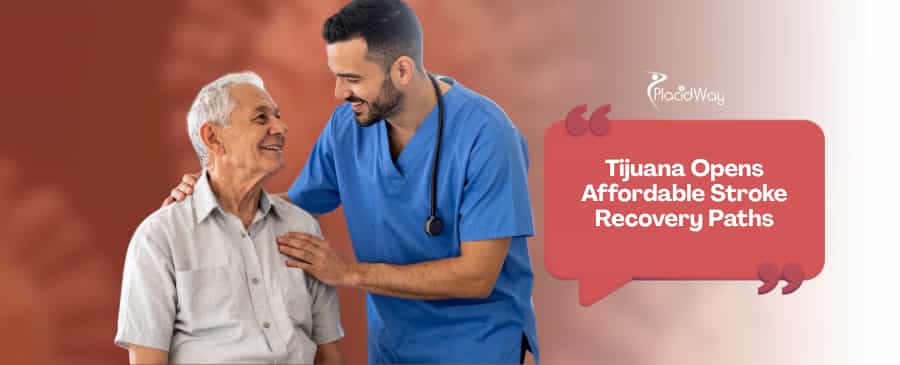
A stroke is a life-altering event, often leaving survivors and their families desperately searching for ways to restore lost motor functions, speech, and cognitive abilities. While traditional rehabilitation plays a crucial role in recovery, regenerative medicine has emerged as a beacon of hope. However, for many patients in the United States, accessing advanced regenerative treatments is hindered by stringent regulatory hurdles and astronomical out-of-pocket expenses. This reality has fueled a massive surge in medical tourism, positioning neighboring border cities as vital lifelines.
Today, seeking stem cell therapy for stroke in Tijuana, Mexico, is no longer considered an alternative fringe concept; it is a mainstream, strategic choice for thousands of American families. Situated just minutes across the San Diego border, Tijuana offers a unique combination of world-class medical infrastructure, highly specialized physicians, and medically regulated stem cell laboratories. More importantly, it provides these cutting-edge therapies at a fraction of the cost found in the US or other global destinations.
If you or a loved one are considering this innovative treatment, understanding the financial landscape is just as critical as understanding the medical science. Making an informed decision requires looking beyond the initial price tag to comprehend what drives these costs and what you are truly paying for. Here are five essential pricing insights every US medical traveler must know about the stem cell therapy for stroke cost in Tijuana, Mexico.
1. Understanding the Baseline Cost Difference Between the US and Tijuana
When families begin researching regenerative medicine, the first shock they often encounter is the sheer price disparity between the United States and Mexico. In the US, experimental or off-label stem cell treatments for neurological conditions like stroke are rarely, if ever, covered by major health insurance providers. This means patients are left to shoulder the entire financial burden out-of-pocket. US clinics can charge anywhere from $25,000 to over $50,000 for a comprehensive stem cell protocol, and due to FDA regulations, the types of cells allowed for expansion and replication are heavily restricted.
In stark contrast, the baseline stem cell therapy for stroke cost in Tijuana, Mexico typically ranges from $8,000 to $18,000, depending on the complexity of the protocol and the required cellular dosage. This represents a staggering 50% to 70% reduction in cost. But what drives this massive price gap?
The lower prices in Tijuana are not a reflection of inferior quality, subpar medical expertise, or cutting corners in patient safety. Instead, the cost savings are the direct result of macroeconomic factors and systemic differences in healthcare administration. Medical tourism in Mexico benefits from significantly lower overhead costs. Real estate, clinical facility maintenance, administrative staffing, and operational logistics are substantially more affordable south of the border.
Furthermore, medical malpractice insurance—a massive financial burden for doctors and clinics in the US—is structured differently in Mexico, allowing facilities to operate without passing exorbitant premium costs onto the patient. Finally, because Tijuana has become a highly competitive global hub for medical travel, the sheer volume of patients allows specialized laboratories to produce high-quality mesenchymal stem cells at economies of scale, driving the per-unit cost down while maintaining rigorous regulatory standards.
Interesting Facts: The Medical Tourism Boom
Did you know that over 1.2 million Americans travel to Mexico each year specifically for medical care? Tijuana is the busiest land border crossing in the world, and a significant percentage of those crossing are seeking treatments ranging from dentistry to advanced regenerative medicine, contributing billions to the local healthcare economy.
2. What is Typically Included in a Comprehensive Treatment Package?
One of the most confusing aspects of navigating medical procedures abroad is understanding exactly what you are paying for. A common mistake US patients make is assuming that the quoted price only covers the physical vial of stem cells. In reality, reputable stem cell therapy for stroke clinics in Tijuana, Mexico, operate on a "comprehensive package" model. This approach is designed specifically for international medical travelers to ensure a seamless, stress-free experience from the moment they land.
Because stroke survivors often have limited mobility and require specialized assistance, top-tier facilities bundle medical, logistical, and hospitality services into a single, transparent price. It is crucial to ask for an itemized breakdown during your consultation, but you can generally expect the following components to be included in a standard pricing package.
| Category | Typical Package Inclusions |
|---|---|
| Medical Diagnostics & Screening | Pre-treatment consultations, review of US MRI/CT scans, baseline blood panels, metabolic testing, and specialist evaluations. |
| The Cellular Product | The exact prescribed dosage of ethically sourced, laboratory-expanded Mesenchymal Stem Cells (MSCs), often derived from Wharton's Jelly (umbilical cord tissue). |
| Clinical Administration | The medical procedure itself (Intravenous infusion, Intrathecal injection, or localized injections), nursing care, facility fees, and anesthesiologist fees if required. |
| Logistical Support | VIP border passes (Medical Lane access to skip border wait times), ground transportation from San Diego International Airport to the Tijuana clinic, and a dedicated bilingual patient concierge. |
| Post-Treatment Care | Immediate post-procedure observation, discharge medications, nutritional guidelines, and scheduled telehealth follow-ups upon returning to the US. |
When comparing quotes, be wary of prices that seem "too good to be true" (e.g., under $4,000). These ultra-low prices often exclude vital components like specialist consultation fees, high-quality cell expansion, or the specific administration methods required to breach the blood-brain barrier for stroke recovery.
3. The Role of Cell Type, Source, and Dosage in Determining the Final Price
To accurately understand your quote, you must look into the science of the treatment. Stem cell therapy is not a one-size-fits-all commodity; it is highly customized biological medicine. The total cost of your treatment will fluctuate dramatically based on three primary medical factors: the source of the cells, the type of cells, and the dosage required. A leading stem cell therapy for stroke specialist in Tijuana, Mexico, will determine these variables based on the patient's weight, the severity of the stroke, and the time elapsed since the cerebrovascular event.
The Source and Type of Cells
For neurological conditions like stroke, the gold standard in regenerative medicine is currently Allogeneic Mesenchymal Stem Cells (MSCs) derived from Wharton’s Jelly, which is found in donated umbilical cord tissue. These cells are preferred over the patient's own bone marrow or fat cells (autologous cells) because umbilical cord cells are "day zero" cells. They are robust, highly proliferative, and possess potent anti-inflammatory and immunomodulatory properties without the risk of immune rejection.
Procuring, testing, and expanding these specialized cells in a highly regulated laboratory environment is an expensive, scientifically rigorous process. If a clinic offers treatment using autologous cells (extracting fat via liposuction and re-injecting it), the price will be significantly lower because it skips the complex laboratory expansion process. However, for stroke recovery, many neuro-specialists argue that expanded umbilical cord MSCs offer superior neuro-regenerative potential, justifying the higher price point.
The Science of Dosing
Dosage is perhaps the largest variable in your pricing quote. Stem cell dosages are typically calculated in millions of cells per kilogram of the patient's body weight. A standard protocol might require anywhere from 50 million to 300 million cells. Generating 300 million viable, high-quality cells requires extensive laboratory culturing time.
Furthermore, stroke protocols often require multiple routes of administration. While an intravenous (IV) drip distributes cells systemically to reduce overall bodily inflammation, a specialist may also recommend an Intrathecal injection (administering cells directly into the spinal fluid via a lumbar puncture). This method allows the cells to bypass the blood-brain barrier and travel directly to the central nervous system to target the damaged brain tissue. Intrathecal administration requires specialized imaging equipment, highly trained neurologists or anesthesiologists, and sterile surgical environments, all of which incrementally increase the overall package cost.
Expert Insights: Cellular Synergies
Many advanced protocols now combine MSCs with Exosomes. Exosomes are the microscopic "communication bubbles" secreted by stem cells, packed with growth factors and RNA. By adding isolated exosomes to a stem cell protocol, specialists aim to dramatically boost the neuro-regenerative signal in the brain. Opting for a combined Stem Cell and Exosome protocol will increase the cost but is heavily favored for severe neurological trauma.
4. Hidden Costs and Additional Expenses to Anticipate
While clinics in Tijuana strive to offer all-inclusive medical packages, a prudent medical traveler must budget for ancillary expenses that fall outside the clinic's purview. Failing to account for these "hidden" costs can cause unnecessary financial stress during what should be a healing journey.
Travel and Accommodation for Companions
Stroke survivors rarely, if ever, travel alone. You must factor in the cost of flights for both the patient and at least one caregiver. While ground transportation from San Diego is usually covered, your flights to Southern California are not. Additionally, depending on the severity of the patient's condition and the clinical protocol, the stay in Tijuana could range from 2 to 5 days.
While some luxury medical packages include hotel stays in partnered recuperation boutiques, many standard packages do not. You will need to budget for a wheelchair-accessible hotel room in Tijuana. Fortunately, Tijuana boasts numerous modern, high-end hotels located in safe, medical-centric districts (like Zona Rio), with nightly rates generally lower than their US counterparts.
Adjunct and Supportive Therapies
To maximize the efficacy of the stem cells, clinics often recommend complementary therapies during your stay. The most common is Hyperbaric Oxygen Therapy (HBOT). HBOT involves breathing pure oxygen in a pressurized chamber, which saturates the blood plasma with oxygen. This environment helps newly introduced stem cells survive, migrate to the site of brain injury, and promote angiogenesis (the formation of new blood vessels). While highly beneficial, HBOT sessions are usually billed as add-ons, potentially adding several hundred dollars to the final bill.
Long-Term Physical Rehabilitation
It is vital to understand that stem cell therapy is not a magic wand; it is a biological catalyst. The neuroplasticity promoted by stem cells must be harnessed through rigorous physical, occupational, and speech therapy once the patient returns home. The cost of long-term rehabilitation in the US—whether covered by insurance or paid out-of-pocket—must be factored into the holistic financial plan for stroke recovery.
5. Regulatory Standards (COFEPRIS) and How They Protect Your Investment
When seeking medical treatments abroad, the most prominent fear among American patients is a perceived lack of safety and regulation. There is a common misconception that cheaper costs equate to unregulated, "wild west" medical practices. In the context of reputable regenerative medicine in Mexico, nothing could be further from the truth. Understanding the regulatory framework is essential because it reassures you that your financial investment is funding a safe, scientifically validated, and legally compliant medical procedure.
In Mexico, the equivalent of the US Food and Drug Administration (FDA) is the Federal Committee for Protection from Sanitary Risks, known as COFEPRIS (Comisión Federal para la Protección contra Riesgos Sanitarios). COFEPRIS is a stringent regulatory body that mandates rigorous standards for the extraction, manipulation, storage, and administration of human cellular tissues.
Legitimate clinics offering stem cell therapy for stroke in Tijuana, Mexico, must possess specific, hard-to-obtain licenses from COFEPRIS to operate. Furthermore, the laboratories that cultivate the stem cells must adhere to strict Good Manufacturing Practices (GMP). GMP certification ensures that the cellular products are cultivated in ISO-certified sterile cleanrooms, undergo exhaustive virology screening (testing for HIV, Hepatitis, Syphilis, and other pathogens), and are tested for viability, endotoxins, and sterility before they ever reach the patient.
When you pay for a premium stem cell package in Tijuana, a significant portion of your cost goes toward maintaining these world-class laboratory standards. You are paying for the cold-chain logistics required to transport living cells safely. You are paying for the advanced flow cytometry testing that guarantees you are receiving living, potent cells capable of aiding brain repair.
Therefore, when reviewing quotes, do not hesitate to ask a clinic for proof of their COFEPRIS licensing and their laboratory's GMP certification. A facility that transparently provides this documentation is proving that their pricing is justified by an uncompromising commitment to your health and safety.
Did You Know? The Legal Advantage
Unlike the US, where expanding stem cells to high therapeutic dosages is heavily restricted by current FDA guidelines, Mexico’s medical framework legally allows for the laboratory expansion of mesenchymal stem cells. This progressive regulatory environment is exactly why leading researchers and specialists have established state-of-the-art facilities in Tijuana, allowing patients to access high-dose regenerative protocols legally and safely.
Take the Next Step Towards Recovery with PlacidWay
Navigating the complex world of regenerative medicine, international travel logistics, and treatment pricing can feel overwhelming, especially while managing the daily challenges of stroke recovery. You do not have to make this journey alone.
PlacidWay is your trusted partner in coordinating safe, affordable, and high-quality medical travel. We specialize in connecting US patients with fully vetted, internationally accredited clinics and board-certified specialists in Tijuana and around the globe. Our dedicated team takes the guesswork out of your medical journey by ensuring the facilities we recommend adhere to the highest COFEPRIS and GMP standards.
From helping you compare transparent pricing packages and facilitating consultations with leading neuro-specialists, to assisting with travel logistics and providing ongoing support, PlacidWay is committed to empowering your healthcare choices. We ensure that you receive the highest standard of care without the burden of hidden fees or compromised quality.
Stop letting exorbitant US healthcare costs dictate your family's path to recovery. Discover the possibilities of accessible, world-class regenerative medicine today.
















Share this listing